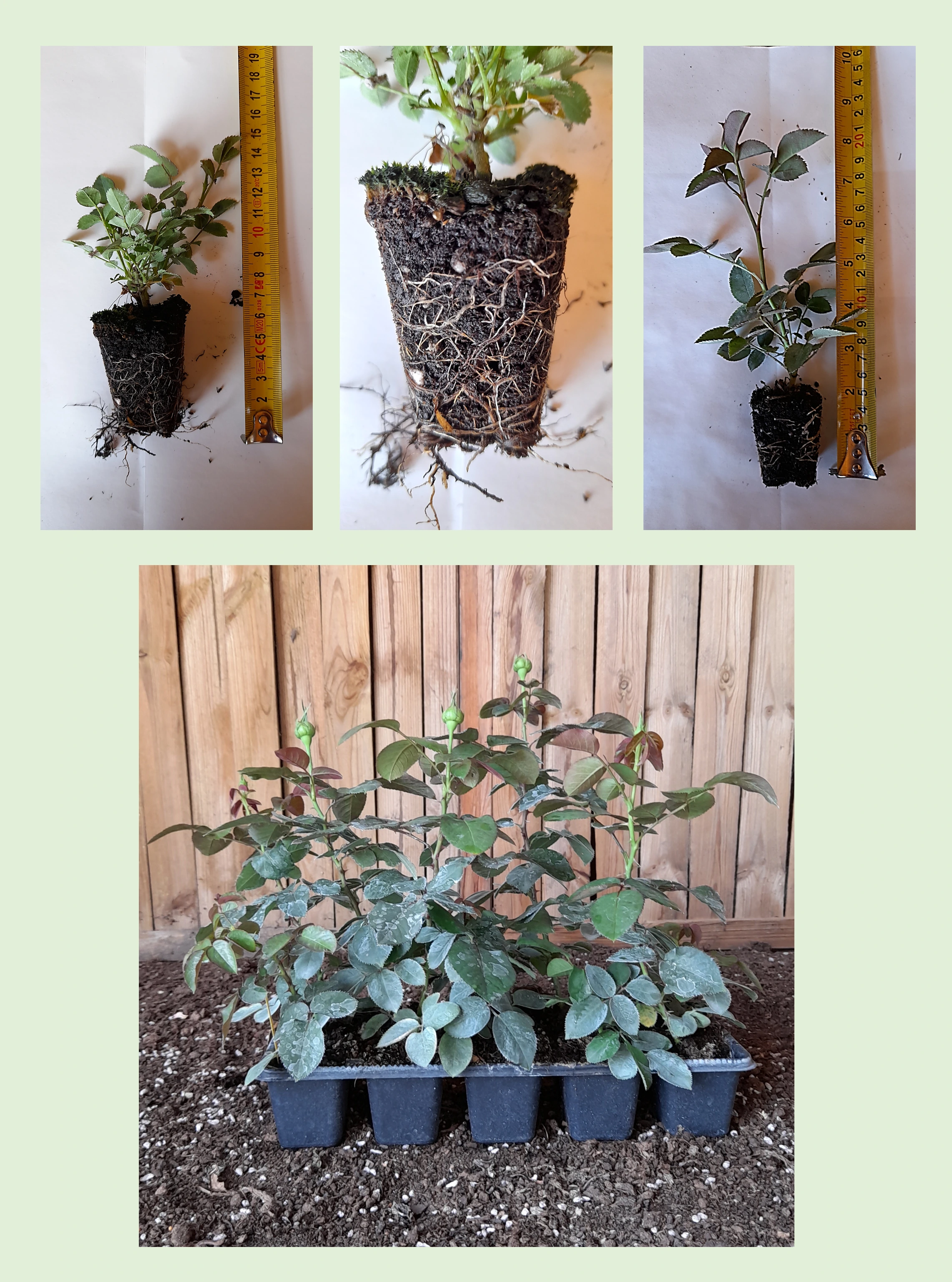
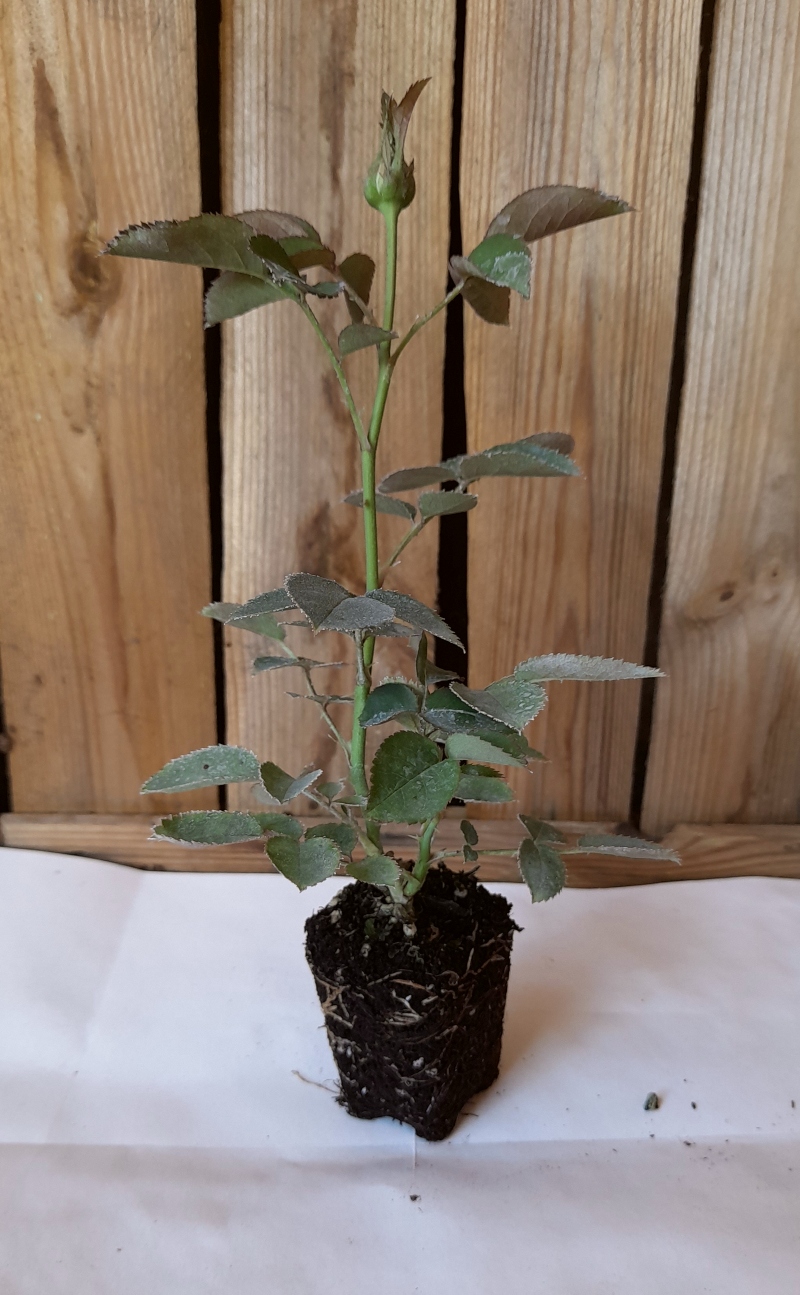
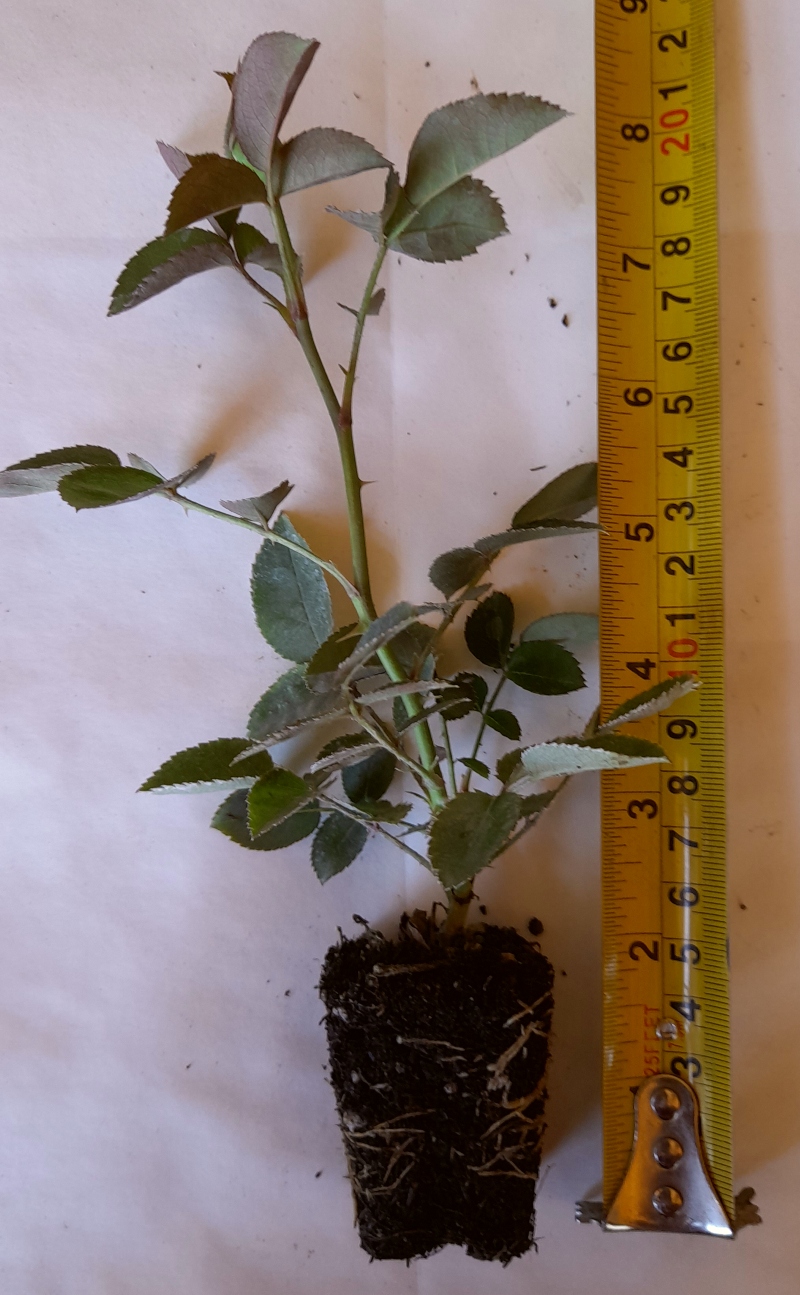
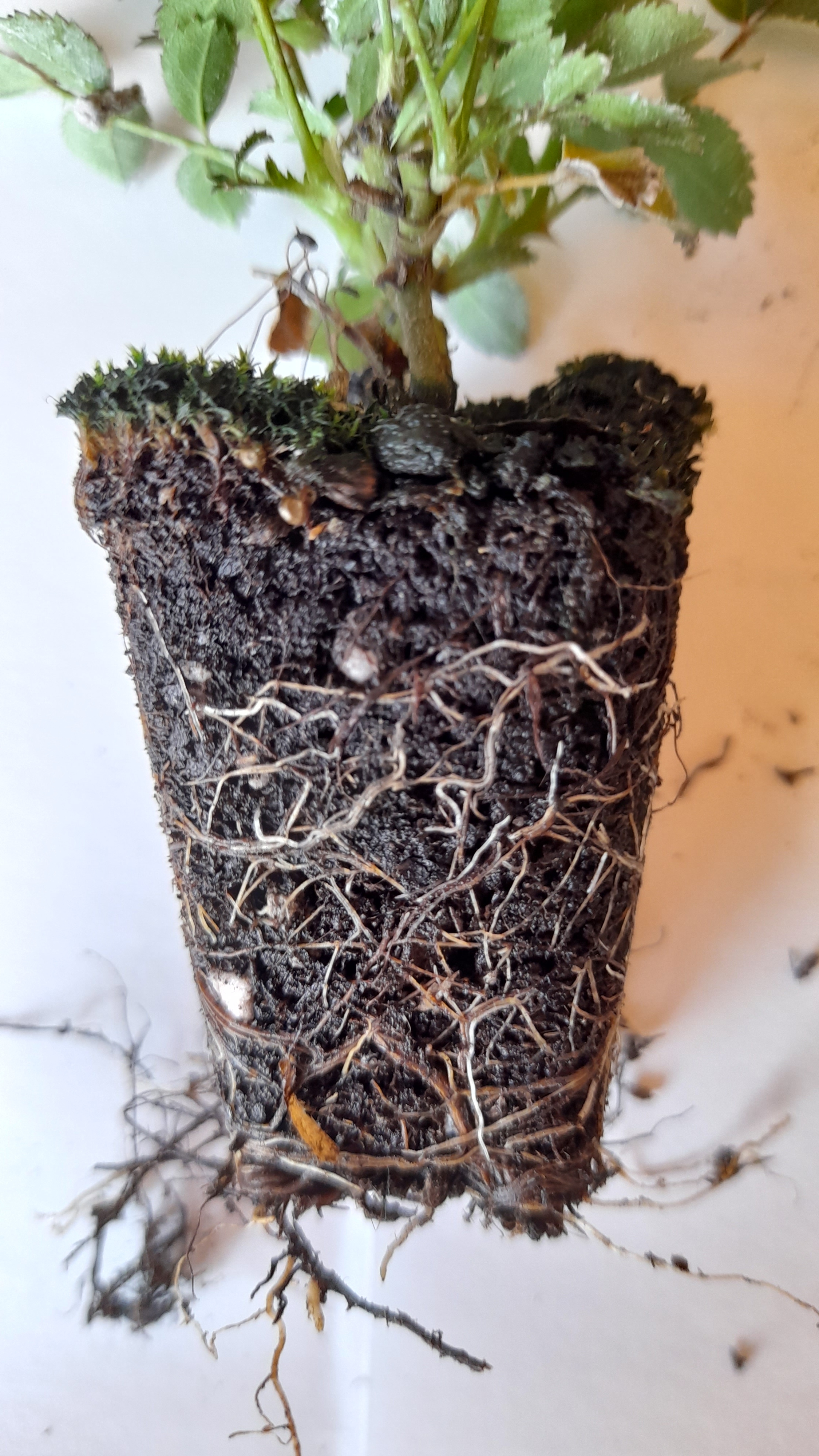
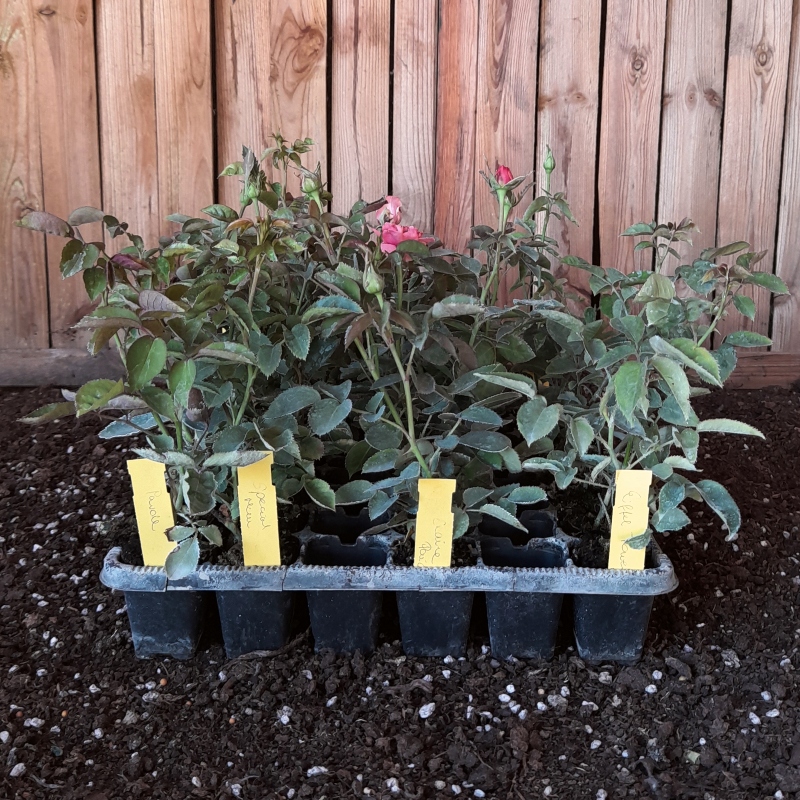
Pannonhalma – hybrid tea rose rooted cutting for professional production
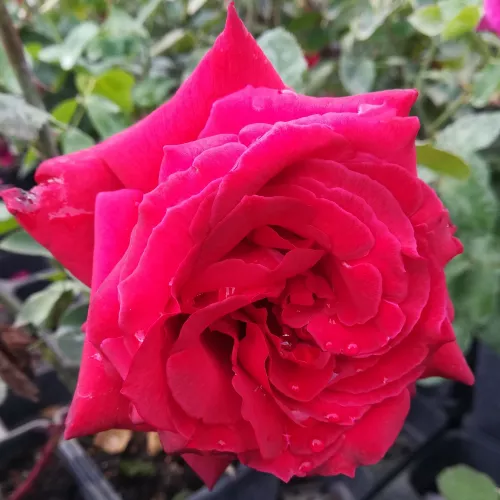
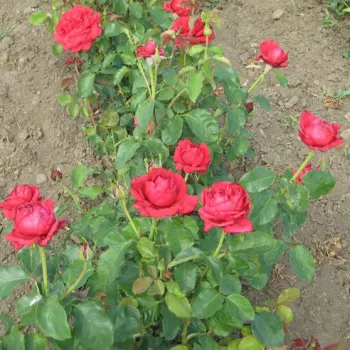
Pannonhalma offers premium cherry-red blooms with exhibition hybrid-tea form on an erect, bedding-suitable framework that fits a container-driven, premium route to retail-reseller partners, while its low-maintenance, resistant foliage supports reliable nursery workflow even in wetter western conditions, and own-root production gives long-term stability for cultivar collections as plants move from Year 1 roots to Year 2 structure and Year 3 full ornamental value, making it a practical, wholesale-scale option for exclusive cut-flower capable ranges.
Usage options
Finished-product ideas
- 5–7 L Premium Cherry-Red Hybrid Tea – focus on large, very full cherry-red blooms and strong fragrance in 5–7 L pots, using bush-trained plants with 3–5 canes as an exclusive container highlight – target audience/channel: branded retail / reseller premium benches
- Fragrant Exhibition Hybrid Tea Line – solitary, exhibition-quality flowers with full rose scent positioned as a cut-flower capable, show-grade SKU in 5–7 L – target audience/channel: specialist rose retailers and show-oriented resellers
- Bedding Collection ‘Pannonhalma’ Blocks – erect, homogeneous plants used for bedded blocks in thematic rose collections, grown from own-root material for long-term stability – target audience/channel: public-realm and show-garden project suppliers
- Cherry-Red Signature Feature Rose – colour-led SKU built around stable deep cherry-red blooms and premium flower form, offered as an exclusive hero pot size – target audience/channel: garden centres seeking distinctive focal cultivars
- Collection and Gene-Bank Stock Plants – own-root bushes developed from NEONATAL cuttings as long-lived stock for cultivar collections with low replacement demand – target audience/channel: nurseries maintaining reference collections and institutional gardens
Technical cultivar profile
| Parameter |
Data |
| Name and registration |
Hybrid tea rose marketed as Pannonhalma Hybrid tea rose Márk; exhibition hybrid tea and cut-flower category; no separate registered cultivar name reported; ARS exhibition name Pannonhalma. |
| Origin and breeding |
Bred by Márk Gergely in Hungary, dated to 1991; parentage not provided; introduced by PharmaRosa® Ltd. from 1991 as part of a professionally selected, trade-oriented hybrid tea assortment. |
| Growth and structural characteristics |
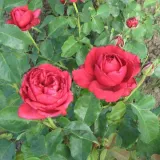
Erect bush habit to about 80–110 cm with 60–80 cm spread; moderately dense, slightly glossy mid-green foliage; moderately thorny stems; supplied as bush-trained plants with 3–5 strong framework canes. |
| Flower morphology |
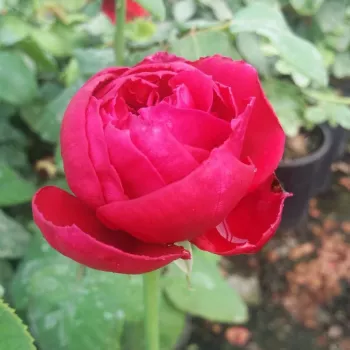
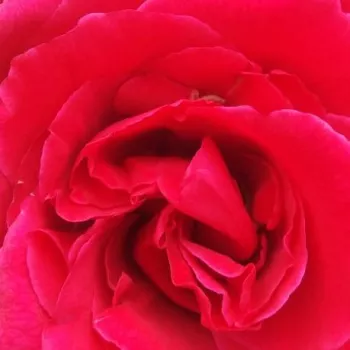
Very full, large L-sized blooms with 40+ petals; solitary hybrid tea type flowers on erect stems; cupped form suitable for exhibition and cut-flower use; repeat-flowering with a notably abundant second flush. |
| Colour data and phenology |
Deep cherry-red flowers, ARS DR; RHS 187A outer and 53A inner; buds dark burgundy; colour fades only moderately, moving from intense cherry-red to a muted wine-red tone before withering. |
| Fragrance and aroma |
Medium-strength, long-lasting scent with a full, classic rose character; primarily ornamental value, as very double blooms conceal stamens and limit pollinator access compared with simpler flower forms. |
| Hip characteristics |
Occasional hips of ellipsoidal shape, around 10–14 mm diameter, maturing to an orange-red colour; hips are present but not a primary ornamental or commercial feature for this cultivar. |
| Resistance and winter hardiness |
Rated resistant to powdery mildew, black spot and rust under typical conditions; RHS hardiness H4, Swedish zone 1, USDA 8b, with indicative minimum temperatures in the range of approximately -9 to -7 °C. |
| Horticultural recommendations |
Suited to bedding and cut-flower uses; best directed to premium container production in 5–7 L pots; low maintenance requirements thanks to good disease resistance, generally needing only limited routine interventions. |
Pannonhalma Hybrid tea rose Márk offers premium flower quality, strong disease resistance and own-root longevity for predictable, low-replacement stands; please contact us to coordinate volumes, lead times and integration into your production plans.