Hybrid tea rose

21-309-1
21-309-2

Panoldap

Hybrid tea rose

- – Bernard Panozzo

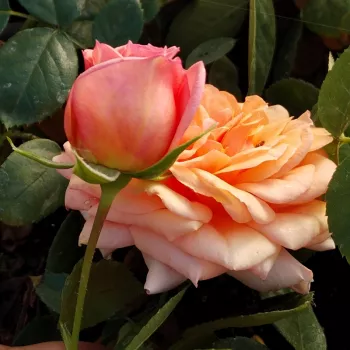
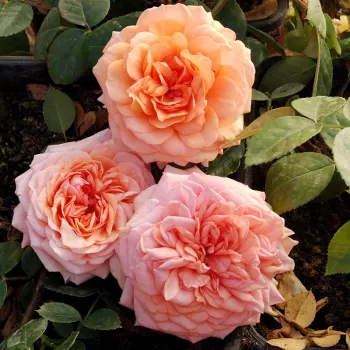
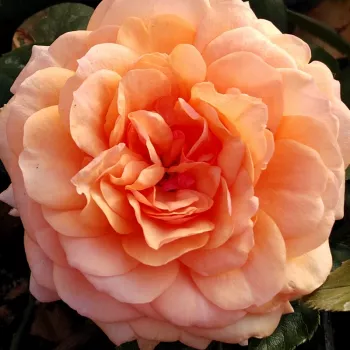
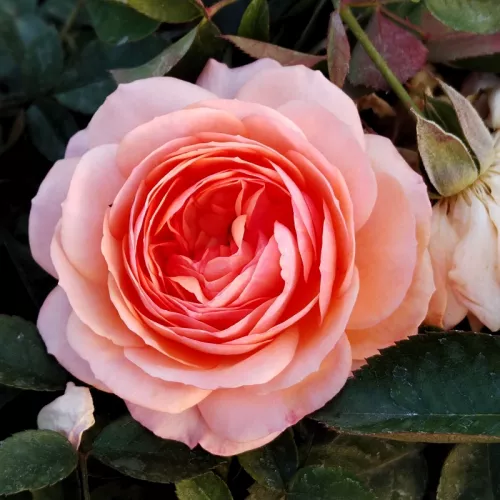
Pale powder-pink petals with a peach-coloured centre and a soft transition. - tea hybrid rose - strong, fragrant rose noticeable from a distance - spicy character

– Large, elegant Hybrid Tea blooms.
– Sophisticated apricot‑peach to powder‑pink shades.
Strong, spicy fragrance carries on the air.
– Upright bushes with dense, glossy dark foliage.
– Reliable remontant flowering with rich second flush.
Különlegesség: Narancsvörös, díszes csipkebogyókat érlel.
Exclusive finished product
Panoldap
pharmaROSA® NEONATAL rooted rose cutting
29,63 £
Due to courier service regulations – and the introduction of customs clearance – delivery to Ireland is temporarily suspended.
4.5 (6677)
facebook   twitter

PANOLDAP – pink hybrid tea rose – Panozzo

Premium own-root PANOLDAP offers an exclusive hybrid tea profile for growers seeking collection-grade material and high-impact specimen finishes in premium containers. Its upright habit and dense, glossy foliage provide a visually structural base for remontant, large, rosette blooms in a refined peach–pink palette, with a fragrant, spicy scent noticeable from a distance that adds value in high-end retail and exhibition hybrid tea ranges. As H7 hardy to around -26 °C, it supports production planning for UK nursery networks exposed to colder and windier Scottish and northern English sites where reliable winter field-standing is required. The own-root NEONATAL format underpins long-term longevity and regeneration under propagation load, especially where homogeneous batches, low replacement and predictable capacity for thematic rose gardens and show collections are key. Developed as a premium container route in 5–7 L, it suits nursery and wholesaler lines positioned as exclusive finished product with flower quality and form as the core promise. Rooted tray cuttings at a uniform young stage facilitate integration into professional production flows, from nursery propagation beds through to larger feature pots, allowing You to work with a clear development arc: roots consolidating in year one, framework and shoot build-up in year two, then full ornamental expression by year three in public-realm and curated projects.


Usage options

Target area Reasoning
Premium 5–7 L container production The cultivar’s upright habit and dense, glossy foliage support visually balanced 5–7 L premium containers where flower quality and form are the main selling points. The remontant, large rosette blooms with strong fragrance justify positioning as an exclusive finished product in retail and reseller channels focused on hybrid tea connoisseurs. Bush-trained own-root NEONATAL material with 3–5 canes establishes quickly, giving predictable framework build-up and a clear progression from rooting consolidation through to full ornamental performance over subsequent seasons for retail–reseller premium roses.
Specimen roses in large feature containers (40–50 L) The upright structure and strong, spicy fragrance make PANOLDAP suitable as a single-plant feature in 40–50 L containers for show gardens, entrances and hospitality settings where impact per unit is critical. Starting from uniform tray-rooted own-root cuttings enables You to plan multi-year development, building 3–5 cane frameworks before potting up to large volumes. This supports exclusive finished-product positioning for retail or project-based resellers supplying curated, high-ticket centrepieces with reliable hardiness and repeat flowering for design-led container projects.
Thematic and collection beds in rose gardens With its hybrid tea form, nuanced peach–pink colour transitions and exhibition-oriented flower quality, PANOLDAP fits well into thematic hybrid tea collections and named-cultivar beds. Own-root NEONATAL supply is advantageous where long-term cultivar maintenance, correct identity and regeneration potential are important, such as municipal or institutional rose gardens. Consistent 5–7 L premium container production gives nurseries a clear SKU for replenishment and expansion of curated rose ranges aimed at public rose collections.
Cut-flower capable garden and park planting The solitary, large hybrid tea blooms on upright stems provide a garden cut-flower option within park and bed plantings, adding a functional angle to its ornamental use. Grow-on via the recommended premium container route allows You to deliver well-rooted plants that establish quickly in beds while maintaining structural quality. Own-root plants offer long lifespan and stand renewal potential, supporting professional credibility where retail partners expect durable, multi-purpose roses suitable for both display and home cutting for garden–park cut use.
Cold-climate nursery and field production With H7 hardiness and performance down to approximately -26 °C, PANOLDAP fits into nursery systems facing colder winters and exposed northern sites, where field-standing or overwintered container stock must remain reliable. Own-root NEONATAL material helps build stable stands that regenerate from the base after cold stress, reducing replacement rates over time. This is particularly relevant for UK producers supplying regions where winter and wind exposure are regular planning factors for northern UK distribution.
Fragrance-focused premium ranges The strong, spicy fragrance noticeable from a distance allows nurseries to structure a clearly defined “fragrant hybrid tea” segment around PANOLDAP. When grown on in 5–7 L premium containers, the sensory impact can be demonstrated at point of sale, reinforcing the exclusive finished product message. Own-root production offers predictable, repeatable performance so fragrance claims can be upheld season after season, supporting brand trust for fragrance-led assortments.
Colour-graded hybrid tea assortments The refined transition from apricot–coral buds to soft peach–pink and powder-pink–cream makes PANOLDAP valuable in nuanced colour-blocked hybrid tea assortments. Professional growers can integrate it into premium container lines where subtle tonal variation is a sales argument. Own-root NEONATAL supply ensures that colour expression and plant habit remain consistent within batches, reducing sorting and grading effort for wholesalers targeting design-conscious retail partners and show garden buyers for colour-curated ranges.
Gene-bank and cultivar conservation plantings For collections where cultivar identity and long-term stability are essential, such as institutional or private gene-bank style plantings, the verified own-root NEONATAL material of PANOLDAP supports accurate, sustainable maintenance. The combination of remontant flowering and characteristic fragrance and colour pattern makes it easy to reference within hybrid tea collections. Its winter hardiness aids long-term survival, while own-root regeneration capacity supports low replacement strategies in specialist conservation and reference plantings for institutional collections.

Finished-product ideas

  • Premium 5–7 L fragrant hybrid tea – Bush-trained, 3–5 cane plants in 5–7 L pots highlighting strong fragrance and large rosette blooms, positioned as an exclusive finished product for specialist garden centres and rose-focused resellers – target: premium retail benches.
  • 40–50 L specimen patio feature – Upright, own-root plants potted on to 40–50 L containers as single-plant focal points with dense foliage and repeat-flowering peach–pink blooms – target: landscapers and retailers serving terrace, hotel and public entrance projects.
  • Thematic hybrid tea collection line – Uniform 5–7 L containers integrated into named hybrid tea series for show gardens and curated rose beds, leveraging verified identity and hardiness – target: nurseries supplying public gardens, estates and collector clients.
  • Fragrance-highlighted retail duo – PANOLDAP paired with another fragrant cultivar in matched 5–7 L premium pots to create a clearly marked fragrance corner, built on strong scent and flower form – target: independent garden centres and boutique resellers.
  • Collector-grade conservation stock – Own-root NEONATAL-based plants grown on into robust container stock for long-term cultivar maintenance blocks and backup conservation stands – target: arboreta, botanical collections and specialist rose nurseries.

Technical cultivar profile
Parameter Data
Name and registration Hybrid tea rose, registered as PANaldap, traded as Panoldap Hybrid tea rose PANaldap; exhibition category cut flower and exhibition hybrid tea, meaning linked to the smile of Le Havre.
Origin and breeding Bred by Bernard Panozzo in France, breeding and introduction dated 2011, with Pétales de Roses (France) as initial distributor; parentage and detailed institutional breeding data not provided.
Awards and recognition Data on competition, collectors’ recommendations and global awards not provided; no recorded distinctions currently influence technical positioning for professional production decisions.
Growth and structural characteristics Upright bush form reaching about 80–110 cm in height and 60–85 cm spread, moderately thorny, with dense, dark green, glossy foliage providing good structural fill in beds and containers.
Flower morphology Large double rosette flowers, 2.75–3.95 inches across, 26–39 petals, borne mainly solitary; remontant habit with plentiful second flush, no precise data on self-cleaning available at present.
Colour data and phenology Colour soft pink with peach centre (RHS 53A outer, 53B inner); buds apricot–coral with golden shimmer, fading through peach–pink to powder-pink–cream, with average colour retention and pastel tones at senescence.
Fragrance and aroma Strong, spicy rose fragrance that is noticeable from a distance; double flowers moderately attract pollinators, less so than single or semi-double forms with more accessible stamens.
Hip characteristics Moderate production of ellipsoidal orange-red hips, approximately 8–12 mm diameter, contributing minor seasonal interest but generally secondary to use as a flowering and fragrant hybrid tea.
Resistance and winter hardiness Very susceptible to powdery mildew, black spot and rust, therefore high maintenance with regular plant protection required; winter hardiness to about -26 to -23 °C (H7, Swedish zone 4, USDA 5b).
Horticultural recommendations Recommended for beds, parks, specimen and container use, with premium container product path and 5–7 L target pot; release as bush-trained plants with 3–5 framework canes, high maintenance disease control advised.

PANOLDAP offers large, fragrant hybrid tea blooms, strong winter hardiness and an upright, container-ready habit on predictable, regenerative own-root stock, making it a sound candidate for discussion when planning premium rose capacity and scheduling.

Detailed product attributes

Product Identification Data

Product Name: PANOLDAP – pink hybrid tea rose - Panozzo
Product Type: pharmaROSA® NEONATAL - rooted rose cutting
Cultivar Authenticity: Verified:15.09.2025
Cultivar Quality Rating: premium silver
Item Number: [1302] 21-309 (14.02.2026) pharmarosaneonatal.co.uk

Name and Registration

Meaning of Cultivar Name: The expression "Le Havre mosolya" refers to the smile of the city of Le Havre.
Cultivar Synonym: Sourire du Havre
Original Trade Name: Sourire du Havre
Current Trade Name: Panoldap Hybrid tea rose PANaldap
Rose Group: Hybrid Tea
Commercial Type: tea hybrid rose
Commercial Group: Hybrid tea rose
Exhibition Category: cut flower; exhibition hybrid tea
Collection: Hybrid tea rose

Origin and Breeding

Initial Distributor: Pétales de Roses (France)
Breeder: Bernard Panozzo
Breeding Company / Institution: unknown / no data
Breeding Year: France, 2011
Parentage: unknown

Growth and Structural Characteristics

Height: 2.6-3.6ft (80-110 cm)
Spread: 2-2.8ft (60-85 cm)
Growth Habit: upright
Foliage: The variety has dense foliage. Its leaves have a glossy surface and a dark green hue.
Prickliness: moderately thorny
Self-Cleaning Description: No data on self-cleaning.

Self-Cleaning Intensity: No data available on self-cleaning strength.

Flower Morphology

Petal Count: 26-39
Flower Fullness: double-flowered
Flower Shape: rosette
Flower Size: L (2,75-3,95 in)
Inflorescence Type: solitary
Colour Code: ARS code: DP RHS code: 53A (outer), 53B (inner)
Repeat Flowering: Remontant, with a plentiful second flowering.

Colour Data and Phenology

Colour: pink
Flower Colour Description: Pale powder-pink petals with a peach-coloured centre and a soft transition.
Closed Bud: The outer is a pale powder-pink, the inner a warm peach–salmon blush.
Newly Opened Flower: Apricot–coral with a central golden shimmer, petals that quickly lighten outwards to a rosy‑cream colour.
Full Bloom: Uniform soft peach-pink; the inner petal whorl warmer, the outer petal whorl edged in pastel.
Before Fading: The peachy tone recedes, fading to a powder-pink–cream colour with a delicate porcelain veil.
Colour Fading Description: During opening, the peach–coral midtones and pink shades gradually fade to a pastel powder-pink–cream, with the peach tone receding before the blooms fade.

Fragrance and Aroma

Fragrance Strength: strong, fragrant rose noticeable from a distance
Fragrance Character: spicy character
Pollinator Attraction: Flowers moderately attract pollinators; single or semi‑double forms with accessible stamens tend to be more attractive, whereas fully double blooms that conceal the stamens attract fewer pollinators.
Pollinator-Friendly Rating: Its double flowers moderately attract pollinators, therefore it is partially pollinator-friendly.

Hip Characteristics

Hip Shape: ellipsoidal
Hip Colour: orange-red
Hip Comment: Moderately produced, 8–12 mm in diameter, ellipsoidal, orange‑red rose hips.

Resistance and Hardiness

Hardiness (°C): -26–-23 °C
Heat and Drought Tolerance Description: No data are available on heat–drought tolerance.
Disease Resistance: very susceptible
  • powdery mildew – very susceptible
  • black spot – very susceptible
  • rust – very susceptible

Horticultural Recommendations

Recommended product path: Premium container
Release form: Bush-trained, with 3–5 strong framework canes
Recommended use: Maintenance requirement high; very poor disease resistance, regular plant protection required.
Primary Uses: bed, park, specimen, container

Comments

Positioning: Exclusive finished product
Target customer/channel: Retail / reseller
Main value proposition: Flower quality, form
PANOLDAP – pink hybrid tea rose - Panozzo
Pale powder-pink petals with a peach-coloured centre and a soft transition. - tea hybrid rose - strong, fragrant rose noticeable from a distance - spicy character
Rose Shopping Online - pink - strong, fragrant rose noticeable from a distance - Panoldap - tea hybrid rose - (2.6-3.6ft (80-110 cm))
Inflorescence: solitary Height: 2.6-3.6ft (80-110 cm) Flower shape: rosette Winter hardiness: 6b pink - Pétales de Roses (France) tea hybrid rose - Flower size: L (2,75-3,95 in) Flower size: L (2,75-3,95 in) - Height: 2.6-3.6ft (80-110 cm) Height: 2.6-3.6ft (80-110 cm) - Flower fullness: double-flowered Panoldap - Roses in the garden | pharmaROSA® Neonatal - premium silver Bernard Panozzo

We showcase the external appearance of the roses available for online purchase from our webshop.


Which product type is right for you?


PharmaRosa® NEONATAL is the cost‑effective starting point for rose product production.

As a uniform, own‑rooted propagation material, it provides a stable basis for further growing-on and can be integrated flexibly into different finished product production technologies.
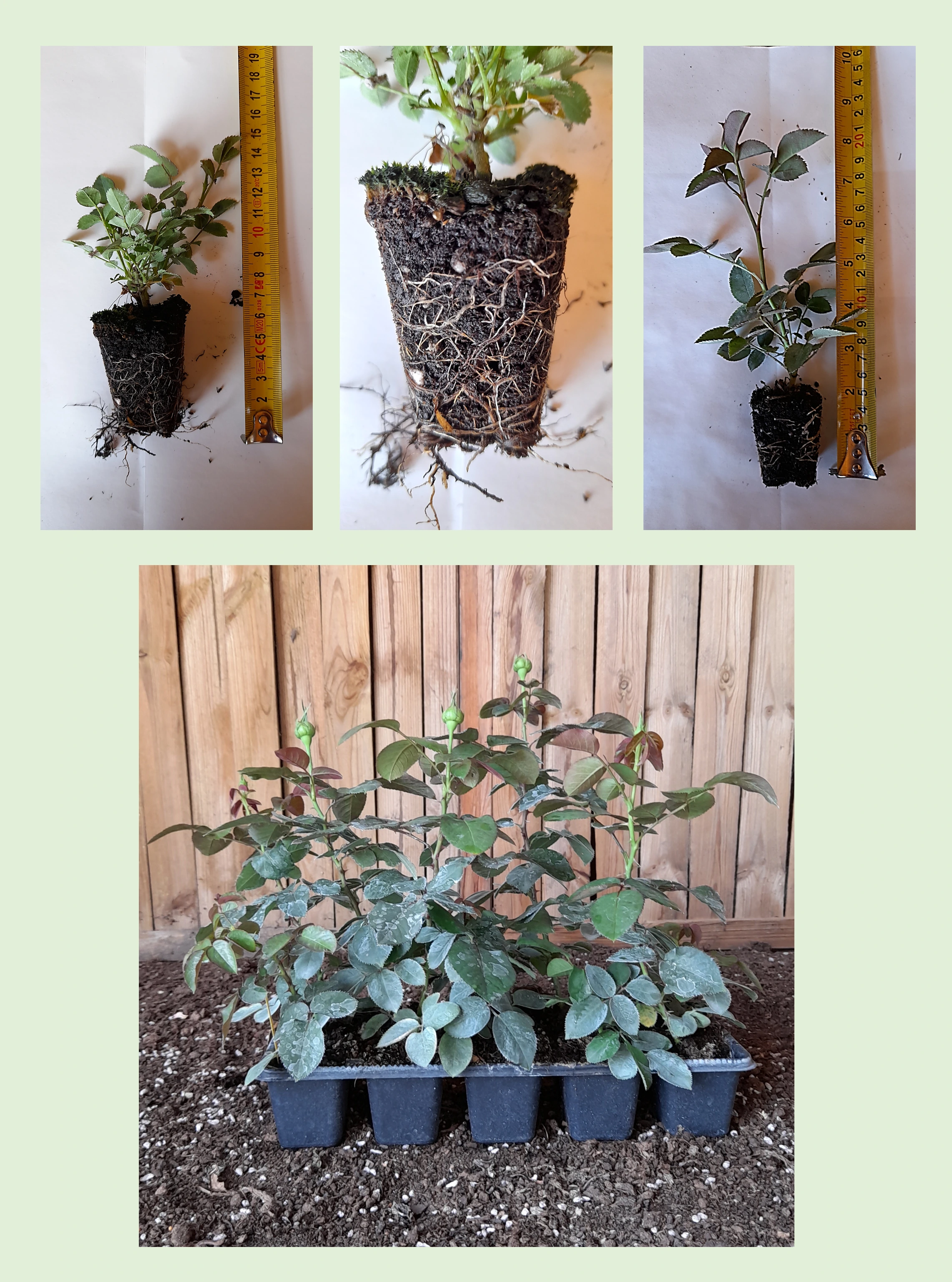
Rooted in trays (rooted), 3–6‑month‑old, own‑rooted rose cutting.
Uniform developmental stage, with a root system that has thoroughly penetrated the plug.
For professional growing‑on.
Tray packaging: 10 pcs/tray.
Quality and varietal identity: production supported by a dedicated identification and traceability logic.
Can be transplanted during frost‑free periods, designed for finished product production.

PharmaRosa® NEONATAL provides a controlled, uniform starting stock for planned growing‑on that can be integrated into your own technology – especially where scheduling and varietal identity are paramount.


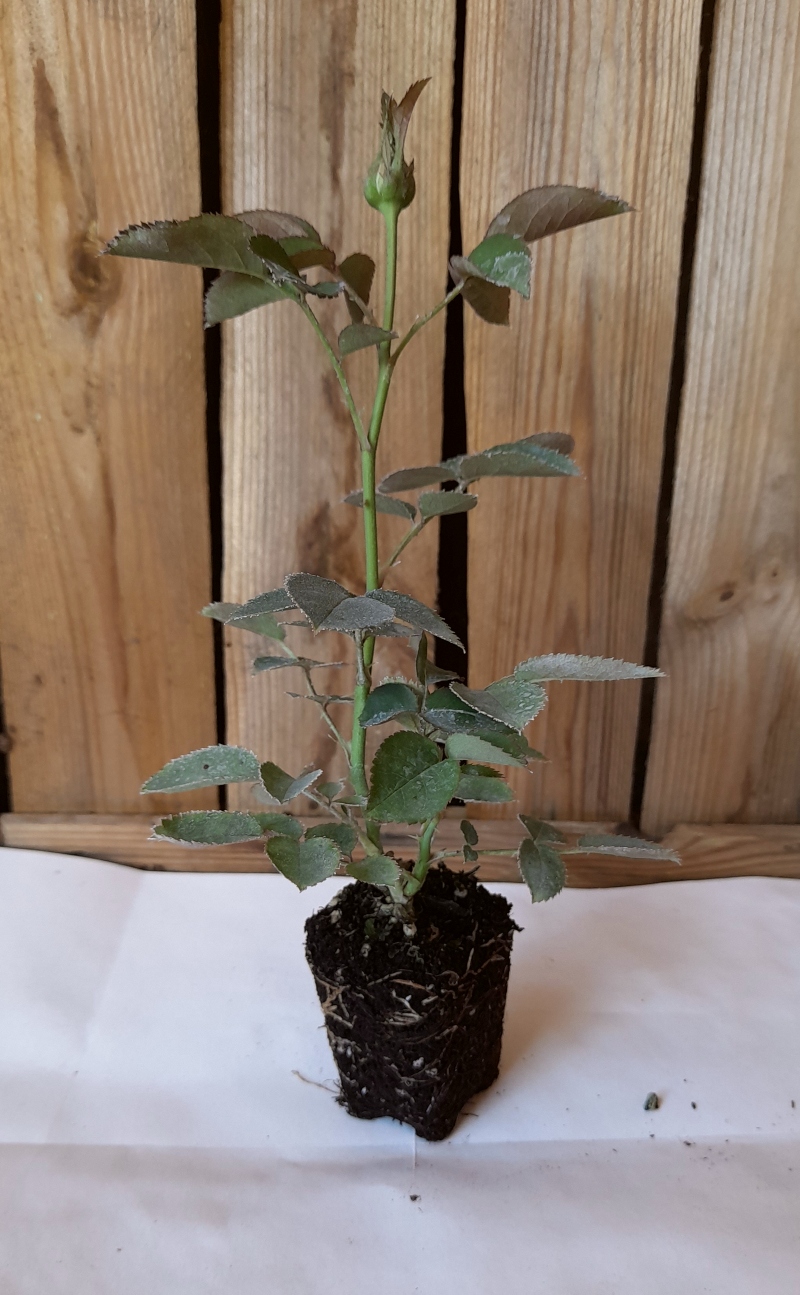
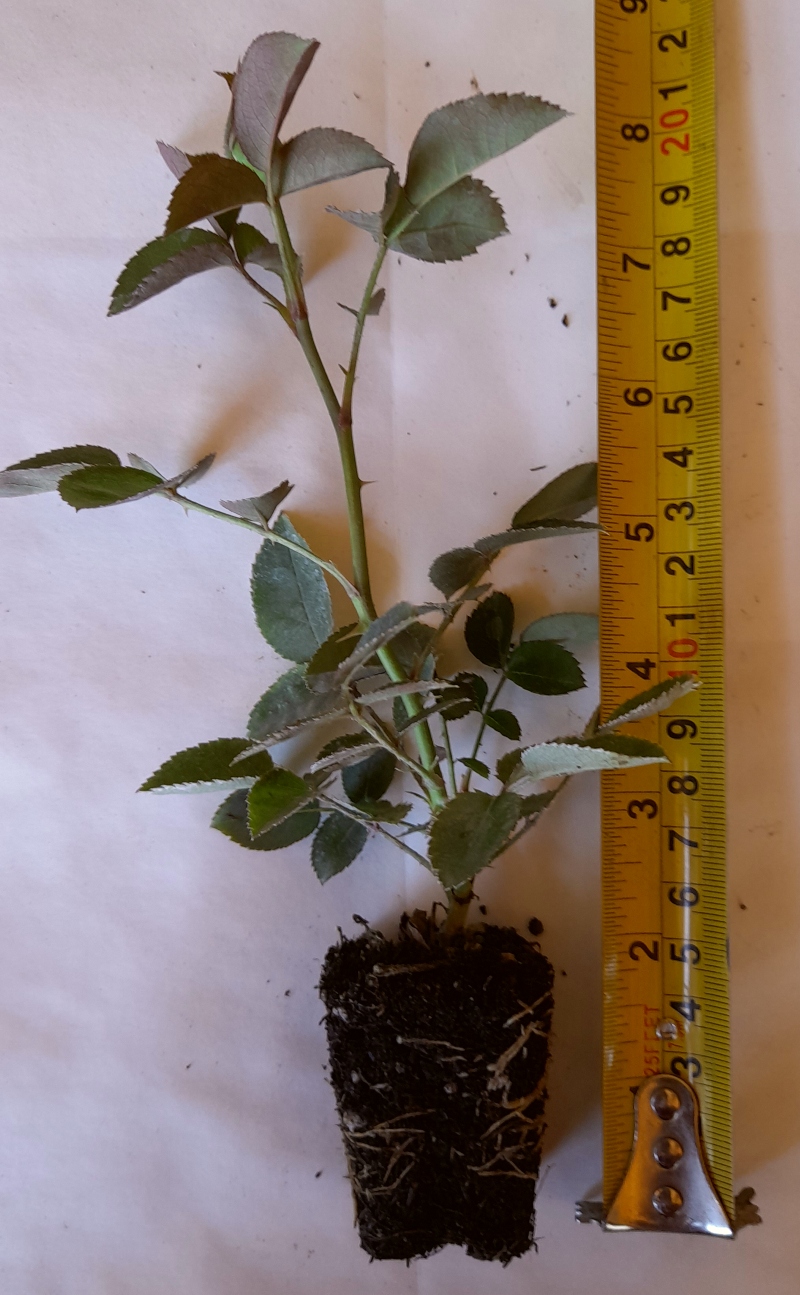
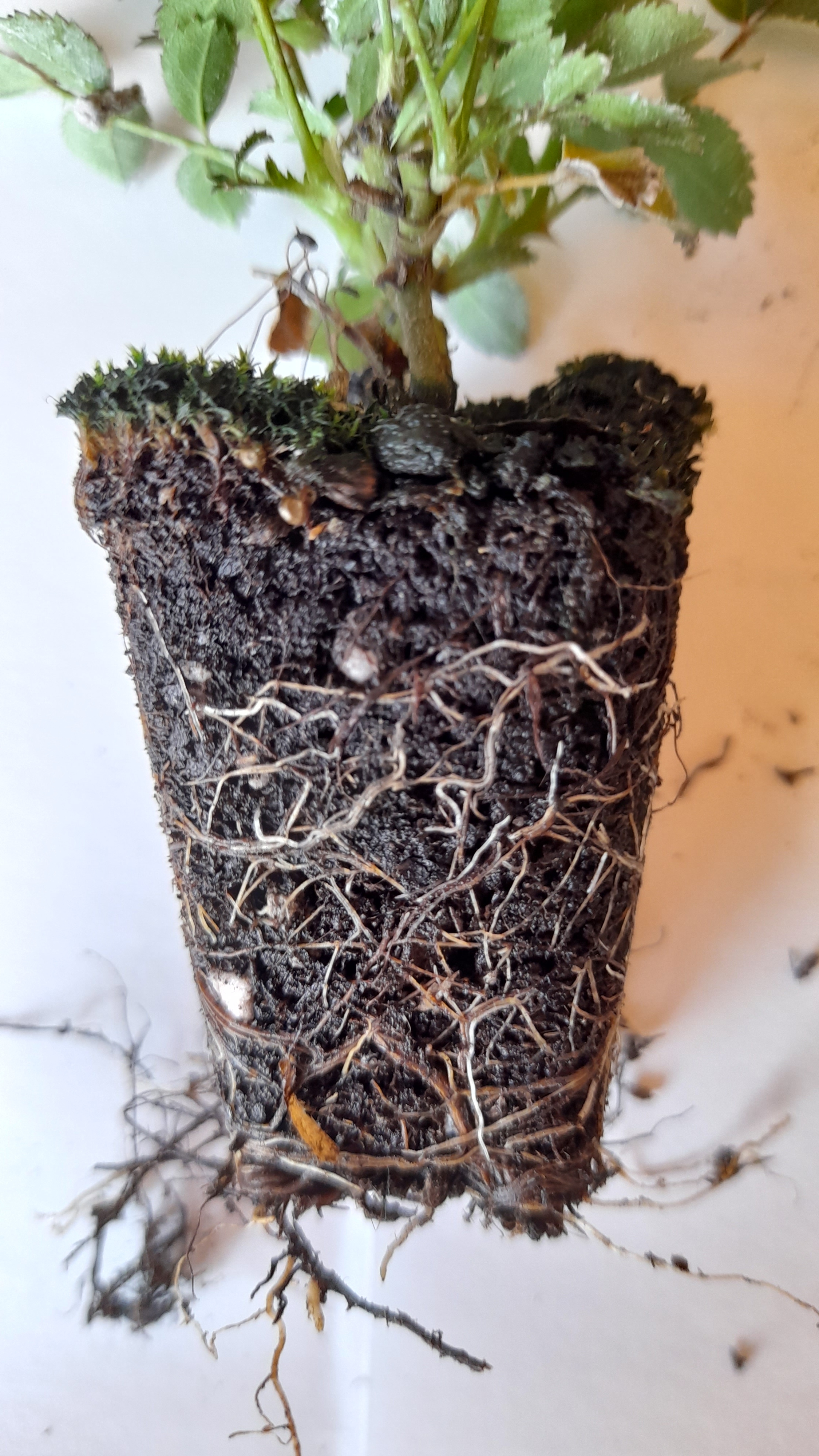
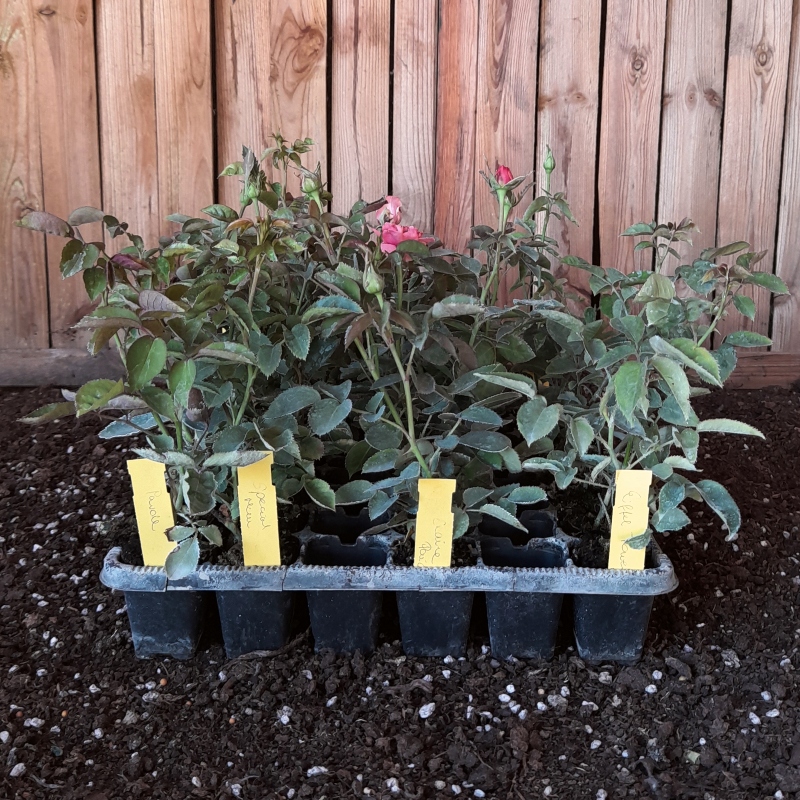
PharmaRosa® NEONATAL own-rooted rose propagation material in a plug, with a root system penetrating the plug (semi-finished product / semi-finished rose). PharmaRosa® NEONATAL rose propagation material size: 3–6‑month‑old, own-rooted cutting with a uniform developmental stage. PharmaRosa® NEONATAL rose propagation material root system: plug densely penetrated by well-developed white roots (root system detail). PharmaRosa® NEONATAL tray stock: own-rooted rose propagation material in trays, uniform developmental stage (10 pcs/tray).

Captions (from left to right): Semi-finished product (NEONATAL own-rooted rose propagation material in a plug with a fully developed root system) • Size demonstration (3–6‑month‑old, uniform cutting) • Root system detail (plug penetrated by the root system) • Tray stock (10 pcs/tray, uniform developmental stage)

pharmarosaneonatal.hupharmarosaneonatal.atpharmarosaneonatal.co.ukpharmarosaneonatal.czpharmarosaneonatal.depharmarosaneonatal.ropharmarosaneonatal.sipharmarosaneonatal.skpharmarosaneonatal.itpharmarosaneonatal.frpharmarosaneonatal.nlpharmarosaneonatal.plpharmarosaneonatal.lupharmarosaneonatal.ptpharmarosaneonatal.espharmarosaneonatal.ltpharmarosaneonatal.sepharmarosaneonatal.lvpharmarosaneonatal.eepharmarosaneonatal.fi

Which product type is right for you?

Pages for private customers
Garden roses for the family garden, with minimal care  → ORIGINAL®
Premium garden roses – instant impact, a truly showpiece garden  → EXTRA®
Pages for professionals and private customers
Roses for public spaces – large areas, sustainable maintenance  → NATURAL®
Roses for projects – hedge and row planting, fast implementation  → RAPID®
For professional partners only
Production – propagation material for garden roses, wholesale  → NEONATAL®

Company details

PharmaRosa Ltd.
Company registration number: 01-09-717479
VAT number: 13075314-2-43
Plant health registration no.: HU130721
Bank account (IBAN):
HU85117631891388688400000000
BIC (SWIFT): OTPVHUHB
Bank name: OTP Bank Nyrt.