PARC DE LA BELLE – pink climbing rose – Dittière
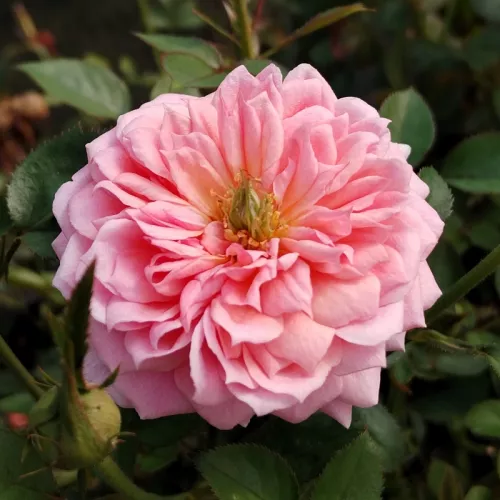
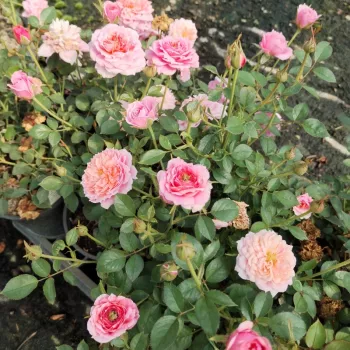
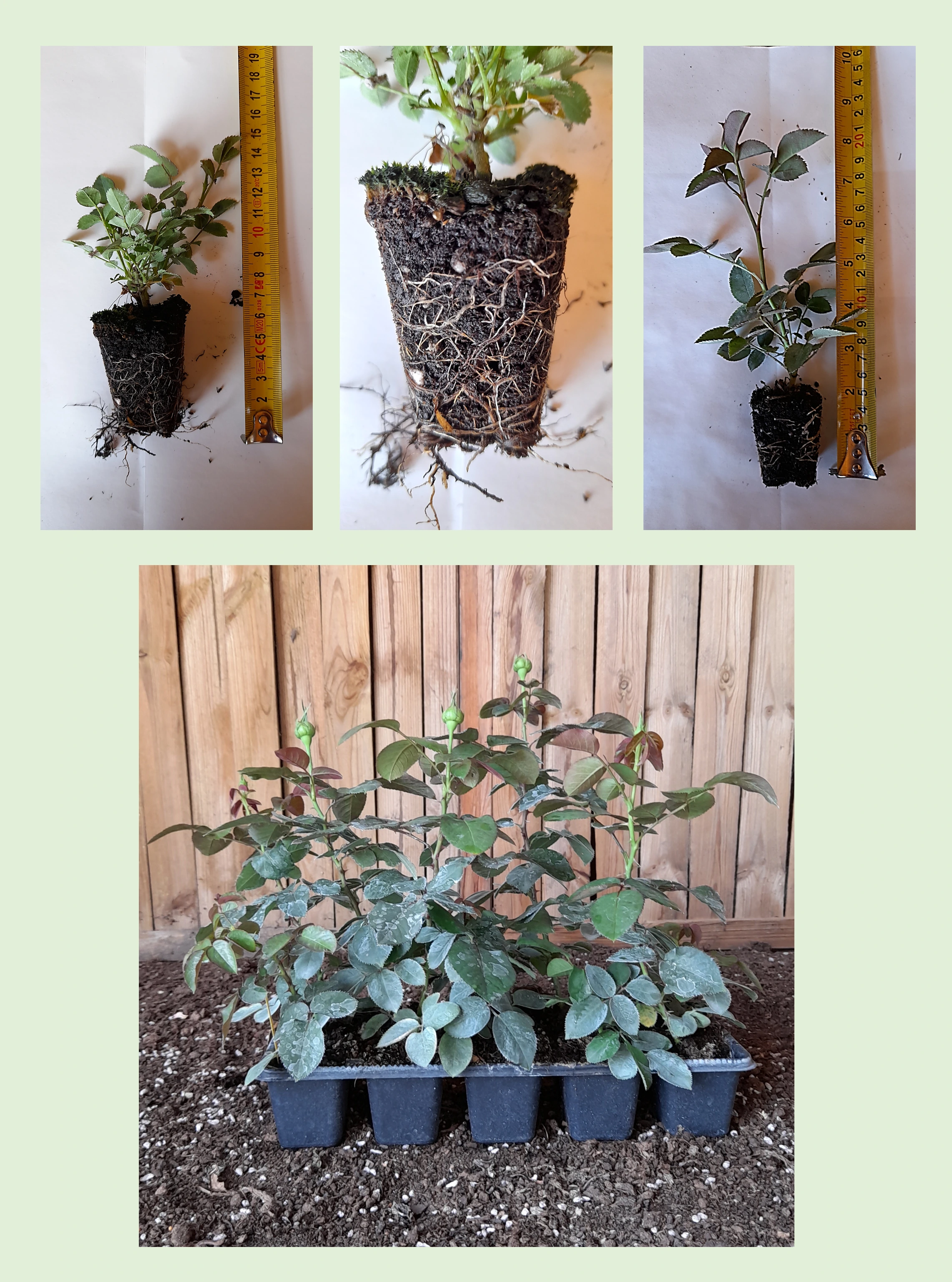
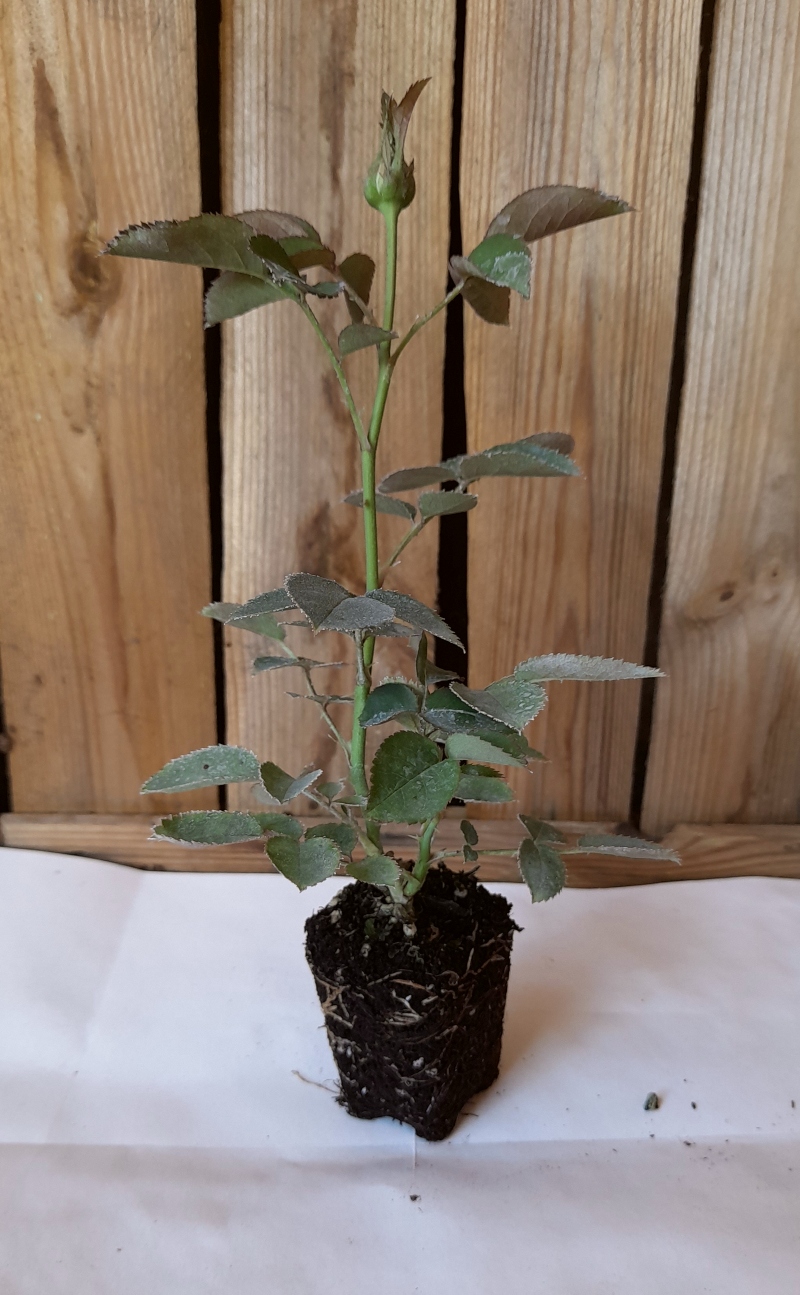
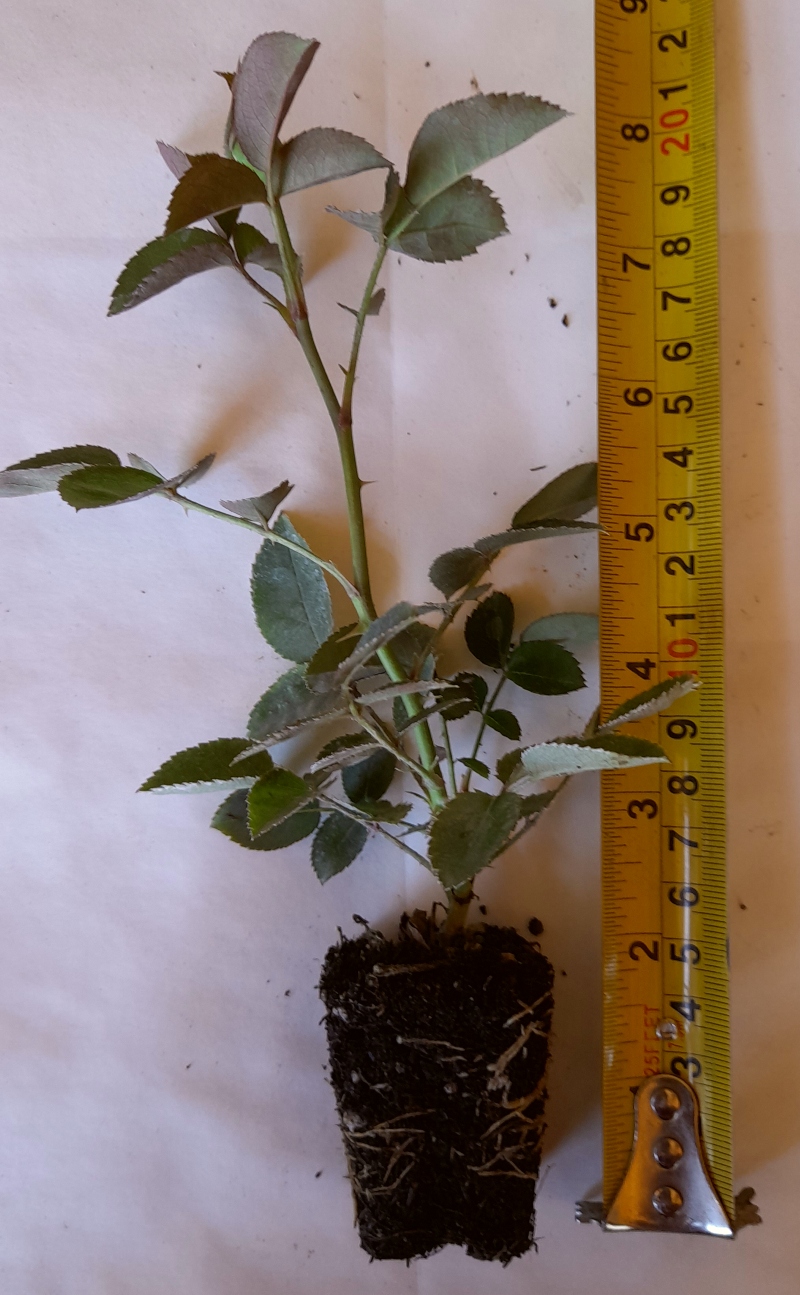
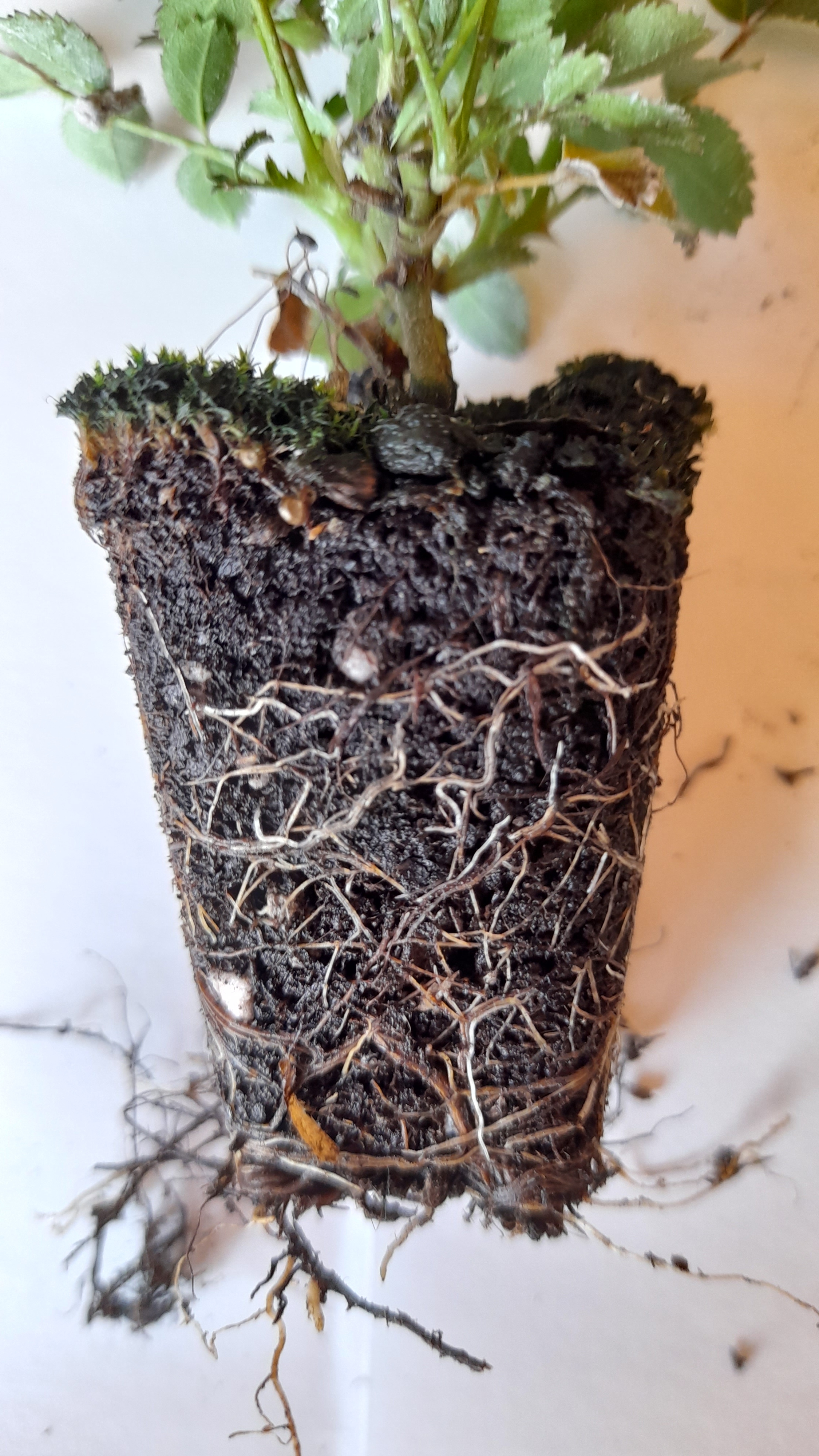
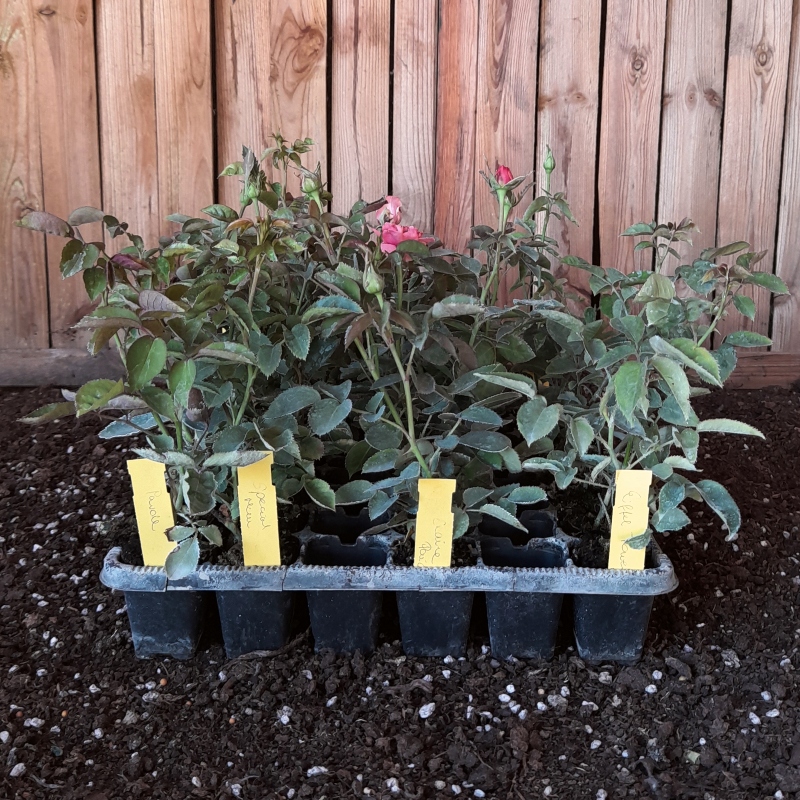
As a pharmaROSA® NEONATAL own-root propagation line, Parc de la Belle offers professional growers a vertically focused, space-defining climber option for nursery beds and containerised grow-on where stable, long-term stock matters. Its 3–6‑month tray-rooted, own-root cuttings provide a predictable base for staked, trained production, supporting a planned route into 5–7 L climber formats and, where required, eventual replanting to 40–50 litre final containers for high-impact collection pieces. The dark, glossy foliage and dense canopy give clear visual separation in retail and project lines, while remontant, double pink blooms with a medium, fruity fragrance underpin its positioning as an exclusive, space-defining speciality for vertical feature use in flowerbeds, pergolas, walls and urban green schemes. Own-root longevity and regenerative stability support homogeneous stands and low replacement over cycles typical of UK nursery and public-realm supply, benefiting from its ability to cope with wind and colder northern exposure in a way that suits extended project planting windows. Parc de la Belle aligns with thematic and collection-style rose gardens, allowing You to build distinctive vertical ranges from a consistent propagation platform, following the natural progression of stronger root establishment in year one, structural framework in year two and full ornamental expression from year three onwards.
Usage options
Finished-product ideas
- Premium 5–7 L trained climber – NEONATAL own-root cuttings grown on into 5–7 L containers with 3–5 staked canes, highlighting dense, glossy foliage and the defined climbing habit – retail / reseller premium climber benches.
- 40–50 L pergola feature unit – Up-potted, fully trained plants in 40–50 litre containers with a strong vertical framework, using own-root longevity to support long-term pergola and arch installations – landscape and public-realm specification supply.
- Collection-grade climber for themed gardens – Carefully selected, authentically verified batches grown on for colour-coordinated rose collections, focusing on pastel pink double blooms and the exclusive, space-defining character – show gardens and botanical collections.
- Private-label vertical accent line – Standardised, trained climbers from tray-rooted own-root material, positioned as a distinctive vertical garden feature within branded assortments – integrators and multi-site nursery programmes.
- Urban wall and façade climber – Production geared to robust, well-caned plants suitable for planting along walls and structures, combining climbing habit and remontant flowering for long-season visual value – urban greening and municipal projects.
Technical cultivar profile
| Parameter |
Data |
| Name and registration |
Current trade name Parc de la Belle Climbing rose Dittière, exhibition name Parc de la Belle; large-flowered climbing rose without a specified registered cultivar name, positioned as a climbing and rambling type. |
| Origin and breeding |
Bred in France by Jean-Pierre Dittière around 2005, associated with Roseraie Jardirose and Les Chemins de la Rose; initially distributed by Pépinières Jardirose and Pétales-de-Roses for climber use. |
| Awards and recognition |
not provided |
| Growth and structural characteristics |
Climbing habit reaching approximately 170–260 cm in height with 70–110 cm spread; dense, dark green, glossy foliage and moderate thorniness, suited to trained vertical frameworks on supports. |
| Flower morphology |
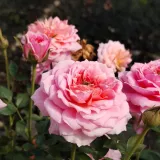
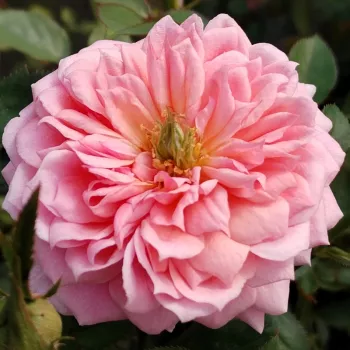
Double flowers with 26–39 petals, large-sized (about 2.75–3.95 inches), mainly solitary blooms with ball to pompon form; remontant with an abundant second flush for extended ornamental interest. |
| Colour data and phenology |
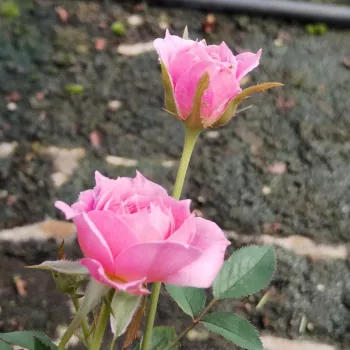
Soft pink petals with a subtly warm tone, coded ARS LP, RHS 65B outer and 65C inner; colour lightens gradually and may fade in strong sunlight, with overall good retention under normal conditions. |
| Fragrance and aroma |
Medium-strength, clearly perceptible fragrance with a fresh, fruity character; primarily valued as an ornamental climber rather than for fragrance extraction, but fragrance adds to end-product appeal. |
| Hip characteristics |
Due to the double flower form, hips are generally scarce; when present, they are small spherical fruits about 10–14 mm across, red RHS 45A, forming only occasionally and not a primary feature. |
| Resistance and winter hardiness |
Disease resistance is relatively weak, with high sensitivity to powdery mildew and rust and moderate black spot tolerance; winter hardiness around −21 to −18 °C, RHS H7, suitable for USDA zone 6b and Swedish zone 3. |
| Horticultural recommendations |
Best used as a trained climber for flowerbeds, parks, urban green spaces, pergolas, walls and solitary specimens; maintenance needs are high with regular pest and disease control required and attentive cultural management. |
Parc de la Belle Climbing rose Dittière offers dense foliage, defined climbing structure and remontant pastel flowering on a durable own-root base that supports predictable, regenerating stands for vertical feature lines; please contact us to coordinate volumes and scheduling.