Climbing rose

20-323-1
20-323-2

Parc de la Belle

Climbing rose

- – Jean -Pierre Dittière

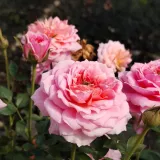
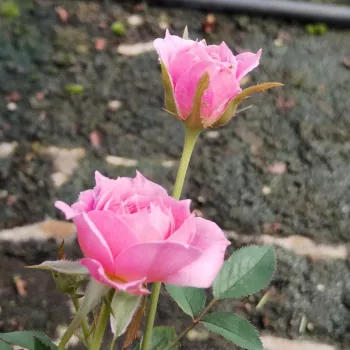
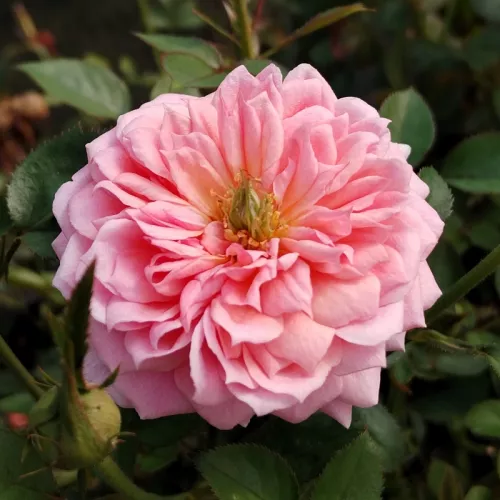
Petals in a delicate, soft pink hue with a subtly warm tone. The colour gradually lightens as the flower matures. - climbing rose, rambling rose - medium-strength, clearly scented rose - fresh, fruity aroma

– Elegant Parc de la Belle pastel pink blooms
– Abundant double flowers with pompon charm
– Reliable remontant flowering through the season
– Glossy, dark green foliage for rich backdrop
– Hardy climber for pergolas, walls and arches
– Special feature: Creates an exclusive, space‑defining vertical accent in gardens and urban spaces.
Exclusive, space-defining – specialty
Parc de la Belle
pharmaROSA® NEONATAL rooted rose cutting
29,40 £
Due to courier service regulations – and the introduction of customs clearance – delivery to Ireland is temporarily suspended.
3 (3297)
facebook   twitter

PARC DE LA BELLE – pink climbing rose – Dittière

As a pharmaROSA® NEONATAL own-root propagation line, Parc de la Belle offers professional growers a vertically focused, space-defining climber option for nursery beds and containerised grow-on where stable, long-term stock matters. Its 3–6‑month tray-rooted, own-root cuttings provide a predictable base for staked, trained production, supporting a planned route into 5–7 L climber formats and, where required, eventual replanting to 40–50 litre final containers for high-impact collection pieces. The dark, glossy foliage and dense canopy give clear visual separation in retail and project lines, while remontant, double pink blooms with a medium, fruity fragrance underpin its positioning as an exclusive, space-defining speciality for vertical feature use in flowerbeds, pergolas, walls and urban green schemes. Own-root longevity and regenerative stability support homogeneous stands and low replacement over cycles typical of UK nursery and public-realm supply, benefiting from its ability to cope with wind and colder northern exposure in a way that suits extended project planting windows. Parc de la Belle aligns with thematic and collection-style rose gardens, allowing You to build distinctive vertical ranges from a consistent propagation platform, following the natural progression of stronger root establishment in year one, structural framework in year two and full ornamental expression from year three onwards.


Usage options

Target area Reasoning
Nursery propagation beds for vertical framework stock Dense, dark green foliage and a defined climbing habit make Parc de la Belle straightforward to structure in propagation beds aimed at future trained climber production. Using tray-rooted, 3–6‑month own-root cuttings allows You to standardise staked, 3–5 cane training early, with a clear route into 5–7 L formats for later up-potting toward 40–50 litre feature specimens. As own-root material, long lifespan and regenerative capacity help maintain homogeneous mother blocks supporting an exclusive, vertical garden feature line for nursery and wholesale partners.
Container grow-on for trained climber finished products The consistent height potential (around 170–260 cm) and climbing framework suit systematic training in 5–7 L pots, delivering a recognisable “ready-to-guide” climber form. Tray-grown NEONATAL cuttings integrate easily into container production schedules, including staking and tying workflows. The goal is a trained climber finished product with a distinctive, vertical habit that fits premium retail and reseller expectations for exclusive, space-defining climbers. This supports a clear premium silver tier in retail-oriented nursery production.
Vertical accents in thematic and collection rose gardens The pastel pink, double, ball-shaped flowers and glossy foliage adapt well to thematic planting concepts, where colour harmony and structure matter more than mass landscaping. Using own-root NEONATAL material ensures genetic identity and long-term sustainability for collection-style plantings, including pergolas and walls. Production routed through trained climber stock in 5–7 L and larger containers offers curators dependable, repeatable units for curated schemes that emphasise vertical garden features in show and collection projects.
High-impact specimens for pergola and wall applications Height and spread lend themselves to pergola posts and wall greening where a single, well-trained plant must fill a defined vertical space. By building a strong cane framework in nursery production (staked, trained, 3–5 main canes) and then shifting into 40–50 litre containers, You can offer landscape-ready specimens. The own-root base supports long-term regeneration after pruning and project stress, ideal for clients seeking a distinctive habit and vertical garden feature value in public-realm and institutional supply.
Urban green space and park plantings (special accent zones) Parc de la Belle’s remontant flowering and clear, pastel pink colour make it suitable for focal points in parks and urban green schemes, where vertical elements break up hard surfaces. While disease management input is higher, professional maintenance regimes can accommodate the required regular pest and disease control. NEONATAL own-root material helps maintain stand stability over years, supporting predictable capacity for trained climber finished products targeted to exclusive, space-defining accent roles in municipal and landscape contracts.
Retail/reseller premium climber assortment As an “exclusive, space-defining – specialty” cultivar, Parc de la Belle is well suited to a curated premium climber range. Its medium, fruity fragrance and soft pink blooms offer clear point-of-sale differentiation when presented as trained climbers in 5–7 L pots. Tray-rooted own-root cuttings help maintain batch uniformity, supporting consistent bench presentation and lower replacement rates. This underpins a reliable supply of distinctive vertical garden features for independent garden-centre channels.
Private-label vertical feature lines With its combination of pastel pink, double flowers and defined climbing habit, Parc de la Belle adapts well to private-label branding focused on vertical accents. Propagation via NEONATAL own-root cuttings gives You a controllable supply base for ongoing campaigns, integrating into trained climber production routes and 5–7 L target pots. Its capacity to handle cooler, wind-exposed northern conditions supports nationwide programmes where consistent vertical feature performance is required for integrated nursery networks.
Collection maintenance and cultivar conservation blocks Unknown parentage and French breeding history make this cultivar a candidate for collection maintenance and conservation stands, where identity and traceability matter. Own-root NEONATAL material, with verified authenticity and premium silver rating, provides a stable base for long-term stock plants, even when higher maintenance is needed due to disease sensitivity. The natural development from root establishment, through framework building, to full ornamental output aligns well with structured collection planning for botanical and specialist gardens.

Finished-product ideas

  • Premium 5–7 L trained climber – NEONATAL own-root cuttings grown on into 5–7 L containers with 3–5 staked canes, highlighting dense, glossy foliage and the defined climbing habit – retail / reseller premium climber benches.
  • 40–50 L pergola feature unit – Up-potted, fully trained plants in 40–50 litre containers with a strong vertical framework, using own-root longevity to support long-term pergola and arch installations – landscape and public-realm specification supply.
  • Collection-grade climber for themed gardens – Carefully selected, authentically verified batches grown on for colour-coordinated rose collections, focusing on pastel pink double blooms and the exclusive, space-defining character – show gardens and botanical collections.
  • Private-label vertical accent line – Standardised, trained climbers from tray-rooted own-root material, positioned as a distinctive vertical garden feature within branded assortments – integrators and multi-site nursery programmes.
  • Urban wall and façade climber – Production geared to robust, well-caned plants suitable for planting along walls and structures, combining climbing habit and remontant flowering for long-season visual value – urban greening and municipal projects.

Technical cultivar profile
Parameter Data
Name and registration Current trade name Parc de la Belle Climbing rose Dittière, exhibition name Parc de la Belle; large-flowered climbing rose without a specified registered cultivar name, positioned as a climbing and rambling type.
Origin and breeding Bred in France by Jean-Pierre Dittière around 2005, associated with Roseraie Jardirose and Les Chemins de la Rose; initially distributed by Pépinières Jardirose and Pétales-de-Roses for climber use.
Awards and recognition not provided
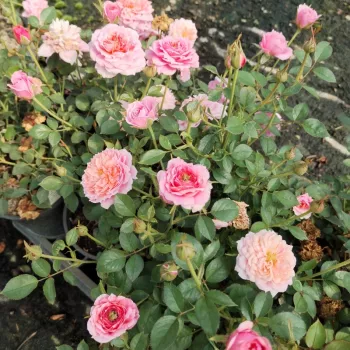
Growth and structural characteristics Climbing habit reaching approximately 170–260 cm in height with 70–110 cm spread; dense, dark green, glossy foliage and moderate thorniness, suited to trained vertical frameworks on supports.
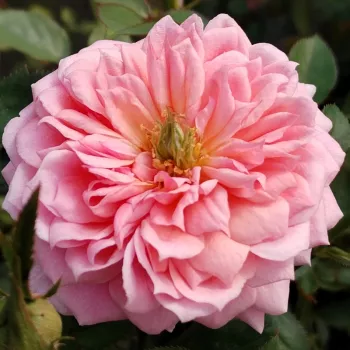
Flower morphology Double flowers with 26–39 petals, large-sized (about 2.75–3.95 inches), mainly solitary blooms with ball to pompon form; remontant with an abundant second flush for extended ornamental interest.
Colour data and phenology Soft pink petals with a subtly warm tone, coded ARS LP, RHS 65B outer and 65C inner; colour lightens gradually and may fade in strong sunlight, with overall good retention under normal conditions.
Fragrance and aroma Medium-strength, clearly perceptible fragrance with a fresh, fruity character; primarily valued as an ornamental climber rather than for fragrance extraction, but fragrance adds to end-product appeal.
Hip characteristics Due to the double flower form, hips are generally scarce; when present, they are small spherical fruits about 10–14 mm across, red RHS 45A, forming only occasionally and not a primary feature.
Resistance and winter hardiness Disease resistance is relatively weak, with high sensitivity to powdery mildew and rust and moderate black spot tolerance; winter hardiness around −21 to −18 °C, RHS H7, suitable for USDA zone 6b and Swedish zone 3.
Horticultural recommendations Best used as a trained climber for flowerbeds, parks, urban green spaces, pergolas, walls and solitary specimens; maintenance needs are high with regular pest and disease control required and attentive cultural management.

Parc de la Belle Climbing rose Dittière offers dense foliage, defined climbing structure and remontant pastel flowering on a durable own-root base that supports predictable, regenerating stands for vertical feature lines; please contact us to coordinate volumes and scheduling.
Detailed product attributes

Product Identification Data

Product Name: PARC DE LA BELLE – pink climbing rose - Dittière
Product Type: pharmaROSA® NEONATAL - rooted rose cutting
Cultivar Authenticity: Verified:23.09.2025
Cultivar Quality Rating: premium silver
Item Number: [1148] 20-323 (14.02.2026) pharmarosaneonatal.co.uk

Name and Registration

Meaning of Cultivar Name: The name derives from the Parc de la Belle botanical park in the Poitou region of France.
Cultivar Synonym: Jardibelle
Original Trade Name: Jardibelle
Current Trade Name: Parc de la Belle Climbing rose Dittière
Rose Group: Climber, Large -Flowered Climber
Commercial Type: climbing rose, rambling rose
Commercial Group: Climbing rose
Exhibition Category: climbing rose
Collection: Climbing rose

Origin and Breeding

Initial Distributor: Pépinières Jardirose (France); Pétales -de -Roses (France)
Registration Year: Data not available
Breeder: Jean -Pierre Dittière
Breeding Company / Institution: Roseraie Jardirose; Les Chemins de la Rose
Breeding Year: France, 2005
Parentage: unknown

Growth and Structural Characteristics

Height: 5.6-8.5ft (170-260 cm)
Spread: 2.3-3.6ft (70-110 cm)
Growth Habit: climbing
Foliage: The variety has dense foliage. Its leaves have a glossy surface and a dark green shade (RHS N137A).
Prickliness: moderately thorny
Self-Cleaning Description: Most spent blooms largely remain on the plant and require subsequent cleaning.

Self-Cleaning Intensity: weak self-cleaning

Flower Morphology

Petal Count: 26-39
Flower Fullness: double-flowered
Flower Shape: ball, pompon
Flower Size: L (2,75-3,95 in)
Inflorescence Type: solitary
Colour Code: ARS code: LP RHS code: 65B (outer), 65C (inner)
Repeat Flowering: It is remontant and its second flowering is also abundant.

Colour Data and Phenology

Colour: pink
Flower Colour Description: Petals in a delicate, soft pink hue with a subtly warm tone. The colour gradually lightens as the flower matures.
Closed Bud: Mid-pink with a silky sheen, slightly darker at the tip.
Newly Opened Flower: Uniform mid-pink, with a subtle warm tone on the outer petal whorls.
Full Bloom: Pale pink, with a delicate pastel sheen at the centre of the petals.
Before Fading: Soft, almost powder-pink hue with creamy fading in places.
Colour Fading Description: The pink tone fades over time and in strong sunlight.

Fragrance and Aroma

Fragrance Strength: medium-strength, clearly scented rose
Fragrance Character: fresh, fruity aroma
Pollinator Attraction: Its highly double flower form makes it less attractive to pollinators because the stamens are largely obscured and therefore less accessible.
Pollinator-Friendly Rating: Its double flowers partially cover the stamens, so its pollinator-friendliness is limited; primarily an ornamental variety.

Hip Characteristics

Hip Shape: spherical
Hip Colour: red (RHS 45A)
Hip Comment: Because of its double flowers, rose hip production is generally scant; it occasionally produces globular, red (RHS 45A) hips 10–14 mm in diameter.

Resistance and Hardiness

Hardiness (°C): -21–-18 °C
Heat and Drought Tolerance Description: No explicit data; according to descriptions, it tolerates heat well and withstands moderate drought.
Disease Resistance: sensitive
  • powdery mildew – very sensitive
  • black spot – moderate
  • rust – very sensitive

Horticultural Recommendations

Recommended product path: Trained climber finished product
Release form: Staked, trained (3–5 main canes)
Recommended use: Maintenance requirement high; low disease resistance, requires regular pest and disease control and increased attention.
Primary Uses: flowerbed, park, urban green space, pergola, wall, solitary specimen

Comments

Positioning: Exclusive, space-defining – specialty
Target customer/channel: Retail / reseller
Main value proposition: Vertical garden feature, distinctive habit
PARC DE LA BELLE – pink climbing rose - Dittière
Petals in a delicate, soft pink hue with a subtly warm tone. The colour gradually lightens as the flower matures. - climbing rose, rambling rose - medium-strength, clearly scented rose - fresh, fruity aroma
Rose Shopping Online - pink - medium-strength, clearly scented rose - Parc de la Belle - climbing rose, rambling rose - (5.6-8.5ft (170-260 cm))
Inflorescence: solitary Height: 5.6-8.5ft (170-260 cm) Flower shape: ball, pompon Winter hardiness: 5b pink - Pépinières Jardirose (France); Pétales -de -Roses (France) climbing rose, rambling rose - Flower size: L (2,75-3,95 in) Flower size: L (2,75-3,95 in) - Height: 5.6-8.5ft (170-260 cm) Height: 5.6-8.5ft (170-260 cm) - Flower fullness: double-flowered Parc de la Belle - Roses in the garden | pharmaROSA® Neonatal - premium silver Jean -Pierre Dittière

We showcase the external appearance of the roses available for online purchase from our webshop.


Which product type is right for you?


PharmaRosa® NEONATAL is the cost‑effective starting point for rose product production.

As a uniform, own‑rooted propagation material, it provides a stable basis for further growing-on and can be integrated flexibly into different finished product production technologies.
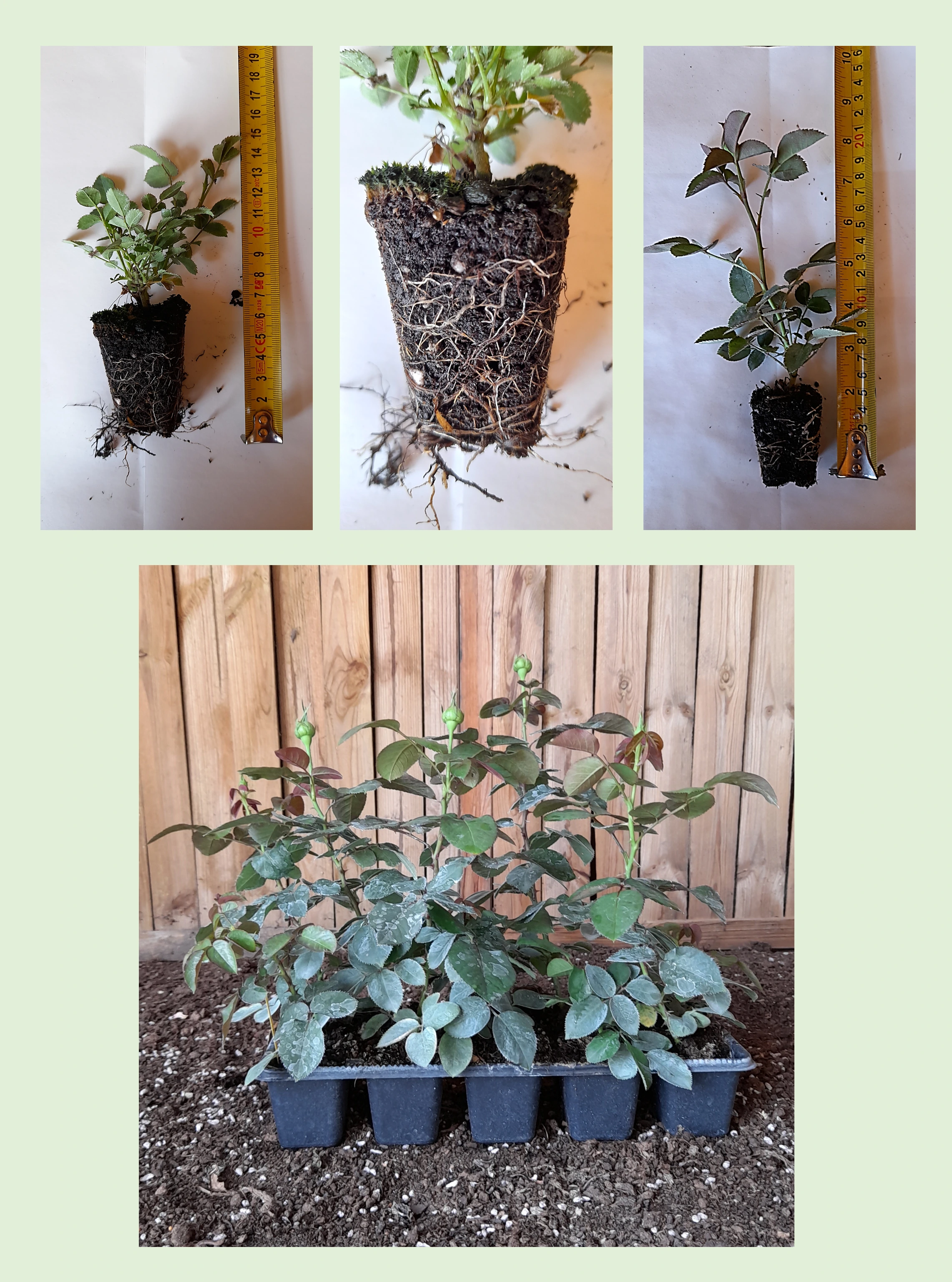
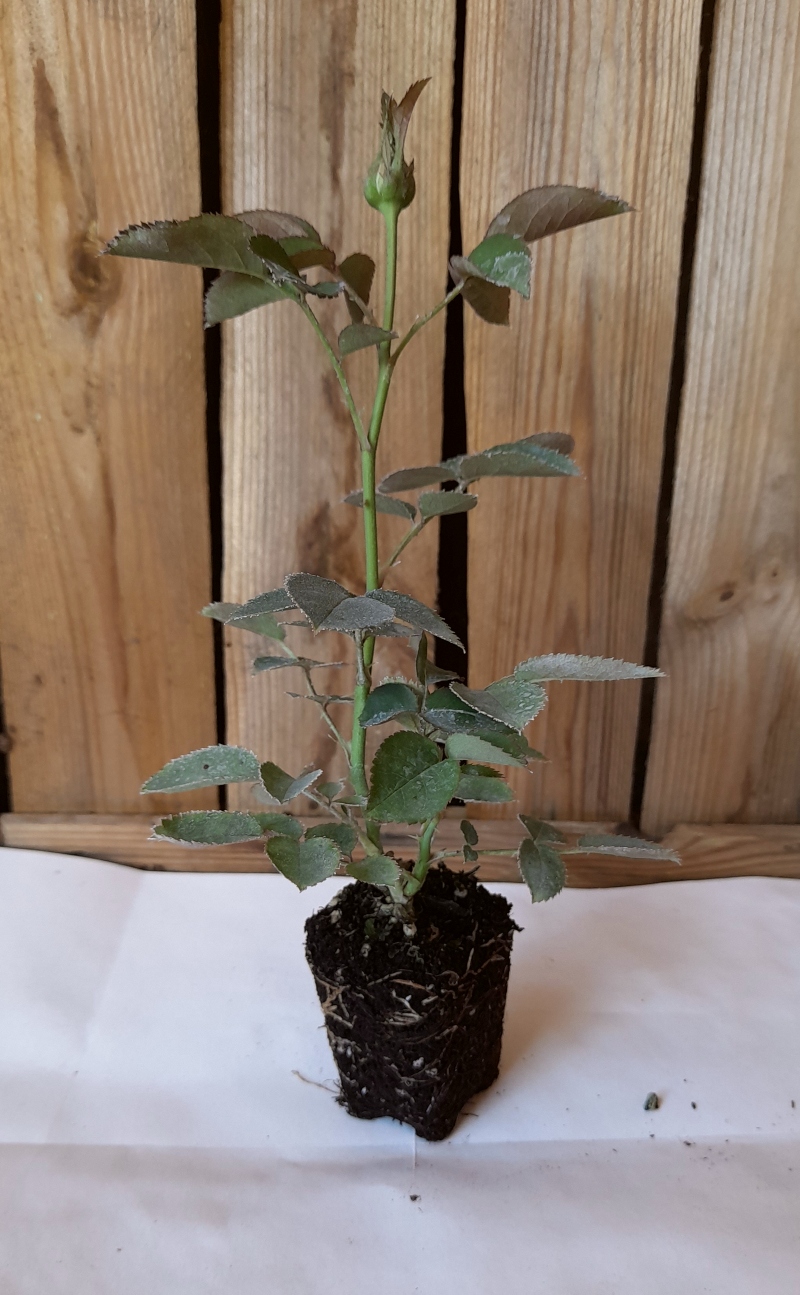
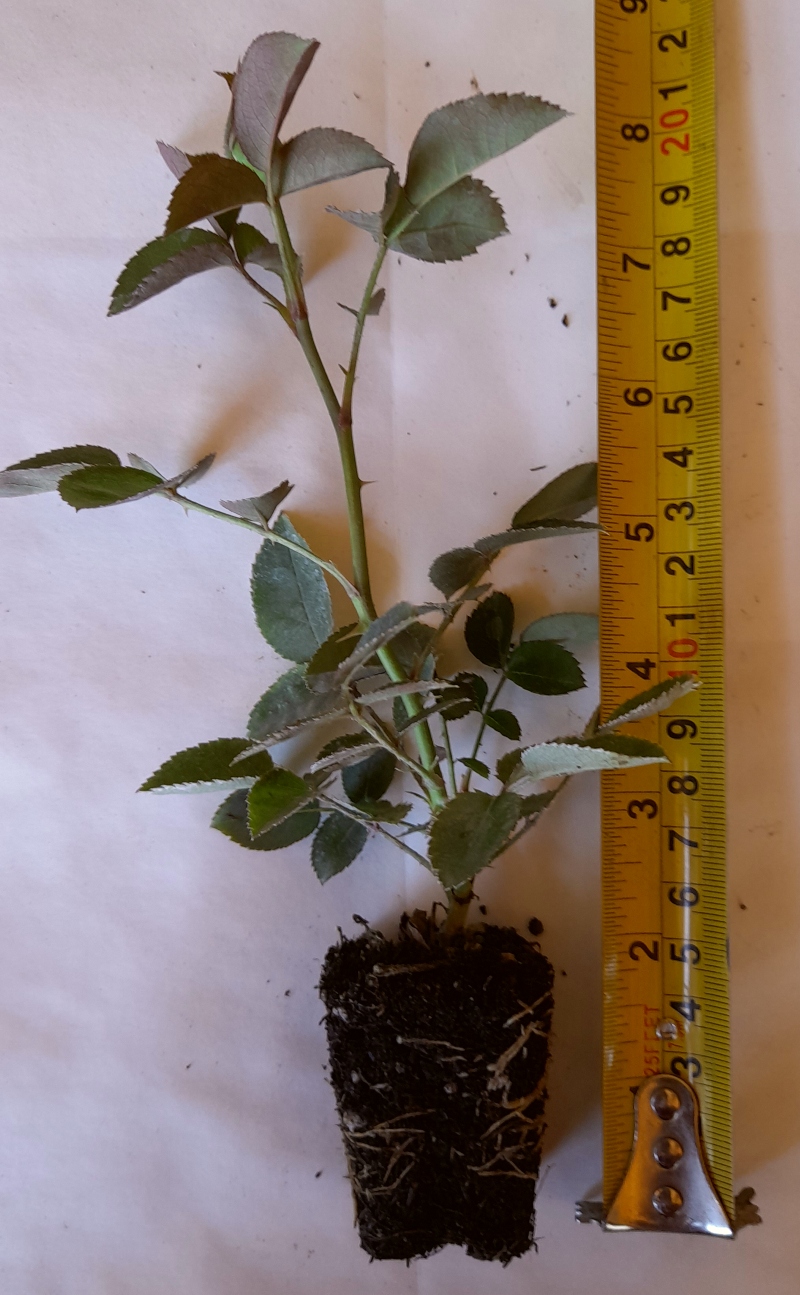
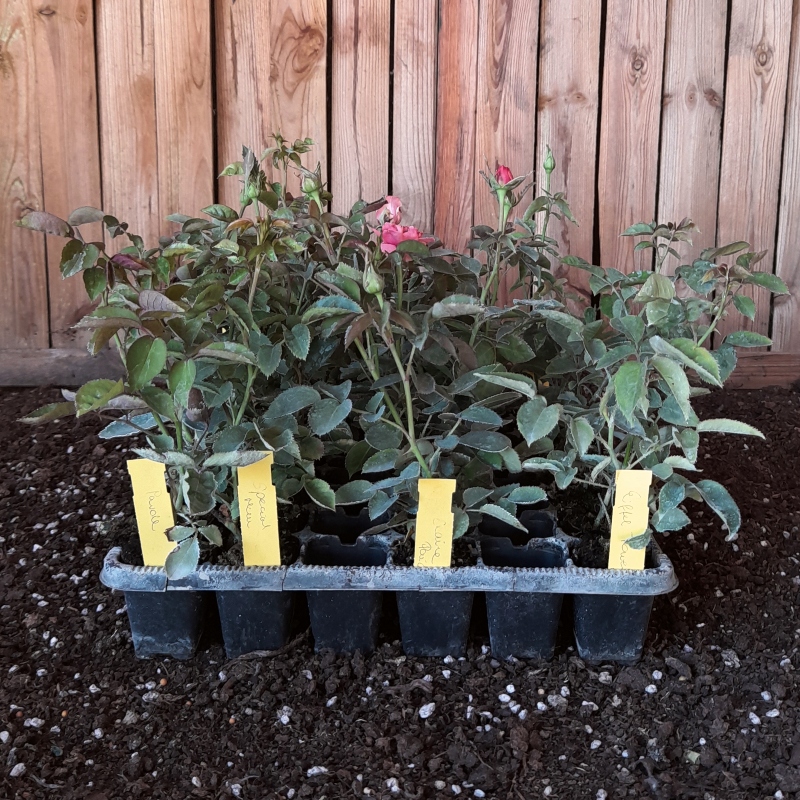
Rooted in trays (rooted), 3–6‑month‑old, own‑rooted rose cutting.

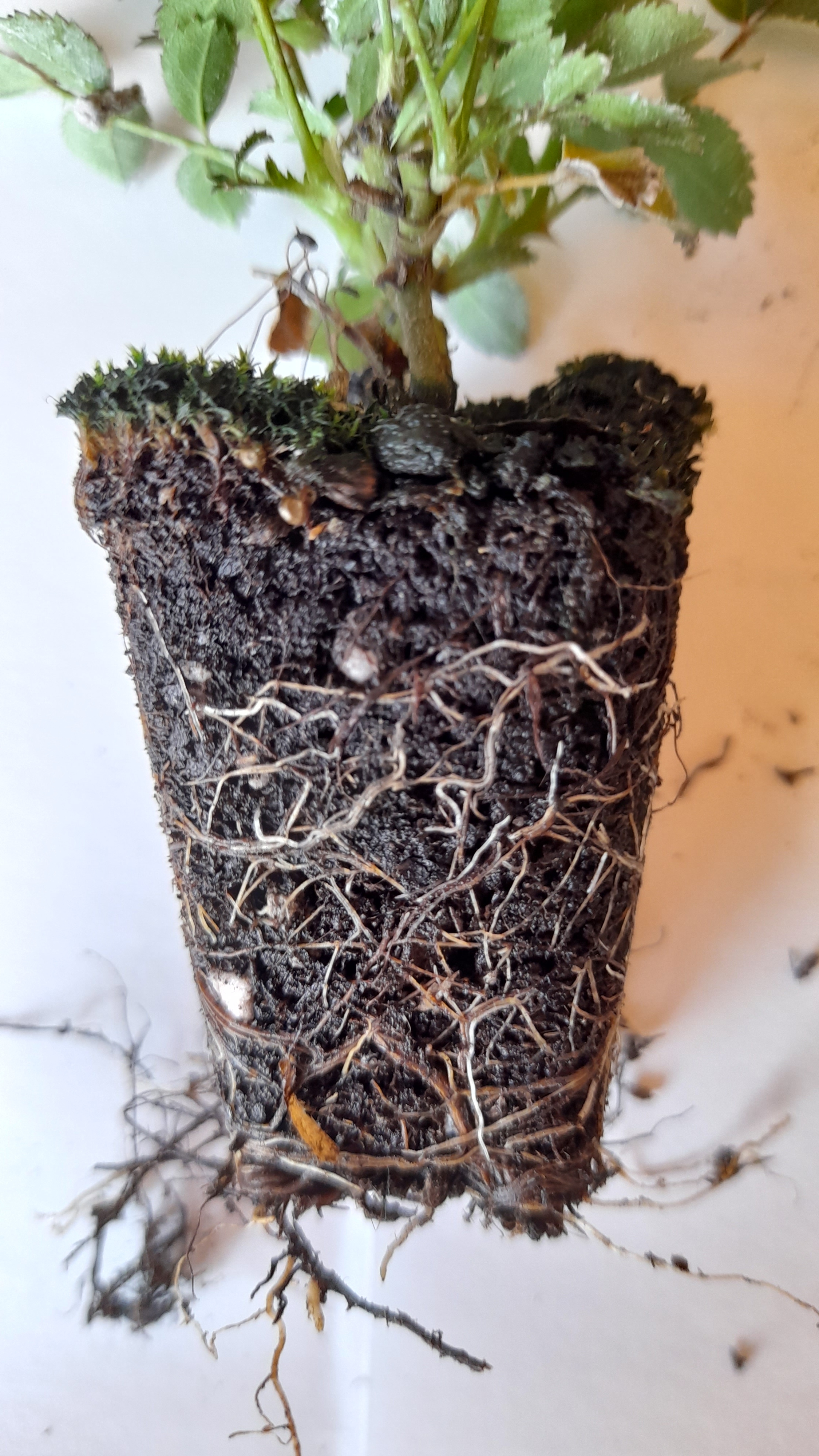
Uniform developmental stage, with a root system that has thoroughly penetrated the plug.
For professional growing‑on.
Tray packaging: 10 pcs/tray.
Quality and varietal identity: production supported by a dedicated identification and traceability logic.
Can be transplanted during frost‑free periods, designed for finished product production.

PharmaRosa® NEONATAL provides a controlled, uniform starting stock for planned growing‑on that can be integrated into your own technology – especially where scheduling and varietal identity are paramount.


PharmaRosa® NEONATAL own-rooted rose propagation material in a plug, with a root system penetrating the plug (semi-finished product / semi-finished rose). PharmaRosa® NEONATAL rose propagation material size: 3–6‑month‑old, own-rooted cutting with a uniform developmental stage. PharmaRosa® NEONATAL rose propagation material root system: plug densely penetrated by well-developed white roots (root system detail). PharmaRosa® NEONATAL tray stock: own-rooted rose propagation material in trays, uniform developmental stage (10 pcs/tray).

Captions (from left to right): Semi-finished product (NEONATAL own-rooted rose propagation material in a plug with a fully developed root system) • Size demonstration (3–6‑month‑old, uniform cutting) • Root system detail (plug penetrated by the root system) • Tray stock (10 pcs/tray, uniform developmental stage)

pharmarosaneonatal.hupharmarosaneonatal.atpharmarosaneonatal.co.ukpharmarosaneonatal.czpharmarosaneonatal.depharmarosaneonatal.ropharmarosaneonatal.sipharmarosaneonatal.skpharmarosaneonatal.itpharmarosaneonatal.frpharmarosaneonatal.nlpharmarosaneonatal.plpharmarosaneonatal.lupharmarosaneonatal.ptpharmarosaneonatal.espharmarosaneonatal.ltpharmarosaneonatal.sepharmarosaneonatal.lvpharmarosaneonatal.eepharmarosaneonatal.fi

Which product type is right for you?

Pages for private customers
Garden roses for the family garden, with minimal care  → ORIGINAL®
Premium garden roses – instant impact, a truly showpiece garden  → EXTRA®
Pages for professionals and private customers
Roses for public spaces – large areas, sustainable maintenance  → NATURAL®
Roses for projects – hedge and row planting, fast implementation  → RAPID®
For professional partners only
Production – propagation material for garden roses, wholesale  → NEONATAL®

Company details

PharmaRosa Ltd.
Company registration number: 01-09-717479
VAT number: 13075314-2-43
Plant health registration no.: HU130721
Bank account (IBAN):
HU85117631891388688400000000
BIC (SWIFT): OTPVHUHB
Bank name: OTP Bank Nyrt.