Hybrid tea rose

20-052-1
20-052-2

Pascali®

Hybrid tea rose

LENip – Louis Lens

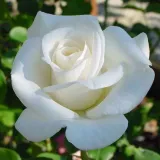
Uniform white base colour with a slight ivory tint. - hybrid tea rose - mild, softly scented rose - slightly sweet character

– Elegant, high-centred blooms for show gardens.
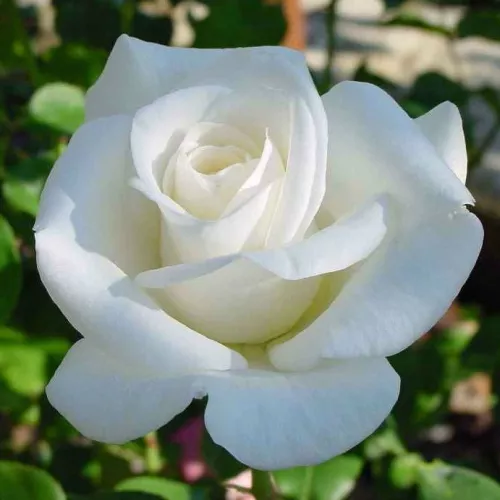
– Snow-white flowers with subtle ivory tones.
– Mild, slightly sweet, classic rose fragrance.
– Proven award-winner, World’s Favourite Rose.
– Good hardiness to about −20 °C winters.
Special feature: Ideal cut rose with long, straight stems and refined form.
Exclusive finished product
Pascali®
pharmaROSA® NEONATAL rooted rose cutting
28,34 £
Due to courier service regulations – and the introduction of customs clearance – delivery to Ireland is temporarily suspended.
5 (9908)
facebook   twitter

Pascali® Hybrid tea rose LENip – pharmaROSA® NEONATAL rooted cutting

Pascali from pharmaROSA® NEONATAL provides professional growers with own-root, tray-grown material for premium 5–7 L containers and exclusive retail ranges where flower quality and high-centred exhibition form are central. As an upright hybrid tea with 3–5 strong framework canes, it structures nursery beds efficiently and moves cleanly through cutting, lining-out and potting stages, supporting predictable scheduling for premium wholesale and private-label offers. Its remontant, large, fully double, snow-white blooms with a delicate ivory centre bring reliable cut-flower and solitary specimen presentation, while own-root durability supports long-term collection and park projects in UK climates with dependable winter and wind tolerance in exposed northern sites, enhancing continuity in thematic rose gardens. Planned as a stable own-root base, it aligns with Year 1 root establishment, Year 2 structural shoot build-up and Year 3 full ornamental value.


Usage options

Target area Reasoning
Premium 5–7 L patio and feature containers Remontant, large, fully double, high-centred flowers give strong perceived value in the recommended premium container route, aligning neatly with a 5–7 L target pot and medium-maintenance profile. Own-root longevity and stability support reliable merchandising for exclusive finished product lines aimed at retail.
Cut-flower and exhibition hybrid tea production The pointed-budded, high-centred hybrid tea form, bred for cut and exhibition use, supports consistent stem quality from bush-trained plants with 3–5 strong canes, particularly in premium container or bed systems. Own-root stands underpin predictable stem grades and continuity for specialist show and cut-flower assortments positioned as exhibition.
Solitary specimen focal points in parks and gardens Upright habit, moderately dense dark green foliage and large solitary blooms allow Pascali® to present as a clear focal point in solitary and park plantings. Own-root structure provides long lifespan and regeneration after pruning, supporting low replacement rates and dependable displays in exclusive focal-plant ranges for projects.
Thematic and collection rose gardens As a Hall of Fame World’s Favourite Rose with multiple international medals, Pascali® strengthens curated collections where cultivar identity and continuity matter. Own-root propagation facilitates stable, homogeneous stands over many years, valuable for thematic white-rose sections and named-collection schemes serving specialist collections.
Nursery propagation beds for own-root stock build-up Tray-rooted NEONATAL material integrates efficiently into nursery beds for scaling own-root stock, benefiting from medium disease resistance and an H7 hardiness rating that performs well in colder regions with good winter and wind tolerance. This underpins secure mother-block and liner production for partners supplying wider nursery networks.
Park and public-realm rose plantings Medium maintenance with occasional plant protection, plus remontant flowering and good colour holding in strong sun, makes Pascali® suitable for representative beds in parks and institutional settings. Own-root durability and regeneration support budget control via reduced replacement in public-realm specifications channelled through contractors.
Premium white hybrid tea ranges for resellers Uniform white to ivory blooms with mild, softly sweet fragrance offer a recognisable, saleable colour class for branded white-rose blocks. The recommended premium container route and 5–7 L presentation allow clear segmentation as an exclusive finished product, giving wholesalers a dependable anchor SKU for quality-led resellers.
Collection and gene-bank style maintenance plantings Verified authenticity and a documented introduction history (Lens Roses, 1963) make Pascali® suitable for long-term cultivar maintenance, whether in small gene-bank blocks or living collections. Own-root stands secure identity and renewal over time, supporting curatorial and conservation aims within institutional and specialist gardens.

Finished-product ideas

  • Premium 5–7 L white hybrid tea – bush-trained Pascali® in 5–7 L pots, emphasising high-centred, large, remontant blooms as an exclusive white feature rose – target audience/channel: branded garden centre and nursery retail assortments.
  • Exhibition cut-rose line – own-root field or tunnel-grown bushes selected for long, straight stems and pointed buds, aligned with premium cut-flower and show use – target audience/channel: specialist cut-flower growers and exhibition-focused resellers.
  • Park specimen container – larger 40–50 L containers using upright, 3–5 cane framework for immediate impact in public or corporate landscapes – target audience/channel: local authorities, landscape contractors and public-realm supply chains.
  • Hall of Fame collection piece – Pascali® positioned within curated rose collections that highlight award-winning cultivars, supplied as uniform own-root bushes – target audience/channel: show gardens, visitor attractions and specialist rose gardens.
  • White thematic bed component – batches of homogeneous, own-root Pascali® for white or light-toned mixed beds, leveraging remontant flowering and colour stability – target audience/channel: nurseries assembling pre-planned bed concepts for project-driven buyers.

Technical cultivar profile
Parameter Data
Name and registration Hybrid tea rose, registered as LENip, traded as Pascali® Hybrid tea rose LENip; ARS exhibition name Pascali; commercial type and group hybrid tea for cut flower and exhibition use.
Origin and breeding Bred by Louis Lens, Lens Roses, Belgium, from ‘Queen Elizabeth’ × ‘White Butterfly’; bred, introduced and registered in 1963, with initial distribution handled by Lens Roses in Belgium.
Awards and recognition RNRS Certificate of Merit 1963, The Hague Gold Medal 1963, Portland Gold Medal 1967, All-America Rose Selections 1969, and Rose Hall of Fame World’s Favourite Rose distinction in 1991.
Growth and structural characteristics Upright habit, 95–125 cm height and 75–105 cm spread, moderately thorny, with moderately dense, slightly glossy dark green foliage; release form bush-trained with 3–5 strong framework canes for structure.
Flower morphology Large, fully double flowers (26–39 petals), solitary on stems, with high-centred, pointed-budded form typical of exhibition hybrid teas; repeat flowering with abundant second flush for extended display.
Colour data and phenology Uniform white petals with a slight ivory tint; creamy at petal base on opening, then pure white, holding colour well in strong sunlight; later taking on a pale beige tone as blooms age before senescence.
Fragrance and aroma Mild, softly scented rose fragrance with a slightly sweet character; double blooms with 26–39 petals partially cover stamens, giving primarily ornamental value with limited pollinator attraction in plantings.
Hip characteristics Occasional ellipsoidal hips, 10–14 mm diameter, orange-red when mature; decorative potential modest but present, not a primary ornamental feature and generally secondary to the cut-flower style blooms.
Resistance and winter hardiness Medium overall disease resistance; resistant to powdery mildew and black spot, medium against rust; H7 hardiness, USDA zone 6b, Swedish zone 3, tolerates heat but needs watering in prolonged drought.
Horticultural recommendations Suitable for flower beds, cut-flower production, solitary specimens and park use; medium maintenance with occasional plant protection; best routed via premium containers, typically 5–7 L target pot size.

Pascali® Hybrid tea rose LENip offers award-backed flower quality, strong bush structure and reliable remontant performance on a predictable own-root base, making it a sound candidate for discussion when planning capacities and schedules.
Detailed product attributes

Product Identification Data

Product Name: PASCALI® – white hybrid tea rose - Lens
Product Type: pharmaROSA® NEONATAL - rooted rose cutting
Cultivar Authenticity: Verified:05.11.2025
Cultivar Quality Rating: premium bronze
Item Number: [121] 20-052 (14.02.2026) pharmarosaneonatal.co.uk

Name and Registration

Cultivar Synonym: Blanche Pasca
Original Trade Name: Pascali®
Current Trade Name: Pascali® Hybrid tea rose LENip
Rose Group: Hybrid Tea
Commercial Type: hybrid tea rose
Commercial Group: Hybrid tea rose
Exhibition Category: cut flower; exhibition hybrid tea
Collection: Hybrid tea rose

Origin and Breeding

Initial Distributor: Lens Roses (Belgium)
Breeder: Louis Lens
Breeding Company / Institution: Lens Roses (Belgium)
Breeding Year: Belgium, 1963
Parentage: ‘Queen Elizabeth’ × ‘White Butterfly’

Awards and Honours

Global and Lifetime Awards: World’s Favourite Rose — Rose Hall of Fame (1991)
Competition and Show Awards: RNRS Certificate of Merit (1963); The Hague – Gold Medal (1963); Portland Gold Medal (1967); All-America Rose Selections Award (1969); Rose Hall of Fame – World’s Favourite Rose (1991)

Growth and Structural Characteristics

Height: 3.1-4.1ft (95-125 cm)
Spread: 2.5-3.4ft (75-105 cm)
Growth Habit: upright
Foliage: The variety has moderately dense foliage. The leaves have a slightly glossy surface and a dark green hue.
Prickliness: moderately thorny
Self-Cleaning Description: Most spent blooms remain on the plant and require subsequent deadheading.
Self-Cleaning Intensity: Self-cleaning: weak.

Flower Morphology

Petal Count: 26-39
Flower Fullness: fully double-flowered
Flower Shape: high-centred, pointed-budded (cut-rose type)
Flower Size: L (2,75-3,95 in)
Inflorescence Type: solitary
Colour Code: ARS code: W RHS code: 155C (outer), 155D (inner)
Repeat Flowering: Remontant; the second flowering is also abundant.

Colour Data and Phenology

Colour: white
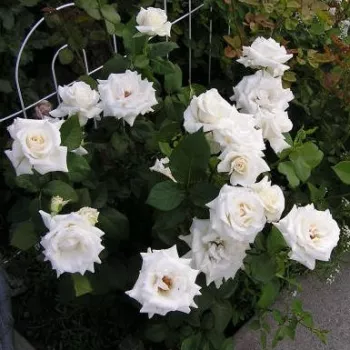
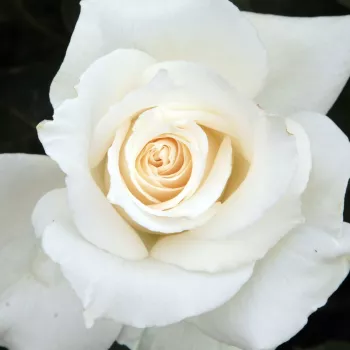
Flower Colour Description: Uniform white base colour with a slight ivory tint.
Closed Bud: Greenish-white bud with a cream-white tip.
Newly Opened Flower: The petals are creamy at the base, fading to pure white towards the edges.

Full Bloom: Radiant snow-white petals with a delicate ivory centre.
Before Fading: The white petals take on a pale beige tone.
Colour Fading Description: The colour holds well and hardly fades even in strong sunlight.

Fragrance and Aroma

Fragrance Strength: mild, softly scented rose
Fragrance Character: slightly sweet character
Pollinator Attraction: Double, 26–39‑petalled flowers attract pollinators only to a limited extent because the double bloom form reduces stamen accessibility, diminishing their appeal to pollinating insects.
Pollinator-Friendly Rating: Double (26–39 petalled) flowers partially cover the stamens, so its pollinator-friendliness is limited; primarily an ornamental variety.

Hip Characteristics

Hip Shape: ellipsoidal
Hip Colour: orange-red
Hip Comment: Occasionally borne, 10–14 mm in diameter, ellipsoidal, orange-red rose hip.

Resistance and Hardiness

Hardiness (°C): -21–-18 °C
Heat and Drought Tolerance Description: Tolerates heat well and, during prolonged drought, requires regular watering.
Disease Resistance: medium
  • powdery mildew – resistant
  • black spot – resistant
  • rust – medium

Horticultural Recommendations

Recommended product path: Premium container
Release form: Bush-trained, with 3–5 strong framework canes
Recommended use: Maintenance requirement medium; average disease resistance, occasionally requires plant protection treatments.
Primary Uses: flower bed, cut flower, solitary specimen, park

Comments

Positioning: Exclusive finished product
Target customer/channel: Retail / reseller
Main value proposition: Flower quality, form
PASCALI® – white hybrid tea rose - Lens
Uniform white base colour with a slight ivory tint. - hybrid tea rose - mild, softly scented rose - slightly sweet character
Online rose purchase - white - mild, softly scented rose - Pascali® - hybrid tea rose - (3.1-4.1ft (95-125 cm))
Inflorescence: solitary Height: 3.1-4.1ft (95-125 cm) Flower shape: high-centred, pointed-budded (cut-rose type) Winter hardiness: 6b white - Lens Roses (Belgium) hybrid tea rose - Flower size: L (2,75-3,95 in) Flower size: L (2,75-3,95 in) - Height: 3.1-4.1ft (95-125 cm) Height: 3.1-4.1ft (95-125 cm) - Flower fullness: fully double-flowered Pascali® - Roses in the garden | pharmaROSA® Neonatal - premium bronze Louis Lens

We showcase the external appearance of the roses available for online purchase from our webshop.


Which product type is right for you?


PharmaRosa® NEONATAL is the cost‑effective starting point for rose product production.

As a uniform, own‑rooted propagation material, it provides a stable basis for further growing-on and can be integrated flexibly into different finished product production technologies.
Rooted in trays (rooted), 3–6‑month‑old, own‑rooted rose cutting.
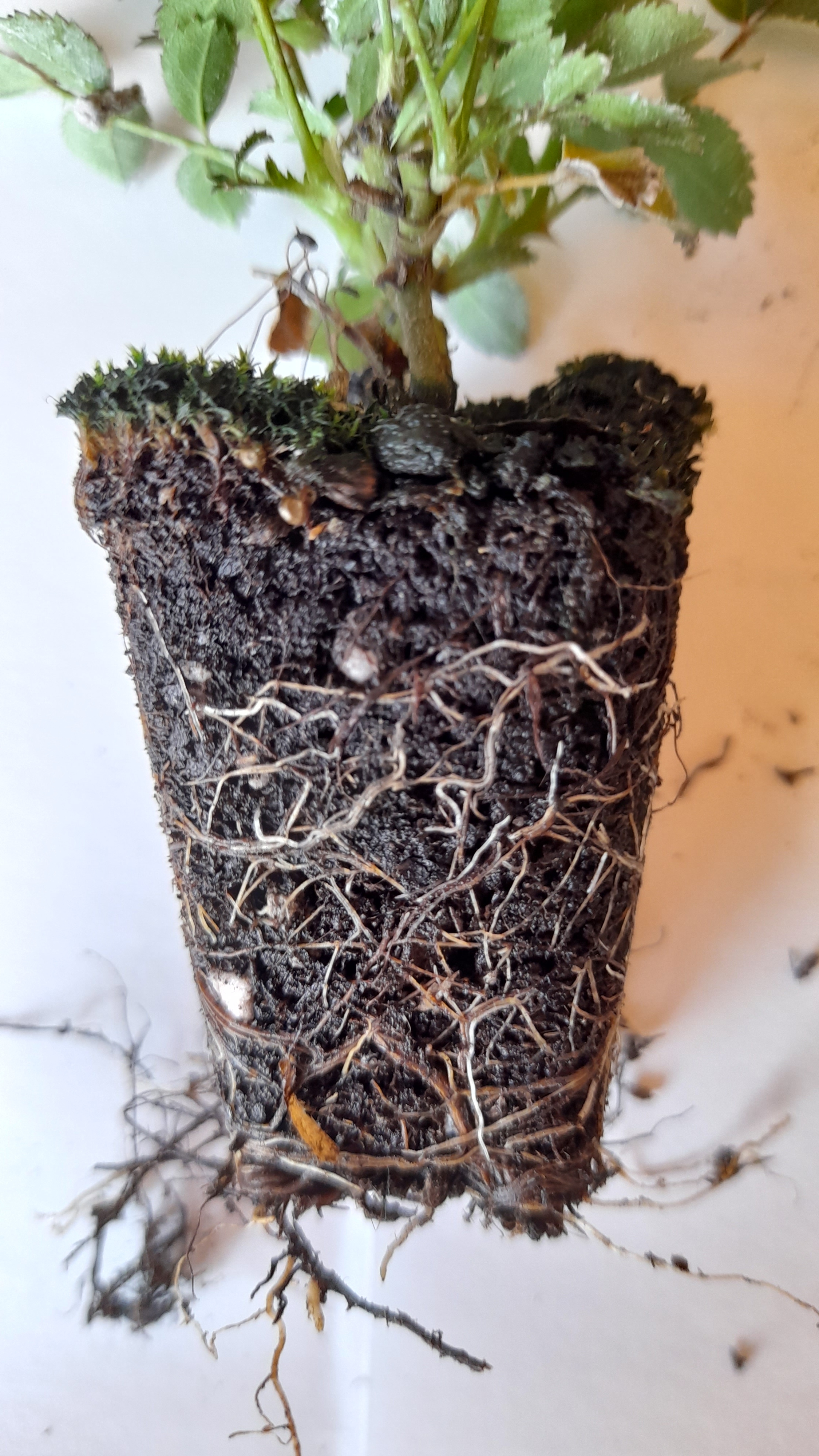
Uniform developmental stage, with a root system that has thoroughly penetrated the plug.
For professional growing‑on.
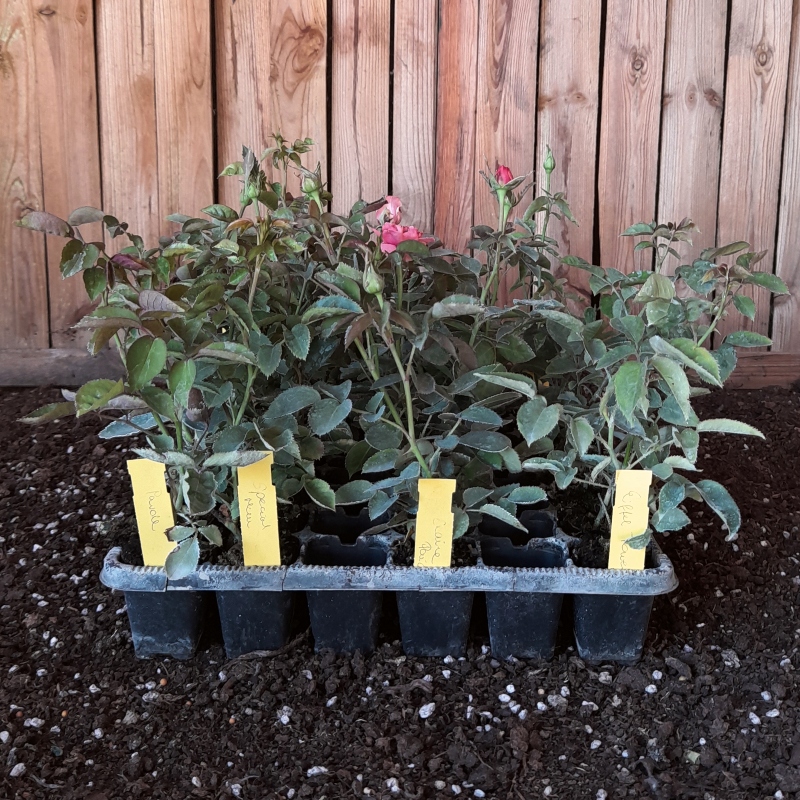
Tray packaging: 10 pcs/tray.
Quality and varietal identity: production supported by a dedicated identification and traceability logic.
Can be transplanted during frost‑free periods, designed for finished product production.

PharmaRosa® NEONATAL provides a controlled, uniform starting stock for planned growing‑on that can be integrated into your own technology – especially where scheduling and varietal identity are paramount.


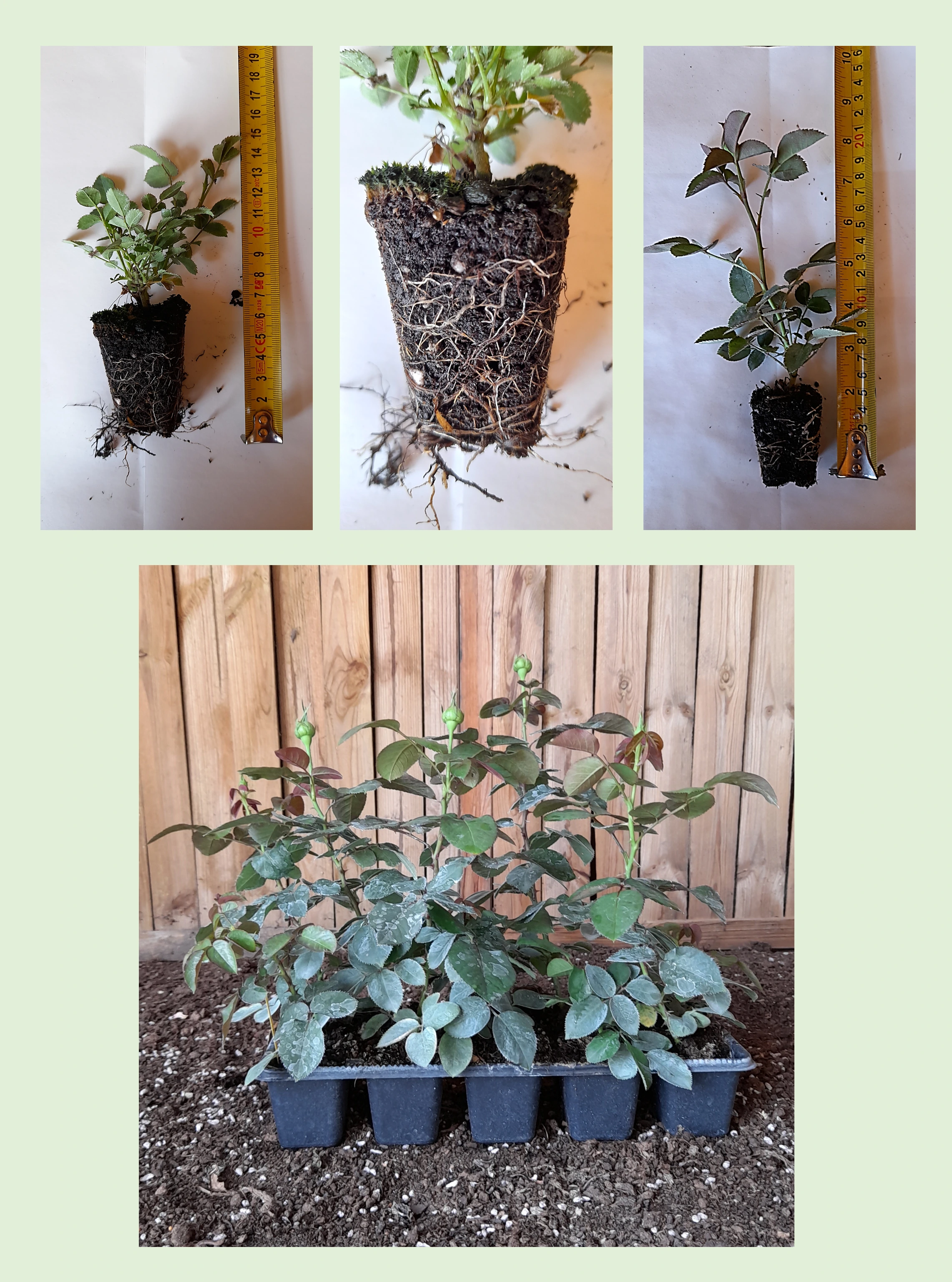
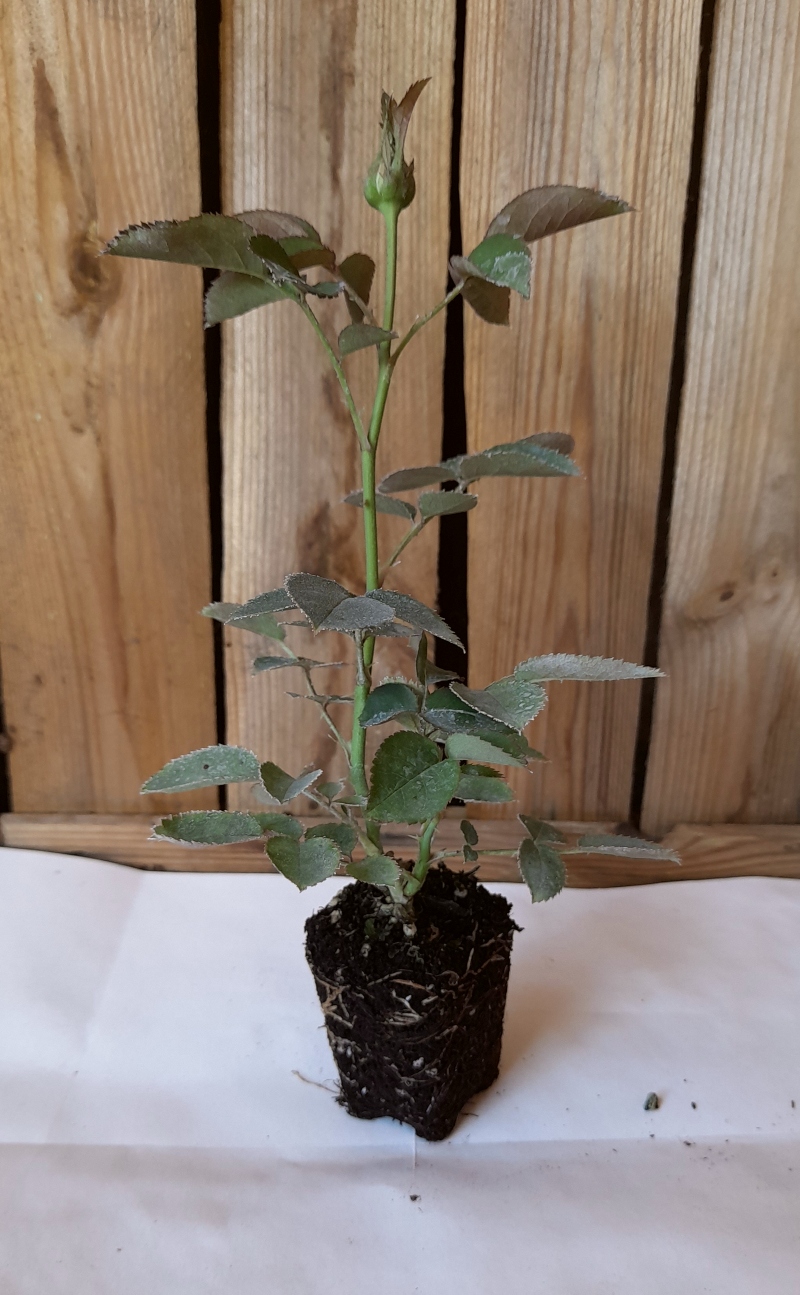
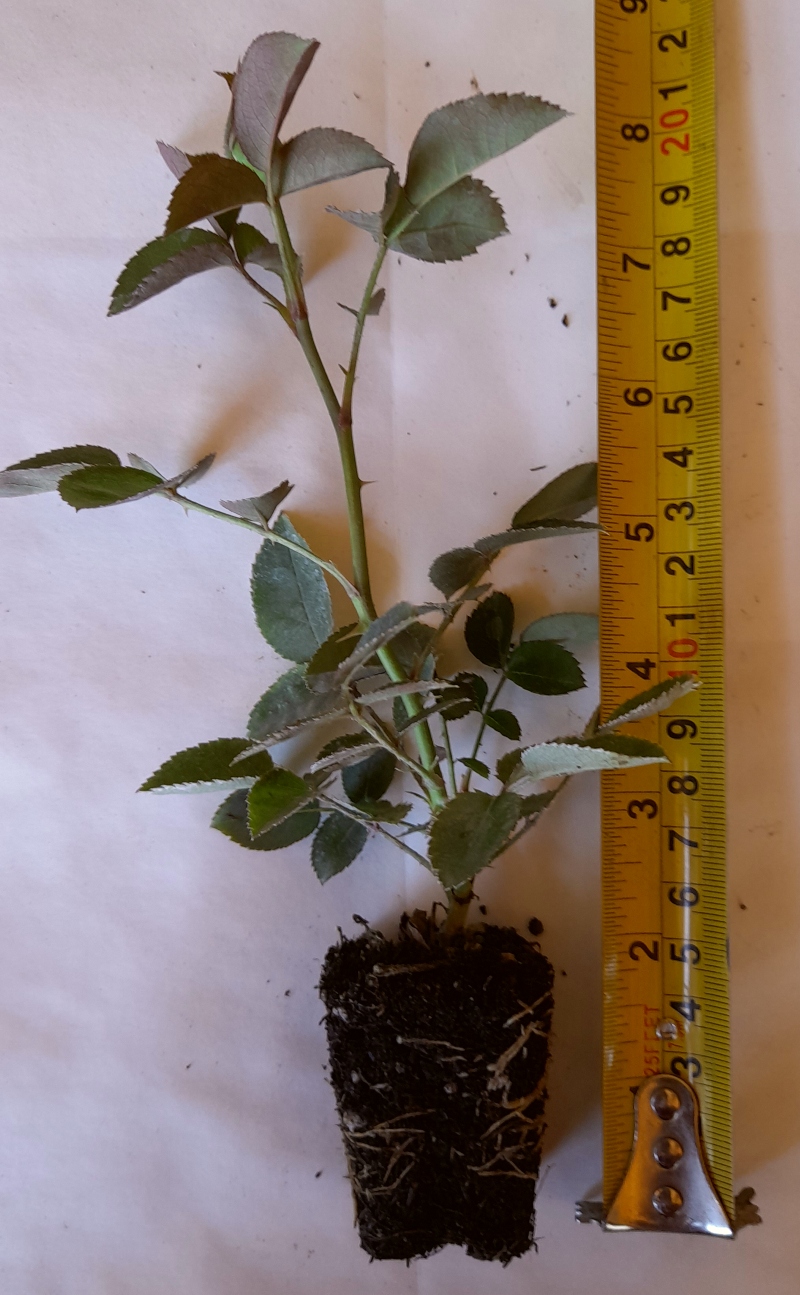
PharmaRosa® NEONATAL own-rooted rose propagation material in a plug, with a root system penetrating the plug (semi-finished product / semi-finished rose). PharmaRosa® NEONATAL rose propagation material size: 3–6‑month‑old, own-rooted cutting with a uniform developmental stage. PharmaRosa® NEONATAL rose propagation material root system: plug densely penetrated by well-developed white roots (root system detail). PharmaRosa® NEONATAL tray stock: own-rooted rose propagation material in trays, uniform developmental stage (10 pcs/tray).

Captions (from left to right): Semi-finished product (NEONATAL own-rooted rose propagation material in a plug with a fully developed root system) • Size demonstration (3–6‑month‑old, uniform cutting) • Root system detail (plug penetrated by the root system) • Tray stock (10 pcs/tray, uniform developmental stage)

pharmarosaneonatal.hupharmarosaneonatal.co.ukpharmarosaneonatal.atpharmarosaneonatal.plpharmarosaneonatal.sipharmarosaneonatal.czpharmarosaneonatal.itpharmarosaneonatal.depharmarosaneonatal.skpharmarosaneonatal.frpharmarosaneonatal.lupharmarosaneonatal.ropharmarosaneonatal.espharmarosaneonatal.nlpharmarosaneonatal.ptpharmarosaneonatal.ltpharmarosaneonatal.sepharmarosaneonatal.lvpharmarosaneonatal.eepharmarosaneonatal.fi

Which product type is right for you?

Pages for private customers
Garden roses for the family garden, with minimal care  → ORIGINAL®
Premium garden roses – instant impact, a truly showpiece garden  → EXTRA®
Pages for professionals and private customers
Roses for public spaces – large areas, sustainable maintenance  → NATURAL®
Roses for projects – hedge and row planting, fast implementation  → RAPID®
For professional partners only
Production – propagation material for garden roses, wholesale  → NEONATAL®

Company details

PharmaRosa Ltd.
Company registration number: 01-09-717479
VAT number: 13075314-2-43
Plant health registration no.: HU130721
Bank account (IBAN):
HU85117631891388688400000000
BIC (SWIFT): OTPVHUHB
Bank name: OTP Bank Nyrt.