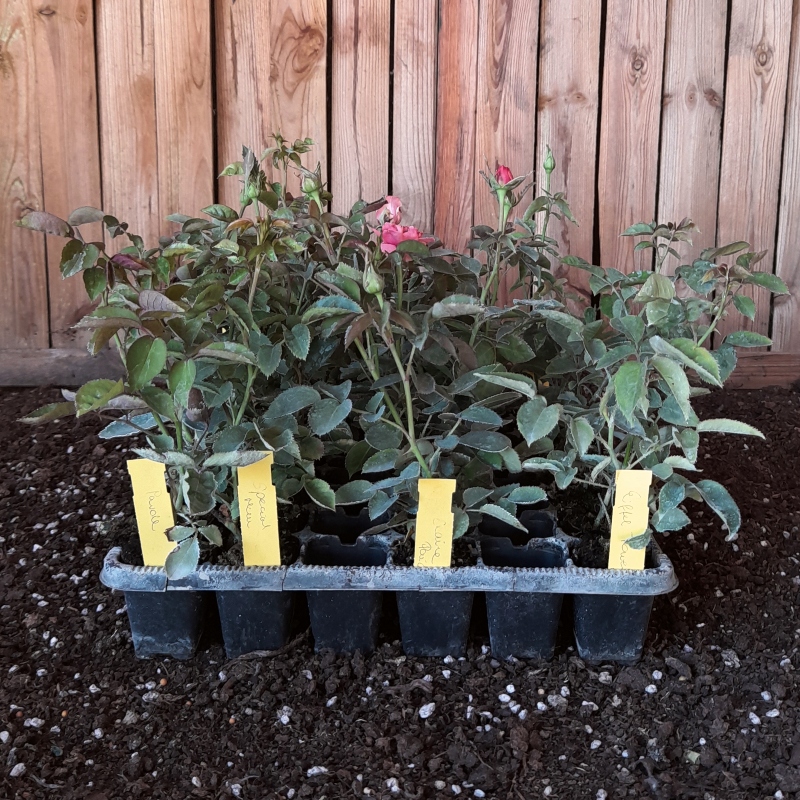
Climbing rose

20-465-1
20-465-2

Paul's Himalayan Musk Rambler

Climbing rose

- – George Paul Jr.

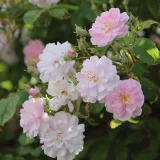
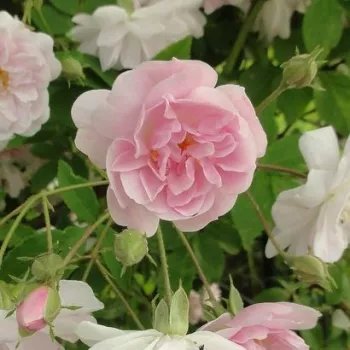
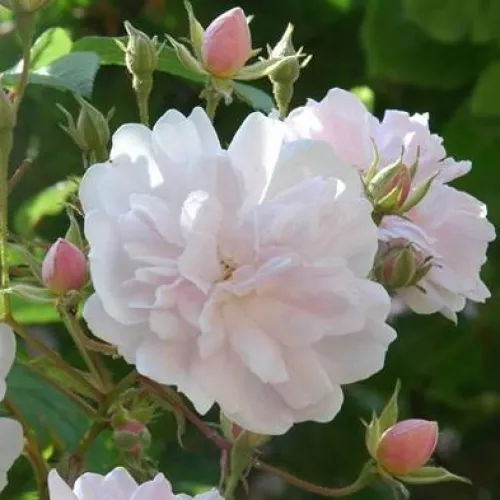
Delicately veiled pale pink with the bases of the petals showing a slightly richer tone. - rambler, climbing rose - very strongly scented, fragrance noticeable from a distance rose - musk-scented

– Masses of pale pink double blooms.
Very strong musk fragrance carries far.
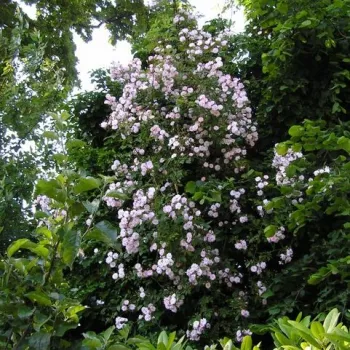
– Vigorous rambler for trees, walls, pergolas.
– Dense, sea-green foliage for lush coverage.
– Hardy to around −30 °C, RHS H7 rated.
Special feature: Historic 1916 rambler with RHS Award of Garden Merit for outstanding garden performance.
Exclusive, space-defining – specialty
Paul's Himalayan Musk Rambler
pharmaROSA® NEONATAL rooted rose cutting
29,63 £
Due to courier service regulations – and the introduction of customs clearance – delivery to Ireland is temporarily suspended.
5 (9359)
facebook   twitter

PAUL'S HIMALAYAN MUSK RAMBLER – pale pink rambler climbing rose - Paul

Vertical planting schemes demanding reliable, own-root propagation material can use PAUL'S HIMALAYAN MUSK RAMBLER as a distinctive, once-flowering rambler backbone for pergolas, arbours and large structures, especially where long, high canes are needed to frame collection or show-garden vistas. The cultivar’s very strong musk fragrance, dense foliage, great height range and substantial spread support exclusive, space-defining concepts with clear identity, while its good hardiness and average disease resistance allow dependable performance in UK nursery networks that also supply colder interiors and exposed parks, withstanding notably low winter temperatures and wind. Delivered as tray-rooted, own-root cutting material, it provides a renewable base that develops roots in year one, structural canes in year two and full ornamental expression in year three, aligning well with staked, trained 3–5-cane climbers in 5–7 L containers aimed at retail and reseller channels seeking premium, collection-worthy vertical features.


Usage options

Target area Reasoning
Pergola and arbour frameworks The extreme height and large spread allow nurseries to produce staked, trained climbers that quickly cover pergolas and arbours after planting, giving retailers a clear vertical feature. Growing on rooted cuttings towards 5–7 L, trained-climber product routes keeps structures in proportion to exclusive, space-defining displays for premium retail and reseller partners targeting thematic rose gardens and curated collections for the retail/reseller market.
Tree‑climbing and park focal points The rambler habit and long, flexible canes make it well suited to tree training and park-scale specimens, where a single plant can occupy a wide canopy zone and create dramatic flowering cascades. Using own-root material simplifies long-term maintenance in institutional projects, with trained forms prepared from 3–5 main canes in 5–7 L pots positioned as distinctive vertical garden features for public-realm and municipal planting schemes served via public-supply channels.
Fragrance-led collection plantings The very strong musk scent, noticeable from a distance, supports fragrance-focused thematic gardens, show-garden centrepieces and retail concepts built around sensory experience. Propagating it on own roots for collection beds or container displays provides predictable, homogeneous stands, while finished 5–7 L trained climbers can be marketed as a signature musk element within exclusive, space-defining fragrance collections offered through specialist rose collection-partners.
Cold-climate and exposed installations The combination of H7 hardiness, USDA 4b performance and stated low-temperature tolerance makes this cultivar a dependable option for UK production supplying northern and more exposed sites, including parks and large private gardens. Produced as own-root stock, it offers regenerative capacity after winter damage, supporting low replacement rates and stable capacity, with trained 3–5 cane climbers in 5–7 L pots aligning well with premium, resilient vertical products for northern-focused wholesale programmes.
Medium-maintenance, collection-grade rambler Moderate disease resistance with specific black spot resistance, combined with a medium maintenance requirement, suits professional producers prepared for occasional plant protection while still seeking reliable, collection-grade cultivars. Propagation as NEONATAL own-root cuttings supports cultivar maintenance stands and show-garden beds, with trained climber product paths and clearly labelled 5–7 L units positioned as exclusive, space-defining ramblers for discerning resellers.
Self‑cleaning display walls Good self-cleaning helps maintain ornamental value on large walls and arbours without intensive deadheading, particularly important for public or retail sites where direct maintenance time is limited. Own-root production beds give a uniform structural base, and nursery-trained climbers in 5–7 L containers can be sold as lower-maintenance vertical features that retain visual quality, well suited to vertical garden concepts in resource-aware project-portfolios.
Rootstock‑free, long‑term structures Own-root propagation avoids graft unions on high, long-lived structures, reducing failure risk and supporting stable, long-term ornamental performance on pergolas, walls and trained trees. As year-one roots establish and year-two canes are formed, producers can shape 3–5 structural canes for the trained climber route, offering reliable, renewable vertical units that support professional credibility in exclusive, space-defining rambler ranges for specialist nurseries.
Thematic rambler and heritage rose ranges The historic origin (1916) and recognised Award of Garden Merit make this cultivar attractive for heritage, rambler and musk-themed ranges, reinforcing a curated, collection-led offer. NEONATAL own-root cuttings enable cultivar maintenance blocks and scalable propagation, with 5–7 L, 3–5 cane trained climbers presented as flagship vertical garden features in heritage, musk and rambler collections for branded retail-lines.

Finished-product ideas

  • Pergola Signature Climber 5–7 L – trained 3–5 cane own-root plants, focused on height and spread for rapid pergola coverage; positioned as an exclusive, space-defining vertical feature for premium garden-centre ranges – retail / reseller
  • Fragrance Trail Rambler Collection – curated set of musk-scented climbers with PAUL'S HIMALAYAN MUSK RAMBLER as the high-impact, distance-fragrance element, supplied as trained climbers for thematic show-garden or collection displays – specialist retailers
  • Heritage Award Rambler Line – heritage-labelled 5–7 L units highlighting the 1916 origin and Award of Garden Merit, offered as own-root, long-term vertical structures for collectors and dedicated rose gardens – collection-focused outlets
  • Park and Arbour Structural Pack – batch-supplied trained climbers from uniform own-root beds, optimised for park arbours and public pergolas where hardiness and moderate maintenance are key – public-realm and municipal contractors
  • Tree-Training Feature Rambler – selected long-cane plants prepared for tree-climbing use, leveraging height, spread and self-cleaning to create dramatic flowering trees in larger projects – landscape architects and project nurseries

Technical cultivar profile
Parameter Data
Name and registration Paul's Himalayan Musk Rambler, commercial rambler climbing rose; ARS exhibition name Paul’s Himalayan Musk; unregistered cultivar used in trade under established historic names.
Origin and breeding Hybrid of Rosa brunonii × Rosa brunonii hybrid, bred by George Paul Jr.; introduced by W. Paul & Son Nursery, United Kingdom in 1916, remaining a recognised heritage rambler choice.
Awards and recognition Holds the Royal Horticultural Society Award of Garden Merit, indicating proven garden and landscape performance when grown under appropriate conditions and with suitable professional care.
Growth and structural characteristics Very vigorous climbing rambler, 800–1100 cm high with 450–800 cm spread; dense, slightly glossy sea-green foliage; moderately thorny canes; suited to pergolas, walls, arbours and trained tree use.
Flower morphology Double, flat flowers with 26–39 petals and small S-sized blooms in large, cluster-flowered inflorescences; once-flowering season, providing a strong, concentrated display rather than repeat blooming.
Colour data and phenology Pale pink tones (ARS lp, RHS 65C outer, 65D inner) with soft pastel buds; colour fades in strong sun to near white, leaving a delicate translucent veil and lightly veiled pink centres in full bloom.
Fragrance and aroma Very strongly musk-scented, with fragrance clearly noticeable from distance; primarily ornamental with only moderate pollinator friendliness due to double flowers reducing direct access to stamens.
Hip characteristics Produces small numbers of ovoid, egg-shaped red hips, around 5–7 mm diameter, adding limited but recognisable seasonal interest without significantly affecting overall ornamental focus.
Resistance and winter hardiness Hardy to around –32 to –29 °C, RHS H7, Swedish zone 5, USDA 4b; moderate heat and drought tolerance, requiring watering in extended dry periods; moderate disease resistance with black spot resistance.
Horticultural recommendations Recommended for pergolas, walls, arbours, tree training, parks and solitary features; medium maintenance with occasional plant protection; best marketed as a trained climber from 5–7 L staked material.

PAUL'S HIMALAYAN MUSK RAMBLER combines vigorous vertical structure, award-backed landscape value and strong fragrance with predictable, regenerative own-root performance; please contact us to align capacity and scheduling for your next rambler programme.
Detailed product attributes

Product Identification Data

Product Name: PAUL'S HIMALAYAN MUSK RAMBLER – pale pink rambler climbing rose - Paul
Product Type: pharmaROSA® NEONATAL - rooted rose cutting
Cultivar Authenticity: Verified:09.10.2025
Cultivar Quality Rating: premium silver
Item Number: [532] 20-465 (14.02.2026) pharmarosaneonatal.co.uk

Name and Registration

Meaning of Cultivar Name: The name honours the breeder’s family name, Paul, while 'Himalayan Musk' refers to musk‑scented species from the Himalayan region and to the strong fragrance.
Cultivar Synonym: Paul’s Himalayica Double Pink; Paul’s Tree Climber
Original Trade Name: Paul’s Himalayan Musk
Current Trade Name: Paul's Himalayan Musk Rambler Climbing rose Paul
Rose Group: Rambler
Commercial Type: rambler, climbing rose
Commercial Group: Climbing rose
Exhibition Category: garden-, landscape-use rambler; pergola- and tree-climbing special variety
Collection: Climbing rose

Origin and Breeding

Initial Distributor: W. Paul & Son Nursery (United Kingdom, 1916)
Registration Year: unregistered cultivar
Breeder: George Paul Jr.
Breeding Company / Institution: W Paul & Son Nursery
Breeding Year: England, 1916
Parentage: Rosa brunonii × Rosa brunonii hybrid

Awards and Honours

Horticultural Ratings and Recommendations: RHS Award of Garden Merit
Competition and Show Awards: Royal Horticultural Society – Award of Garden Merit

Growth and Structural Characteristics

Height: 26.2-36.1ft (800-1100 cm)
Spread: 14.8-26.2ft (450-800 cm)
Growth Habit: climbing
Foliage: The variety's foliage is dense, and the leaves have a slightly glossy surface with a sea-green shade.
Prickliness: moderately thorny
Self-Cleaning Description: The petals of spent blooms generally fall off on their own.
Self-Cleaning Intensity: self-cleaning: good

Flower Morphology

Petal Count: 26-39
Flower Fullness: double flowered
Flower Shape: flat
Flower Size: S (0,5-1,5 in)
Inflorescence Type: cluster-flowered, large-sized
Colour Code: ARS code: lp RHS code: 65C (outer), 65D (inner)
Repeat Flowering: Not remontant; blooms once.

Colour Data and Phenology

Colour: pale-pink
Flower Colour Description: Delicately veiled pale pink with the bases of the petals showing a slightly richer tone.
Closed Bud: Pale pearly-pink surface with silvery veining.
Newly Opened Flower: Soft pastel pink outer petals, subtly deeper shade at the centre.
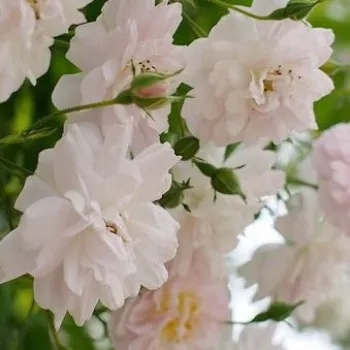
Full Bloom: The outer edge fades to nearly white, while the central petals retain a light pink.
Before Fading: A nearly white, translucent pink veil remains on the petals.
Colour Fading Description: In strong sunlight the colour fades rapidly, in some cases becoming almost white.

Fragrance and Aroma

Fragrance Strength: very strongly scented, fragrance noticeable from a distance rose
Fragrance Character: musk-scented
Pollinator Attraction: Variety descriptions indicate it attracts bees and butterflies, with single or semi‑double blooms and readily accessible stamens being particularly attractive to pollinators, while fully double flowers that hide the stamens reduce access and thus attracti
Pollinator-Friendly Rating: Double-flowered variety that attracts bees and butterflies moderately, so it is primarily ornamental and, at best, partially pollinator-friendly.

Hip Characteristics

Hip Shape: egg-shaped
Hip Colour: red
Hip Comment: Produced in small quantities, a 5–7 mm-diameter, ovoid red rose hip.

Resistance and Hardiness

Hardiness (°C): -32–-29 °C
Heat and Drought Tolerance Description: Thrives in warm conditions, but requires watering during prolonged dry periods.
Disease Resistance: moderate
  • powdery mildew – moderate
  • black spot – resistant
  • rust – moderate

Horticultural Recommendations

Recommended product path: Trained climber finished product
Release form: Staked, trained (3–5 main canes)
Recommended use: Maintenance requirement medium; average disease resistance, requires occasional plant protection.
Primary Uses: pergola, wall, arbour, tree training, park, solitary specimen

Comments

Positioning: Exclusive, space-defining – specialty
Target customer/channel: Retail / reseller
Main value proposition: Vertical garden feature, distinctive habit
PAUL'S HIMALAYAN MUSK RAMBLER – pale pink rambler climbing rose - Paul
Delicately veiled pale pink with the bases of the petals showing a slightly richer tone. - rambler, climbing rose - very strongly scented, fragrance noticeable from a distance rose - musk-scented
The rose webshop. - pale-pink - very strongly scented, fragrance noticeable from a distance rose - Paul's Himalayan Musk Rambler - rambler, climbing rose - (26.2-36.1ft (800-1100 cm))
Inflorescence: cluster-flowered, large-sized Height: 26.2-36.1ft (800-1100 cm) Flower shape: flat Winter hardiness: 5b pale-pink - W. Paul & Son Nursery (United Kingdom, 1916) rambler, climbing rose - Flower size: S (0,5-1,5 in) Flower size: S (0,5-1,5 in) - Height: 26.2-36.1ft (800-1100 cm) Height: 26.2-36.1ft (800-1100 cm) - Flower fullness: double flowered Paul's Himalayan Musk Rambler - Roses in the garden | pharmaROSA® Neonatal - premium silver George Paul Jr.

We showcase the external appearance of the roses available for online purchase from our webshop.


Which product type is right for you?


PharmaRosa® NEONATAL is the cost‑effective starting point for rose product production.

As a uniform, own‑rooted propagation material, it provides a stable basis for further growing-on and can be integrated flexibly into different finished product production technologies.
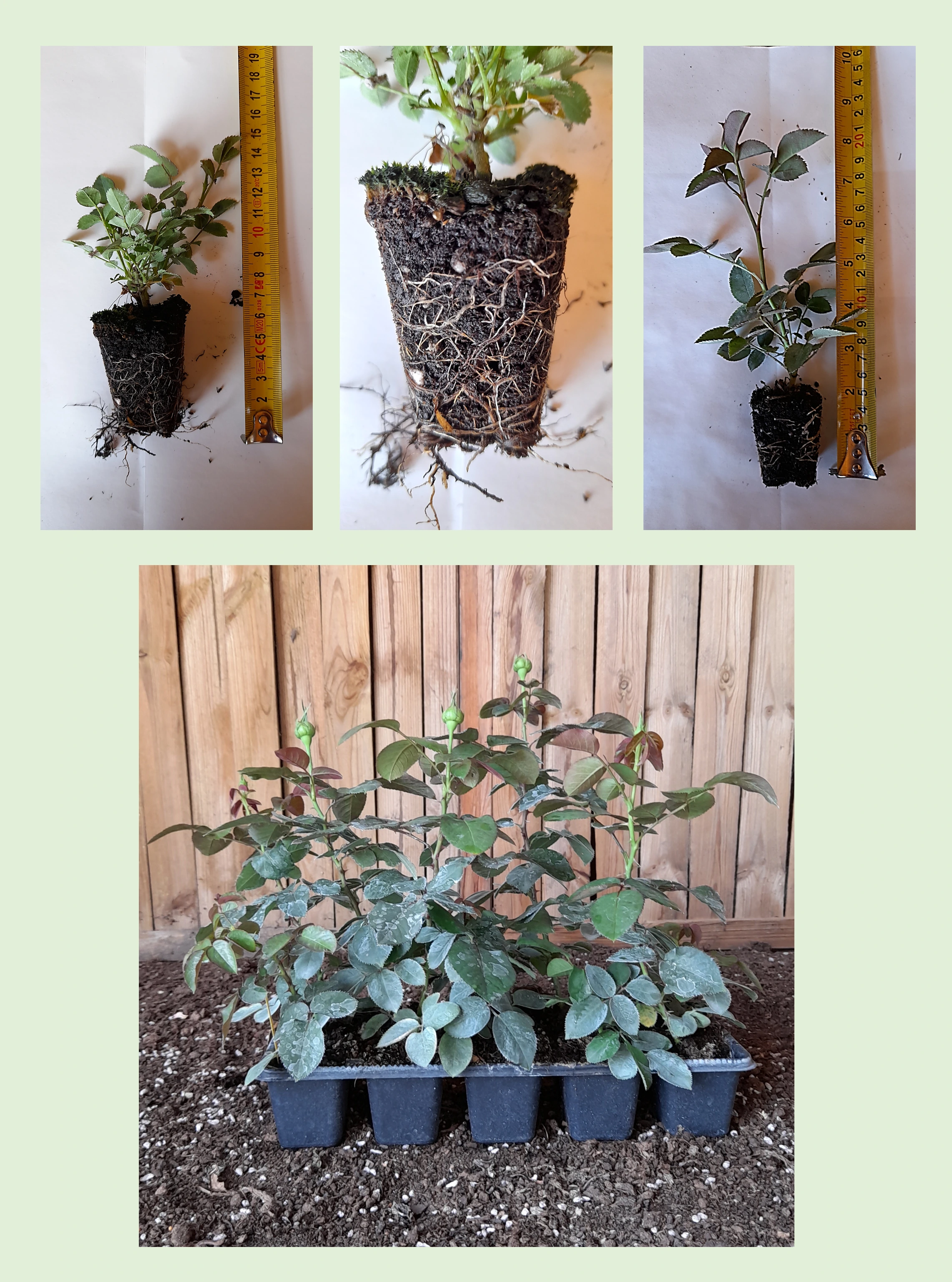
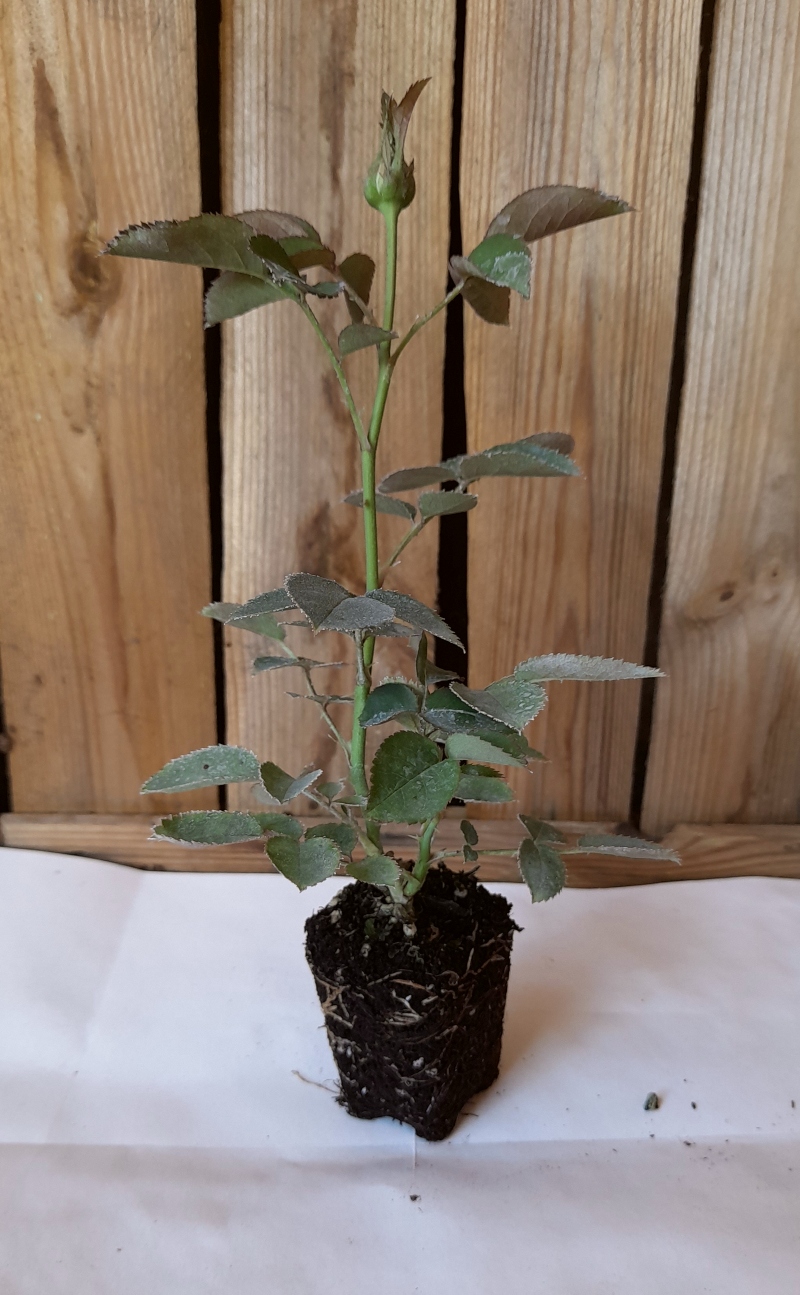
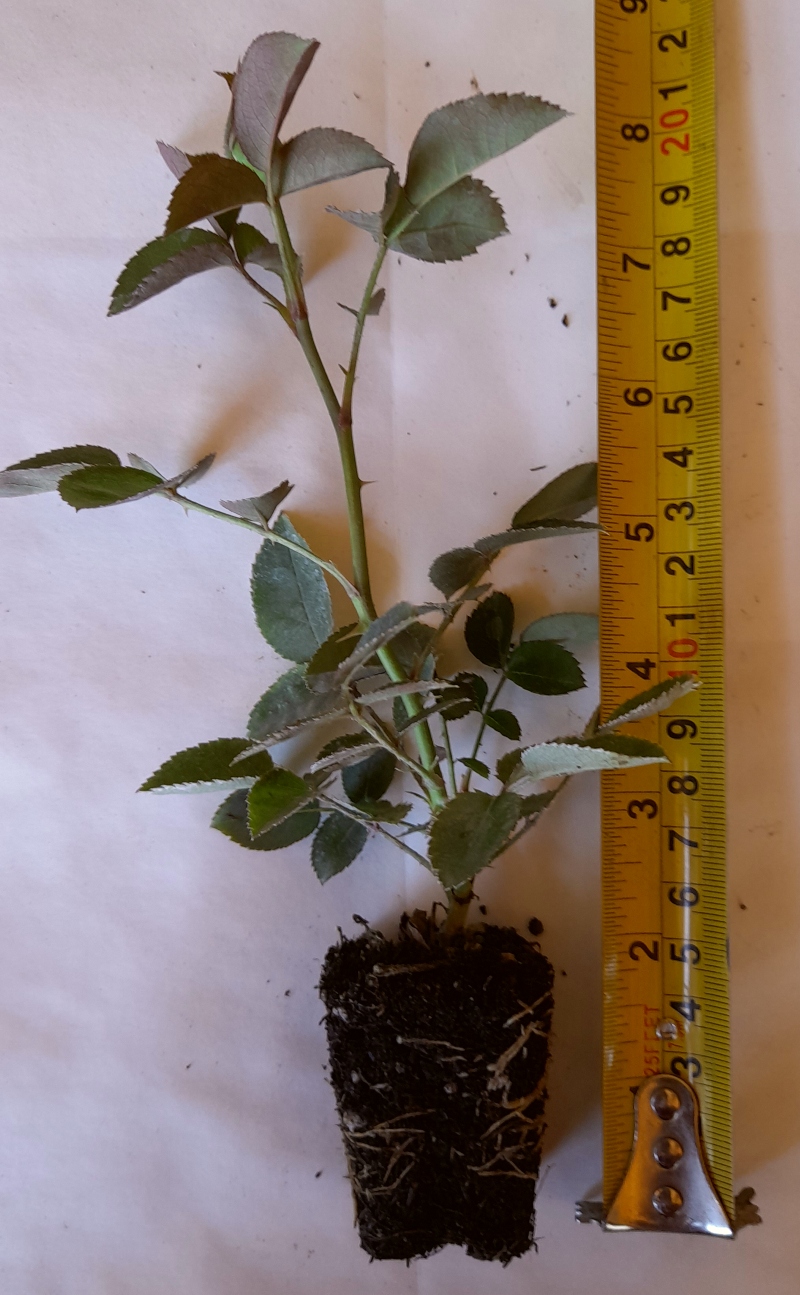
Rooted in trays (rooted), 3–6‑month‑old, own‑rooted rose cutting.
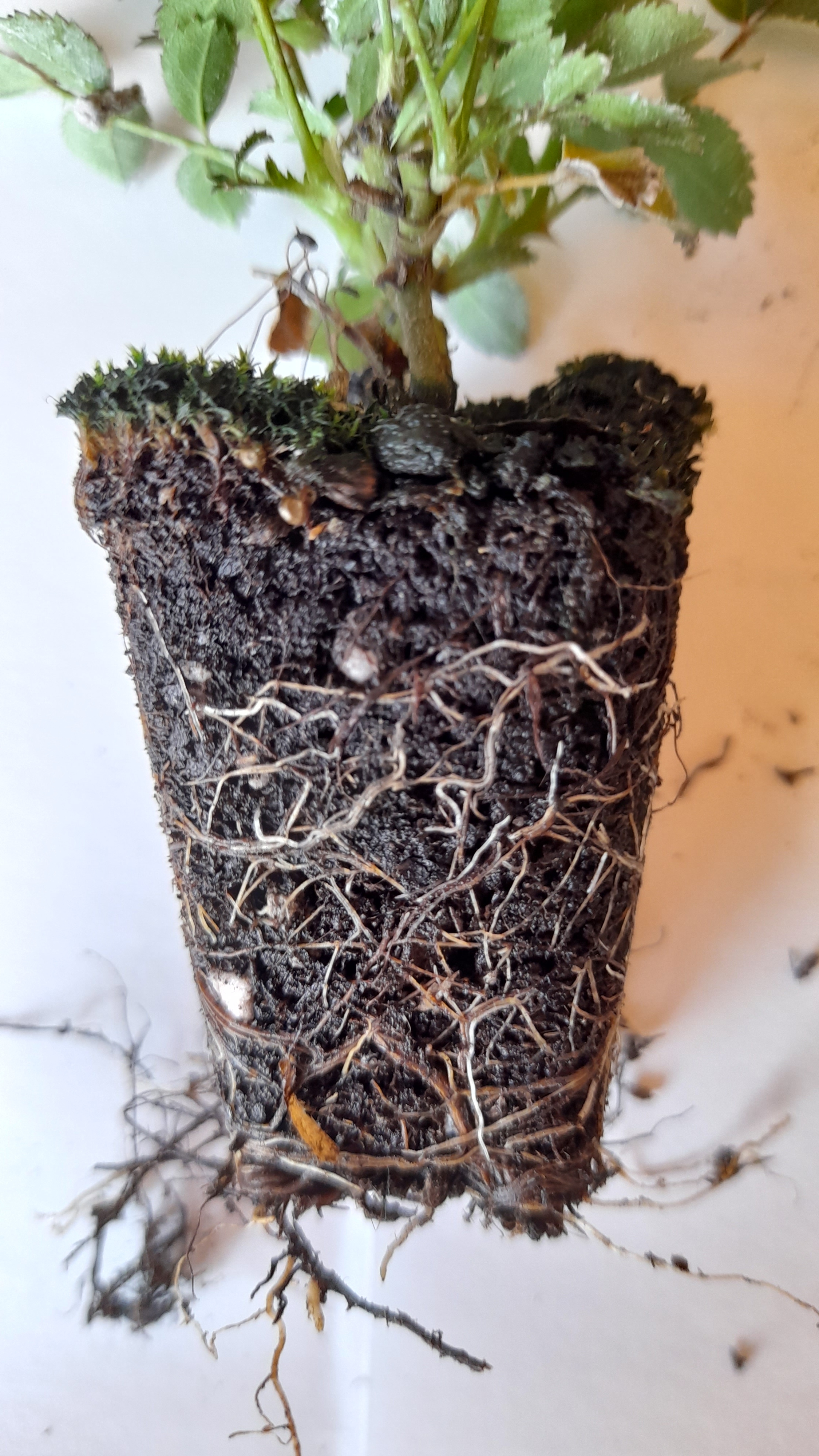
Uniform developmental stage, with a root system that has thoroughly penetrated the plug.
For professional growing‑on.
Tray packaging: 10 pcs/tray.
Quality and varietal identity: production supported by a dedicated identification and traceability logic.
Can be transplanted during frost‑free periods, designed for finished product production.

PharmaRosa® NEONATAL provides a controlled, uniform starting stock for planned growing‑on that can be integrated into your own technology – especially where scheduling and varietal identity are paramount.


PharmaRosa® NEONATAL own-rooted rose propagation material in a plug, with a root system penetrating the plug (semi-finished product / semi-finished rose). PharmaRosa® NEONATAL rose propagation material size: 3–6‑month‑old, own-rooted cutting with a uniform developmental stage. PharmaRosa® NEONATAL rose propagation material root system: plug densely penetrated by well-developed white roots (root system detail). PharmaRosa® NEONATAL tray stock: own-rooted rose propagation material in trays, uniform developmental stage (10 pcs/tray).

Captions (from left to right): Semi-finished product (NEONATAL own-rooted rose propagation material in a plug with a fully developed root system) • Size demonstration (3–6‑month‑old, uniform cutting) • Root system detail (plug penetrated by the root system) • Tray stock (10 pcs/tray, uniform developmental stage)

pharmarosaneonatal.hupharmarosaneonatal.co.ukpharmarosaneonatal.atpharmarosaneonatal.plpharmarosaneonatal.sipharmarosaneonatal.czpharmarosaneonatal.itpharmarosaneonatal.depharmarosaneonatal.skpharmarosaneonatal.frpharmarosaneonatal.lupharmarosaneonatal.ropharmarosaneonatal.espharmarosaneonatal.nlpharmarosaneonatal.ptpharmarosaneonatal.ltpharmarosaneonatal.sepharmarosaneonatal.lvpharmarosaneonatal.eepharmarosaneonatal.fi

Which product type is right for you?

Pages for private customers
Garden roses for the family garden, with minimal care  → ORIGINAL®
Premium garden roses – instant impact, a truly showpiece garden  → EXTRA®
Pages for professionals and private customers
Roses for public spaces – large areas, sustainable maintenance  → NATURAL®
Roses for projects – hedge and row planting, fast implementation  → RAPID®
For professional partners only
Production – propagation material for garden roses, wholesale  → NEONATAL®

Company details

PharmaRosa Ltd.
Company registration number: 01-09-717479
VAT number: 13075314-2-43
Plant health registration no.: HU130721
Bank account (IBAN):
HU85117631891388688400000000
BIC (SWIFT): OTPVHUHB
Bank name: OTP Bank Nyrt.