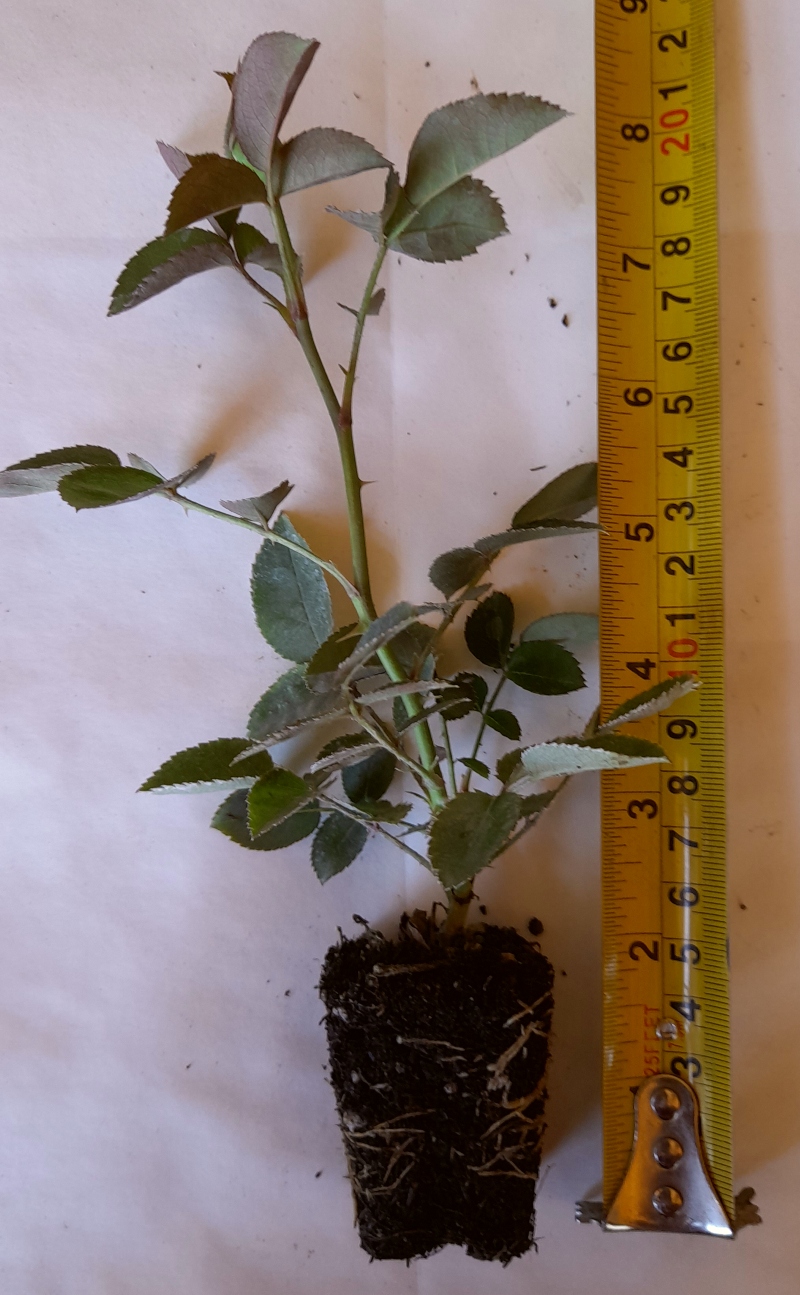
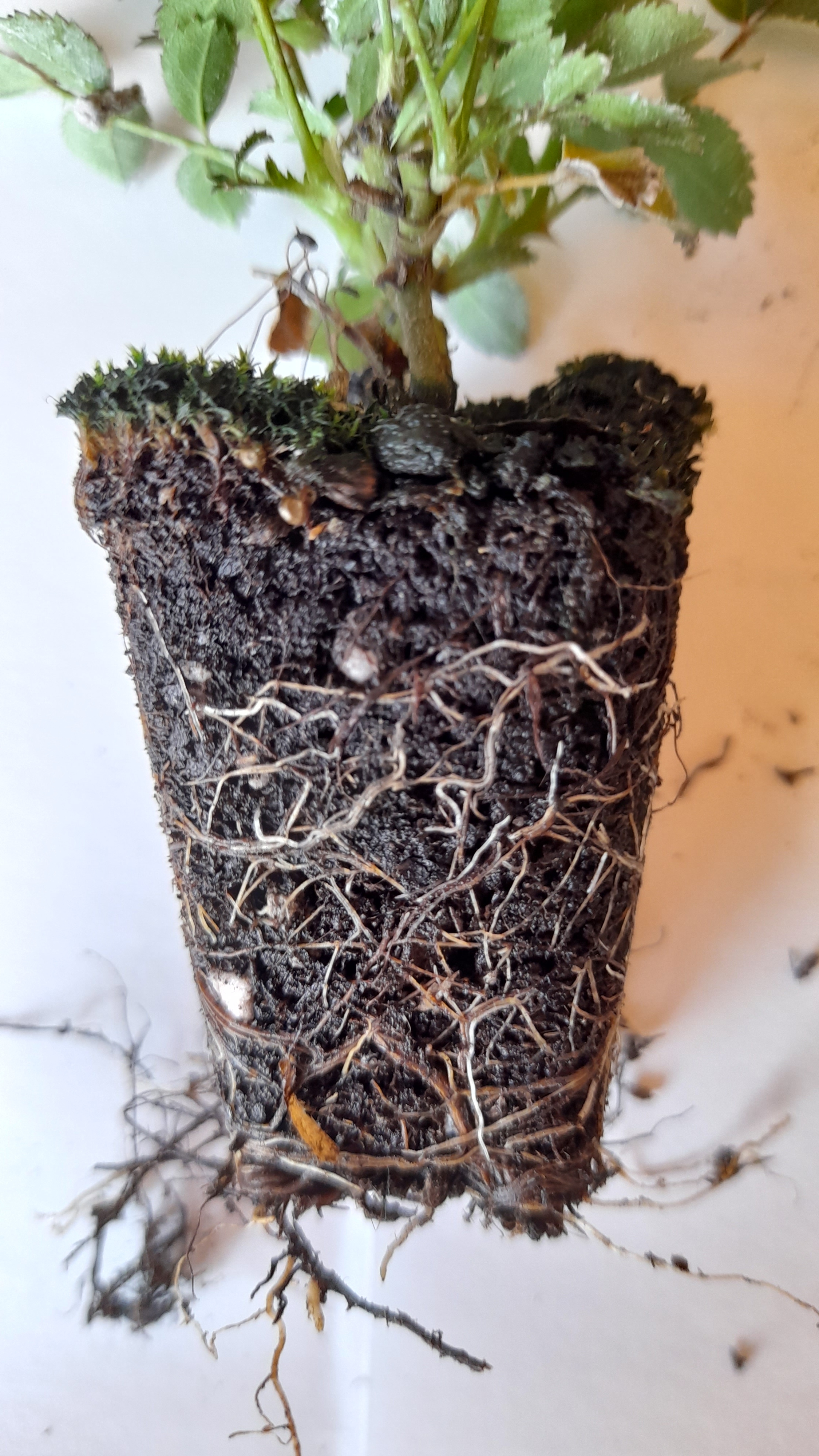
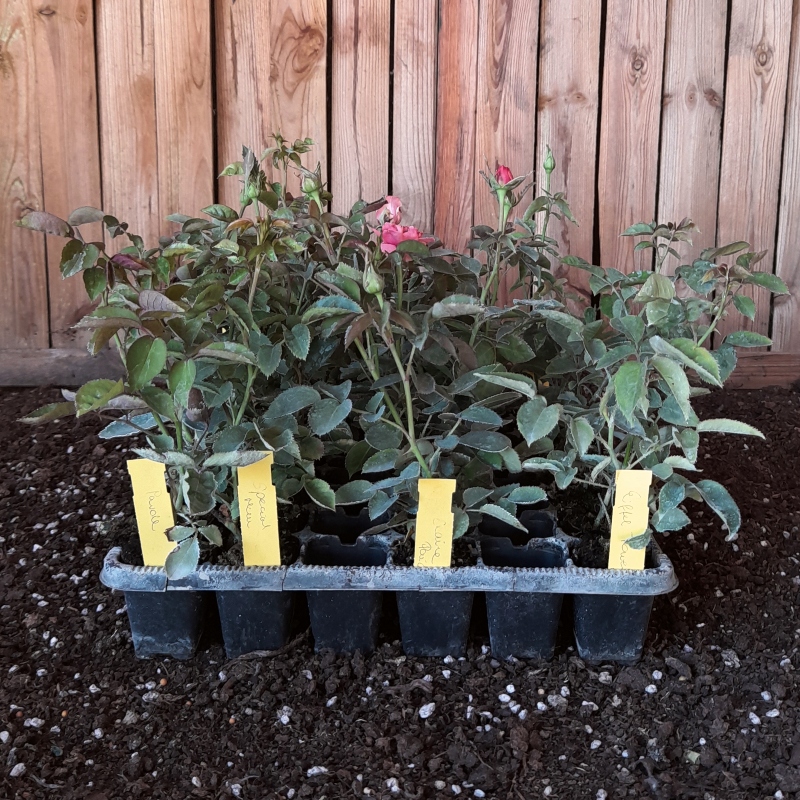
Rosa paulii – pharmaROSA® NEONATAL rooted cutting
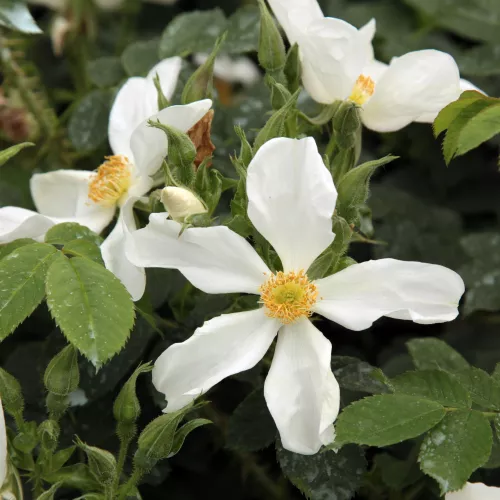
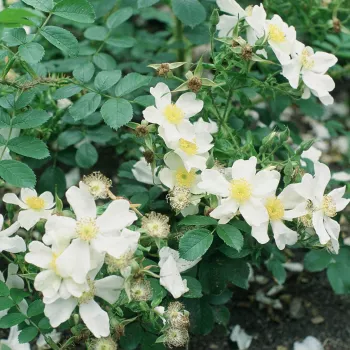
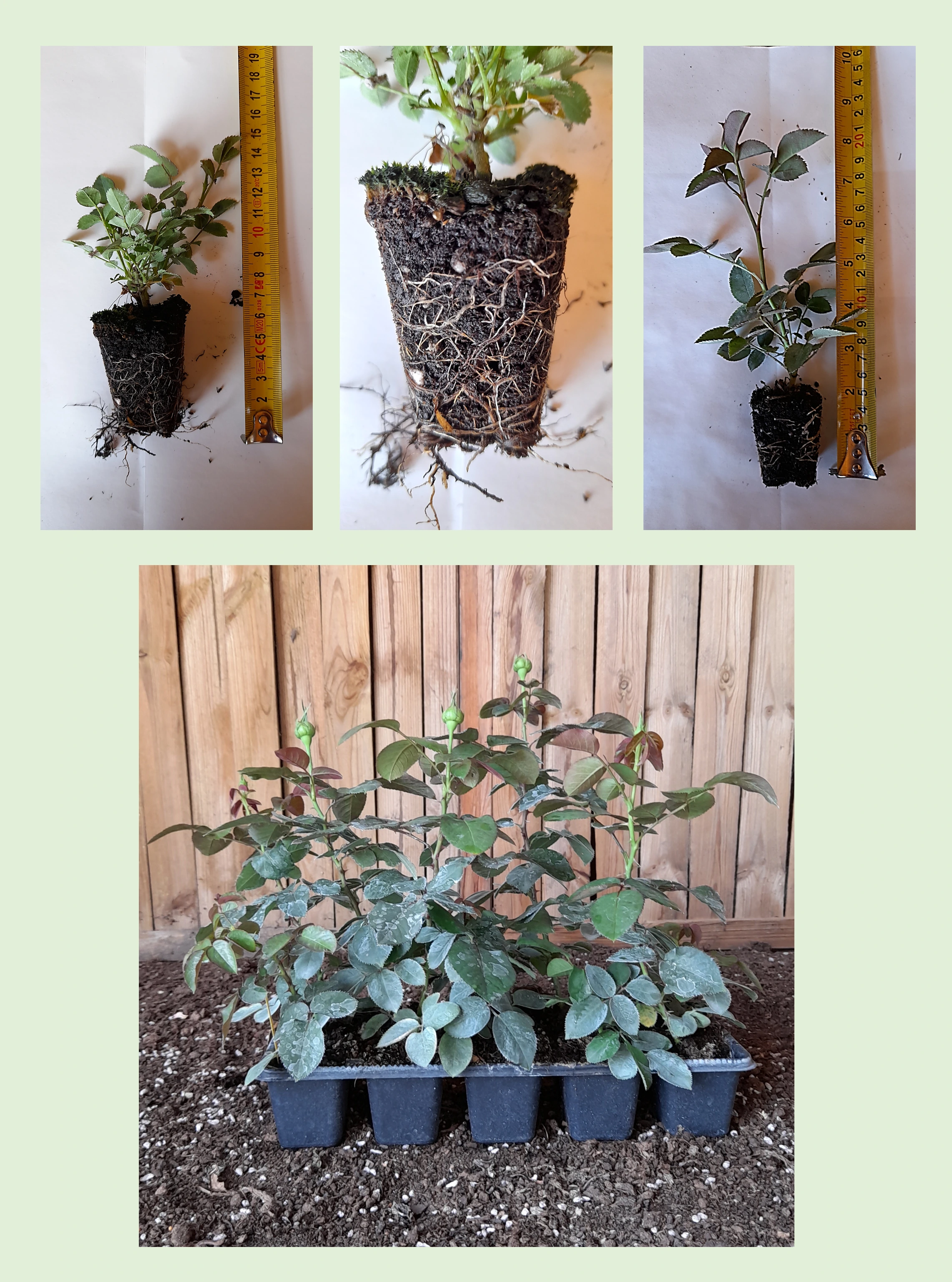
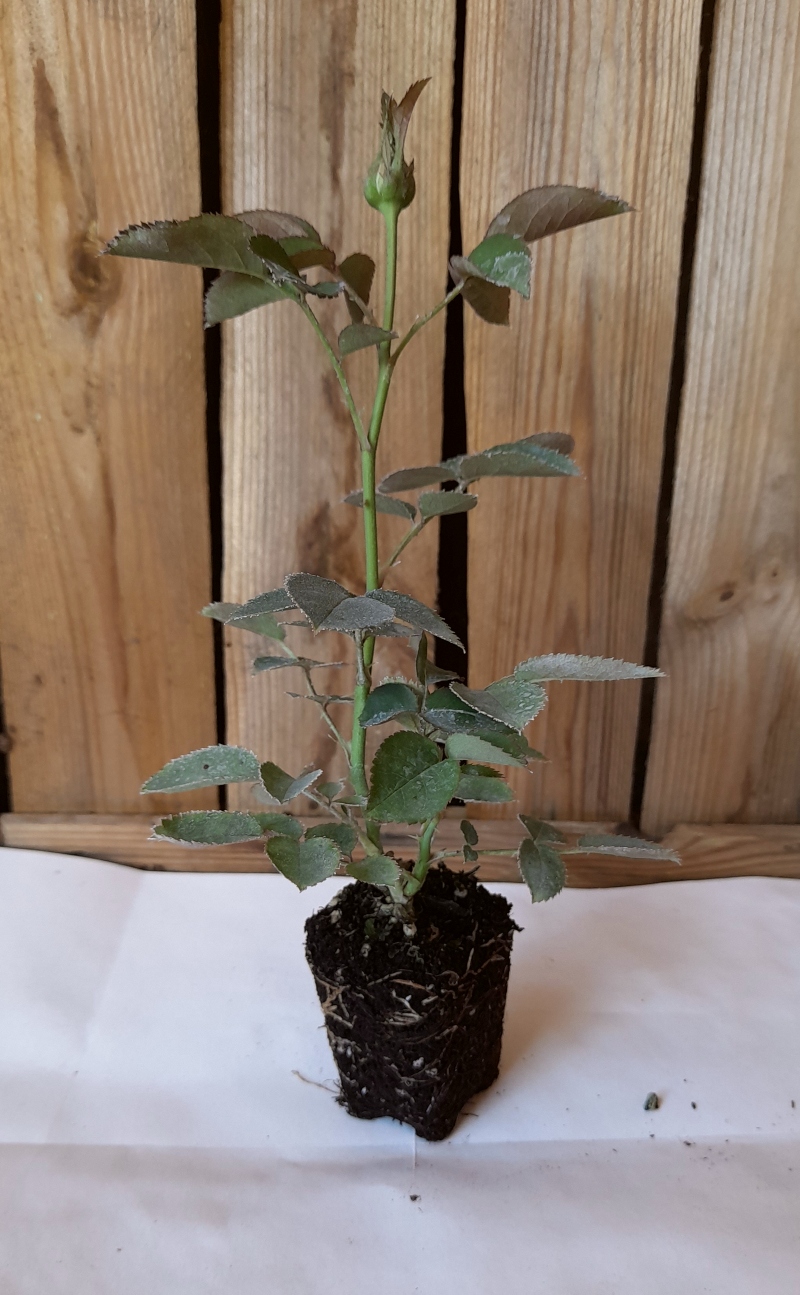
Groundcover production with Rosa paulii offers professional growers a resilient, low-maintenance landscape option in the Botanical rose segment, well suited to nursery container systems and public-realm schemes where reliable structure and eco-garden value are important. This bushy, spreading, densely thorned wild-hybrid delivers strong hardiness to H7 with very good disease resistance, supporting homogeneous, low-replacement stands for long-term projects. Its once-flowering, snow-white single blooms carry a mild, pleasantly spicy fragrance and self-clean efficiently, keeping plantings visually tidy with minimal intervention. As own-root pharmaROSA® NEONATAL material, Rosa paulii provides a stable propagation base for 2–3 L containers and vigorous bush-trained finished plants, aligning well with UK landscape and park contracts where robust groundcover is needed in exposed, winter- and wind-challenged regions. With year 1 focused on root establishment, year 2 on structural shoots, and year 3 delivering full ornamental value, it supports reliable scheduling and capacity planning for wholesale partners.
Usage options
Finished-product ideas
- 2–3 L botanical container line – Own-root Rosa paulii in standard 2–3 L botanical containers, highlighting Botanical rose classification, disease resistance and low maintenance for landscape use – landscape contractor and public-realm supply chains
- Groundcover estate pack – Multi-unit trays of 2–3 L, bush-trained plants for rapid groundcover establishment on estates and parks, leveraging spreading habit and robust hardiness – estate managers and park departments
- Heritage collection feature – Curated SKU within a historical/heritage rose range, using authenticated own-root material and dowager show background as a collection anchor – specialist rose nurseries and heritage projects
- Eco-landscape white series – Branded white-flowering eco-garden line built around Rosa paulii’s low-input care and resistance, in 3 L and selected 40–50 L specimens for focal points – eco-garden and sustainable landscape programmes
- Institutional border module – Pre-planned planting units combining several Rosa paulii for robust, low-chemical institutional borders, supplied from NEONATAL-based 2–3 L production – integrators serving schools, hospitals and campuses
Technical cultivar profile
| Parameter |
Data |
| Name and registration |
Rosa paulii, Botanical rose commercial type, wild-hybrid Bush rose in dowager exhibition class; American Rose Society approved exhibition name ‘Paulii’; unregistered cultivar used under long-standing trade name. |
| Origin and breeding |
Bred by George Paul Jr., Paul & Son (Cheshunt), United Kingdom, introduced 1903; complex wild-hybrid parentage involving Rosa arvensis, Rosa rugosa and Rosa wichuraiana, underpinning vigour, hardiness and landscape reliability. |
| Awards and recognition |
Recognised in American Rose Society dowager classes, including Dowager Rose Queen (1998–2001) and multiple “Genesis” awards at district shows (1999–2014), underlining historical value and showbench credibility. |
| Growth and structural characteristics |
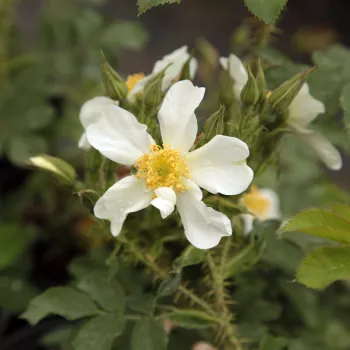
Bushy, spreading habit reaching approx. 70–130 cm height and 210–390 cm spread, with moderately dense, matte mid-green foliage and dense prickling, forming durable, ground-hugging landscape structures over time. |
| Flower morphology |
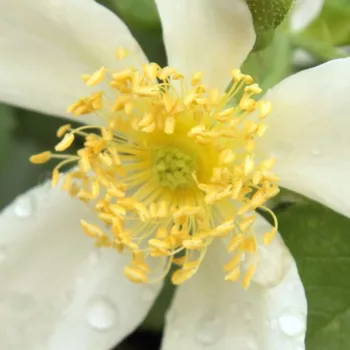
Single, flat flowers with around 5–12 petals, small size (0.5–1.5 in), produced in clusters; once-flowering rather than remontant, with generally good self-cleaning as petals fall naturally after bloom. |
| Colour data and phenology |
Bud greenish-white with ivory tinge; newly opened flowers ivory-white with faint creamy blush, maturing to pure snow-white then translucent white with slight beige edging; weak colour retention but clear seasonal display. |
| Fragrance and aroma |
Pleasantly spicy yet mild fragrance, giving a restrained scent effect suitable for park and landscape contexts; single flowers with limited stamen access offer only weak pollinator attraction in production and planting situations. |
| Hip characteristics |
Produces small, spherical hips around 18–26 mm diameter, bright red (RHS 43A), adding subtle seasonal interest; hips follow the single once-flowering period and can contribute to wildlife-friendly design intentions. |
| Resistance and winter hardiness |
Good tolerance of heat and moderate drought; hardy to approximately –29 to –26 °C (RHS H7, Swedish zone 4, USDA 5a); resistant to powdery mildew, black spot and rust, supporting low-input landscape use. |
| Horticultural recommendations |
Recommended for groundcover, park, specimen and urban green applications; low maintenance with minimal intervention, supplied as vigorous bush-trained finished material from own-root cuttings via standard/botanical container routes. |
Rosa paulii as pharmaROSA® NEONATAL own-root material combines spreading groundcover habit, strong hardiness and low-input disease resistance with predictable, regenerative stands, making it a sound choice to discuss capacity and scheduling for your next landscape-oriented production run.