Botanical rose

20-464-1
20-464-2

Rosa paulii

Botanical rose

- – George Paul, Jr.

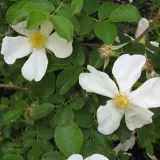
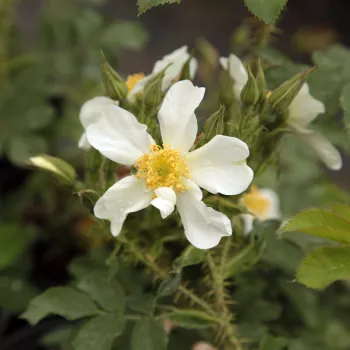
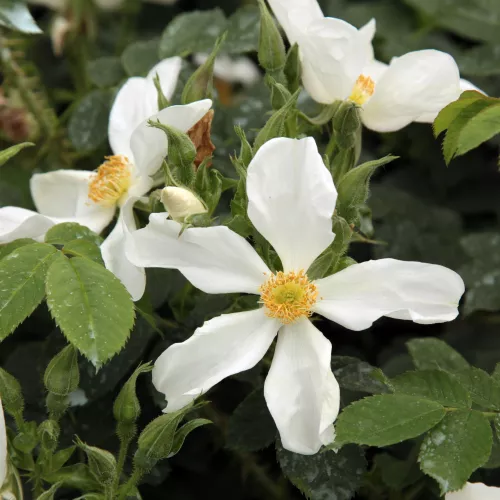
The petals are brilliantly snow-white, with a uniformly pale surface and no shading. - wild rose - mild, restrained-scented rose - pleasantly spicy

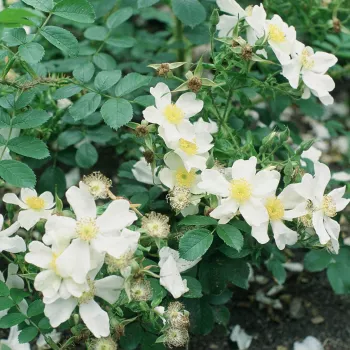
– Pure, snow-white single blooms in clusters.
– Vigorous, bushy habit for generous groundcover.
– Excellent disease resistance in varied climates.
– Very hardy, tolerates down to –29 °C.
– Mild, pleasantly spicy fragrance in bloom.
Special feature: Historic 1903 wild rose, award-winning Dowager Rose Queen.
Eco garden/landscape
Rosa paulii
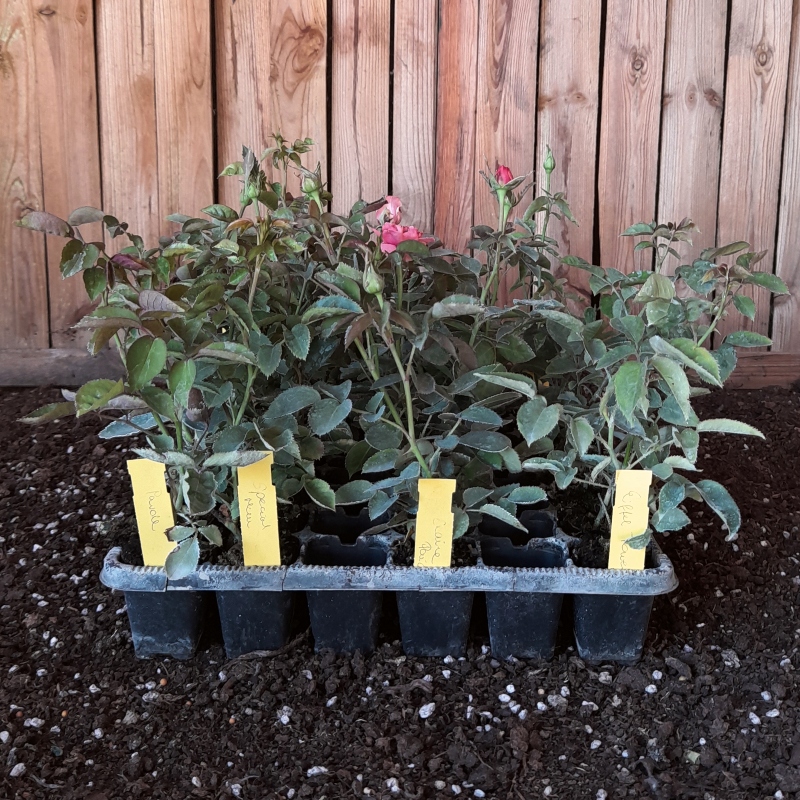
pharmaROSA® NEONATAL rooted rose cutting
27,05 £
Due to courier service regulations – and the introduction of customs clearance – delivery to Ireland is temporarily suspended.
4 (6114)
facebook   twitter

Rosa paulii – pharmaROSA® NEONATAL rooted cutting

Groundcover production with Rosa paulii offers professional growers a resilient, low-maintenance landscape option in the Botanical rose segment, well suited to nursery container systems and public-realm schemes where reliable structure and eco-garden value are important. This bushy, spreading, densely thorned wild-hybrid delivers strong hardiness to H7 with very good disease resistance, supporting homogeneous, low-replacement stands for long-term projects. Its once-flowering, snow-white single blooms carry a mild, pleasantly spicy fragrance and self-clean efficiently, keeping plantings visually tidy with minimal intervention. As own-root pharmaROSA® NEONATAL material, Rosa paulii provides a stable propagation base for 2–3 L containers and vigorous bush-trained finished plants, aligning well with UK landscape and park contracts where robust groundcover is needed in exposed, winter- and wind-challenged regions. With year 1 focused on root establishment, year 2 on structural shoots, and year 3 delivering full ornamental value, it supports reliable scheduling and capacity planning for wholesale partners.


Usage options

Target area Reasoning
Landscape groundcover blocks for public-realm schemes The bushy, spreading habit and 210–390 cm spread make Rosa paulii an efficient groundcover framework for public parks and urban green space. Using pharmaROSA® NEONATAL own-root cuttings into 2–3 L containers, then onward to vigorous, bush-trained finished plants, supports low-maintenance contracts where disease resistance and minimal intervention are key. Its stable, long-lived own-root stands underpin eco-garden positioning with predictable structure, particularly valuable for nationwide landscape contractor programmes serving public-realm suppliers.
Botanical and thematic rose collections As a Botanical rose with documented historical background and dowager exhibition status, Rosa paulii fits well into thematic and collection plantings. NEONATAL cuttings provide a reliable propagation base for standard/botanical container routes, allowing nurseries to build consistent 2–3 L stock for curators and collectors. Own-root form supports long lifespan and cultivar authenticity, ideal where identity and historical continuity are valued, reinforcing the eco-garden and collection value promise towards thematic-garden specialists.
Low-input eco-garden and naturalistic projects The combination of low maintenance requirement, good heat and drought tolerance, and strong resistance to powdery mildew, black spot and rust gives Rosa paulii clear advantages in low-input eco-garden schemes. Starting from pharmaROSA® NEONATAL rooted cuttings allows growers to scale container production for landscape channels that prioritise minimal chemical use. Once-flowering, self-cleaning plants still provide a defined seasonal display, while own-root regeneration keeps replacement rates low for eco-landscape contractors.
Structural planting in exposed, wind-prone sites With H7 hardiness and robust wild-hybrid parentage, Rosa paulii is suitable for structural planting where winter and wind exposure are significant, such as open parks and institutional grounds. NEONATAL propagation material integrates easily into nursery production for vigorous bush-trained units, and own-root resilience helps maintain dense, thorny cover over time. This supports predictable ornamental value and stand stability for long-term framework plantings targeting municipal frameworks.
Park and estate borders with seasonal white display The pure snow-white, single flowers in clusters give a clear, once-per-season display that is easy to position in park and estate borders. From pharmaROSA® NEONATAL cuttings, growers can programme 2–3 L standard/botanical containers as a regular catalogue item, emphasising landscape effect and eco-garden value. Self-cleaning flowers reduce grooming labour in situ, while own-root structure supports renewal after stress, providing confidence for estate and park managers.
Urban green space with reduced maintenance budgets Rosa paulii’s low intervention needs, robust disease resistance and good tolerance of heat and moderate drought suit urban schemes where maintenance budgets are constrained. NEONATAL trays offer easy storage and staging within nursery workflows for batch supply to city contracts. Own-root longevity and regeneration help secure homogeneous, long-lived groundcover in tree pits, verges and roadside banks, improving predictability for urban-greening suppliers.
Heritage-style and historical landscape designs With introduction in 1903 and recognised American Rose Society dowager show history, this cultivar supports heritage-inspired planting concepts. Propagating on own roots through pharmaROSA® NEONATAL ensures authenticity and durability for projects requiring historical reference alongside modern disease resistance. 2–3 L botanical containers grow on into vigorous, bush-trained units, suitable as specimens or grouped masses in traditional schemes marketed by heritage-project nurseries.
Low-chemical institutional and educational plantings The strong resistance profile and low maintenance requirement align with low-chemical policies in schools, campuses and healthcare grounds, where reliable, safe plant choices matter. NEONATAL own-root starting material supports consistent quality in standard/botanical containers, delivering vigorous bushes for larger, 40–50 L final containers where needed for feature plantings. This once-flowering, tidy, self-cleaning rose can anchor durable teaching or display beds for institutional-specifiers.

Finished-product ideas

  • 2–3 L botanical container line – Own-root Rosa paulii in standard 2–3 L botanical containers, highlighting Botanical rose classification, disease resistance and low maintenance for landscape use – landscape contractor and public-realm supply chains
  • Groundcover estate pack – Multi-unit trays of 2–3 L, bush-trained plants for rapid groundcover establishment on estates and parks, leveraging spreading habit and robust hardiness – estate managers and park departments
  • Heritage collection feature – Curated SKU within a historical/heritage rose range, using authenticated own-root material and dowager show background as a collection anchor – specialist rose nurseries and heritage projects
  • Eco-landscape white series – Branded white-flowering eco-garden line built around Rosa paulii’s low-input care and resistance, in 3 L and selected 40–50 L specimens for focal points – eco-garden and sustainable landscape programmes
  • Institutional border module – Pre-planned planting units combining several Rosa paulii for robust, low-chemical institutional borders, supplied from NEONATAL-based 2–3 L production – integrators serving schools, hospitals and campuses

Technical cultivar profile
Parameter Data
Name and registration Rosa paulii, Botanical rose commercial type, wild-hybrid Bush rose in dowager exhibition class; American Rose Society approved exhibition name ‘Paulii’; unregistered cultivar used under long-standing trade name.
Origin and breeding Bred by George Paul Jr., Paul & Son (Cheshunt), United Kingdom, introduced 1903; complex wild-hybrid parentage involving Rosa arvensis, Rosa rugosa and Rosa wichuraiana, underpinning vigour, hardiness and landscape reliability.
Awards and recognition Recognised in American Rose Society dowager classes, including Dowager Rose Queen (1998–2001) and multiple “Genesis” awards at district shows (1999–2014), underlining historical value and showbench credibility.
Growth and structural characteristics Bushy, spreading habit reaching approx. 70–130 cm height and 210–390 cm spread, with moderately dense, matte mid-green foliage and dense prickling, forming durable, ground-hugging landscape structures over time.
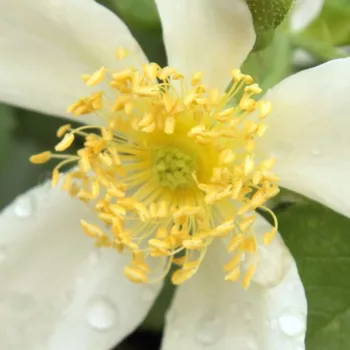
Flower morphology Single, flat flowers with around 5–12 petals, small size (0.5–1.5 in), produced in clusters; once-flowering rather than remontant, with generally good self-cleaning as petals fall naturally after bloom.
Colour data and phenology Bud greenish-white with ivory tinge; newly opened flowers ivory-white with faint creamy blush, maturing to pure snow-white then translucent white with slight beige edging; weak colour retention but clear seasonal display.
Fragrance and aroma Pleasantly spicy yet mild fragrance, giving a restrained scent effect suitable for park and landscape contexts; single flowers with limited stamen access offer only weak pollinator attraction in production and planting situations.
Hip characteristics Produces small, spherical hips around 18–26 mm diameter, bright red (RHS 43A), adding subtle seasonal interest; hips follow the single once-flowering period and can contribute to wildlife-friendly design intentions.
Resistance and winter hardiness Good tolerance of heat and moderate drought; hardy to approximately –29 to –26 °C (RHS H7, Swedish zone 4, USDA 5a); resistant to powdery mildew, black spot and rust, supporting low-input landscape use.
Horticultural recommendations Recommended for groundcover, park, specimen and urban green applications; low maintenance with minimal intervention, supplied as vigorous bush-trained finished material from own-root cuttings via standard/botanical container routes.

Rosa paulii as pharmaROSA® NEONATAL own-root material combines spreading groundcover habit, strong hardiness and low-input disease resistance with predictable, regenerative stands, making it a sound choice to discuss capacity and scheduling for your next landscape-oriented production run.
Detailed product attributes

Product Identification Data

Product Name: PAULII – white wild rose - Paul
Product Type: pharmaROSA® NEONATAL - rooted rose cutting
Cultivar Authenticity: Verified:04.03.2025
Item Number: [705] 20-464 (14.02.2026) pharmarosaneonatal.co.uk

Name and Registration

Meaning of Cultivar Name: The name is in the Latin genitive form, meaning "of Paul", and refers to the breeder's family name.
Cultivar Synonym: Repens Alba; R. paulii; Rosa paulii Rehder; Rosa rugosa repens alba; Rosa × paulii
Current Trade Name: Rosa paulii Botanical rose Paul
Rose Group: Wild, Hybrid Rugosa, Species Cross
Commercial Type: wild rose
Commercial Group: Botanical rose
Exhibition Category: bush rose; dowager class (historical)
Collection: Botanical rose

Origin and Breeding

Initial Distributor: Paul & Son (United Kingdom)
Registration Year: unregistered cultivar
Breeder: George Paul, Jr.
Breeding Company / Institution: Paul & Son (Cheshunt)
Breeding Year: United Kingdom, 1903
Parentage: Rosa arvensis × Rosa rugosa; Rosa rugosa × Rosa wichuraiana

Awards and Honours

Competition and Show Awards: American Rose Society – Dowager Rose Queen (1998–2001); "Genesis" awards at multiple American district shows (1999–2014)

Growth and Structural Characteristics

Height: 2.3-4.3ft (70-130 cm)
Spread: 6.9-12.8ft (210-390 cm)
Growth Habit: bushy, spreading
Foliage: The variety's foliage is moderately dense; the leaves have a matte surface and a mid-green hue.
Prickliness: densely thorned
Self-Cleaning Description: The petals of spent flowers generally fall off naturally.
Self-Cleaning Intensity: Self-cleaning is probably good.

Flower Morphology

Petal Count: 5–12
Flower Fullness: single flowered
Flower Shape: flat
Flower Size: S (0,5-1,5 in)
Inflorescence Type: cluster-flowered
Colour Code: ARS code: Wh RHS code: NN155C (outer), NN155D (inner)
Repeat Flowering: Not remontant; flowers once.

Colour Data and Phenology

Colour: white
Flower Colour Description: The petals are brilliantly snow-white, with a uniformly pale surface and no shading.
Closed Bud: Greenish-white, with a slight ivory tinge at the tip.
Newly Opened Flower: Delicate ivory-white colour with a faint creamy blush at the centre.
Full Bloom: Pure snow-white, with the inner and outer surfaces of the petals the same shade.
Before Fading: Translucent white, with a slight beige fading at the edges.
Colour Fading Description: On opening the ivory tone becomes a pure snow-white, then by the end of flowering fades to a translucent white with a slight beige tint at the edges.

Fragrance and Aroma

Fragrance Strength: mild, restrained-scented rose
Fragrance Character: pleasantly spicy
Pollinator Attraction: Its small, simple (single) flowers with limited stamen accessibility make it only weakly attractive to pollinators.
Pollinator-Friendly Rating: Single-flowered, but due to its small blooms it only attracts pollinators to a limited extent.

Hip Characteristics

Hip Shape: spherical
Hip Colour: bright red (RHS 43A)
Hip Comment: Because of its double flowers, it mostly forms small, globose rose hips 18–26 mm in diameter, bright red (RHS 43A).

Resistance and Hardiness

Hardiness (°C): -29–-26 °C
Heat and Drought Tolerance Description: Tolerates heat and moderate drought well.
Disease Resistance: resistant
  • powdery mildew – resistant
  • black spot – resistant
  • rust – resistant

Horticultural Recommendations

Recommended product path: Standard/botanical container
Release form: Vigorous, bush-trained finished product
Recommended use: Maintenance requirement low; good disease resistance, generally requires minimal intervention.
Primary Uses: groundcover, park, specimen plant, urban green space

Comments

Positioning: Eco garden/landscape
Target customer/channel: Landscape contractor, maintenance + collector
Main value proposition: Landscape effect and eco-garden value
PAULII – white wild rose - Paul
The petals are brilliantly snow-white, with a uniformly pale surface and no shading. - wild rose - mild, restrained-scented rose - pleasantly spicy
The rose webshop. - white - mild, restrained-scented rose - Rosa paulii - wild rose - (2.3-4.3ft (70-130 cm))
Inflorescence: cluster-flowered Height: 2.3-4.3ft (70-130 cm) Flower shape: flat Winter hardiness: 6b white - Paul & Son (United Kingdom) wild rose - Flower size: S (0,5-1,5 in) Flower size: S (0,5-1,5 in) - Height: 2.3-4.3ft (70-130 cm) Height: 2.3-4.3ft (70-130 cm) - Flower fullness: single flowered Rosa paulii - Roses in the garden | pharmaROSA® Neonatal - standard George Paul, Jr.

We showcase the external appearance of the roses available for online purchase from our webshop.


Which product type is right for you?


PharmaRosa® NEONATAL is the cost‑effective starting point for rose product production.

As a uniform, own‑rooted propagation material, it provides a stable basis for further growing-on and can be integrated flexibly into different finished product production technologies.
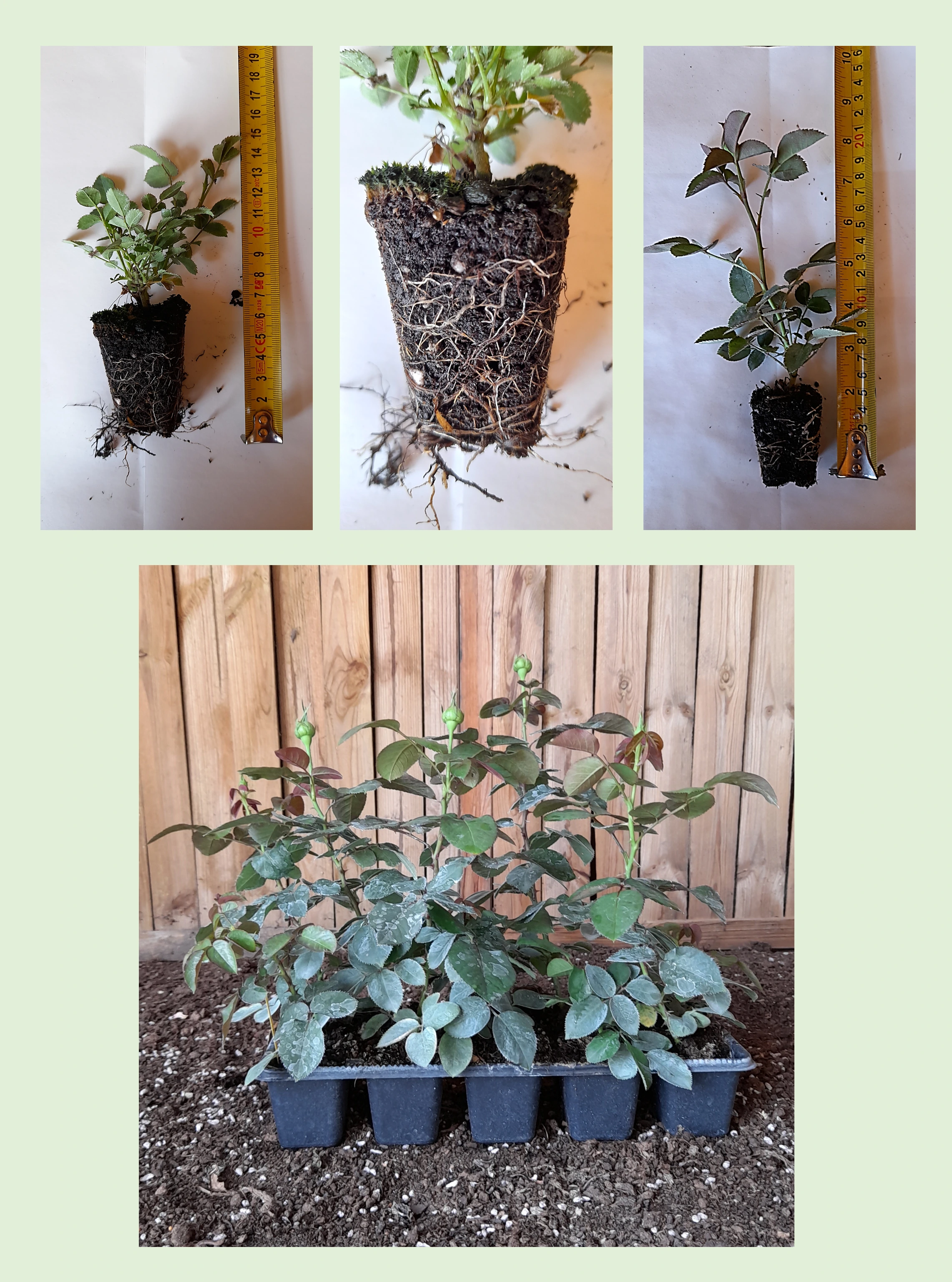
Rooted in trays (rooted), 3–6‑month‑old, own‑rooted rose cutting.
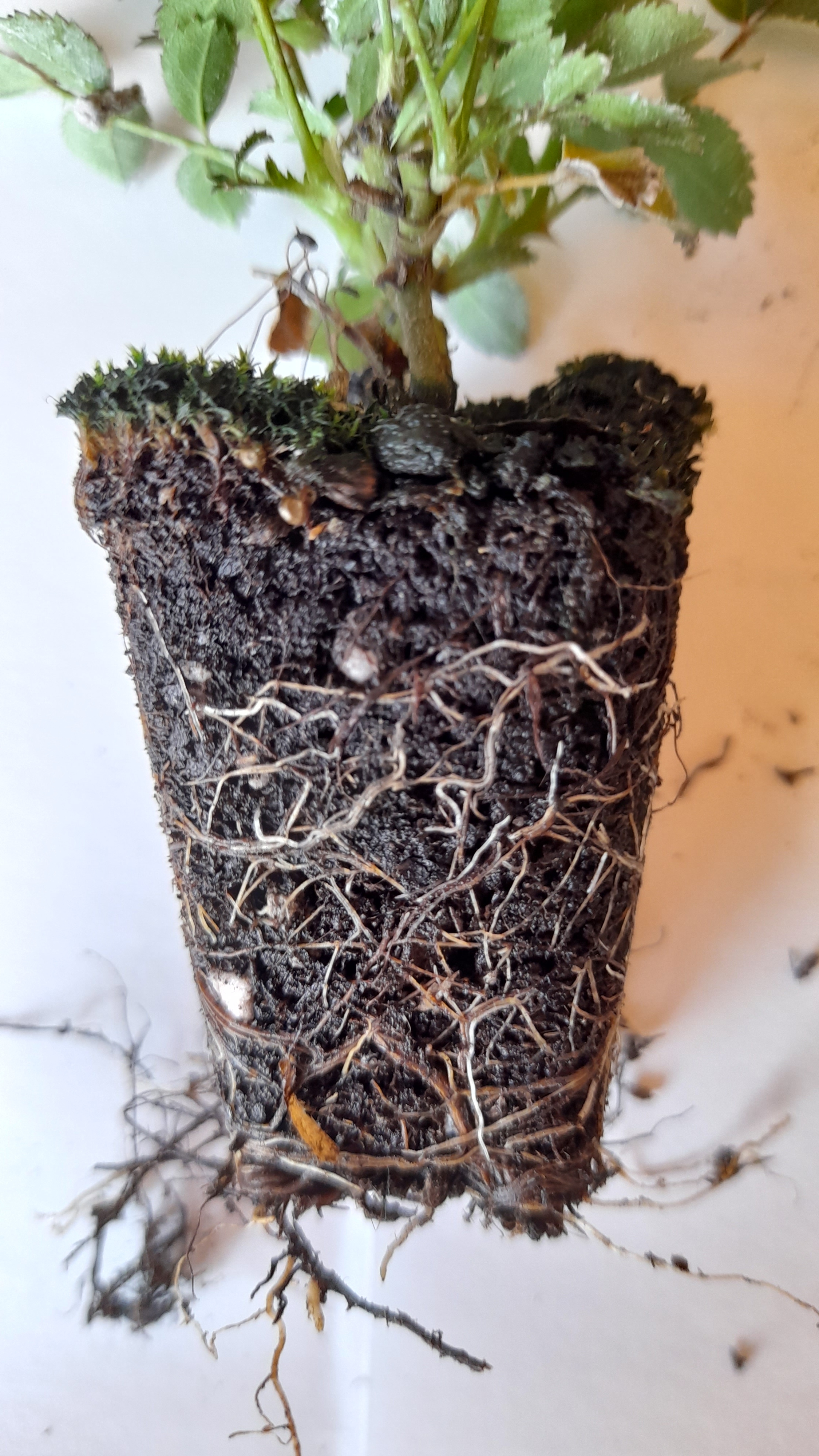
Uniform developmental stage, with a root system that has thoroughly penetrated the plug.
For professional growing‑on.
Tray packaging: 10 pcs/tray.
Quality and varietal identity: production supported by a dedicated identification and traceability logic.
Can be transplanted during frost‑free periods, designed for finished product production.

PharmaRosa® NEONATAL provides a controlled, uniform starting stock for planned growing‑on that can be integrated into your own technology – especially where scheduling and varietal identity are paramount.


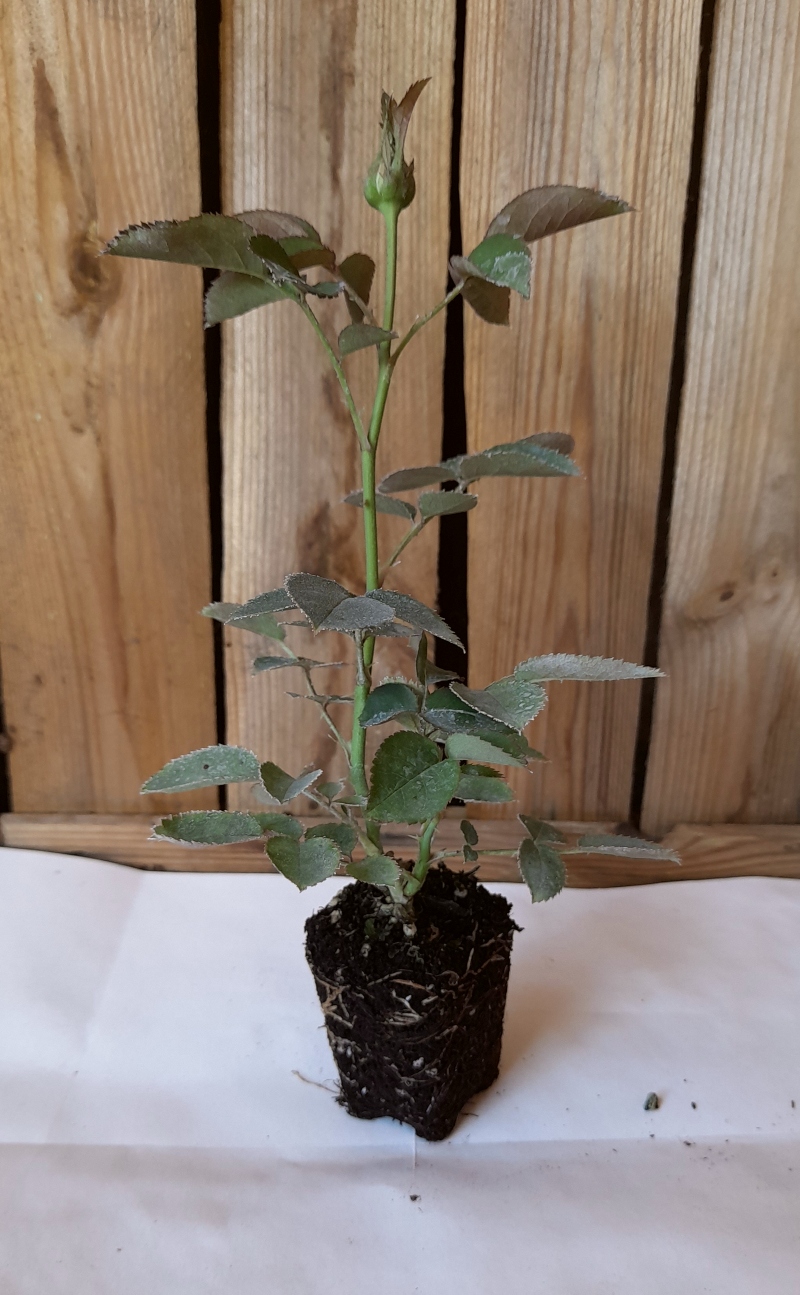
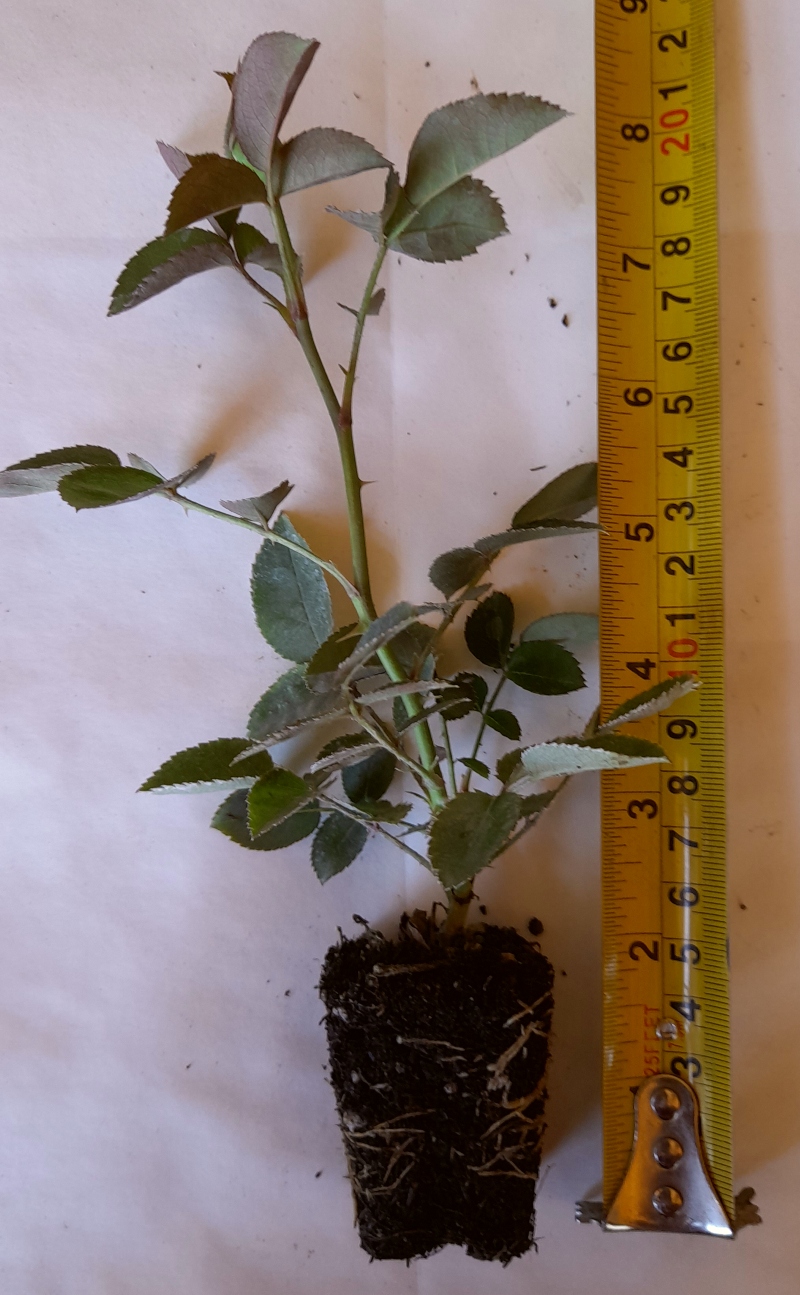
PharmaRosa® NEONATAL own-rooted rose propagation material in a plug, with a root system penetrating the plug (semi-finished product / semi-finished rose). PharmaRosa® NEONATAL rose propagation material size: 3–6‑month‑old, own-rooted cutting with a uniform developmental stage. PharmaRosa® NEONATAL rose propagation material root system: plug densely penetrated by well-developed white roots (root system detail). PharmaRosa® NEONATAL tray stock: own-rooted rose propagation material in trays, uniform developmental stage (10 pcs/tray).

Captions (from left to right): Semi-finished product (NEONATAL own-rooted rose propagation material in a plug with a fully developed root system) • Size demonstration (3–6‑month‑old, uniform cutting) • Root system detail (plug penetrated by the root system) • Tray stock (10 pcs/tray, uniform developmental stage)

pharmarosaneonatal.hupharmarosaneonatal.co.ukpharmarosaneonatal.atpharmarosaneonatal.plpharmarosaneonatal.sipharmarosaneonatal.czpharmarosaneonatal.itpharmarosaneonatal.depharmarosaneonatal.skpharmarosaneonatal.frpharmarosaneonatal.lupharmarosaneonatal.ropharmarosaneonatal.espharmarosaneonatal.nlpharmarosaneonatal.ptpharmarosaneonatal.ltpharmarosaneonatal.sepharmarosaneonatal.lvpharmarosaneonatal.eepharmarosaneonatal.fi

Which product type is right for you?

Pages for private customers
Garden roses for the family garden, with minimal care  → ORIGINAL®
Premium garden roses – instant impact, a truly showpiece garden  → EXTRA®
Pages for professionals and private customers
Roses for public spaces – large areas, sustainable maintenance  → NATURAL®
Roses for projects – hedge and row planting, fast implementation  → RAPID®
For professional partners only
Production – propagation material for garden roses, wholesale  → NEONATAL®

Company details

PharmaRosa Ltd.
Company registration number: 01-09-717479
VAT number: 13075314-2-43
Plant health registration no.: HU130721
Bank account (IBAN):
HU85117631891388688400000000
BIC (SWIFT): OTPVHUHB
Bank name: OTP Bank Nyrt.