Park shrub rose

21-349-1
21-349-2

Plaisanterie

Park - shrub rose

LENtrimera – Louis Lens

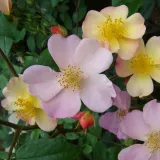
Warm, slightly yellowish-pink base colour that gradually transitions to a pure pink. - park rose - unscented rose - no noticeable fragrance

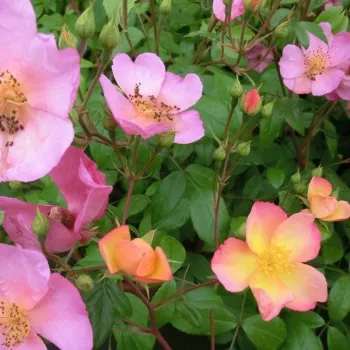
– Ever-changing flowers from orange to pink tones
– Compact climber for walls, fences, pergolas
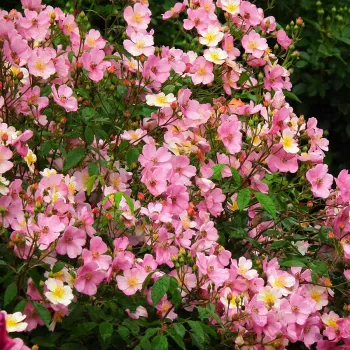
– Abundant clusters with reliable repeat flowering
– Good self-cleaning, minimal deadheading needed
– Decorative orange-red bottle-shaped hips in autumn
– Special feature: Hybrid Musk rose from Lens Roses, valued as a classic show shrub.
Standard finished product
Plaisanterie
pharmaROSA® NEONATAL rooted rose cutting
27,66 £
Due to courier service regulations – and the introduction of customs clearance – delivery to Ireland is temporarily suspended.
4 (5761)
facebook   twitter

Plaisanterie Park - shrub rose LENtrimera – pharmaROSA® NEONATAL rooted cutting

This shrub Hybrid Musk offers a distinctive climbing habit, making it an efficient option for nurseries aiming at pergola, fence and wall lines from a compact bush-trained start. As an own-root pharmaROSA® NEONATAL cutting, it builds a durable production base with predictable regeneration and long-term longevity, supporting homogeneous park-shrub assortments and reliable garden performance for retail and reseller partners. The small single flowers form abundant clusters with good self-cleaning, reducing finished-plant maintenance while still delivering the playful, colour-changing display that defines Plaisanterie. Moderate height and spread make it well suited to standard-container production in 2–3 L, feeding into thematic rose gardens and collection-style plantings where cultivar identity and continuity are important. Over sequential seasons the root system establishes, shoots consolidate, and by the third year the shrub reaches its full ornamental value, matching UK nursery expectations for robust, repeatable stock in conditions ranging from colder inland sites to areas with stronger winds and exposure. For nursery and wholesale networks seeking stable own-root supply, this cultivar’s adaptable structure and repeat flowering profile support portfolio-wide planning and long-term capacity.


Usage options

Target area Reasoning
Park-shrub lines for pergolas and fences The climbing growth habit combined with a bush-trained, compact release form allows efficient training onto pergolas, fences and walls during the grow-on phase. Standard container production in 2–3 L pots keeps handling straightforward while still delivering the structural height your retail / reseller customers expect from a park-shrub. As an own-root shrub, Plaisanterie supports long-term stands for thematic rose gardens and show collections where consistent presentation and reliable garden performance matter for nursery networks.
Colour-dynamic show garden plantings The playfully changing flower colour, shifting from orange through yellow to pink–purple, creates high visual impact in dedicated rose gardens and collection plantings. A standard container route in 2–3 L makes it easy to schedule colour-focused batches for show-garden suppliers and public-realm contracts. On own roots the cultivar sustains this ornamental value over years, offering a renewable base for ranges that highlight diversity and reliable garden performance for public-realm suppliers.
High-throughput border and hedge production Moderately dense, green-bronze foliage and substantial spread make Plaisanterie suitable for loose park borders and informal hedging where volume supply is key. Tray-rooted own-root cuttings at a uniform 3–6‑month stage integrate well into border-line production runs in standard containers. Over time, the regenerating own-root system supports low replacement rates and stable hedge lines, aligning with reliable garden performance demanded by large horticultural operators.
Containers for vertical accents in retail The combination of 150–210 cm height and climbing habit allows you to offer ready-to-train vertical accents from 2–3 L pots, ideal for retailers positioning Plaisanterie as a park-shrub feature plant. Own-root material tolerates repeated pruning and shaping cycles during production without loss of vigour. For UK conditions where winter and wind exposure can be significant, this stability underpins dependable garden performance for retail / reseller.
Remontant flowering for extended sales windows The remontant habit with an abundant second flowering supports extended availability of sale-ready plants with buds and flowers visible in the pot. Aligning crop timing in standard-container 2–3 L production with this repeat flowering allows multiple dispatch windows to different reseller partners. Own-root regeneration helps the plant recover quickly after transport and merchandising, supporting reliable garden performance for integrated supply chains.
Low-maintenance display beds and stock blocks Good self-cleaning means most spent blooms drop without intensive deadheading, which is valuable both in nursery stock beds and in public or show-garden displays. This characteristic partners well with standard container production, reducing labour during finishing and holding periods. While disease management must be consistent, the own-root structure gives long-term continuity in stock blocks, supporting reliable garden performance for collection managers.
Cut-branch and colour-study material Cluster-flowered, single blooms on branching stems provide interesting cut material for colour studies and display work in thematic rose gardens. Production in 2–3 L containers yields manageable plants that can be moved or staged as needed. Own-root plants tolerate repeated cutting due to their regenerative root system, helping you maintain stable donor stands over many seasons for show-garden organisers.
Cultivar maintenance and collection stands The verified cultivar authenticity and hybrid origin (‘Trier’ × Rosa chinensis ‘Mutabilis’) make Plaisanterie valuable for rose collections and breeding reference beds. Tray-grown own-root cuttings ensure genetic identity and allow easy renewal of maintenance stands without re-grafting. With roots consolidating in year one and shoots building in year two, by year three the collection specimens reach full display value, supporting reliable garden performance for thematic rose gardens.

Finished-product ideas

  • 2–3 L pergola climber line – Bush-trained, climbing plants finished in 2–3 L standard containers for pergola and fence use, leveraging height and structure; suited to retail and park-shrub reseller ranges – target audience/channel: retail / reseller
  • Colour-change feature shrub – Emphasises the playful, changing flower colours in compact, own-root shrubs for thematic and show gardens; aligns with reliable garden performance messaging – target audience/channel: show-garden organisers
  • Border and screen series – Utilises height, spread and moderately dense foliage to create informal screens from uniform 2–3 L stock; own-root stability supports long-term plantings – target audience/channel: public-realm suppliers
  • Collection-grade reference plants – Verified, own-root material in standard containers for cultivar collections and breeding reference beds, highlighting origin and stable regeneration – target audience/channel: nurseries and collection managers
  • Remontant display units – Timed crops to present buds and flowers from remontant flowering in 2–3 L containers, giving extended bench appeal and predictable sales windows – target audience/channel: garden centres and multi-site retailers

Technical cultivar profile
Name and registration Plaisanterie Park - shrub rose LENtrimera (registered as LENtrimera), a shrub Hybrid Musk park rose in the Park - shrub rose commercial group; exhibition classification show shrub rose with ARS name Plaisanterie.
Origin and breeding Bred by Louis Lens in Belgium (breeding year 1988), introduced and registered in 1996 by Lens Roses / Louis Lens N.V.; parentage is ‘Trier’ × Rosa chinensis ‘Mutabilis’, reflecting classic Hybrid Musk genetics.
Awards and recognition Recognised as a classic shrub rose at the Mother Lode Rose Society show in 2001, confirming its suitability for exhibition-type shrub classes and supporting its use in show garden and collection contexts.
Growth and structural characteristics Climbing growth habit with 150–210 cm height and 170–230 cm spread, moderately dense, slightly glossy green‑bronze foliage and moderate prickliness; released as a bush-trained, compact plant for structural training.
Flower morphology Small single flowers (0.5–1.5 in) with 5–12 petals, flat and cluster-flowered; remontant with an abundant second flush, providing extended seasonal interest and good coverage on trained frameworks or free-standing shrubs.
Colour data and phenology Warm, slightly yellowish-pink base shifts through orange and yellow to pink–purple; ARS PB, RHS 54A–54B; colour retention is poor but the continuous colour change gives a lively, variable display in garden settings.
Fragrance and aroma No noticeable fragrance; classified as an unscented rose, so production and marketing should focus on colour dynamics, flower abundance and structural performance rather than scent-driven positioning.
Hip characteristics Forms bottle-shaped, orange-red hips in moderate quantities, 8–12 mm diameter; hips extend seasonality visually and may add interest in collection and park contexts without being a primary commercial driver.
Resistance and winter hardiness Hardy to approximately -21 to -18 °C (RHS H7, Swedish zone 3, USDA 6b); heat tolerance is moderate, with watering in dry spells supporting flowering; disease resistance is weak, requiring consistent protection, especially against powdery mildew and rust.
Horticultural recommendations Suited for specimen, pergola, fence, wall and border use, with some cut-flower potential; recommended path is standard-container production, 2–3 L target pots, with high maintenance and regular plant protection due to disease sensitivity.

Plaisanterie Park - shrub rose LENtrimera offers adaptable climbing structure, playful colour dynamics and own-root longevity for predictable, regenerating stands; please contact us to align capacity and scheduling for your nursery programme.
Detailed product attributes

Product Identification Data

Product Name: PLAISANTERIE – pink park rose - Lens
Product Type: pharmaROSA® NEONATAL - rooted rose cutting
Cultivar Authenticity: Verified:04.07.2025
Cultivar Quality Rating: premium bronze
Item Number: [1342] 21-349 (14.02.2026) pharmarosaneonatal.co.uk

Name and Registration

Meaning of Cultivar Name: The French word "plaisanterie" means "jest" or "fun", referring to the flower's playfully changing colour.
Original Trade Name: Plaisanterie
Current Trade Name: Plaisanterie Park - shrub rose LENtrimera
Rose Group: Shrub, Hybrid Musk
Commercial Type: park rose
Commercial Group: Park - shrub rose
Exhibition Category: show shrub rose
Collection: Park - shrub rose

Origin and Breeding

Initial Distributor: Lens Roses (Belgium); Louis Lens N.V. (Belgium)
Breeder: Louis Lens
Breeding Company / Institution: Lens Roses NV (Belgium)
Breeding Year: Belgium, 1988
Parentage: ‘Trier’ × Rosa chinensis ‘Mutabilis’

Awards and Honours

Competition and Show Awards: Classic shrub rose – Mother Lode Rose Society show (2001)

Growth and Structural Characteristics

Height: 4.9-6.9ft (150-210 cm)
Spread: 5.6-7.5ft (170-230 cm)
Growth Habit: climbing
Foliage: The variety has moderately dense foliage. The leaves have a slightly glossy surface and a green‑bronze colour.
Prickliness: moderately thorny
Self-Cleaning Description: Most spent blooms fall off, requiring little subsequent deadheading.
Self-Cleaning Intensity: Self-cleaning: good.

Flower Morphology

Petal Count: 5–12
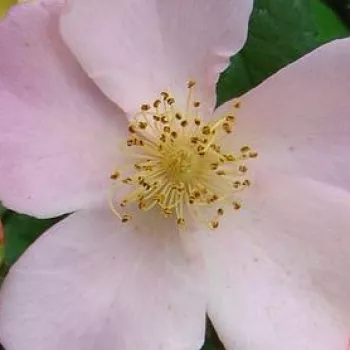
Flower Fullness: single-flowered
Flower Shape: flat
Flower Size: S (0,5-1,5 in)
Inflorescence Type: cluster-flowered
Colour Code: ARS code: PB RHS code: 54A, 54B
Repeat Flowering: Remontant, with an abundant second flowering.

Colour Data and Phenology

Colour: pink
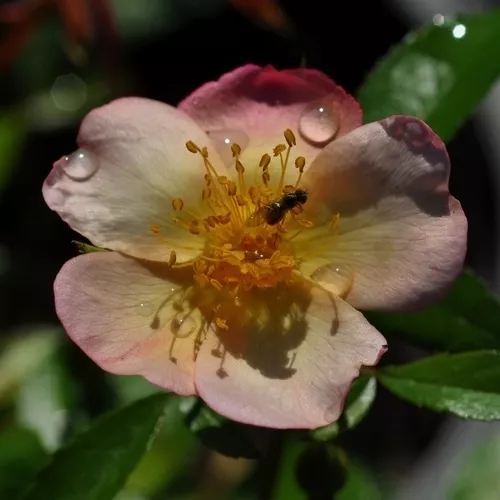
Flower Colour Description: Warm, slightly yellowish-pink base colour that gradually transitions to a pure pink.
Closed Bud: Vibrant orange with a delicate reddish tint.
Newly Opened Flower: Light yellowish‑pink petals with a pale pink edging.
Full Bloom: Medium pink on the outer surface, with a slightly lighter pink tone on the inside.
Before Fading: Deep pink, darkening to purplish-pink at the edges.
Colour Fading Description: The flowers' colour changes from orange, through yellow, to pink–purple shades as they age.

Fragrance and Aroma

Fragrance Strength: unscented rose
Fragrance Character: no noticeable fragrance
Pollinator Attraction: Semi-double, 13–25 petal flowers moderately attract pollinators because the semi-double form and partially concealed stamens limit insects’ access to nectar and pollen.
Pollinator-Friendly Rating: Its single flowers moderately attract pollinators, so it is at most partly pollinator-friendly.

Hip Characteristics

Hip Shape: bottle-shaped
Hip Colour: orange-red
Hip Comment: Bottle-shaped, orange-red rose hips formed in moderate quantities, 8–12 mm in diameter.

Resistance and Hardiness

Hardiness (°C): -21–-18 °C
Heat and Drought Tolerance Description: Tolerates heat well; watering during dry spells helps maintain continuous flowering.
Disease Resistance: sensitive
  • powdery mildew – very sensitive
  • black spot – moderate
  • rust – very sensitive

Horticultural Recommendations

Recommended product path: Standard container
Release form: Bush-trained, compact plant
Recommended use: Maintenance requirement high; regular plant protection is necessary due to poor disease resistance, especially against powdery mildew and rust.
Primary Uses: specimen, pergola, fence, wall, border, cut flower

Comments

Positioning: Standard finished product
Target customer/channel: Retail / reseller
Main value proposition: Reliable garden performance
PLAISANTERIE – pink park rose - Lens
Warm, slightly yellowish-pink base colour that gradually transitions to a pure pink. - park rose - unscented rose - no noticeable fragrance
The rose webshop. - pink - unscented rose - Plaisanterie - park rose - (4.9-6.9ft (150-210 cm))
Inflorescence: cluster-flowered Height: 4.9-6.9ft (150-210 cm) Flower shape: flat Winter hardiness: 6b pink - Lens Roses (Belgium); Louis Lens N.V. (Belgium) park rose - Flower size: S (0,5-1,5 in) Flower size: S (0,5-1,5 in) - Height: 4.9-6.9ft (150-210 cm) Height: 4.9-6.9ft (150-210 cm) - Flower fullness: single-flowered Plaisanterie - Roses in the garden | pharmaROSA® Neonatal - premium bronze Louis Lens

We showcase the external appearance of the roses available for online purchase from our webshop.


Which product type is right for you?


PharmaRosa® NEONATAL is the cost‑effective starting point for rose product production.

As a uniform, own‑rooted propagation material, it provides a stable basis for further growing-on and can be integrated flexibly into different finished product production technologies.
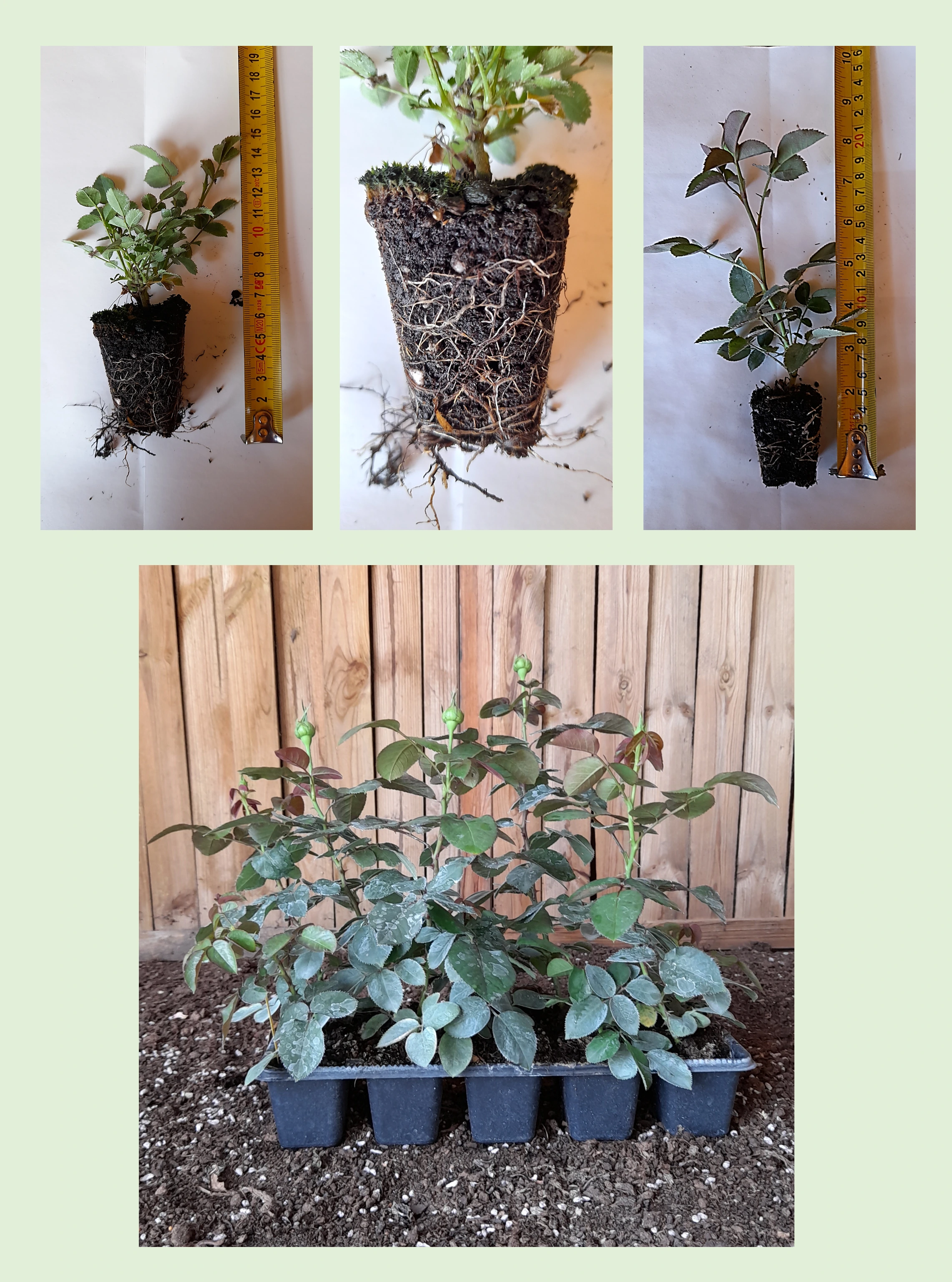
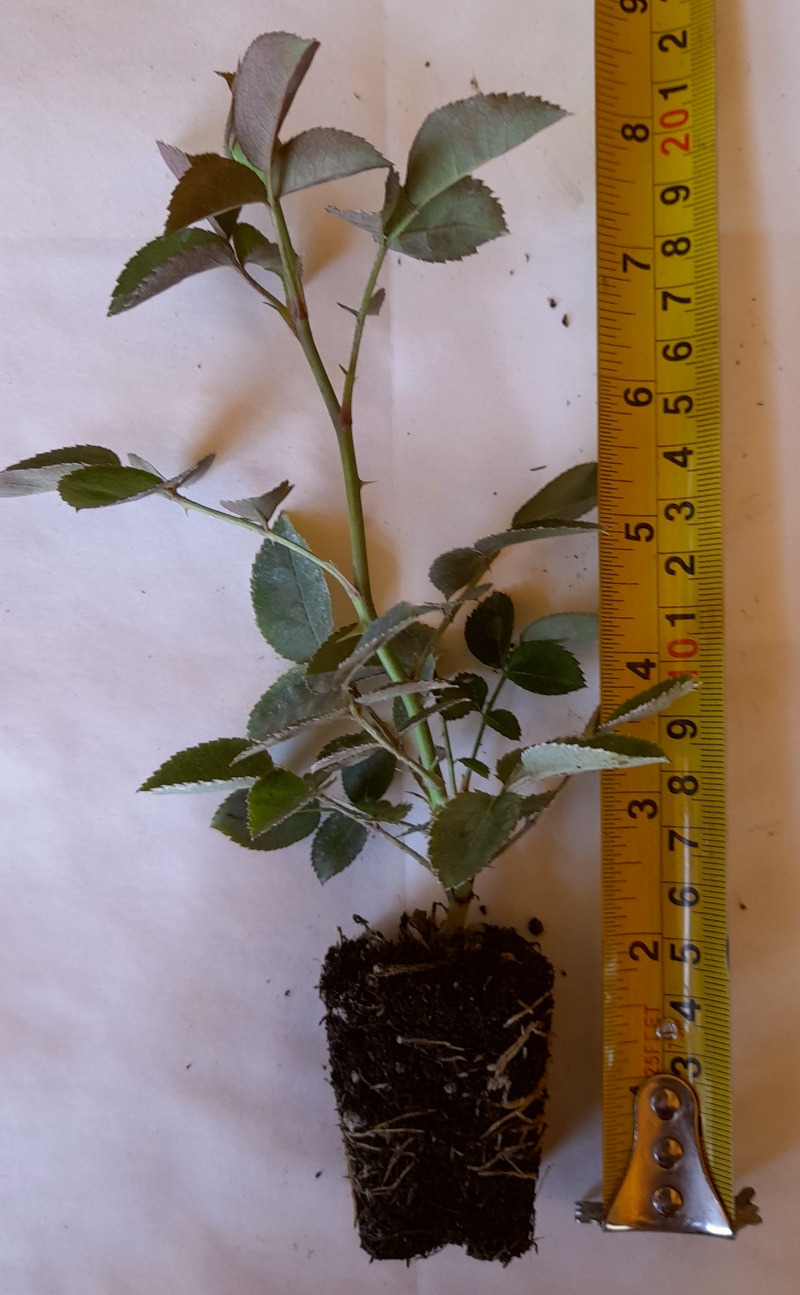
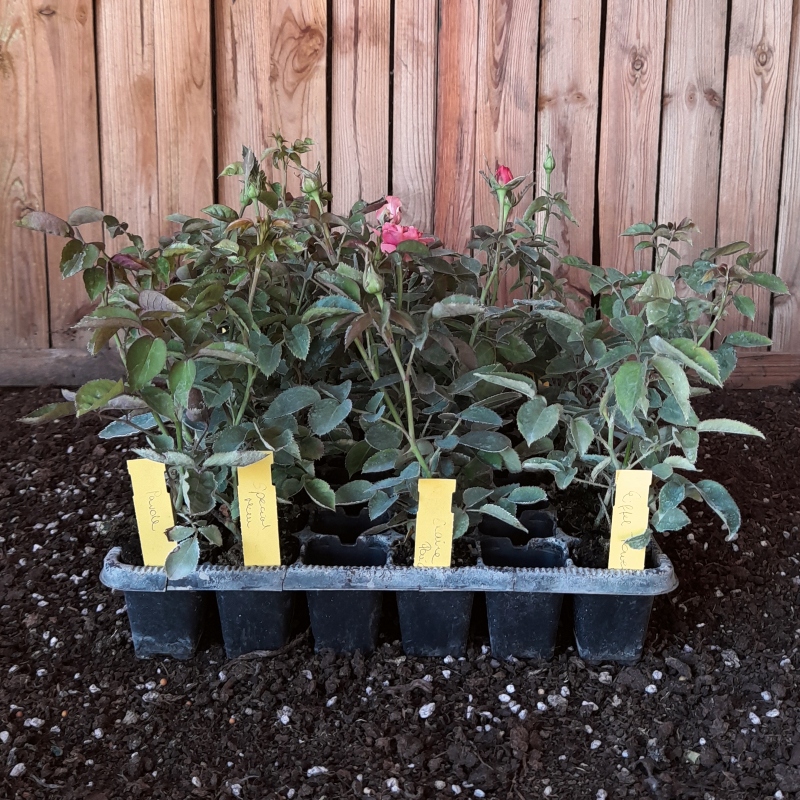
Rooted in trays (rooted), 3–6‑month‑old, own‑rooted rose cutting.
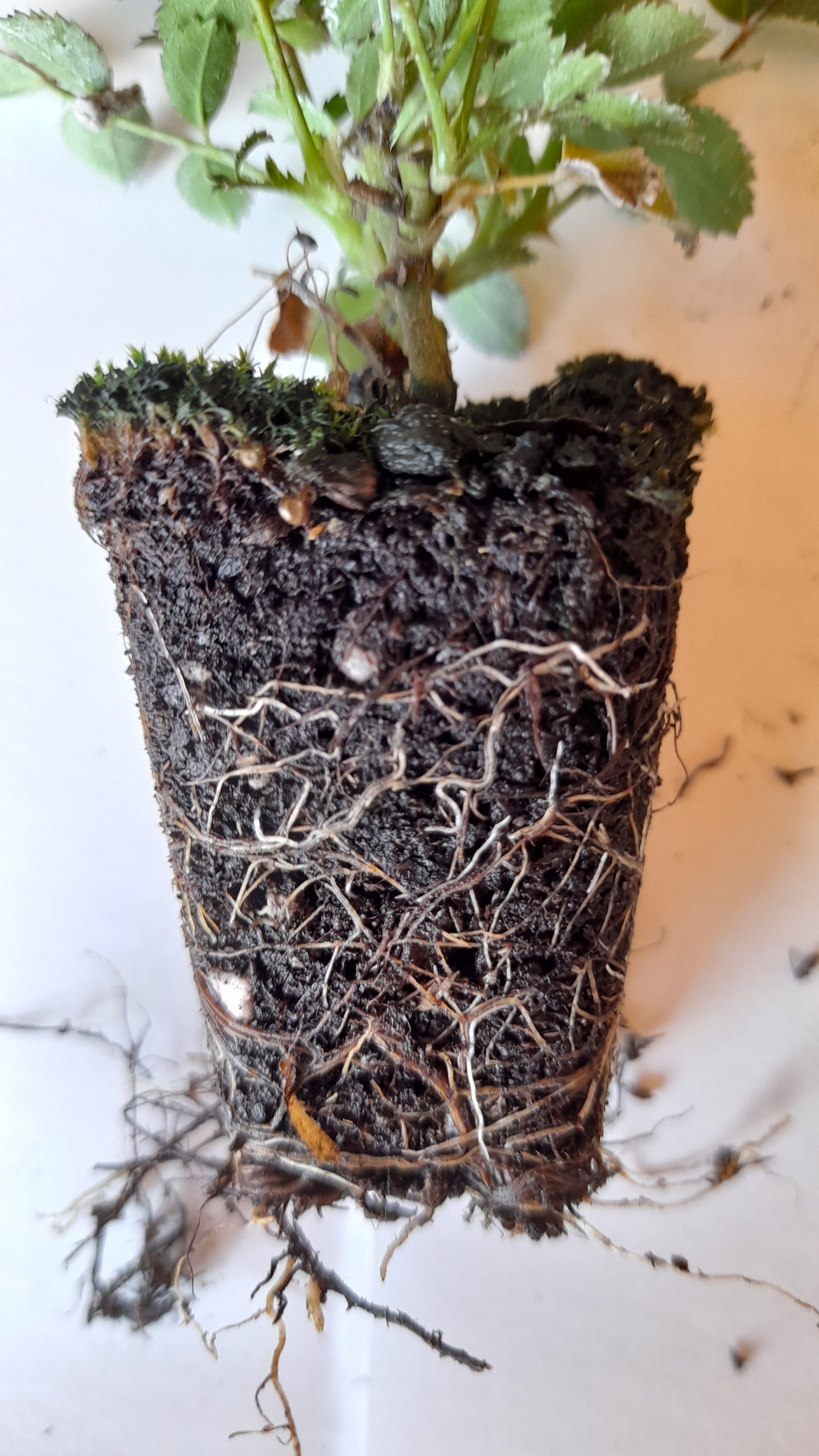
Uniform developmental stage, with a root system that has thoroughly penetrated the plug.
For professional growing‑on.
Tray packaging: 10 pcs/tray.
Quality and varietal identity: production supported by a dedicated identification and traceability logic.
Can be transplanted during frost‑free periods, designed for finished product production.

PharmaRosa® NEONATAL provides a controlled, uniform starting stock for planned growing‑on that can be integrated into your own technology – especially where scheduling and varietal identity are paramount.


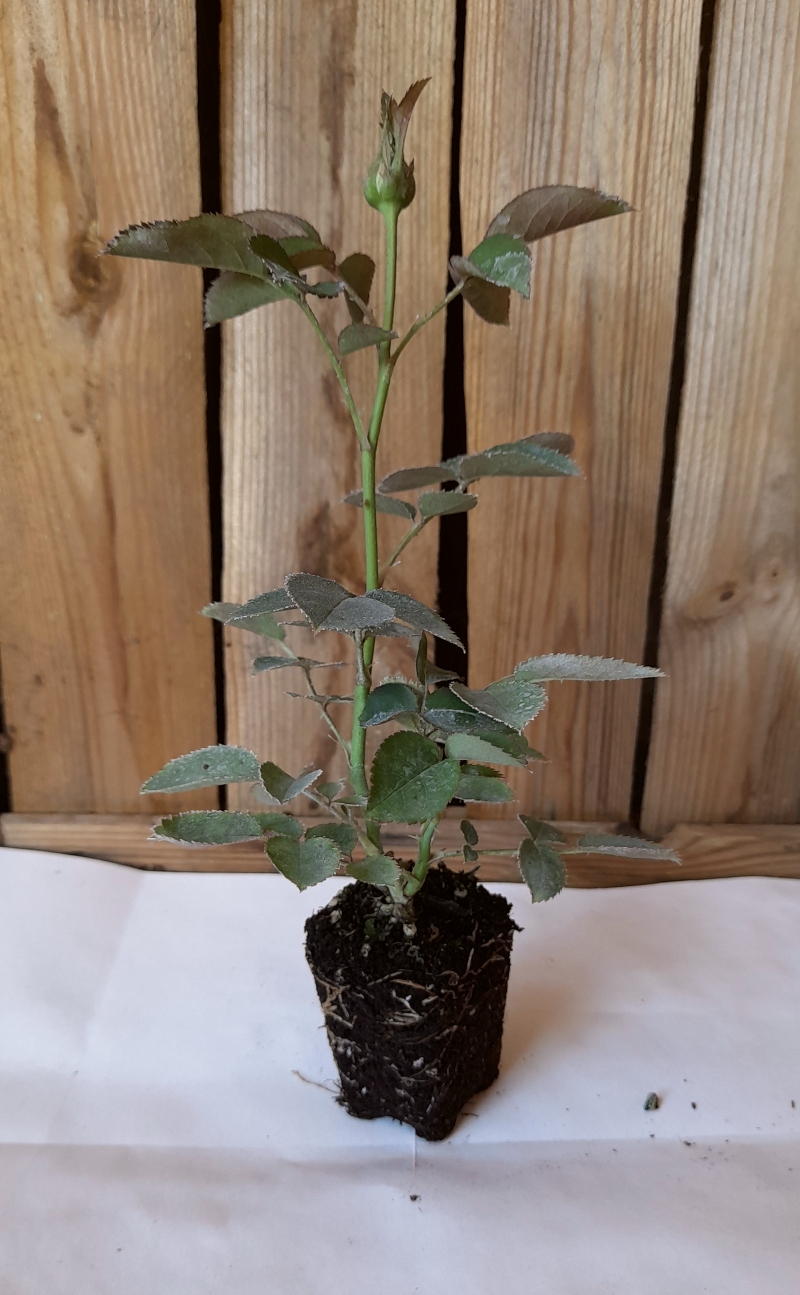
PharmaRosa® NEONATAL own-rooted rose propagation material in a plug, with a root system penetrating the plug (semi-finished product / semi-finished rose). PharmaRosa® NEONATAL rose propagation material size: 3–6‑month‑old, own-rooted cutting with a uniform developmental stage. PharmaRosa® NEONATAL rose propagation material root system: plug densely penetrated by well-developed white roots (root system detail). PharmaRosa® NEONATAL tray stock: own-rooted rose propagation material in trays, uniform developmental stage (10 pcs/tray).

Captions (from left to right): Semi-finished product (NEONATAL own-rooted rose propagation material in a plug with a fully developed root system) • Size demonstration (3–6‑month‑old, uniform cutting) • Root system detail (plug penetrated by the root system) • Tray stock (10 pcs/tray, uniform developmental stage)

pharmarosaneonatal.hupharmarosaneonatal.atpharmarosaneonatal.co.ukpharmarosaneonatal.czpharmarosaneonatal.depharmarosaneonatal.ropharmarosaneonatal.sipharmarosaneonatal.skpharmarosaneonatal.itpharmarosaneonatal.frpharmarosaneonatal.nlpharmarosaneonatal.plpharmarosaneonatal.lupharmarosaneonatal.ptpharmarosaneonatal.espharmarosaneonatal.ltpharmarosaneonatal.sepharmarosaneonatal.lvpharmarosaneonatal.eepharmarosaneonatal.fi

Which product type is right for you?

Pages for private customers
Garden roses for the family garden, with minimal care  → ORIGINAL®
Premium garden roses – instant impact, a truly showpiece garden  → EXTRA®
Pages for professionals and private customers
Roses for public spaces – large areas, sustainable maintenance  → NATURAL®
Roses for projects – hedge and row planting, fast implementation  → RAPID®
For professional partners only
Production – propagation material for garden roses, wholesale  → NEONATAL®

Company details

PharmaRosa Ltd.
Company registration number: 01-09-717479
VAT number: 13075314-2-43
Plant health registration no.: HU130721
Bank account (IBAN):
HU85117631891388688400000000
BIC (SWIFT): OTPVHUHB
Bank name: OTP Bank Nyrt.