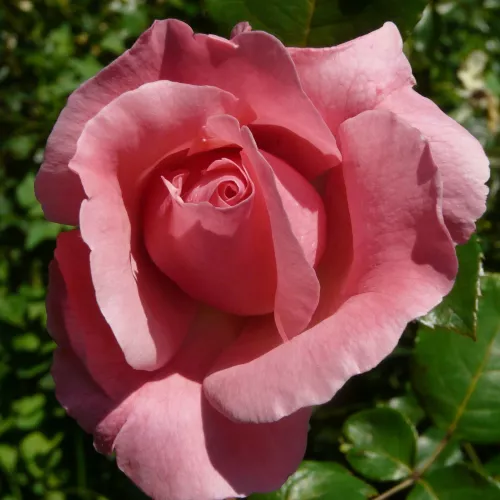
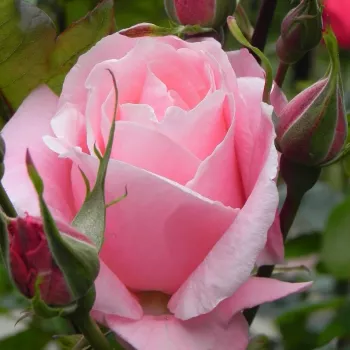
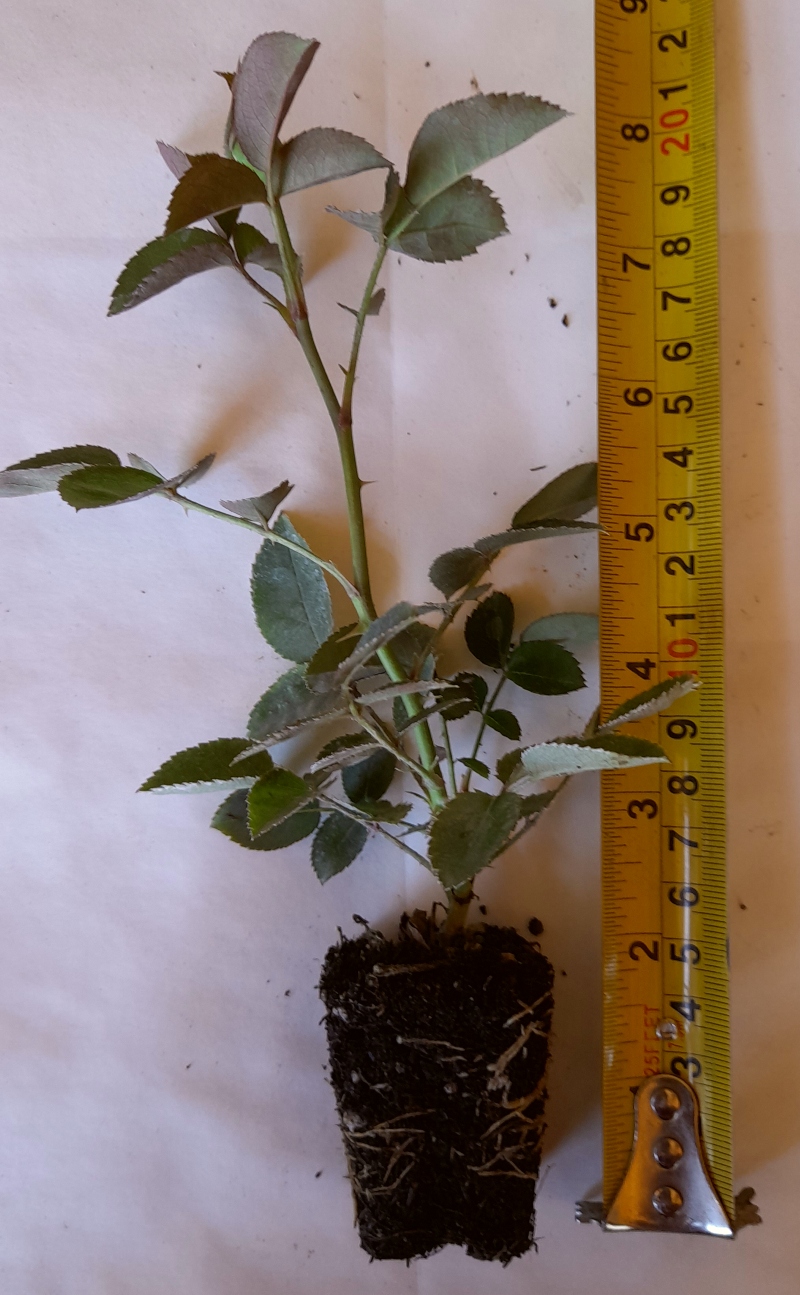
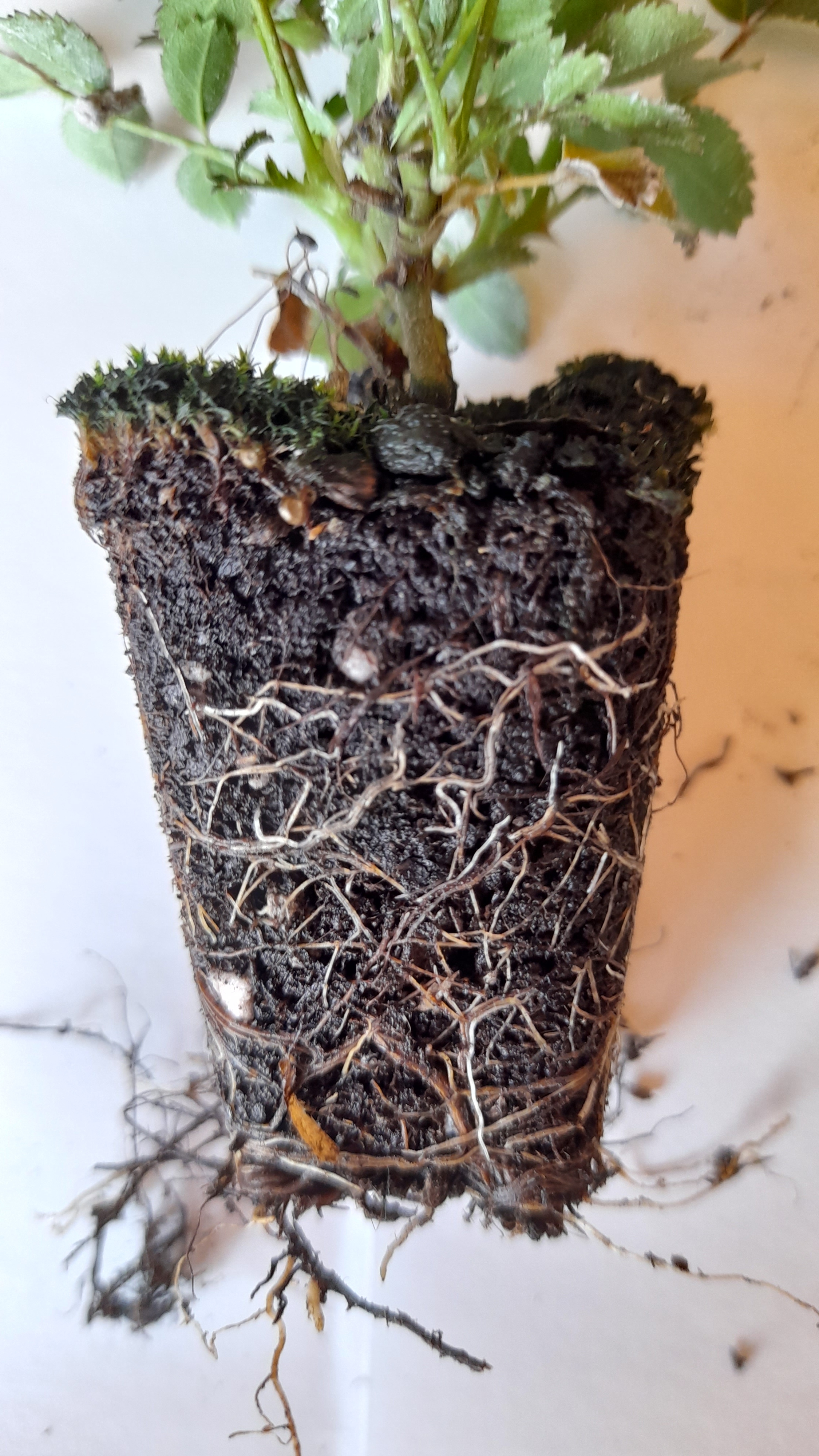
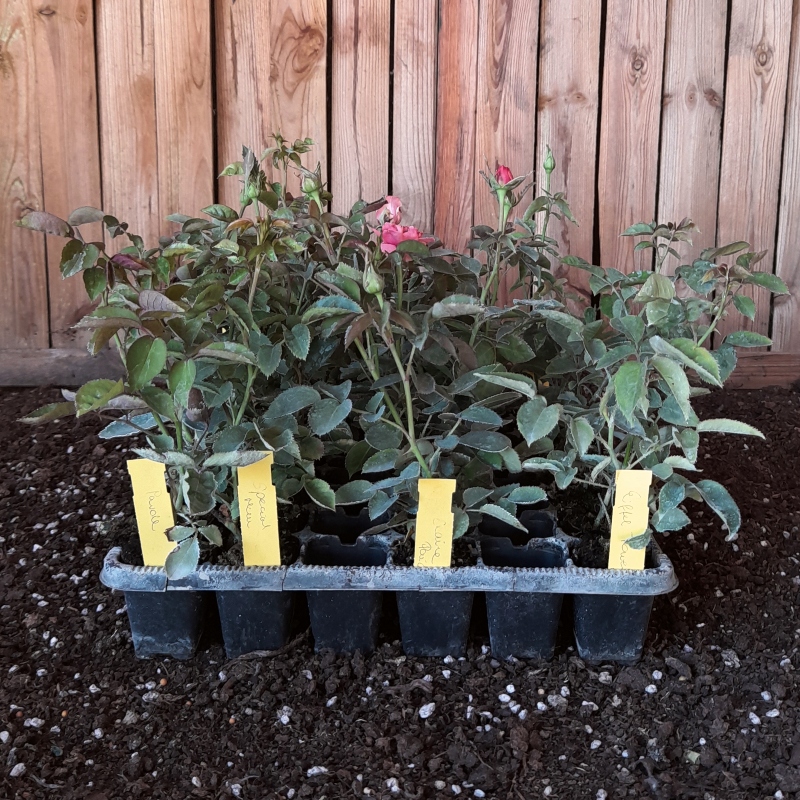
QUEEN ELIZABETH – pink bedding grandiflora rose – rooted cutting for professional production
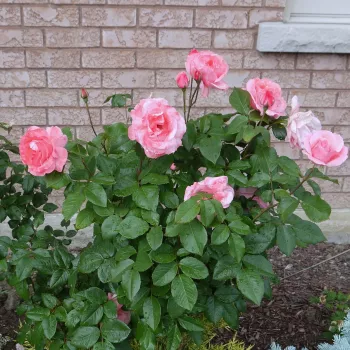
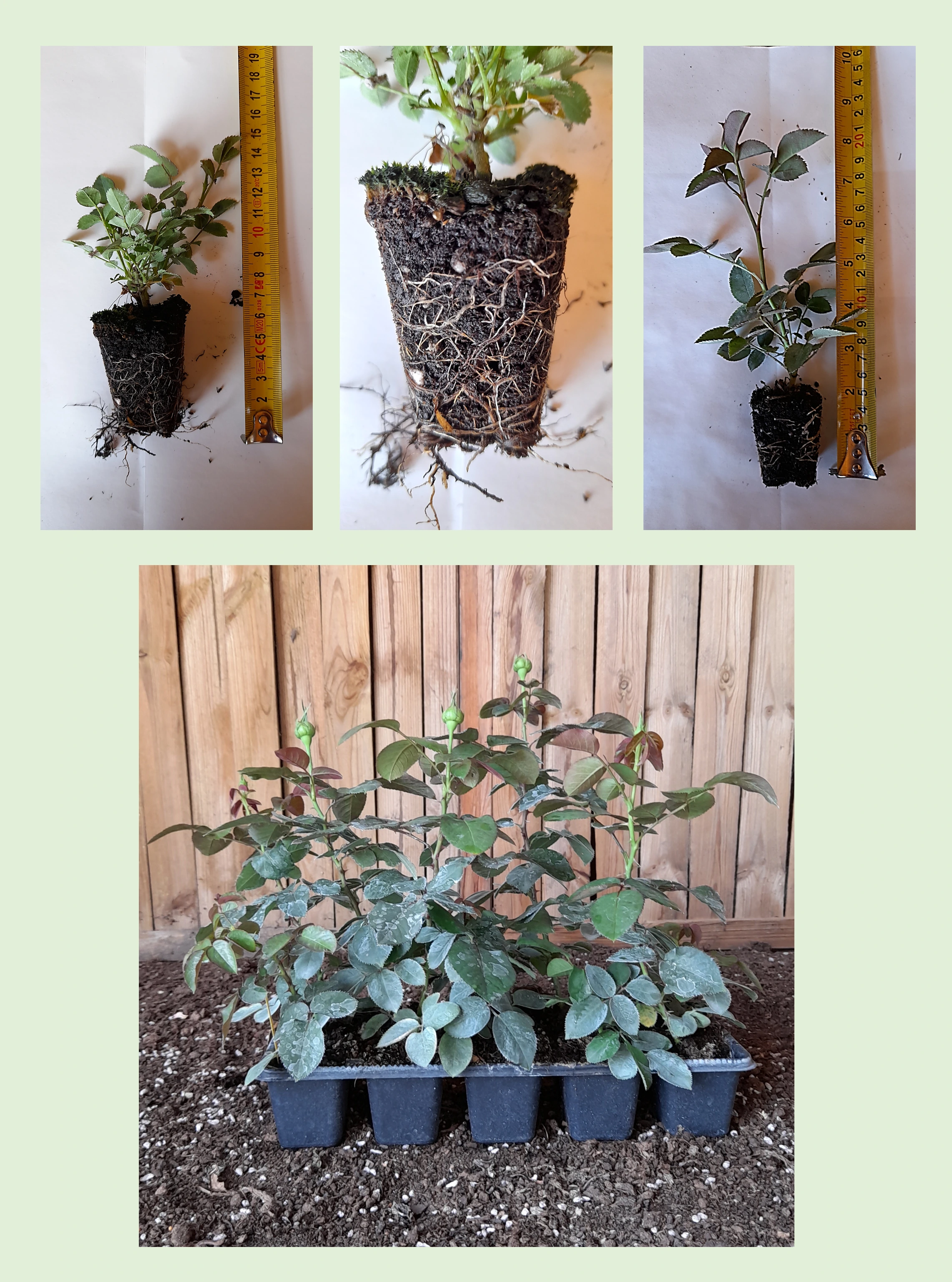
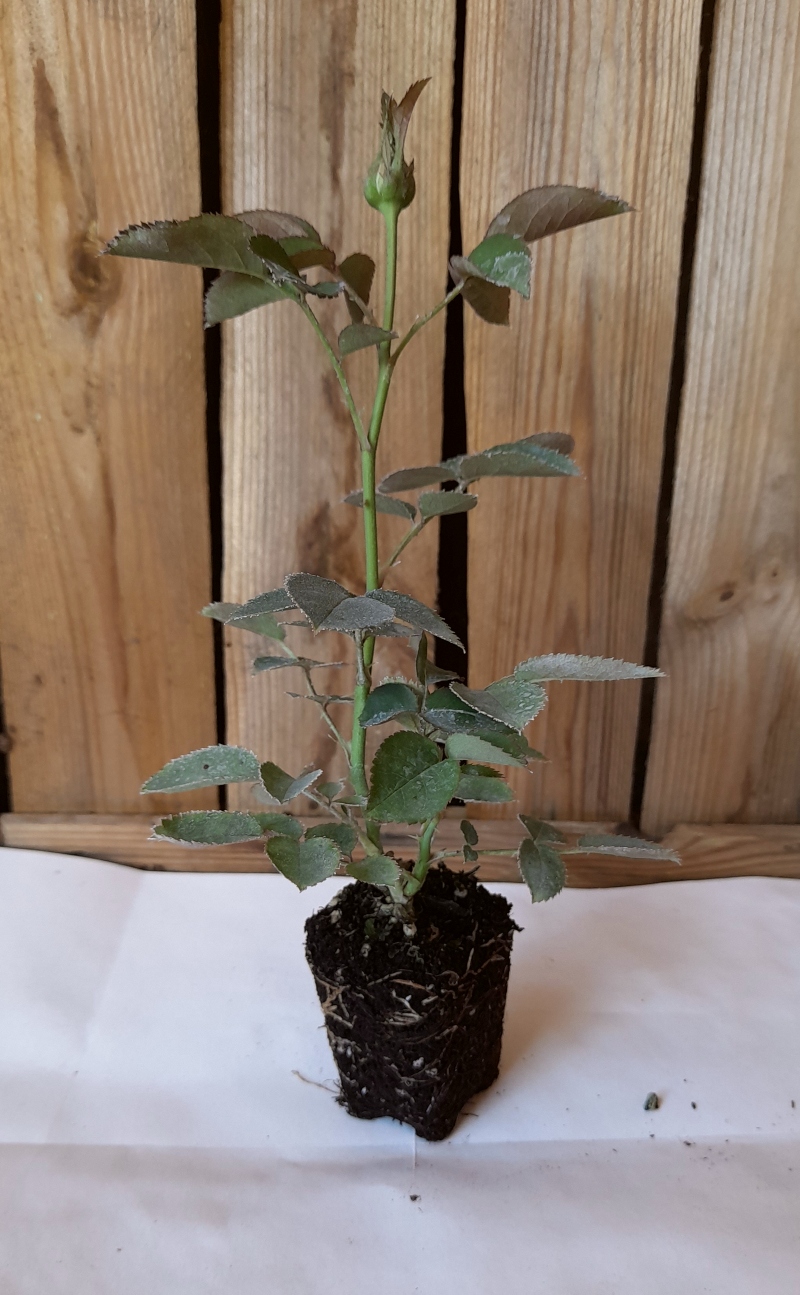
As a historic grandiflora bred for reliability, QUEEN ELIZABETH offers a proven, upright structure and dense, dark green foliage that suit nursery container systems and landscape-directed production. The double, mid-pink flowers are generously sized, remontant and well-clustered, giving strong visual impact in standard 2–3 L routes and later in larger, 40–50 litre landscape formats. Own-root propagation supports long-term, renewable cropping with predictable, homogeneous blocks and low replacement in propagation beds and park supply chains. With H7-level winter hardiness, it integrates reliably into UK-wide programmes, even in Scotland and North England where winter and wind tolerance is valued. Moderate disease resistance and self-cleaning behaviour help keep maintenance at a manageable level for both nursery teams and downstream municipal users. Over a natural development arc of year-one root establishment, year-two structural framework and year-three full ornamental performance, this cultivar fits well into professional schedules for thematic rose gardens, hedging projects and reliable retail/reseller ranges.
Usage options
Finished-product ideas
- Heritage 3L Grandiflora Line – 2–3 L bush-trained plants highlighting historic awards, remontant flowering and reliable structure; suited to branded heritage segments in retail/reseller channels – garden centre and quality DIY chains.
- Park Hedge Module 50L – 40–50 litre containers grown on for 2–3 seasons to maximise height, dense foliage and robustness, ready for hedge and backdrop use – municipal parks, estates and institutional landscaping.
- Collection Garden Signature Block – own-root plants established in nursery beds as long-term stock, then lifted or containerised as labelled collection pieces, emphasising pedigree and reliability – thematic rose gardens and show collections.
- Cut-&-Garden Dual-Purpose Pot – upright, strong-stemmed 2–3 L plants marketed for both bedding and cutting, using the remontant flowering and large blooms as key features – premium retail programmes seeking added-value messaging.
- Public Bedding Colour Unit – standardised 2–3 L modules for quick installation into massed bedding, relying on repeat colour, moderate maintenance and own-root regeneration – framework suppliers to councils and public-realm contracts.
Technical cultivar profile
| Parameter |
Data |
| Name and registration |
Grandiflora bedding rose, registered as Queen Elizabeth, used commercially as QUEEN ELIZABETH – pink bedding grandiflora rose - Lammerts; American Rose Society exhibition name also Queen Elizabeth. |
| Origin and breeding |
Bred in the United States in 1951 by Walter Edward Lammerts at Armstrong Nurseries, from 'Charlotte Armstrong' × 'Floradora', and introduced to the market by Jackson & Perkins in 1954. |
| Awards and recognition |
Highly decorated: Portland Gold Medal 1954, All-America Rose Selections 1955, American Rose Society Gold Medal 1957, Golden Rose of The Hague 1968, and World Federation Hall of Fame World’s Favourite Rose 1979. |
| Growth and structural characteristics |
Vigorous, upright plant reaching about 180–260 cm high with 70–110 cm spread, moderately thorny, with dense, glossy, dark green foliage that builds a strong shrub framework in both bedding and hedge uses. |
| Flower morphology |
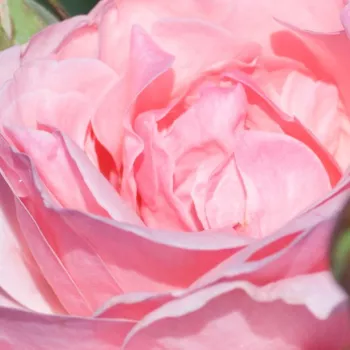
Large, double flowers with 26–39 petals, cupped form, borne in clusters; remontant with abundant second flowering, providing repeated ornamental impact suitable for garden, hedge and cut-flower applications. |
| Colour data and phenology |
Mid-pink blooms, ARS mp and RHS 65B outer, 65C inner, with a soft silvery sheen; colour holds moderately, fading in strong sun to lighter pink but remaining more vivid in cooler conditions across the season. |
| Fragrance and aroma |
Delicate, sweet fragrance of mild intensity, offering a restrained but noticeable scent component that complements the visual performance without being the primary focus of the cultivar’s value. |
| Hip characteristics |
Moderate production of ovoid, 12–18 mm orange-red hips with ornamental value, extending seasonal interest into late summer and autumn where spent flowers are not entirely removed. |
| Resistance and winter hardiness |
Hardy to approximately -26 to -23 °C (USDA 5b, RHS H7, Swedish zone 4); disease resistance overall moderate, with good black spot resistance and moderate susceptibility to powdery mildew and rust. |
| Horticultural recommendations |
Suited to bedding, specimen, hedge, cut flower and park use; moderate maintenance with some deadheading and occasional plant protection, best produced as bush-trained, compact plants in standard 2–3 L containers. |
QUEEN ELIZABETH offers proven structure, repeat flowering and robust hardiness on an own-root base that supports predictable, regenerative stands for nursery and landscape supply; please contact us to align on capacity and scheduling.