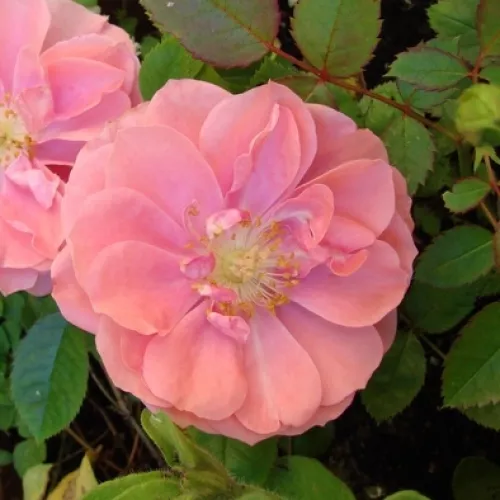
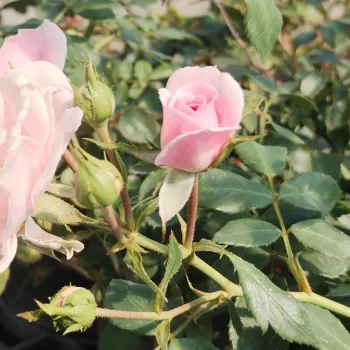
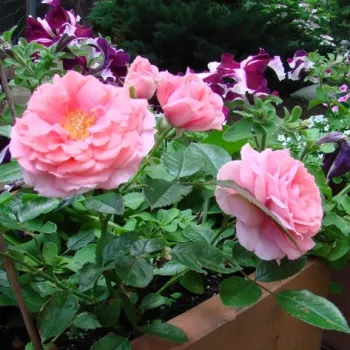
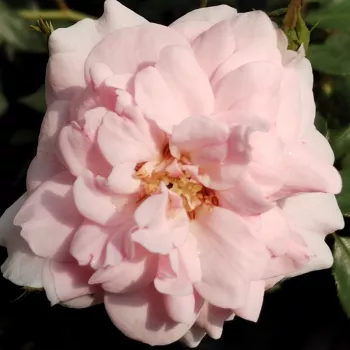
| Patio and compact container programmes (1.5–2 L) |
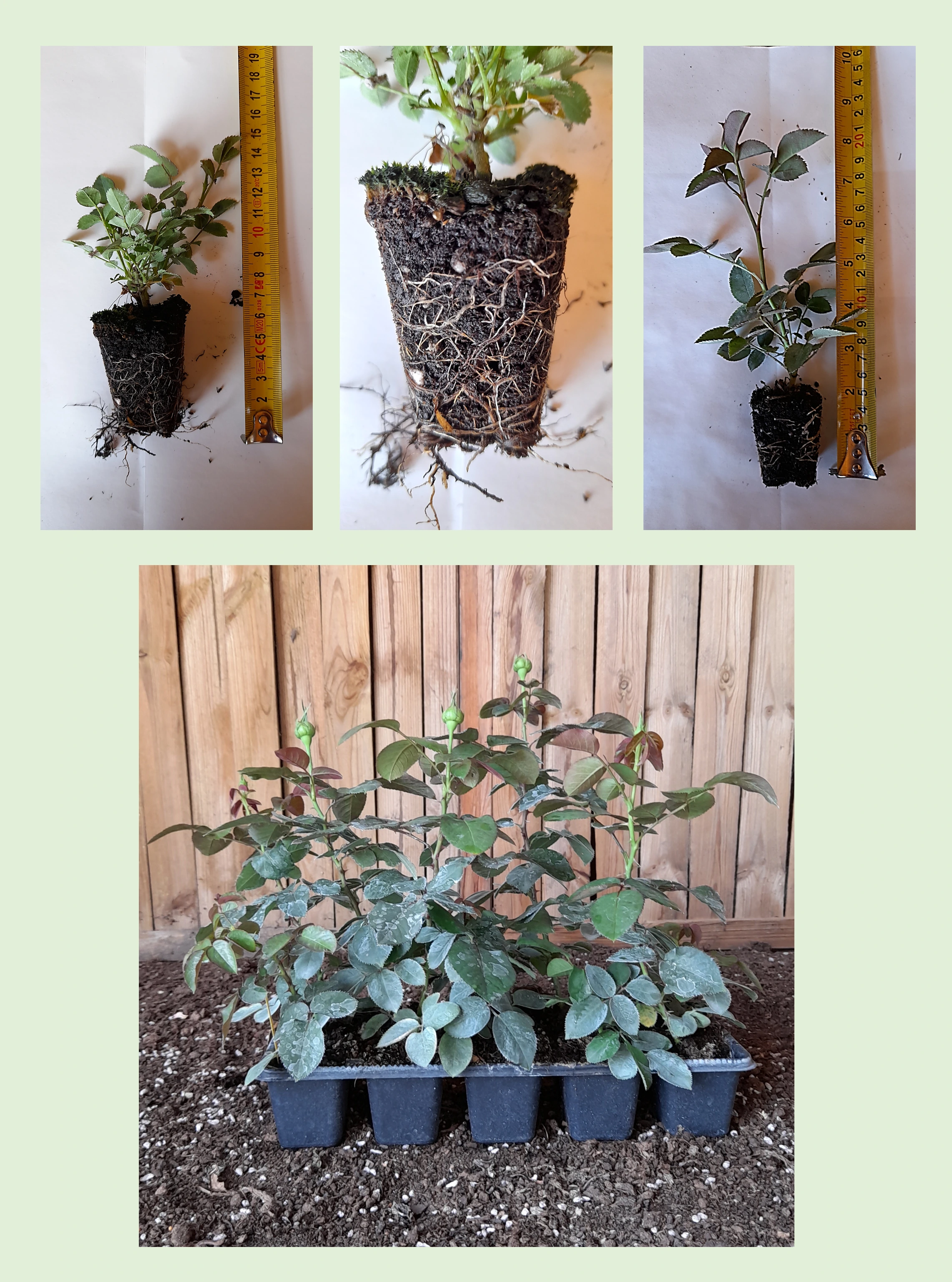
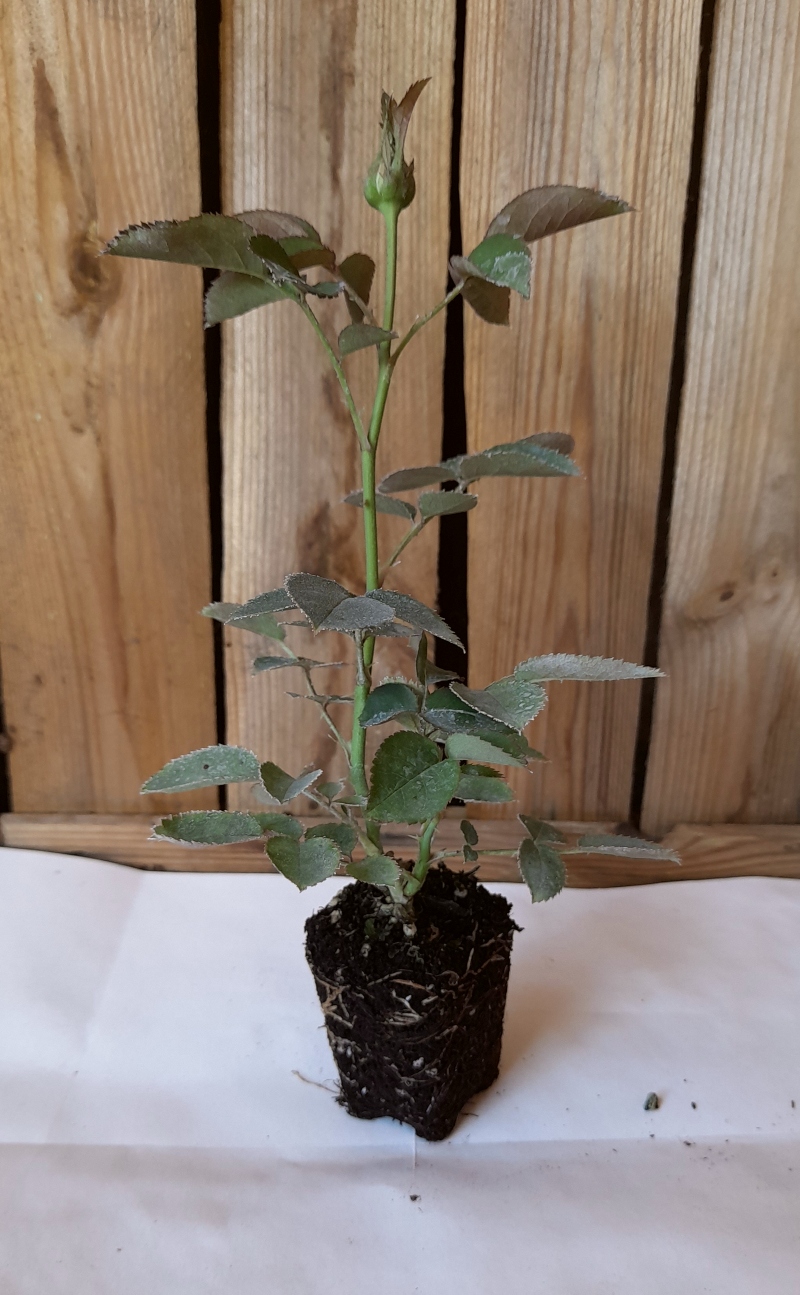
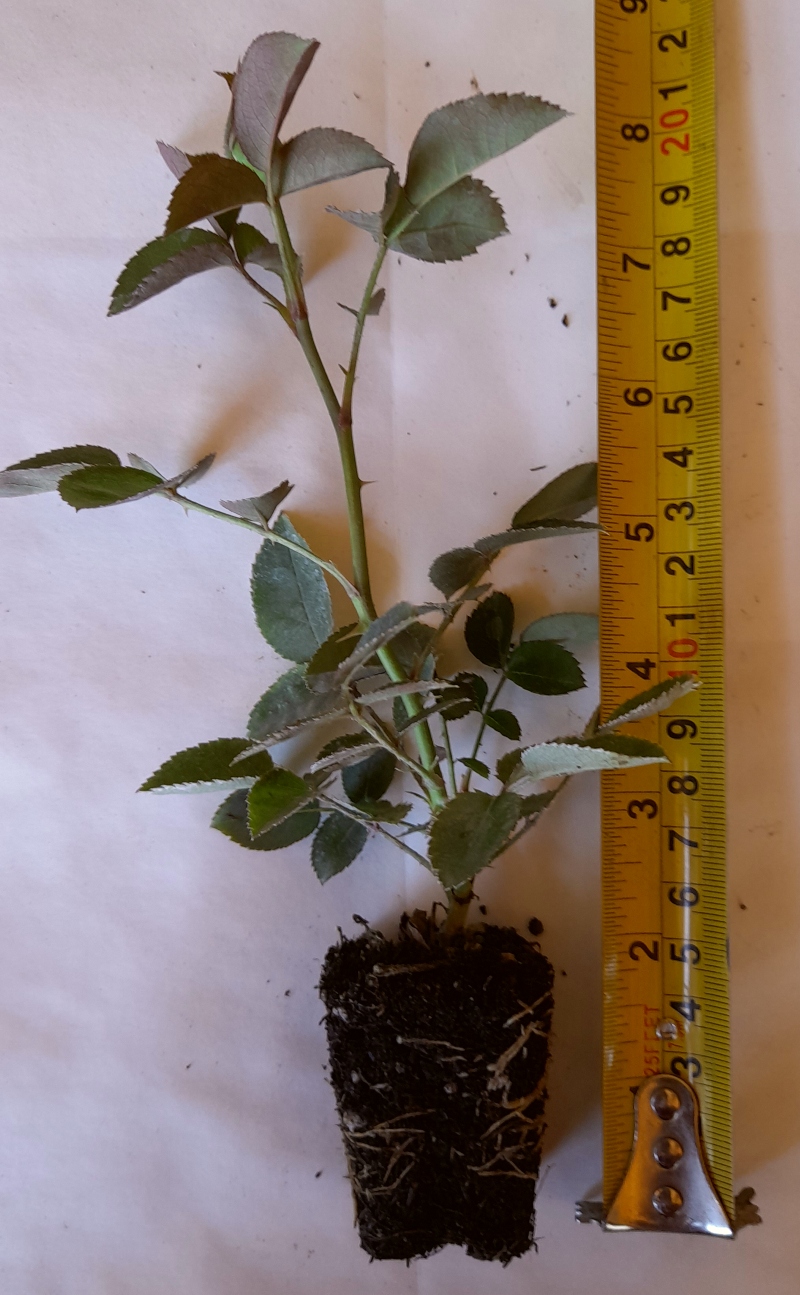
The naturally compact, dwarf habit with 25–35 cm height aligns closely with the recommended compact container – patio finished product route and 1.5–2 L target pot, minimising growth‑regulation interventions and bench losses. Remontant cluster flowering supports the instant, long‑lasting floral display positioning and impulse‑led retail focus, giving your patio ranges a uniform, easily repeatable SKU for garden centre and nursery benches targeting retail partners. |
| Edging and groundcover modules for urban projects |
The dense, low, 30–40 cm spread and compact structure make it suitable for edging, rock garden and low groundcover applications, where steady cover and controlled height are important for urban green space and park schemes. Medium maintenance needs and own‑root regeneration support predictable, low‑replacement stands in municipal or institutional programmes, while the pink, cupped blooms deliver consistent ornament for thematic rose garden concepts supplied through public‑realm contractors. |
| High‑density nursery propagation and stock beds |
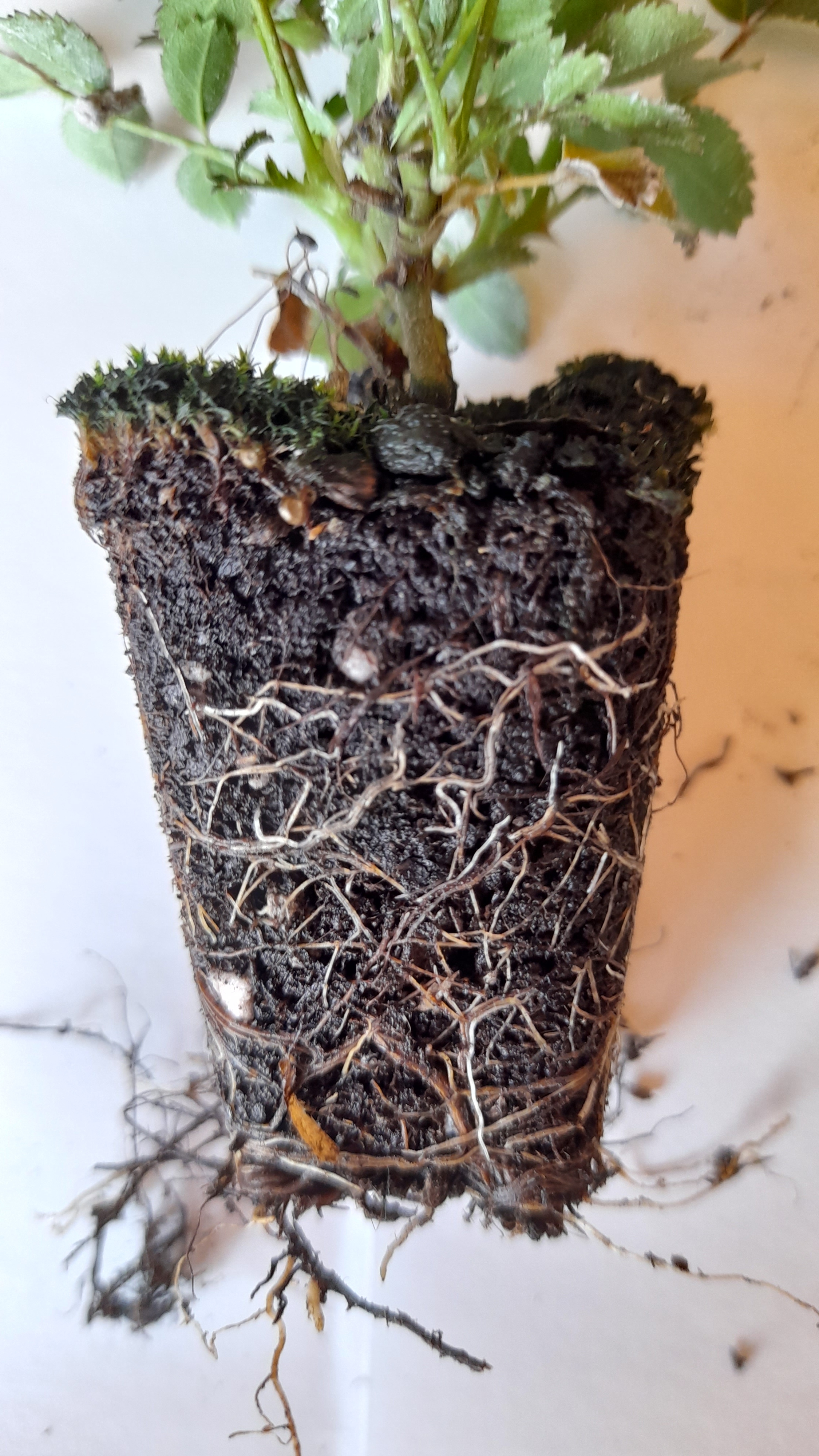
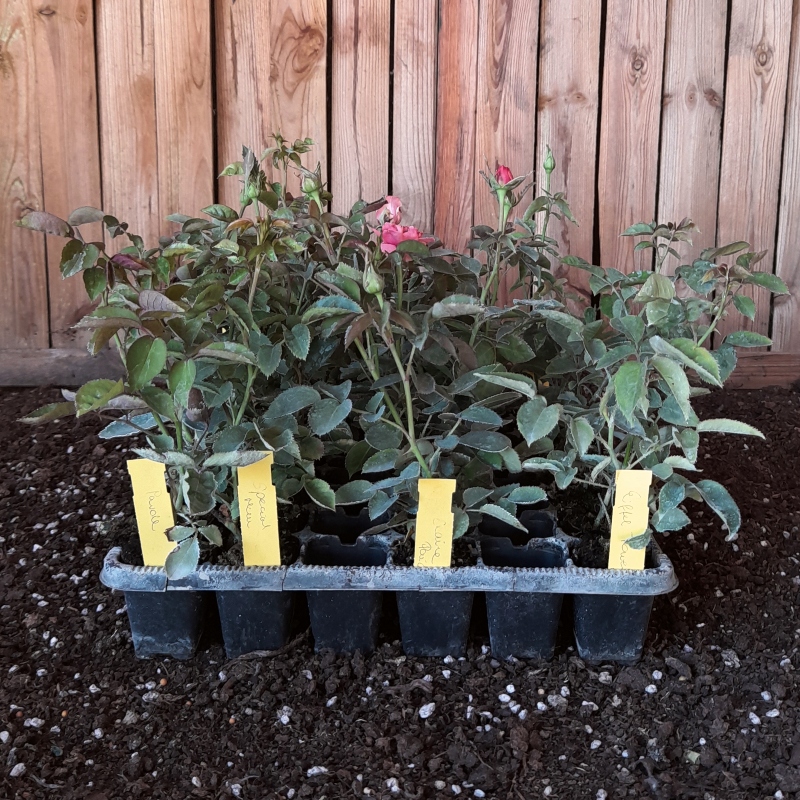
Short internodes and compact growth allow efficient spacing in propagation beds, with tray‑rooted NEONATAL material simplifying intake, storage and scheduling at volume. Own‑root plants offer a stable identity base for cultivar maintenance, useful where you are building or refreshing collection blocks and parent stands. This supports nursery networks needing reliable, uniform stock for ongoing programmes and private‑label rose ranges aimed at wholesale distribution. |
| Thematic rose gardens and collection plantings |
As a miniature collection rose with verified identity (INTropi) and premium bronze quality rating, this cultivar lends itself to curated sets in show and thematic gardens. Own‑root longevity and regeneration shorten long‑term replacement cycles, while its compact, controlled architecture keeps maintenance manageable in tightly planted display beds. This makes it a practical choice for public or institutional collections sourced via professional nursery suppliers. |
| Impulse‑focused retail container lines |
The combination of pale pink, pearlescent blooms, mild sweet fragrance and cluster‑flowered display supports the “instant, long‑lasting floral display in a small space” product promise. With a recommended 1.5–2 L pot and compact, dense bush release form, plants reach saleable visual impact quickly, backing impulse tables and colour‑themed benches. The stable own‑root framework underpins consistent in‑store appearance for garden‑centre ranges. |
| Colour‑stable decorative SKUs for longer sales windows |
Very good colour retention and only slight fading towards pale whitish edges mean the decorative value of each flush holds well in retail and after planting, reducing the risk of “tired” stock on benches. Remontant flowering with an abundant second flush extends saleability within a season, supporting planned promotions. This is valuable where you service supply chains into show gardens and thematic rose displays for project‑based buyers. |
| Collection and gene‑bank style conservation stands |
Own‑root technology allows renewable growth and a long lifespan, which is beneficial in cultivar maintenance, gene‑bank style stands and reference collections. Medium disease resistance and H7 hardiness to approximately –21 °C, together with Swedish Zone 3 and USDA 6b, indicate robust performance in cooler, more exposed UK locations often encountered in institutional gardens, where identity and continuity matter to heritage collections. |
| Compact roses for exposed, cooler UK regions |
Hardiness ratings (H7, Swedish Zone 3) suggest reliable winter performance, helping you plan plantings and stock for northern and more wind‑affected sites where consistent survival is crucial to contract fulfilment and reduced replacements. In combination with own‑root resilience and a compact frame, this supports stable long‑term plantings in public parks and urban beds, well suited to supply chains serving public‑realm and institutional projects across regional contracts. |