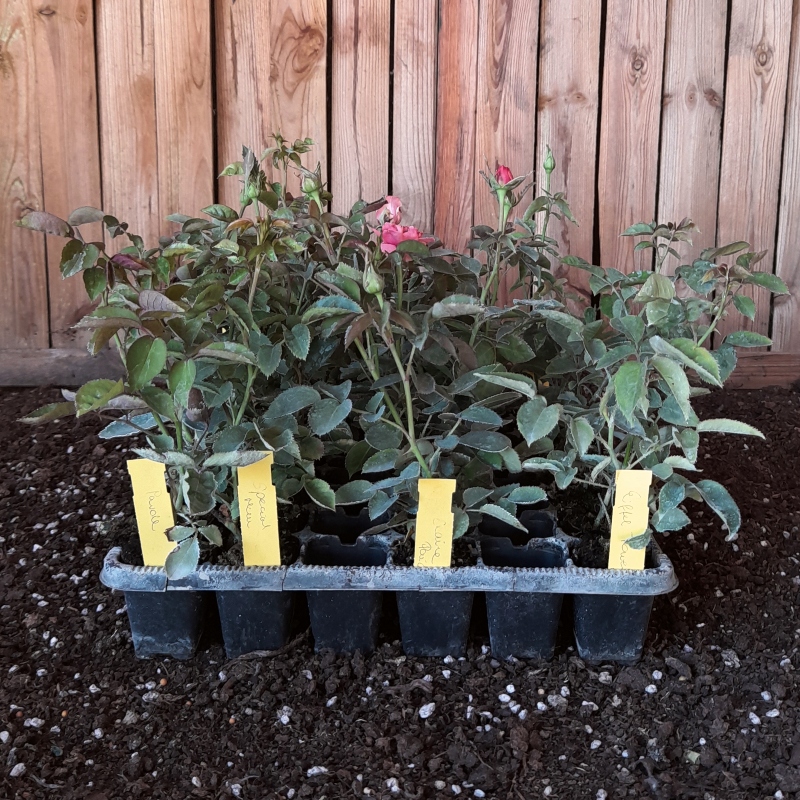
Renica – TANrekta hybrid tea rose rooted cutting for professional grow-on
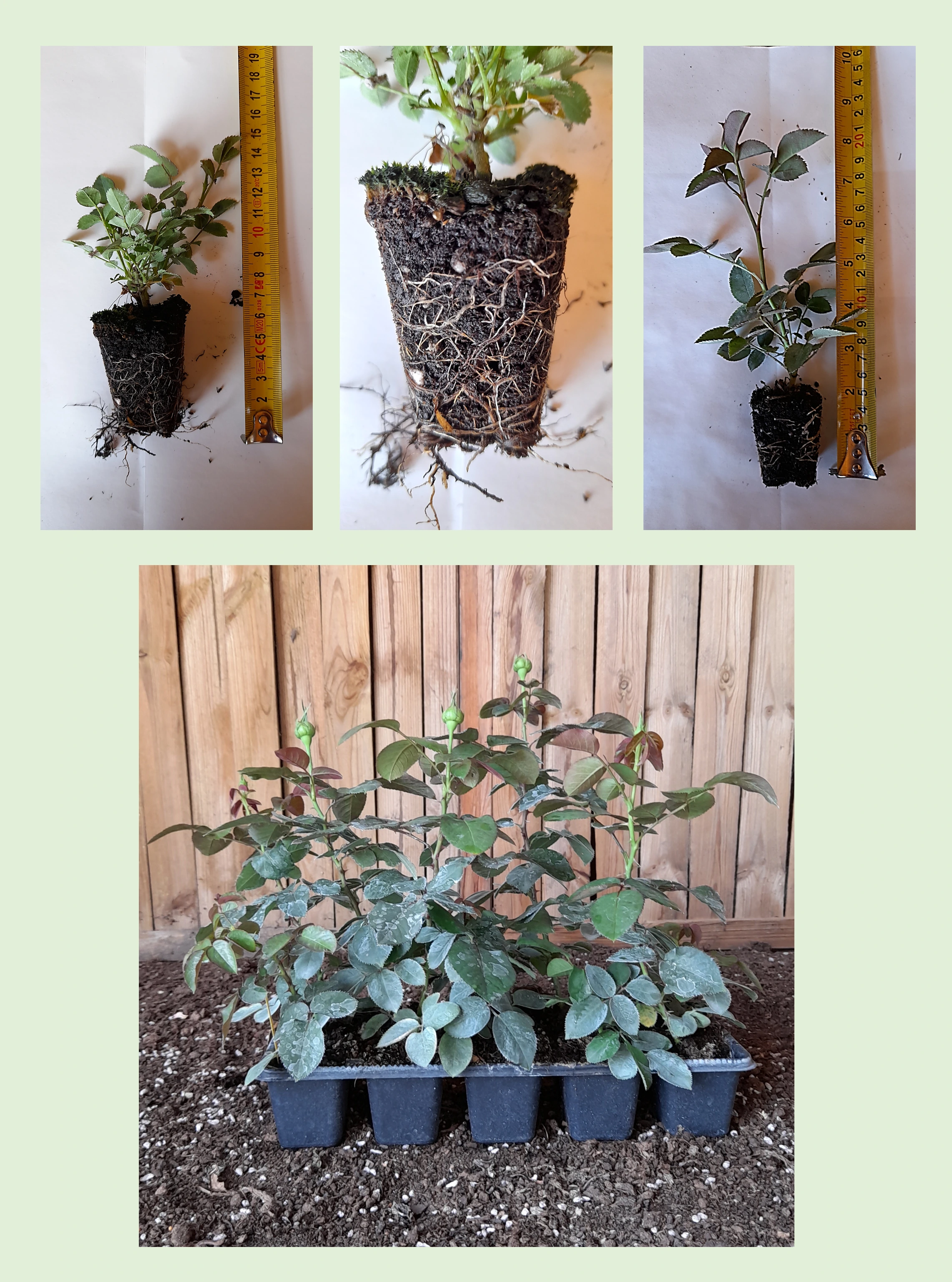
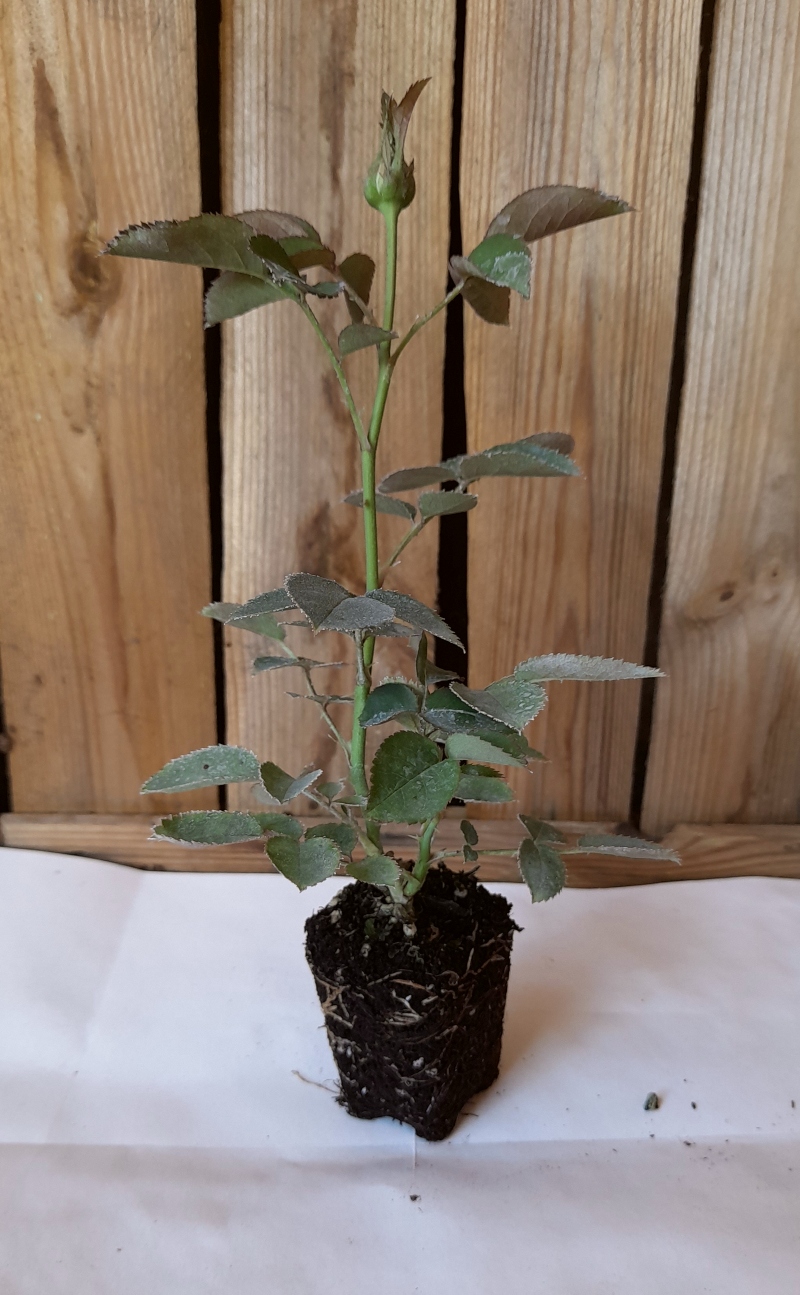
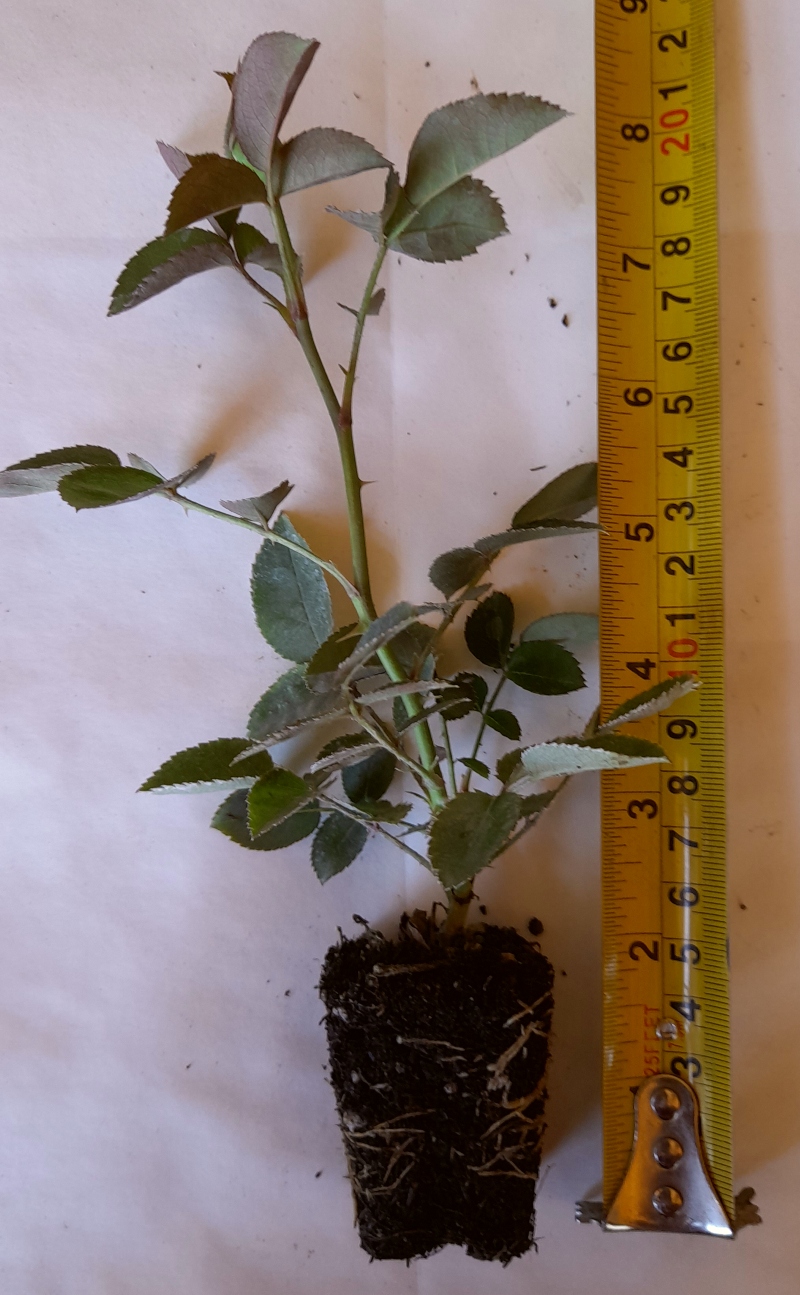
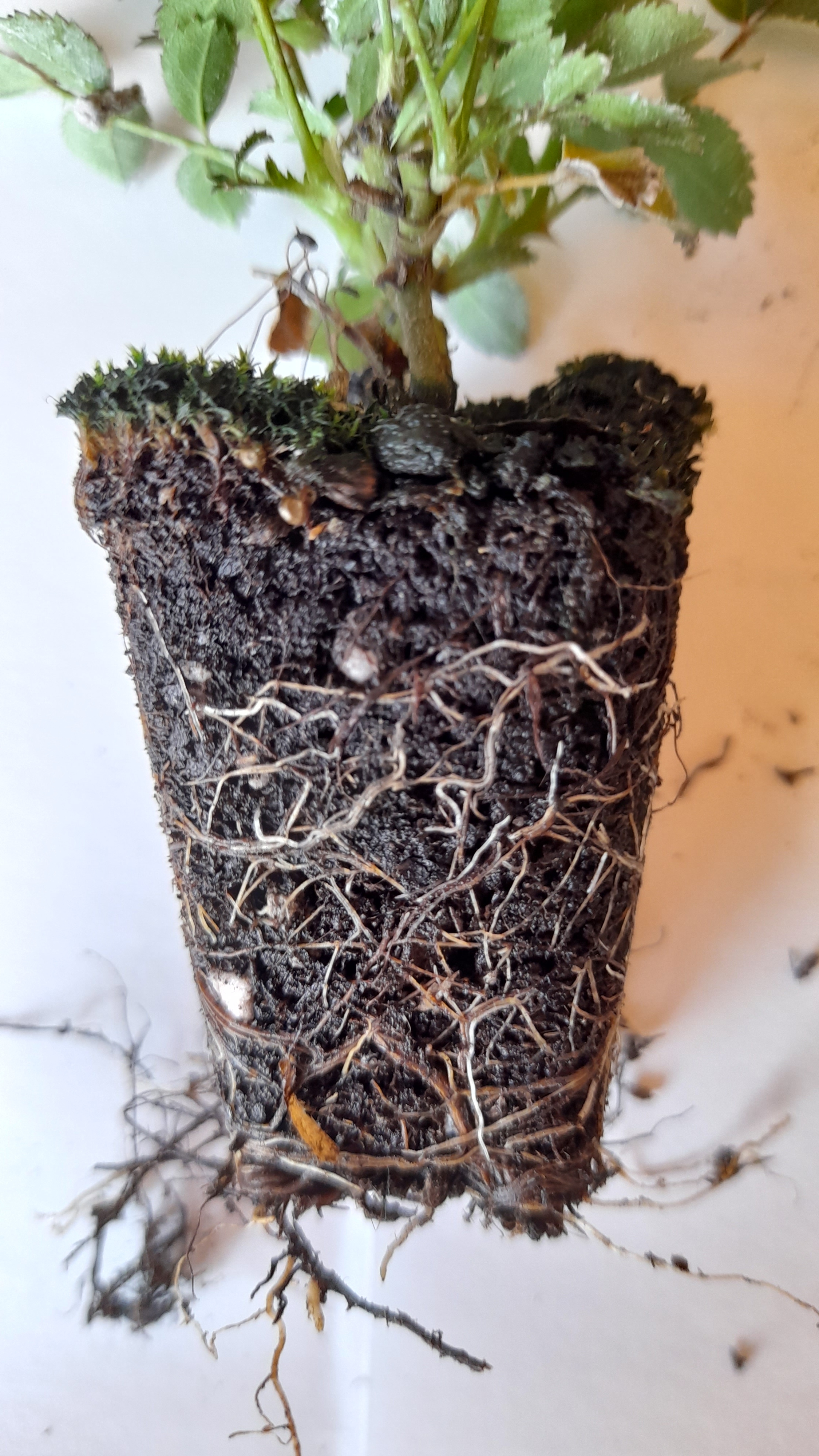
Renica offers a reliable hybrid tea framework for premium container production where flower quality and high-centred form are central to retail and reseller expectations. As a pharmaROSA® NEONATAL own-root cutting, it develops predictably from tray-rooted material into bush-trained plants with 3–5 strong canes, well suited to 5–7 L containers and onward build-up for an exclusive finished product line. Low maintenance needs and strong disease resistance support homogeneous nursery stands with limited intervention, helping to stabilise capacity planning and reduce replacement in thematic rose gardens and collection projects exposed to variable UK conditions with reliable winter hardiness for northern sites. Over time the own-root structure supports a natural progression from root establishment through shoot build-up to full ornamental performance in the third season.
Usage options
Finished-product ideas
- Premium 5–7 L exhibition hybrid tea – Own-root bush-trained plants with 3–5 strong canes, carrying large, high-centred bicolour blooms as a flagship premium container SKU – target: specialist retail and branded reseller ranges.
- Cut-rose showcase specimen – Upright hybrid tea bushes selected for solitary, high-centred flowers, marketed as garden-compatible cut-rose style plants in 7 L pots – target: garden centres and mail-order partners.
- Thematic ADR collection line – Curated ADR-labelled range where Renica represents classic bicolour hybrid teas, supplied as uniform 5 L own-root containers for collection and show-garden schemes – target: public-realm and institutional suppliers.
- Colour-highlight feature container – Step-up of selected 5–7 L stock into 40–50 L terrace or entrance containers, exploiting strong colour retention and remontant flowering for long-season display – target: hospitality and high-end commercial landscaping.
- Low-intervention hedge module – Multi-unit offer of own-root bushes for short hedges, relying on disease resistance and low maintenance to reduce aftercare costs – target: municipal buyers and large-scale nursery networks.
Technical cultivar profile
| Parameter |
Data |
| Name and registration |
Hybrid tea rose from the Rosen Tantau programme; registered as TANrekta, traded as Renica hybrid tea rose TANrekta, with Rebecca accepted as the American Rose Society exhibition name. |
| Origin and breeding |
Bred in Germany by Mathias Tantau Jr., introduced and registered in 1970; parentage is ‘Konfetti’ × ‘Piccadilly’, both established hybrid tea lines contributing classic cut-rose flower expression. |
| Awards and recognition |
Holds ADR recognition from 1972, indicating independently verified performance standards relevant to ornamental quality and garden use at the time of testing; additional award data not provided. |
| Growth and structural characteristics |
Upright habit reaching around 75–105 cm in height with a 45–65 cm spread; dense, slightly glossy dark green foliage and notably thorny shoots, forming a coherent hybrid tea bush structure under training. |
| Flower morphology |
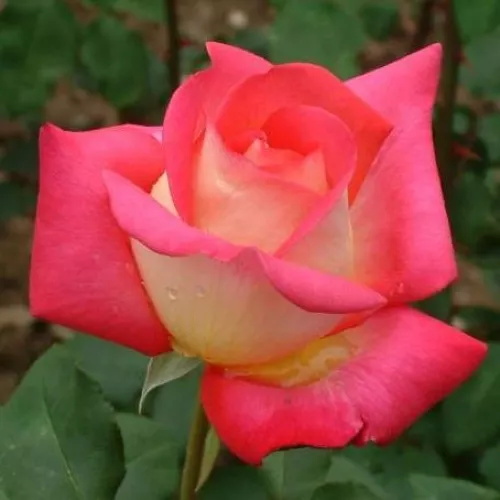
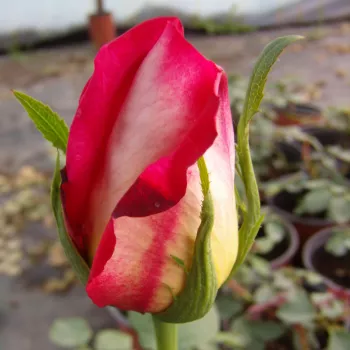
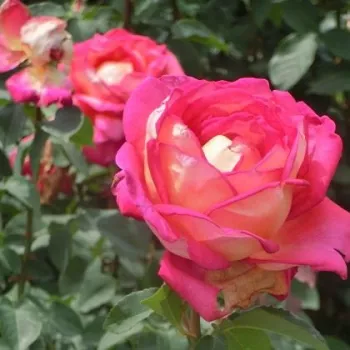
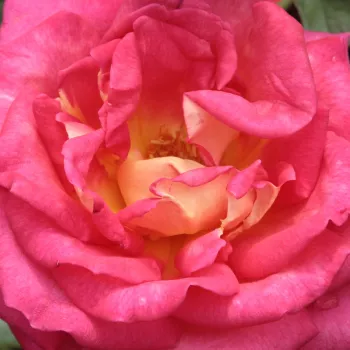
Double, large flowers with around 17–26 petals, high-centred, pointed-bud form and solitary presentation; remontant with a particularly abundant second flush, visually aligned with classical cut-flower hybrid teas. |
| Colour data and phenology |
Bicolour yellow-red expression: pale lemon-yellow ground with warm rose-red centre, subtly blending on petal edges; colour retention is very good, with gradual cream and salmon transitions under sun and cooler conditions. |
| Fragrance and aroma |
Fragrance strength is very weak, with scent description not provided; overall, the cultivar is selected primarily for visual flower quality rather than perfume, while offering moderate pollinator attraction despite its double form. |
| Hip characteristics |
Occasional spherical orange-red hips form in autumn, typically around 10–14 mm in diameter; when present they contribute modest ornamental interest but are not a primary production objective. |
| Resistance and winter hardiness |
Good resistance to powdery mildew, black spot and rust supports lower chemical input; hardy approximately to -21 to -18 °C, corresponding to RHS H7, Swedish zone 3 and USDA zone 6b, suitable for exposed UK sites. |
| Horticultural recommendations |
Recommended for flower beds, specimen use, hedges, containers and cut flower production; maintenance needs are low. Supplied as bush-trained own-root NEONATAL cuttings, ideal for premium container routes in 5–7 L pots. |
Renica TANrekta combines ADR-backed disease resistance, premium hybrid tea flower form and reliable winter hardiness on an own-root base that supports predictable, regenerative stands; please contact us to align on volumes, timing and propagation plans.