Hybrid tea rose

20-055-1
20-055-2

Renica

Hybrid tea rose

TANrekta – Mathias Tantau Jr.

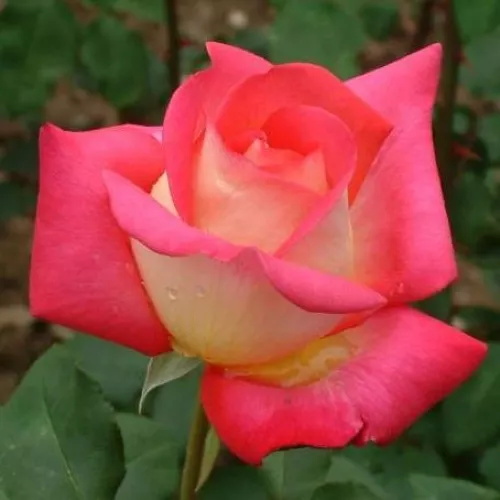
On a pale lemon-yellow ground a warm rose-red shade appears towards the centre, creating a bicolour effect. The two tones blend subtly at the edges of the petals. - hybrid tea rose - very weak, barely scented rose - scent description not available

– Elegant Hybrid Tea for beds and borders
– Abundant remontant flowering all season
– Refined, high‑centred blooms for cutting
– Reliable ADR‑rated disease resistance
– Compact, upright habit for containers
Special feature: Distinctive yellow‑red bicolour petals that hold their colour well in sun.
Exclusive finished product
Renica
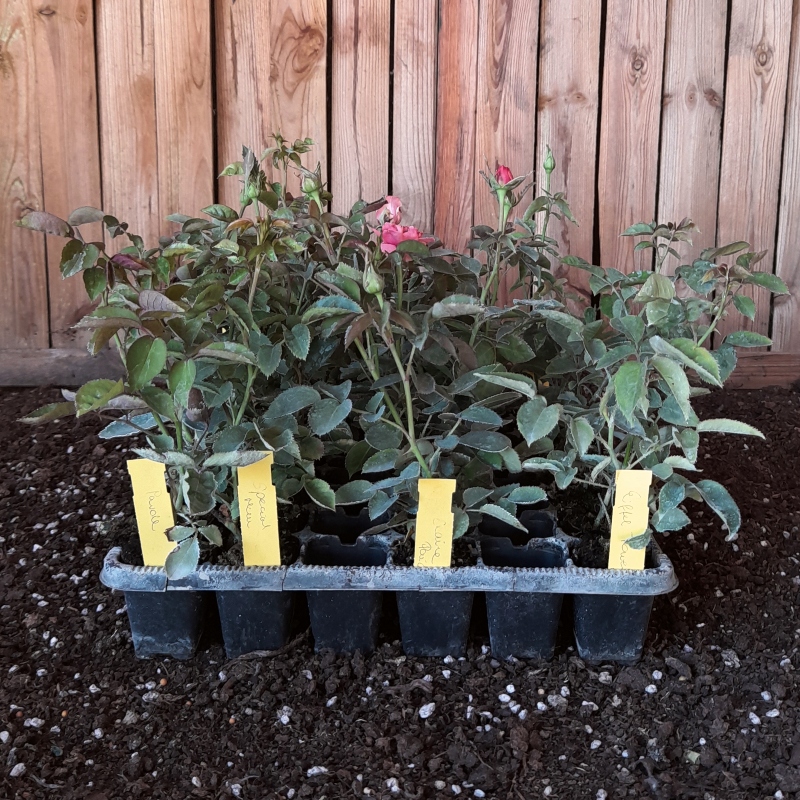
pharmaROSA® NEONATAL rooted rose cutting
29,63 £
Due to courier service regulations – and the introduction of customs clearance – delivery to Ireland is temporarily suspended.
4.5 (6592)
facebook   twitter

Renica – TANrekta hybrid tea rose rooted cutting for professional grow-on

Renica offers a reliable hybrid tea framework for premium container production where flower quality and high-centred form are central to retail and reseller expectations. As a pharmaROSA® NEONATAL own-root cutting, it develops predictably from tray-rooted material into bush-trained plants with 3–5 strong canes, well suited to 5–7 L containers and onward build-up for an exclusive finished product line. Low maintenance needs and strong disease resistance support homogeneous nursery stands with limited intervention, helping to stabilise capacity planning and reduce replacement in thematic rose gardens and collection projects exposed to variable UK conditions with reliable winter hardiness for northern sites. Over time the own-root structure supports a natural progression from root establishment through shoot build-up to full ornamental performance in the third season.


Usage options

Target area Reasoning
Premium 5–7 L container production for retail/reseller programmes The cultivar’s exclusive positioning and focus on flower quality and form align directly with a premium container route, where uniform, upright bushes in 5–7 L pots are expected. NEONATAL own-root material supports predictable scheduling into bush-trained stock with 3–5 canes, giving a coherent look on benches for higher-value lines aimed at retail/reseller.
Cut-flower oriented specimen plants in display and trial beds The high-centred, pointed-budded blooms and solitary flowering pattern make this variety suitable for growers building cut-flower style bushes in beds, either for direct stem harvest or as demonstrator stock. Using the recommended premium container path to establish strong bushes before fielding allows nurseries to present finished plants as an exclusive product with clear cut-rose credentials to specialist retailers.
Thematic and collection rose gardens requiring cultivar authenticity Verified cultivar authenticity and ADR recognition support use in curated collections where name integrity and form must be dependable. Own-root NEONATAL material underpins long-term stands with renewable growth and simplified re-propagation, while the low-maintenance, disease-resistant habit reduces intervention. Bush-trained plants lifted from 5–7 L stock integrate well into thematic layouts for public-realm suppliers.
Low-intervention hedge or line plantings in nursery and show areas Good resistance to powdery mildew, black spot and rust, combined with a generally low maintenance requirement, makes this cultivar a suitable candidate for short hedge or line plantings that need to look clean without intensive spraying. Establishing from own-root bush-trained plants enables even lines and simplifies pruning into repeat-flowering structures attractive to garden centres.
Colour-focused feature plants in exclusive mixed displays The bicolour yellow-red effect with very good colour retention and attractive fading stages offers high visual value in premium mixed benches. Growing via the premium container route ensures sufficiently developed bushes to carry multiple large, high-centred blooms at sell-in. This suits positioning Renica as an exclusive, colour-led highlight within curated ranges for upmarket retailers.
Collection stock for cut-rose themed private-label ranges The parentage from ‘Konfetti’ × ‘Piccadilly’ and the hybrid tea cut-flower expression support its role as a reference plant in private-label concepts themed around classic exhibition tea hybrids. Own-root NEONATAL propagation provides a repeatable base for internal stock blocks, feeding on into premium 5–7 L products that can be branded as exclusive introductions by integrator networks.
Cold-tolerant plantings in northern nurseries and demonstration sites With hardiness down to approximately -21 °C and a rating equivalent to RHS H7, Renica is appropriate for propagation and show beds in colder UK regions where winter resilience is important for stock continuity. Establishing initially through premium containers then fielding to beds reduces loss risk, matching the needs of northern-focused wholesalers.
Medium-to-large container features for institutional and hospitality projects The upright, dense foliage and remontant flowering make Renica suitable for step-up into larger containers (40–50 L and above) as statement pieces where repeated display-quality blooms are required through the season. Starting from own-root 5–7 L material allows controlled build-up to larger sizes with stable crowns and reduced replacement, supporting dependable supply for landscape contractors.

Finished-product ideas

  • Premium 5–7 L exhibition hybrid tea – Own-root bush-trained plants with 3–5 strong canes, carrying large, high-centred bicolour blooms as a flagship premium container SKU – target: specialist retail and branded reseller ranges.
  • Cut-rose showcase specimen – Upright hybrid tea bushes selected for solitary, high-centred flowers, marketed as garden-compatible cut-rose style plants in 7 L pots – target: garden centres and mail-order partners.
  • Thematic ADR collection line – Curated ADR-labelled range where Renica represents classic bicolour hybrid teas, supplied as uniform 5 L own-root containers for collection and show-garden schemes – target: public-realm and institutional suppliers.
  • Colour-highlight feature container – Step-up of selected 5–7 L stock into 40–50 L terrace or entrance containers, exploiting strong colour retention and remontant flowering for long-season display – target: hospitality and high-end commercial landscaping.
  • Low-intervention hedge module – Multi-unit offer of own-root bushes for short hedges, relying on disease resistance and low maintenance to reduce aftercare costs – target: municipal buyers and large-scale nursery networks.

Technical cultivar profile
Parameter Data
Name and registration Hybrid tea rose from the Rosen Tantau programme; registered as TANrekta, traded as Renica hybrid tea rose TANrekta, with Rebecca accepted as the American Rose Society exhibition name.
Origin and breeding Bred in Germany by Mathias Tantau Jr., introduced and registered in 1970; parentage is ‘Konfetti’ × ‘Piccadilly’, both established hybrid tea lines contributing classic cut-rose flower expression.
Awards and recognition Holds ADR recognition from 1972, indicating independently verified performance standards relevant to ornamental quality and garden use at the time of testing; additional award data not provided.
Growth and structural characteristics Upright habit reaching around 75–105 cm in height with a 45–65 cm spread; dense, slightly glossy dark green foliage and notably thorny shoots, forming a coherent hybrid tea bush structure under training.
Flower morphology Double, large flowers with around 17–26 petals, high-centred, pointed-bud form and solitary presentation; remontant with a particularly abundant second flush, visually aligned with classical cut-flower hybrid teas.
Colour data and phenology Bicolour yellow-red expression: pale lemon-yellow ground with warm rose-red centre, subtly blending on petal edges; colour retention is very good, with gradual cream and salmon transitions under sun and cooler conditions.
Fragrance and aroma Fragrance strength is very weak, with scent description not provided; overall, the cultivar is selected primarily for visual flower quality rather than perfume, while offering moderate pollinator attraction despite its double form.
Hip characteristics Occasional spherical orange-red hips form in autumn, typically around 10–14 mm in diameter; when present they contribute modest ornamental interest but are not a primary production objective.
Resistance and winter hardiness Good resistance to powdery mildew, black spot and rust supports lower chemical input; hardy approximately to -21 to -18 °C, corresponding to RHS H7, Swedish zone 3 and USDA zone 6b, suitable for exposed UK sites.
Horticultural recommendations Recommended for flower beds, specimen use, hedges, containers and cut flower production; maintenance needs are low. Supplied as bush-trained own-root NEONATAL cuttings, ideal for premium container routes in 5–7 L pots.

Renica TANrekta combines ADR-backed disease resistance, premium hybrid tea flower form and reliable winter hardiness on an own-root base that supports predictable, regenerative stands; please contact us to align on volumes, timing and propagation plans.

Detailed product attributes

Product Identification Data

Product Name: RENICA – yellow-red hybrid tea rose - Tantau
Product Type: pharmaROSA® NEONATAL - rooted rose cutting
Cultivar Authenticity: Verified:29.07.2025
Cultivar Quality Rating: premium silver
Item Number: [99] 20-055 (14.02.2026) pharmarosaneonatal.co.uk

Name and Registration

Cultivar Synonym: Rebecca
Original Trade Name: Rebecca®
Current Trade Name: Renica Hybrid tea rose TANrekta
Rose Group: Hybrid Tea
Commercial Type: hybrid tea rose
Commercial Group: Hybrid tea rose
Exhibition Category: cut flower; exhibition tea hybrid
Collection: Hybrid tea rose

Origin and Breeding

Breeder: Mathias Tantau Jr.
Breeding Year: Germany, 1970
Parentage: ‘Konfetti’ × ‘Piccadilly’

Growth and Structural Characteristics

Height: 2.5-3.4ft (75-105 cm)
Spread: 1.5-2.1ft (45-65 cm)
Growth Habit: upright
Foliage: The variety has dense foliage; the leaves are slightly glossy and dark green in colour.
Prickliness: densely thorned
Self-Cleaning Description: Most spent flowers remain on the plant and require subsequent deadheading.
Self-Cleaning Intensity: self-cleaning is weak

Flower Morphology

Petal Count: 17-26
Flower Fullness: double-flowered
Flower Shape: high-centred, pointed-budded (cut-rose type)
Flower Size: L (2,75-3,95 in)
Inflorescence Type: solitary
Colour Code: ARS code: yb RHS code: 13B, 53C
Repeat Flowering: Remontant; the second flowering is abundant.

Colour Data and Phenology

Colour: yellow-red
Flower Colour Description: On a pale lemon-yellow ground a warm rose-red shade appears towards the centre, creating a bicolour effect. The two tones blend subtly at the edges of the petals.
Closed Bud: A rose-pink overlay runs along the petal tip on a lemon-yellow ground colour, with a vivid contrast.
Newly Opened Flower: The outer petals are pale yellow, the inner ones a rich rose‑red.
Full Bloom: The yellow background fades to creamy yellow while the rose-red centre remains vivid.
Before Fading: The yellow fades to an almost off-white, while the pink leans toward a salmon tone.
Colour Fading Description: In strong sunlight the red–pink tones may lighten; in cooler weather they appear more vivid.

Fragrance and Aroma

Fragrance Strength: very weak, barely scented rose
Fragrance Character: scent description not available
Pollinator Attraction: Its double flower form moderately attracts pollinators, since fully double blooms often conceal the stamens and limit pollen and nectar accessibility compared with single or semi‑double forms.
Pollinator-Friendly Rating: Its double flowers moderately attract pollinators, so it is a moderately pollinator-friendly variety.

Hip Characteristics

Hip Shape: spherical
Hip Colour: orange-red
Hip Comment: Occasionally forming in autumn, 10–14 mm in diameter, spherical, orange-red rose hips can have ornamental value.

Resistance and Hardiness

Hardiness (°C): -21–-18 °C
Heat and Drought Tolerance Description: Requires regular watering in hot weather; tolerates prolonged drought poorly.
Disease Resistance: resistant
  • powdery mildew – resistant
  • black spot – resistant
  • rust – resistant

Horticultural Recommendations

Recommended product path: Premium container
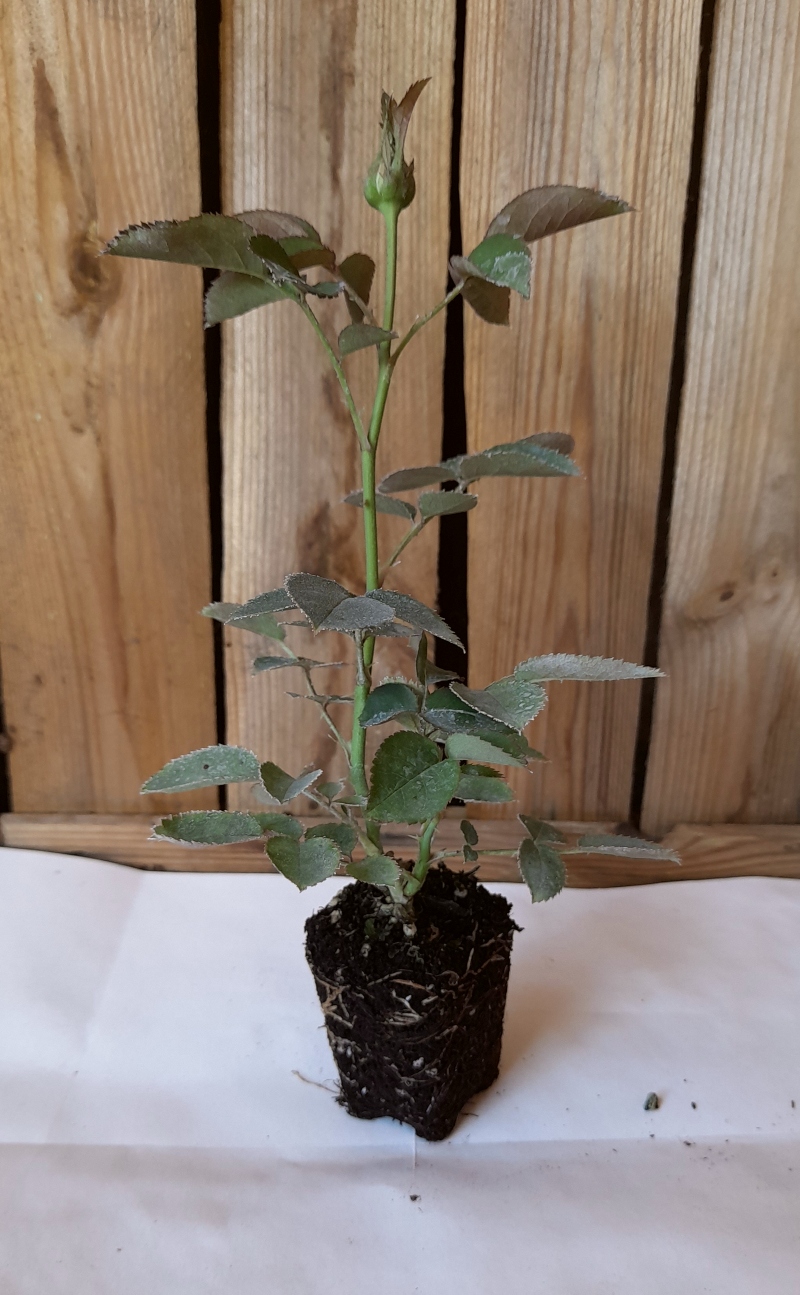
Release form: Bush-trained, with 3–5 strong framework canes
Recommended use: Maintenance requirement low; good disease resistance, generally requires little intervention.
Primary Uses: flower bed, specimen, hedge, container, cut flower

Comments

Positioning: Exclusive finished product
Target customer/channel: Retail / reseller
Main value proposition: Flower quality, form
RENICA – yellow-red hybrid tea rose - Tantau
On a pale lemon-yellow ground a warm rose-red shade appears towards the centre, creating a bicolour effect. The two tones blend subtly at the edges of the petals. - hybrid tea rose - very weak, barely scented rose - scent description not available
The rose webshop. - yellow-red - very weak, barely scented rose - Renica - hybrid tea rose - (2.5-3.4ft (75-105 cm))
Inflorescence: solitary Height: 2.5-3.4ft (75-105 cm) Flower shape: high-centred, pointed-budded (cut-rose type) Winter hardiness: 5b yellow-red - - hybrid tea rose - Flower size: L (2,75-3,95 in) Flower size: L (2,75-3,95 in) - Height: 2.5-3.4ft (75-105 cm) Height: 2.5-3.4ft (75-105 cm) - Flower fullness: double-flowered Renica - Roses in the garden | pharmaROSA® Neonatal - premium silver Mathias Tantau Jr.

We showcase the external appearance of the roses available for online purchase from our webshop.


Which product type is right for you?


PharmaRosa® NEONATAL is the cost‑effective starting point for rose product production.

As a uniform, own‑rooted propagation material, it provides a stable basis for further growing-on and can be integrated flexibly into different finished product production technologies.
Rooted in trays (rooted), 3–6‑month‑old, own‑rooted rose cutting.
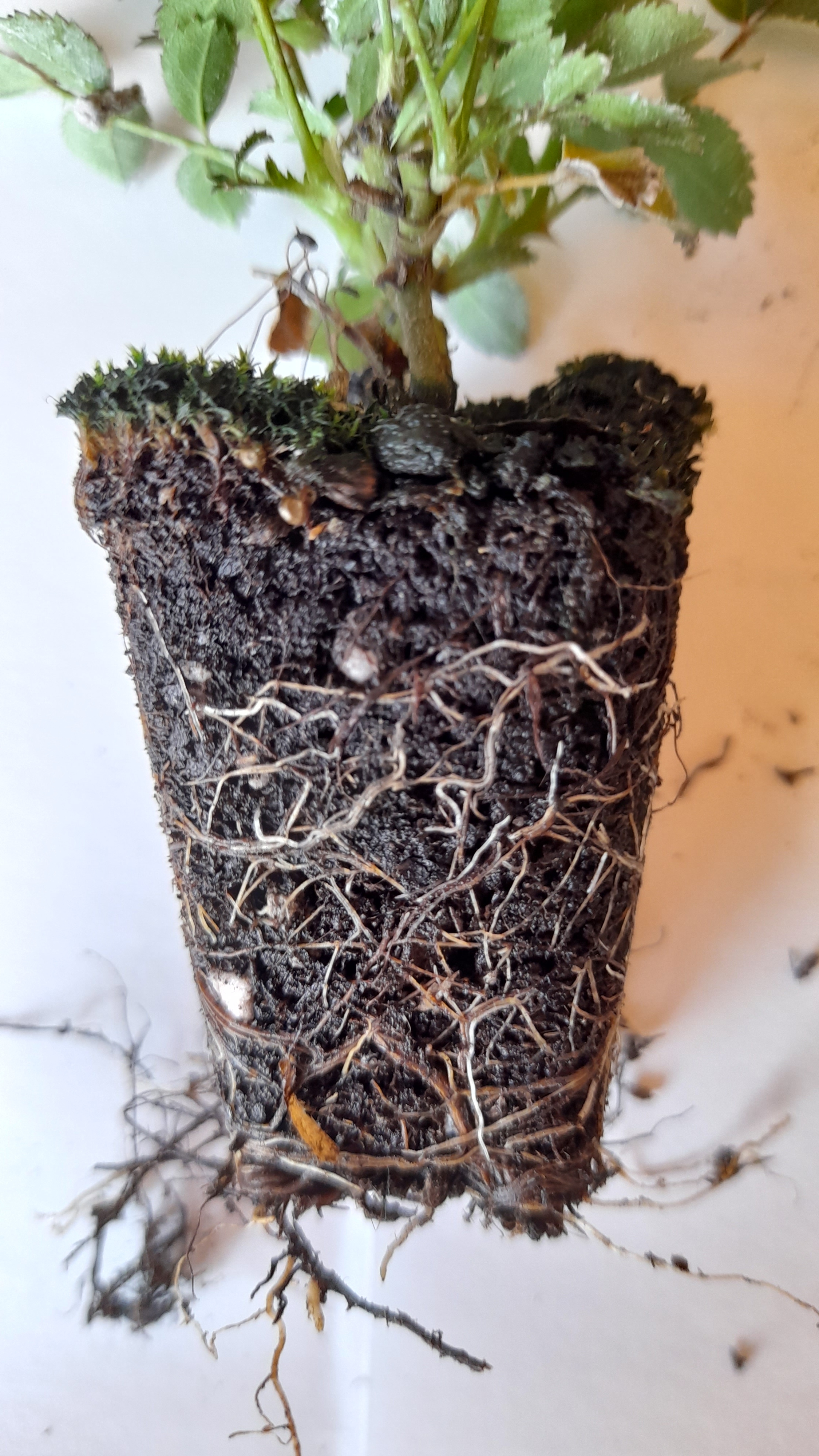
Uniform developmental stage, with a root system that has thoroughly penetrated the plug.
For professional growing‑on.
Tray packaging: 10 pcs/tray.
Quality and varietal identity: production supported by a dedicated identification and traceability logic.
Can be transplanted during frost‑free periods, designed for finished product production.

PharmaRosa® NEONATAL provides a controlled, uniform starting stock for planned growing‑on that can be integrated into your own technology – especially where scheduling and varietal identity are paramount.


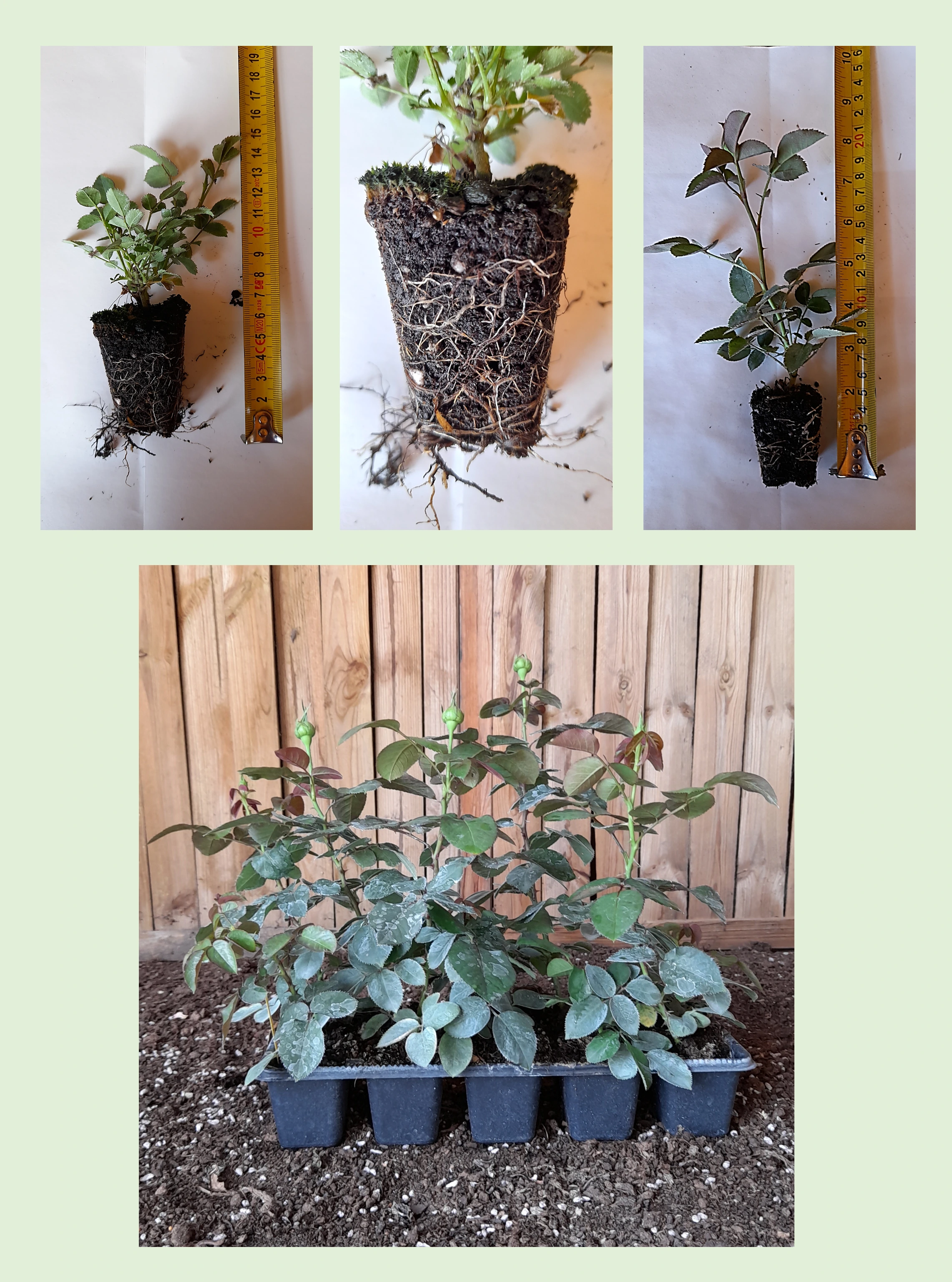
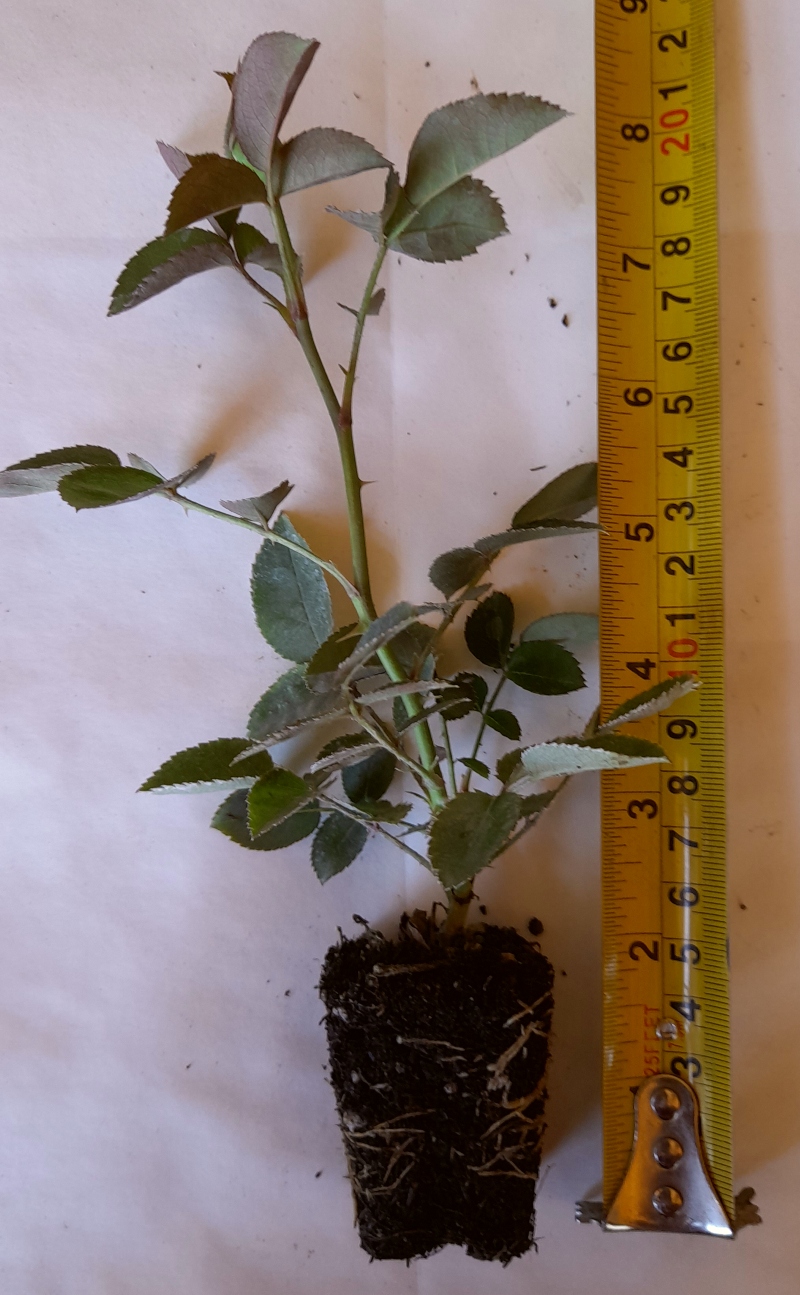
PharmaRosa® NEONATAL own-rooted rose propagation material in a plug, with a root system penetrating the plug (semi-finished product / semi-finished rose). PharmaRosa® NEONATAL rose propagation material size: 3–6‑month‑old, own-rooted cutting with a uniform developmental stage. PharmaRosa® NEONATAL rose propagation material root system: plug densely penetrated by well-developed white roots (root system detail). PharmaRosa® NEONATAL tray stock: own-rooted rose propagation material in trays, uniform developmental stage (10 pcs/tray).

Captions (from left to right): Semi-finished product (NEONATAL own-rooted rose propagation material in a plug with a fully developed root system) • Size demonstration (3–6‑month‑old, uniform cutting) • Root system detail (plug penetrated by the root system) • Tray stock (10 pcs/tray, uniform developmental stage)

pharmarosaneonatal.hupharmarosaneonatal.atpharmarosaneonatal.co.ukpharmarosaneonatal.czpharmarosaneonatal.depharmarosaneonatal.ropharmarosaneonatal.sipharmarosaneonatal.skpharmarosaneonatal.itpharmarosaneonatal.frpharmarosaneonatal.nlpharmarosaneonatal.plpharmarosaneonatal.lupharmarosaneonatal.ptpharmarosaneonatal.espharmarosaneonatal.ltpharmarosaneonatal.sepharmarosaneonatal.lvpharmarosaneonatal.eepharmarosaneonatal.fi

Which product type is right for you?

Pages for private customers
Garden roses for the family garden, with minimal care  → ORIGINAL®
Premium garden roses – instant impact, a truly showpiece garden  → EXTRA®
Pages for professionals and private customers
Roses for public spaces – large areas, sustainable maintenance  → NATURAL®
Roses for projects – hedge and row planting, fast implementation  → RAPID®
For professional partners only
Production – propagation material for garden roses, wholesale  → NEONATAL®

Company details

PharmaRosa Ltd.
Company registration number: 01-09-717479
VAT number: 13075314-2-43
Plant health registration no.: HU130721
Bank account (IBAN):
HU85117631891388688400000000
BIC (SWIFT): OTPVHUHB
Bank name: OTP Bank Nyrt.