Historical Rose

20-536-1
20-536-2

Rosa Harisonii

Historic rose

- – George Folliott Harison

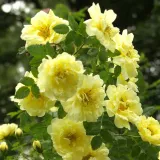
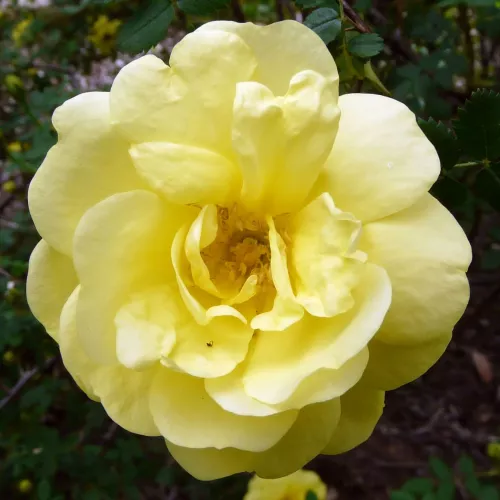
A bright, warm sunshine-yellow shade with a uniform, saturated tone. - historic, old garden rose - mild, restrained-scented rose - delicate, elegant character

– Bright, clear sunshine-yellow spring display.
– Robust shrub for hedges and naturalising.
– Very hardy, tolerating severe winter cold.
– Good heat and moderate drought tolerance.
– Partially pollinator-friendly, bee-attracting blooms.
– Special feature: One of the earliest famous yellow garden roses, cherished since 1830.
Selection / specialty
Rosa Harisonii
pharmaROSA® NEONATAL rooted rose cutting
28,23 £
Due to courier service regulations – and the introduction of customs clearance – delivery to Ireland is temporarily suspended.
3.5 (5481)
facebook   twitter

Rosa Harisonii – pharmaROSA® NEONATAL own‑root propagation material

Historic own-root Rosa Harisonii offers a robust shrub framework and bright, once-flowering yellow display that suits premium container production for specialist and collector markets. Its bushy, upright-arched habit and 130–230 cm potential height translate well into 5–7 L finished shrubs for parks, slopes and urban green spaces, while own-root longevity supports long-term specimen and hedge plantings. With good frost resilience aligned to demanding northern UK and Scottish conditions in winter and wind-exposed sites, the cultivar provides predictable structure for landscape and park projects. Medium maintenance needs, moderate disease resistance and good self-cleaning help keep production and aftercare manageable, while semi-double, pollinator-attracting blooms and occasional ornamental hips add extra collection value. Developed as pharmaROSA® NEONATAL tray-rooted cuttings, this material is designed for professional-scale propagation, moving from Year 1 root establishment through Year 2 framework build to full ornamental value from Year 3 onwards. The own-root base supports capacity planning, homogeneous batches and reduced replacement in nursery networks and public-realm supply chains, whilst the historic origin enables specialty positioning in thematic rose gardens and curated ranges.


Usage options

Target area Reasoning
Premium 5–7 L historic shrub for collectors The combination of historic status and bright yellow, once-flowering display supports a clear premium, selection/specialty route in 5–7 L containers. Medium maintenance and moderate disease resistance make it manageable for bush-trained, discreetly supported plants. Own-root form underpins collector-oriented ranges and long-term thematic rose garden offers for retail/collector.
Landscape and park shrub for public-realm projects Its 130–230 cm bushy, upright-arched habit and good self-cleaning suit hedge runs, naturalistic slopes and park planting where stable structure is needed. Good frost resilience aligns well with winter and wind-exposed UK sites, supporting predictable performance. Professional tray-rooted material allows consistent quality for urban green space specifications for public-sector.
Specimen feature in thematic rose gardens The clearly defined Hybrid Foetida × Hybrid Spinosissima origin and historic 1830 introduction make this cultivar attractive as a labelled specimen in curated collections. Semi-double, medium-sized flowers read well at eye level in premium containers. Own-root longevity supports long-term thematic and show garden stands for rose-collections.
Pollinator-supporting heritage plantings Semi-double, cup-shaped flowers with exposed stamens provide partial pollinator value during the main bloom, aligning with public and institutional biodiversity targets. The non-remontant habit focuses display into one strong period, simplifying presentation and maintenance. Tray-grown propagation material supports consistent supply for ecological historic projects for municipal.
Low-input hedging and boundary planting Good heat and moderate drought tolerance, combined with once-flowering behaviour, favours low-input hedges in larger sites, with only medium maintenance and occasional plant protection. Dense prickliness offers some barrier effect, while own-root resilience supports long service life and reduced replanting. This underpins reliable structural hedging for landscape-contractors.
Naturalised historic rose groups on banks and slopes Bushy, upright-arched growth and good winter hardiness (H7, USDA 4a) enable robust, naturalised groups on park slopes and banks. Own-root regeneration and moderate foliage density help maintain coverage over time with limited intervention. The cultivar fits premium, historic-focused ranges aimed at characterful landscape schemes for specifiers.
Urban green space accent plantings The saturated lemon-yellow colour, which remains vivid especially in cooler weather, creates a strong seasonal accent in urban schemes. Once-flowering but self-cleaning shrubs reduce aesthetic downtime after bloom, useful in municipal beds. A 5–7 L premium container route simplifies logistics into city planting frameworks for urban-greening.
Gene-bank and collection maintenance stock Documented historic origin, verified authenticity and own-root production make this cultivar suitable as maintenance stock within gene-bank style collections. Moderate disease resistance and medium maintenance allow stable, long-term holding beds, with predictable cloning potential. NEONATAL trays integrate cleanly into nursery propagation beds for wholesale-nursery.

Finished-product ideas

  • 5–7 L Historic Collector Bush – Own-root, bush-trained plants with discreet support, positioned as selection/specialty historic yellow shrubs for retail collectors and thematic rose gardens – target audience/channel: retail/collector specialists.
  • Landscape Heritage Hedge Unit – Medium-maintenance, drought-tolerant shrubs in 5–7 L pots for planting as informal hedges and boundaries in parks, slopes and urban green spaces – target audience/channel: landscape contractors and public-realm suppliers.
  • Curated Historic Specimen Range – Individually labelled Rosa Harisonii specimens highlighting 1830 origin and hybrid background, supplied in premium containers for show gardens and historic rose collections – target audience/channel: botanic and display gardens.
  • Pollinator-Focused Heritage Accent – Once-flowering, semi-double shrubs marketed for their partial pollinator value and strong yellow accent in urban schemes, offered as premium container stock – target audience/channel: municipal and institutional buyers.
  • Collection Maintenance Propagation Block – NEONATAL own-root trays grown on as in-house mother plants for long-term, stable cutting supply of this historic cultivar – target audience/channel: wholesale nurseries and integrator networks.

Technical cultivar profile
Parameter Data
Name and registration Current trade name Rosa Harisonii, also known as Harison’s Yellow; historic, old garden shrub rose in the Historical rose commercial group, unregistered cultivar with verified authenticity for professional propagation.
Origin and breeding Hybrid Foetida × Hybrid Spinosissima background from Rosa foetida ‘Persiana’ and Rosa spinosissima; bred by George Folliott Harison in the United States around 1824 and introduced to cultivation circa 1830.
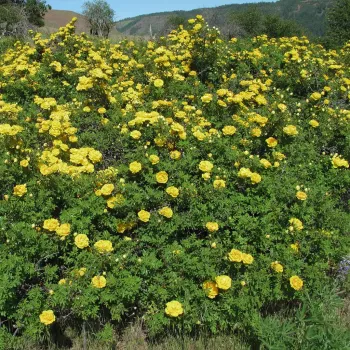
Growth and structural characteristics Bushy, upright to arched shrub reaching 130–230 cm in height and spread, moderately dense, matt green-grey foliage and densely thorned shoots; suited to bush training with discreet support in specimen and structural roles.
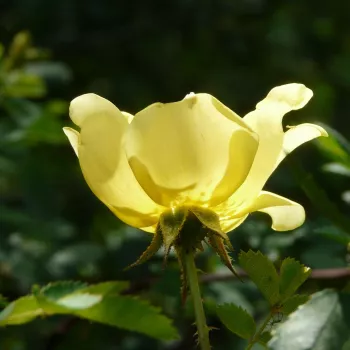
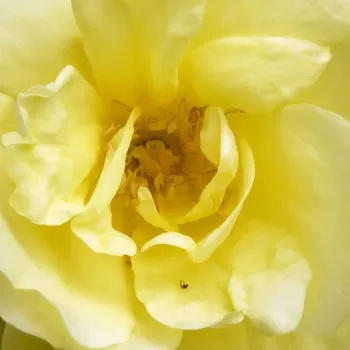
Flower morphology Semi-double, cup-shaped flowers with 13–25 petals, medium-sized at approximately 1.5–2.75 inches, borne mainly solitary; not remontant, giving a concentrated main flowering period with good self-cleaning of spent blooms.
Colour data and phenology Bright, warm sunshine-yellow blooms with saturated tone; ARS code Y, RHS 9A outer and 11B inner; buds deep golden yellow, opening lemon-yellow, fading only slightly and remaining vivid, especially under cooler conditions.
Fragrance and aroma Delicate, elegant fragrance of mild strength, providing a restrained but noticeable scent around flowering shrubs; semi-double open flowers with accessible stamens offer partial pollinator interest during the main flowering phase.
Hip characteristics Occasionally sets small spherical hips 11–19 mm across, turning from green through red to black at maturity; hips contribute some seasonal interest, but overall ornamental value and display impact are considered moderate for this feature.
Resistance and winter hardiness Hardy to approximately −34 to −32 °C, rated RHS H7, Swedish Zone 5, USDA 4a; moderate resistance to powdery mildew, black spot and rust, with medium maintenance regime and occasional plant protection generally sufficient.
Horticultural recommendations Recommended for specimen use, hedging, naturalisation, parks, slopes and urban green spaces; prefers bush training with discreet support, medium maintenance inputs, and performs well as a premium, specialty historic shrub in 5–7 L containers.

Rosa Harisonii as pharmaROSA® NEONATAL own-root material combines historic character, robust shrub structure and good hardiness with predictable, regenerating stands, making it a practical option for aligning capacity and scheduling in specialist and landscape-focused production.
Detailed product attributes

Product Identification Data

Product Name: ROSA HARISONII – yellow historic old garden rose - Harison
Product Type: pharmaROSA® NEONATAL - rooted rose cutting
Cultivar Authenticity: Verified:08.07.2025
Cultivar Quality Rating: premium bronze
Item Number: [667] 20-536 (14.02.2026) pharmarosaneonatal.co.uk

Name and Registration

Meaning of Cultivar Name: The name denotes the breeder's surname.
Cultivar Synonym: Harrisons Yellow; Hoggs Yellow; Yellow Rose of Texas; Rosa × harisonii
Original Trade Name: Harison’s Yellow
Current Trade Name: Rosa Harisonii Historic rose Harison
Rose Group: Old rose, Hybrid Foetida, Hybrid Spinosissima, Shrub
Commercial Type: historic, old garden rose
Commercial Group: Historical rose
Exhibition Category: historic shrub rose; landscape and park rose
Collection: Historic rose

Origin and Breeding

Registration Year: unregistered variety
Breeder: George Folliott Harison
Breeding Company / Institution: unknown / no data
Breeding Year: United States, 1824
Parentage: Rosa foetida ‘Persiana’ × Rosa spinosissima

Growth and Structural Characteristics

Height: 4.3-7.5ft (130-230 cm)
Spread: 4.3-7.5ft (130-230 cm)
Growth Habit: bushy, upright, -arched
Foliage: The variety has moderately dense foliage; the leaves have a matt surface and a green‑grey hue.
Prickliness: densely thorned
Self-Cleaning Description: Most spent flowers fall off naturally.
Self-Cleaning Intensity: Self-cleaning good

Flower Morphology

Petal Count: 13-25
Flower Fullness: semi-double flowered
Flower Shape: cup-shaped
Flower Size: M (1,5-2,75 in)
Inflorescence Type: solitary
Colour Code: ARS code: Y RHS code: 9A (outer), 11B (inner)
Repeat Flowering: Not remontant; blooms once.

Colour Data and Phenology

Colour: yellow
Flower Colour Description: A bright, warm sunshine-yellow shade with a uniform, saturated tone.
Closed Bud: Deep golden yellow without a slight greenish tinge.
Newly Opened Flower: Intense lemon-yellow, the inner petal base slightly darker.
Full Bloom: Bright, clear yellow; the shade barely fades.
Before Fading: Pale pastel yellow, but the central petal ring still retains its vibrancy.
Colour Fading Description: In strong sunlight it fades slightly, remaining a vivid yellow in cooler weather.

Fragrance and Aroma

Fragrance Strength: mild, restrained-scented rose
Fragrance Character: delicate, elegant character
Pollinator Attraction: Its semi-double, open flowers and exposed stamens attract bees, as flower form (simple/semi-double/double) and stamen accessibility influence pollinator attraction.
Pollinator-Friendly Rating: Its semi-double flowers make it partially pollinator-friendly.

Hip Characteristics

Hip Shape: spherical
Hip Colour: green → red → black (ripe)
Hip Comment: Occasionally produced spherical rose hips, 11–19 mm in diameter, changing from green through red to black when ripe. Ornamental value is moderate.

Resistance and Hardiness

Hardiness (°C): -34–-32 °C
Heat and Drought Tolerance Description: Tolerates heat and moderate drought well; once established the plant requires little watering.
Disease Resistance: moderate
  • powdery mildew – moderate
  • black spot – moderate
  • rust – moderate

Horticultural Recommendations

Recommended product path: Premium container, specialty
Release form: Bush-trained + discreet support
Recommended use: Maintenance requirement medium; occasionally requires pest and disease control.
Primary Uses: specimen, hedge, naturalisation, park, slope, urban green space

Comments

Positioning: Selection / specialty
Target customer/channel: Retail/collector
Main value proposition: Selected historic roses
ROSA HARISONII – yellow historic old garden rose - Harison
A bright, warm sunshine-yellow shade with a uniform, saturated tone. - historic, old garden rose - mild, restrained-scented rose - delicate, elegant character
The rose webshop. - yellow - mild, restrained-scented rose - Rosa Harisonii - historic, old garden rose - (4.3-7.5ft (130-230 cm))
Inflorescence: solitary Height: 4.3-7.5ft (130-230 cm) Flower shape: cup-shaped Winter hardiness: 6a yellow - - historic, old garden rose - Flower size: M (1,5-2,75 in) Flower size: M (1,5-2,75 in) - Height: 4.3-7.5ft (130-230 cm) Height: 4.3-7.5ft (130-230 cm) - Flower fullness: semi-double flowered Rosa Harisonii - Roses in the garden | pharmaROSA® Neonatal - premium bronze George Folliott Harison

We showcase the external appearance of the roses available for online purchase from our webshop.


Which product type is right for you?


PharmaRosa® NEONATAL is the cost‑effective starting point for rose product production.

As a uniform, own‑rooted propagation material, it provides a stable basis for further growing-on and can be integrated flexibly into different finished product production technologies.
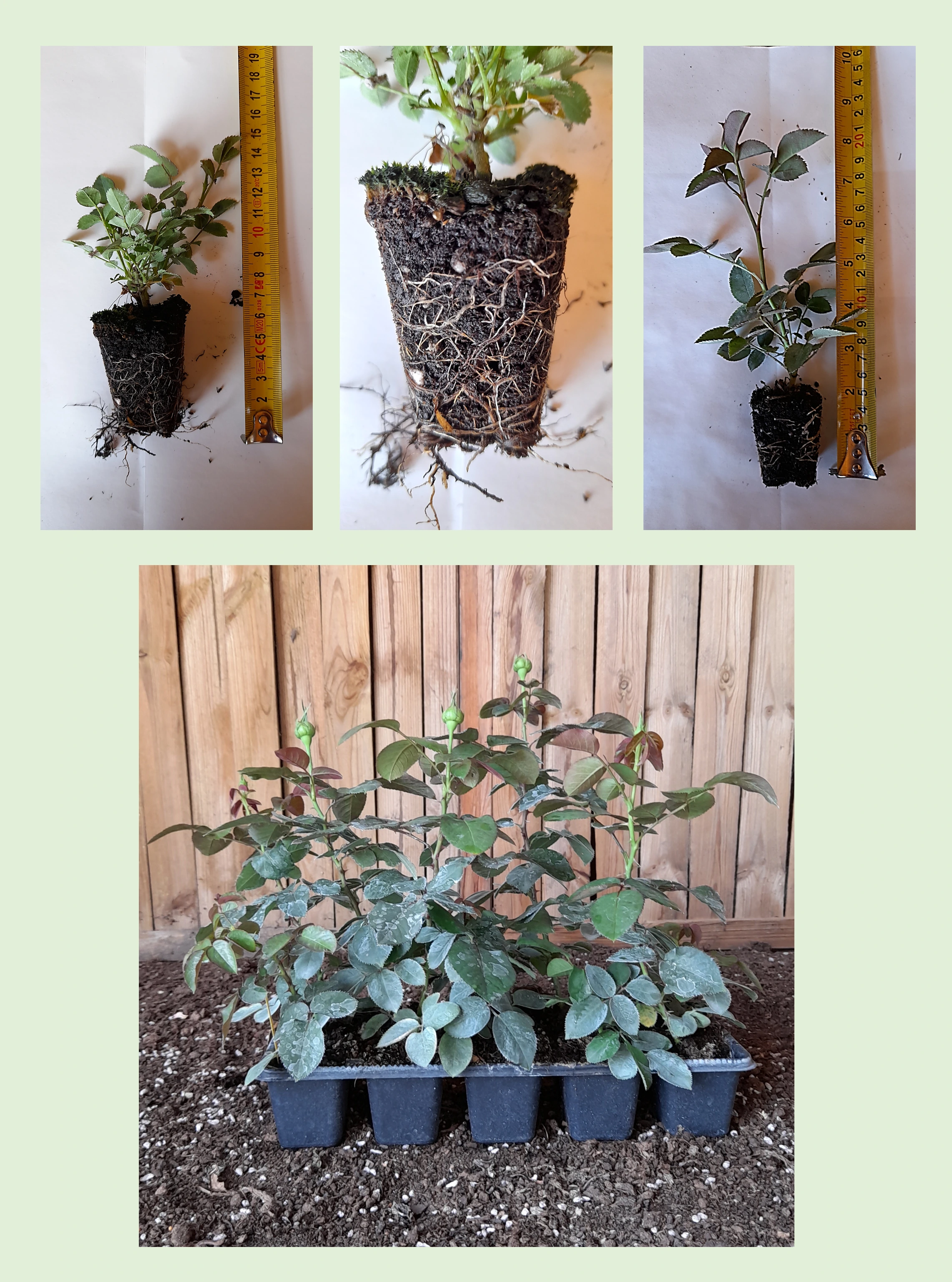
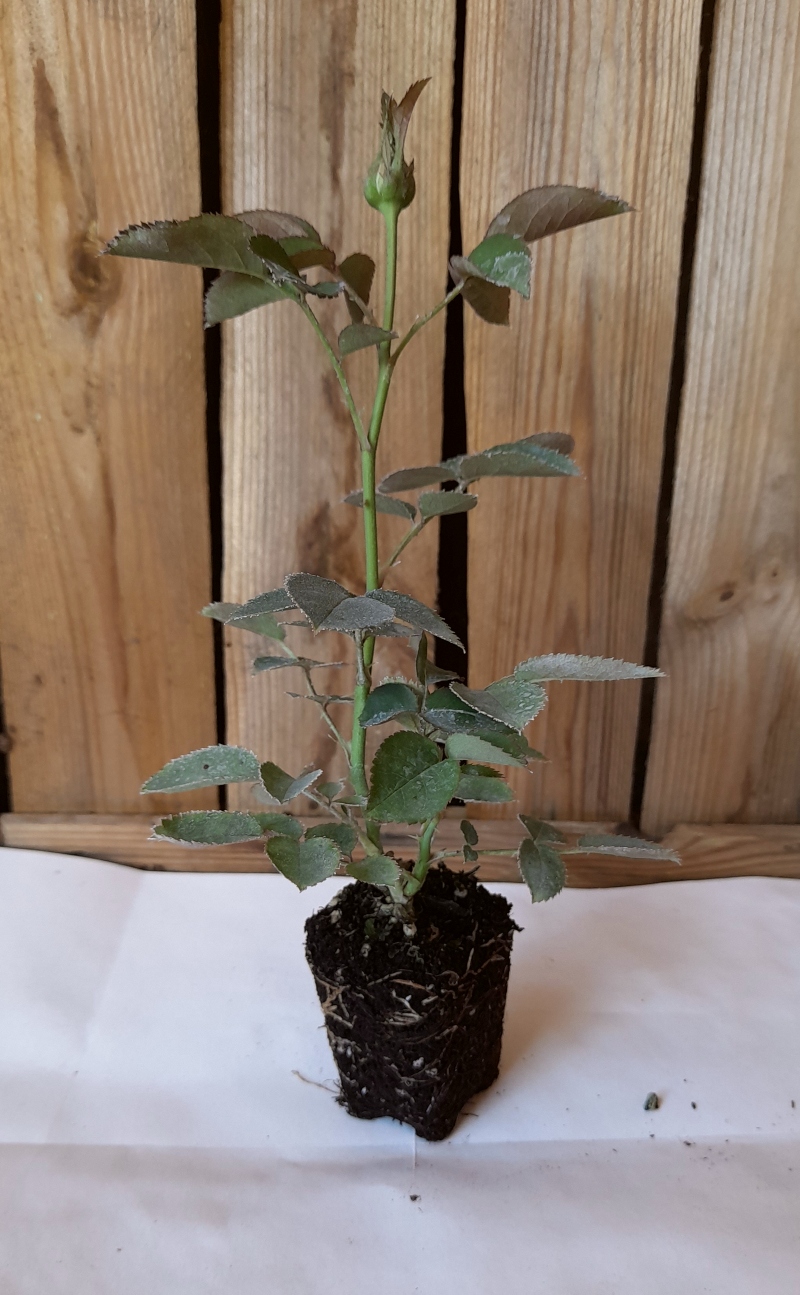
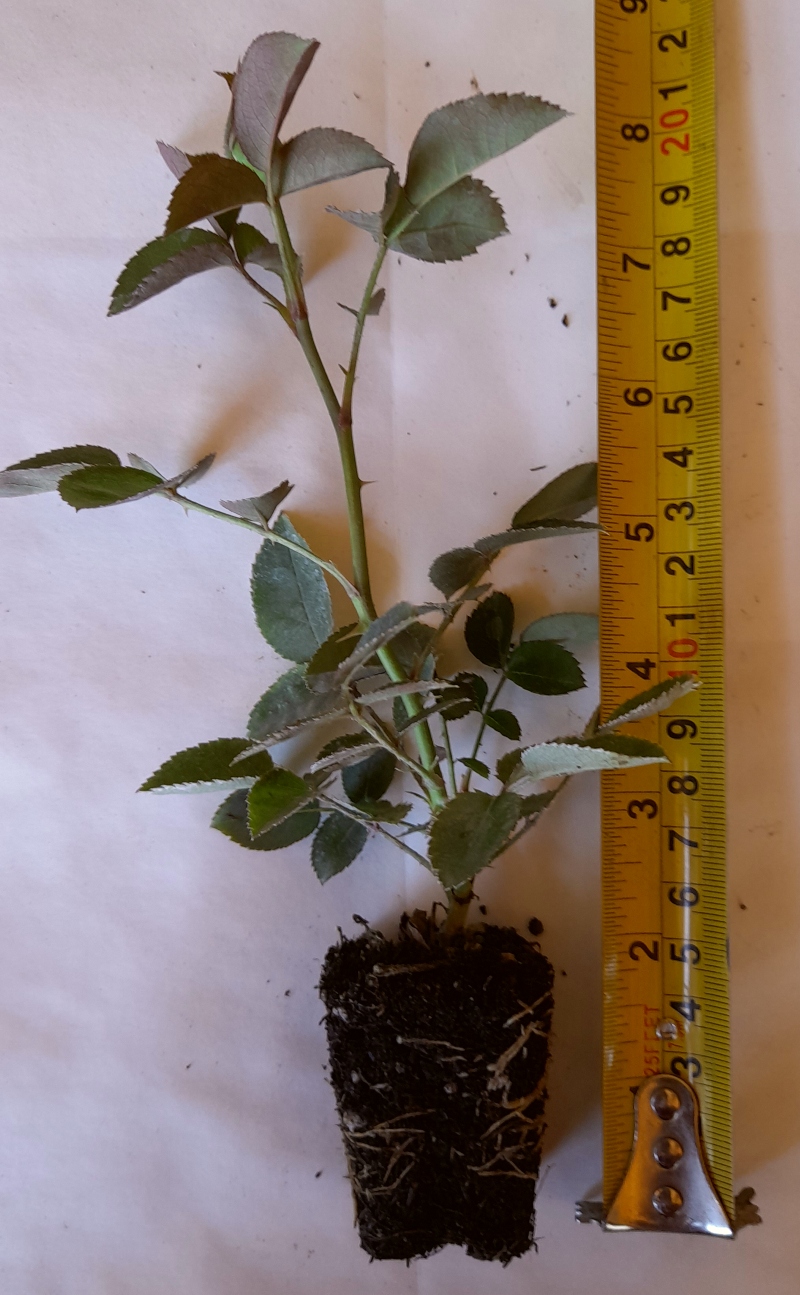
Rooted in trays (rooted), 3–6‑month‑old, own‑rooted rose cutting.
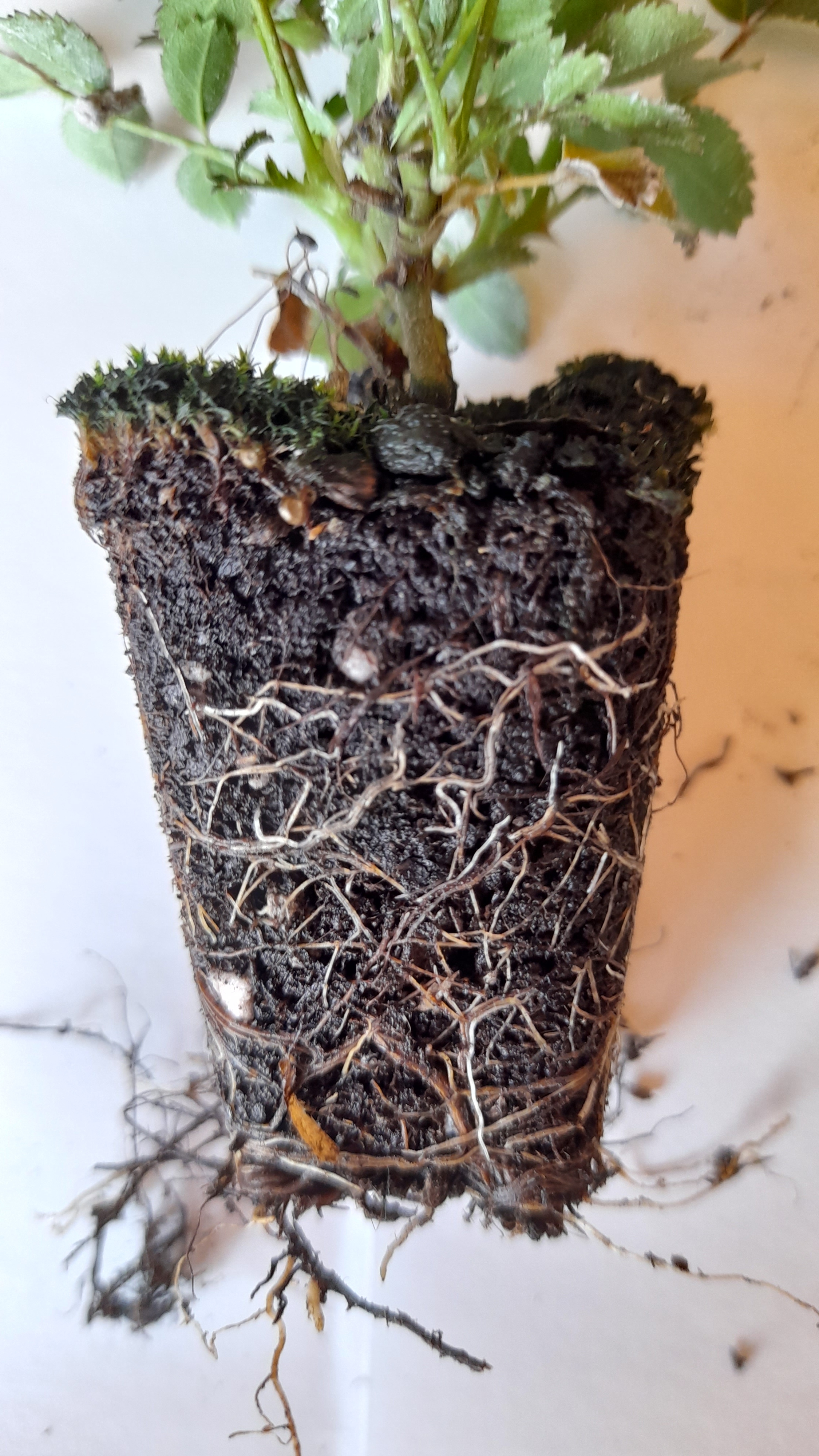
Uniform developmental stage, with a root system that has thoroughly penetrated the plug.
For professional growing‑on.
Tray packaging: 10 pcs/tray.
Quality and varietal identity: production supported by a dedicated identification and traceability logic.
Can be transplanted during frost‑free periods, designed for finished product production.

PharmaRosa® NEONATAL provides a controlled, uniform starting stock for planned growing‑on that can be integrated into your own technology – especially where scheduling and varietal identity are paramount.


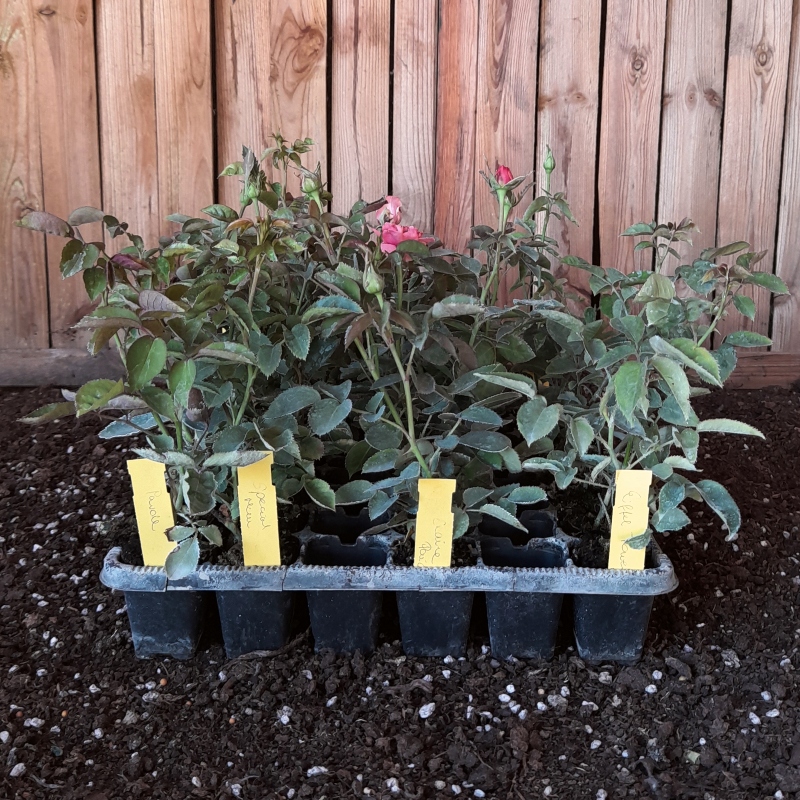
PharmaRosa® NEONATAL own-rooted rose propagation material in a plug, with a root system penetrating the plug (semi-finished product / semi-finished rose). PharmaRosa® NEONATAL rose propagation material size: 3–6‑month‑old, own-rooted cutting with a uniform developmental stage. PharmaRosa® NEONATAL rose propagation material root system: plug densely penetrated by well-developed white roots (root system detail). PharmaRosa® NEONATAL tray stock: own-rooted rose propagation material in trays, uniform developmental stage (10 pcs/tray).

Captions (from left to right): Semi-finished product (NEONATAL own-rooted rose propagation material in a plug with a fully developed root system) • Size demonstration (3–6‑month‑old, uniform cutting) • Root system detail (plug penetrated by the root system) • Tray stock (10 pcs/tray, uniform developmental stage)

pharmarosaneonatal.hupharmarosaneonatal.atpharmarosaneonatal.co.ukpharmarosaneonatal.czpharmarosaneonatal.depharmarosaneonatal.ropharmarosaneonatal.sipharmarosaneonatal.skpharmarosaneonatal.itpharmarosaneonatal.frpharmarosaneonatal.nlpharmarosaneonatal.plpharmarosaneonatal.lupharmarosaneonatal.ptpharmarosaneonatal.espharmarosaneonatal.ltpharmarosaneonatal.sepharmarosaneonatal.lvpharmarosaneonatal.eepharmarosaneonatal.fi

Which product type is right for you?

Pages for private customers
Garden roses for the family garden, with minimal care  → ORIGINAL®
Premium garden roses – instant impact, a truly showpiece garden  → EXTRA®
Pages for professionals and private customers
Roses for public spaces – large areas, sustainable maintenance  → NATURAL®
Roses for projects – hedge and row planting, fast implementation  → RAPID®
For professional partners only
Production – propagation material for garden roses, wholesale  → NEONATAL®

Company details

PharmaRosa Ltd.
Company registration number: 01-09-717479
VAT number: 13075314-2-43
Plant health registration no.: HU130721
Bank account (IBAN):
HU85117631891388688400000000
BIC (SWIFT): OTPVHUHB
Bank name: OTP Bank Nyrt.