| Low-maintenance bedding and park production |
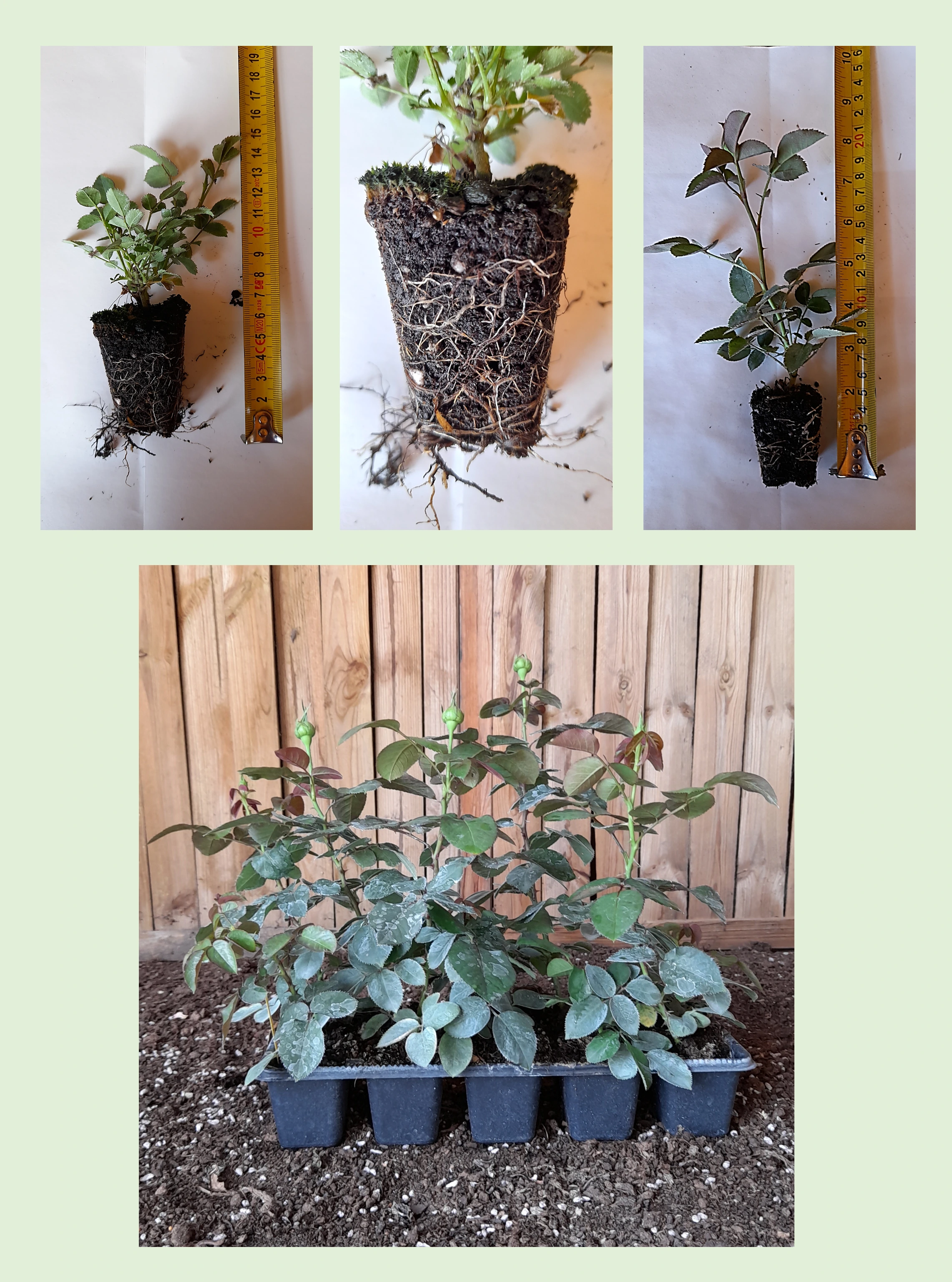
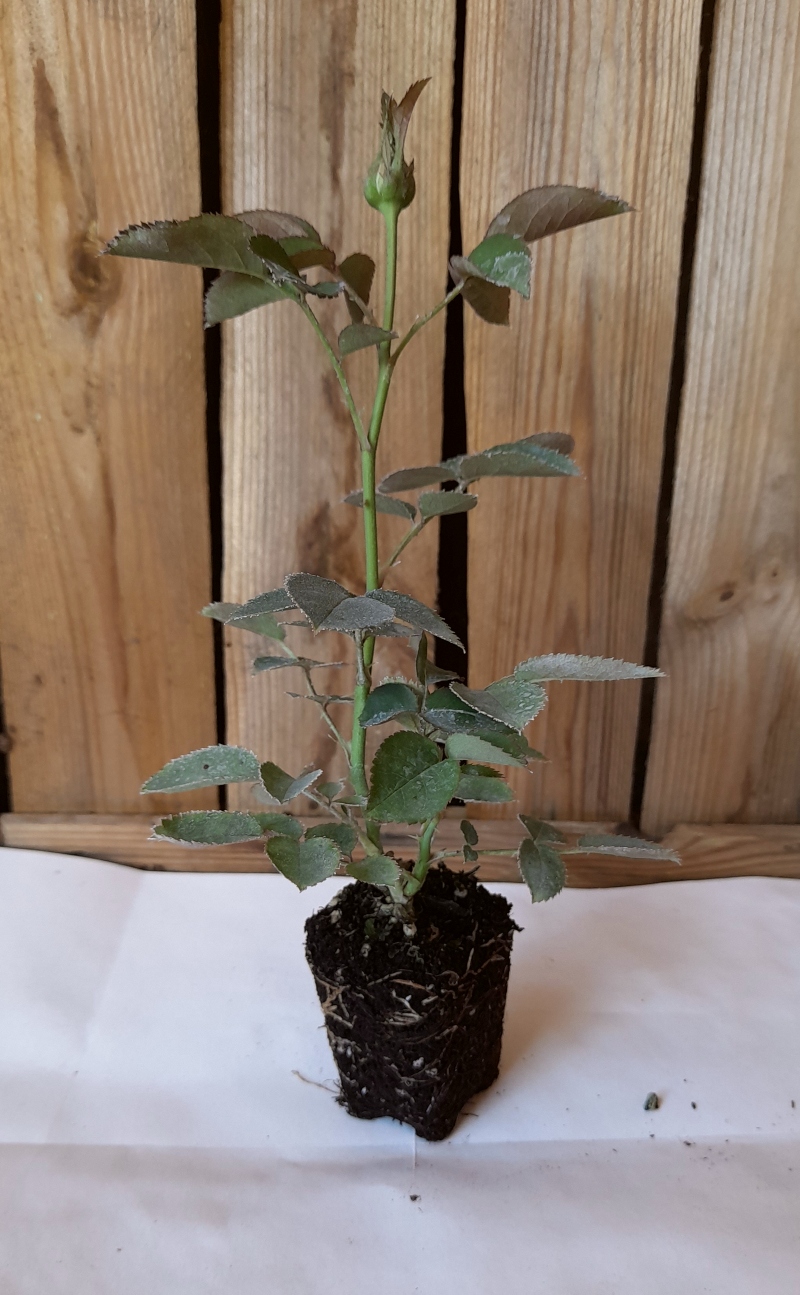
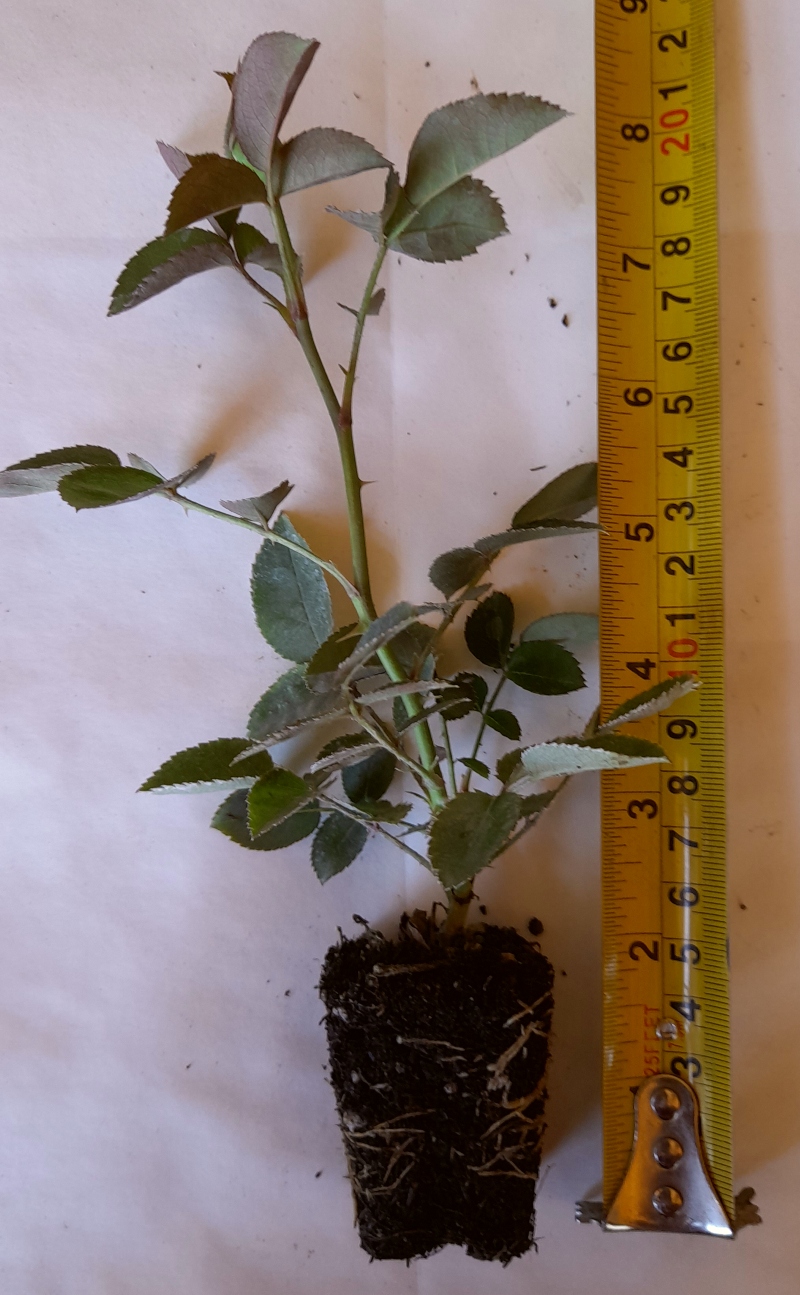
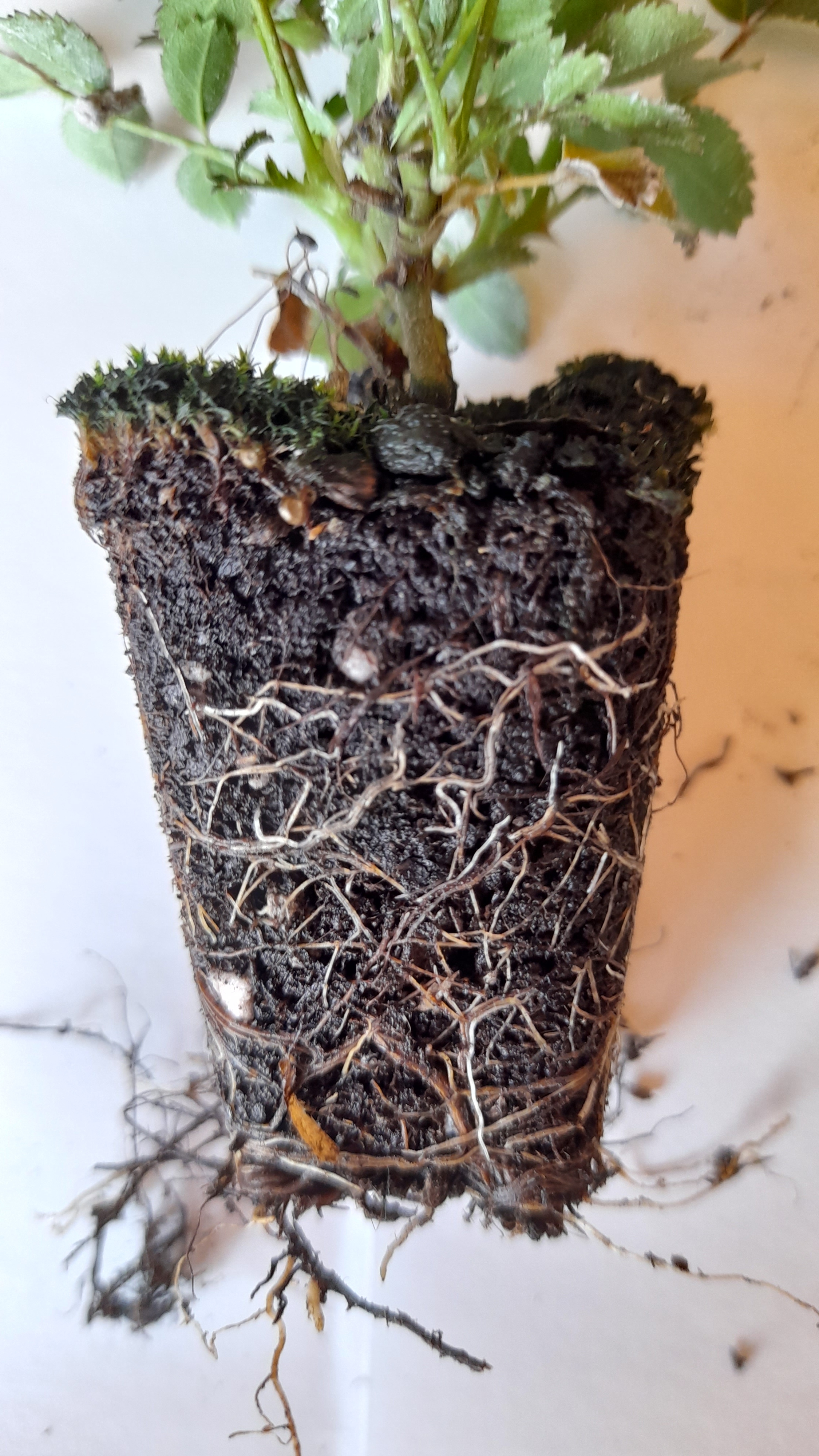
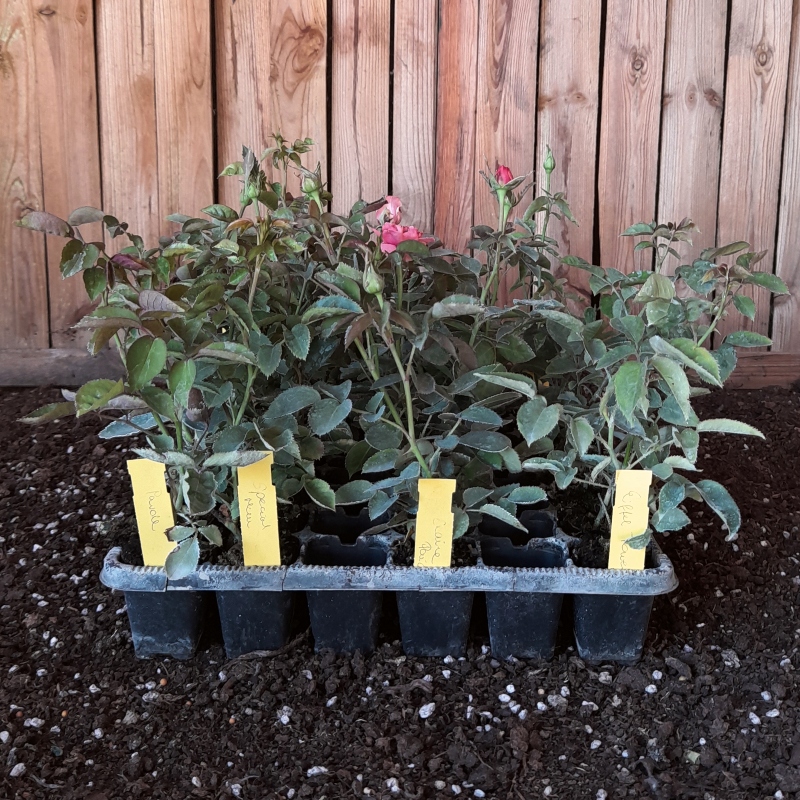
The combination of ADR-level disease resistance, good powdery mildew and black spot tolerance, and low stated maintenance requirement translates into robust, low-intervention plantings for bedding and park contracts. Using the standard container route with 2–3 L pots allows you to batch-produce a uniform, bush-trained, compact product that meets “reliable garden performance” positioning with minimal aftercare. Own-root, tray-grown cuttings make it easier to plan homogeneous stands with low replacement need for large bedding schemes in retail and reseller channels aimed at public and private landscapes, supporting nursery-buyers. |
| Floribunda bedding ranges for retail programmes |
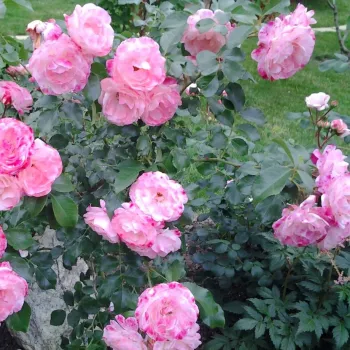
Its floribunda bedding classification, remontant flowering and medium, clustered, semi-double blooms provide a consistent, colourful bedding SKU that fits standard finished-product specifications. The recommended standard container path into 2–3 L targets a recognisable, shelf-efficient unit size for UK garden retail and reseller networks, while own-root stability helps maintain line continuity across seasons. Clear colour identity and reliable re-flowering support branded and private-label assortments that promise dependable garden performance for structured floribunda benches in retail-chains. |
| Urban and municipal green-space contracts |
Good winter hardiness (H7, down to approximately -21 °C) combined with heat and drought tolerance makes this cultivar suitable for exposed urban and municipal sites with variable care levels. The upright, dense foliage structure reads well in massed, 2–3 L-derived plantings in parks, road verges and civic beds, with low maintenance requirement aligning to tight public-realm budgets. Own-root resilience underpins long-term stands, and its use as a flower-bed and urban-green-space rose fits project-based wholesale supply to public-sector. |
| Thematic rose gardens and collection plantings |
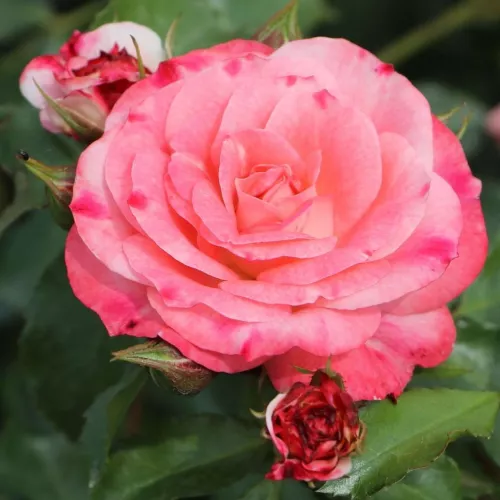
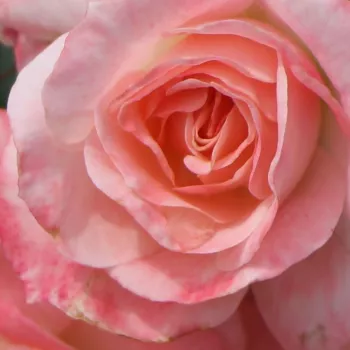
The distinctive white-pink patterning referencing the “Rosenstadt Freising” colour story, plus multiple international medals and ADR recognition, make this cultivar well suited to thematic and show-garden collections. Using uniform NEONATAL material through a standard-container, bush-trained route supports accurately labelled, long-lived own-root collection blocks that can also serve as on-site propagation or mother-plant resources. This helps curators and collection-oriented nurseries maintain identity and story-telling value in specialist-collections. |
| Pollinator-supporting ornamental beds |
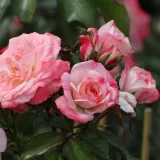
Semi-double, cupped blooms with visible, accessible stamens offer moderate pollinator benefits, adding functional value to decorative floribunda beds in parks and residential schemes. The remontant habit maintains pollen sources over the season, while low maintenance needs and good self-cleaning reduce grooming time during peak flowering. Propagation via NEONATAL rooted cuttings into standard 2–3 L pots allows you to specify this cultivar as part of biodiversity-oriented assortments positioned as reliable and attractive for landscape-specifiers. |
| Cut-flower side use from landscape and nursery stock |
Medium-sized, cupped, semi-double blooms on upright stems allow opportunistic cutting for short-stemmed arrangements from both nursery stock beds and landscape plantings. The own-root form tolerates repeated cutting and regeneration, supporting dual-use production where ornamental beds also serve local cut-flower demand. Bush-trained plants finished in 2–3 L containers integrate easily into nursery workflows, giving retailers and resellers a flexible SKU promoted for garden use with incidental cutting potential for florist-partners. |
| Climate-resilient wholesale blocks and holding fields |
Good tolerance of heat and drought, coupled with strong winter hardiness and disease resistance, supports reliable field and container holding, even where irrigation or spraying cannot always be optimised. This makes NEONATAL own-root stock useful for building buffer capacity and staging blocks that can bridge supply gaps and secure contract fulfilment, especially for larger nursery networks and integrator systems. Such resilience helps accommodate nationwide distribution where robust, all-round climate performance is increasingly needed by wholesale-buyers. |
| Medium-to-large container feature plants |
Although the primary recommendation is standard 2–3 L, the 100–140 cm height and dense, glossy foliage also scale well into 40–50 L feature containers for entrances, terraces and public-venue settings. Starting from uniform NEONATAL material ensures predictable structure development as plants are stepped up from liner trays to mid-size and then to large containers. Own-root durability supports multi-year use and refurbishment of these higher-value units, complementing retail and project-focused offers for specification-clients. |