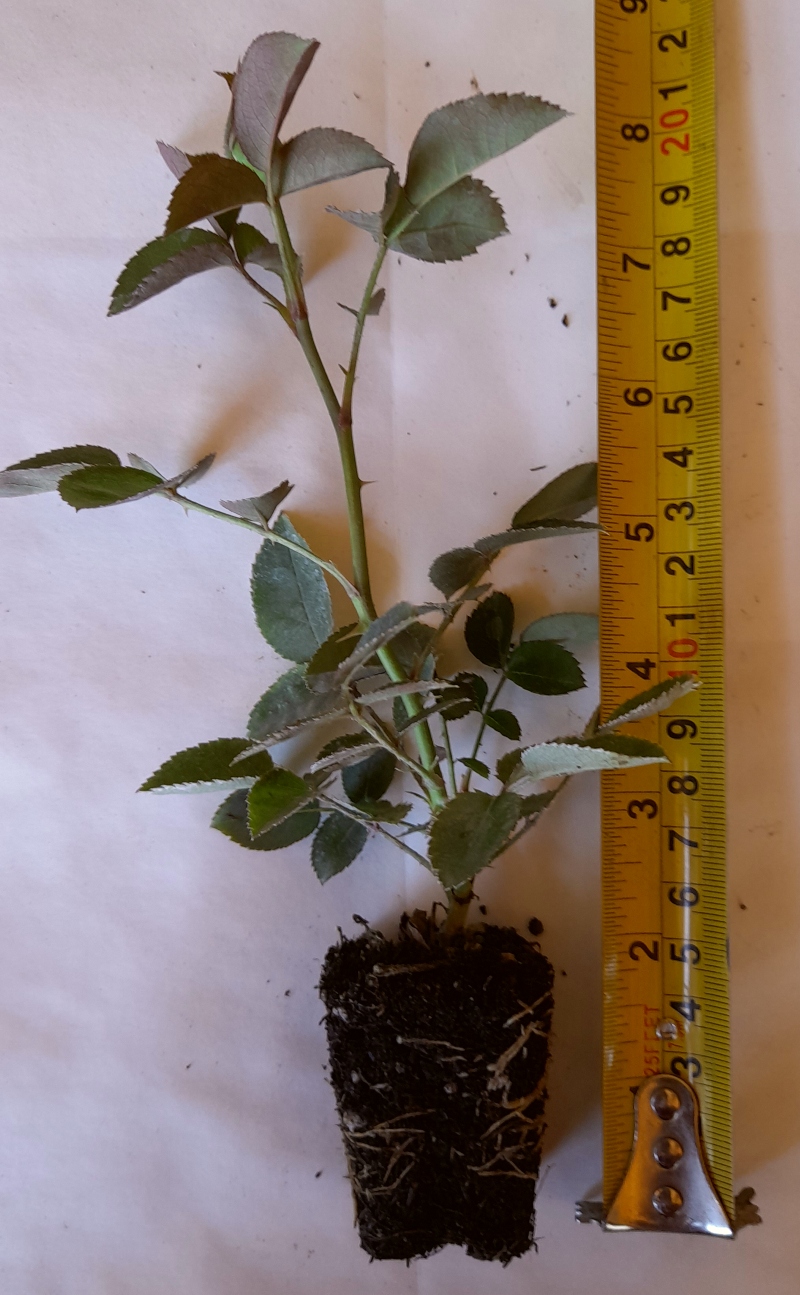
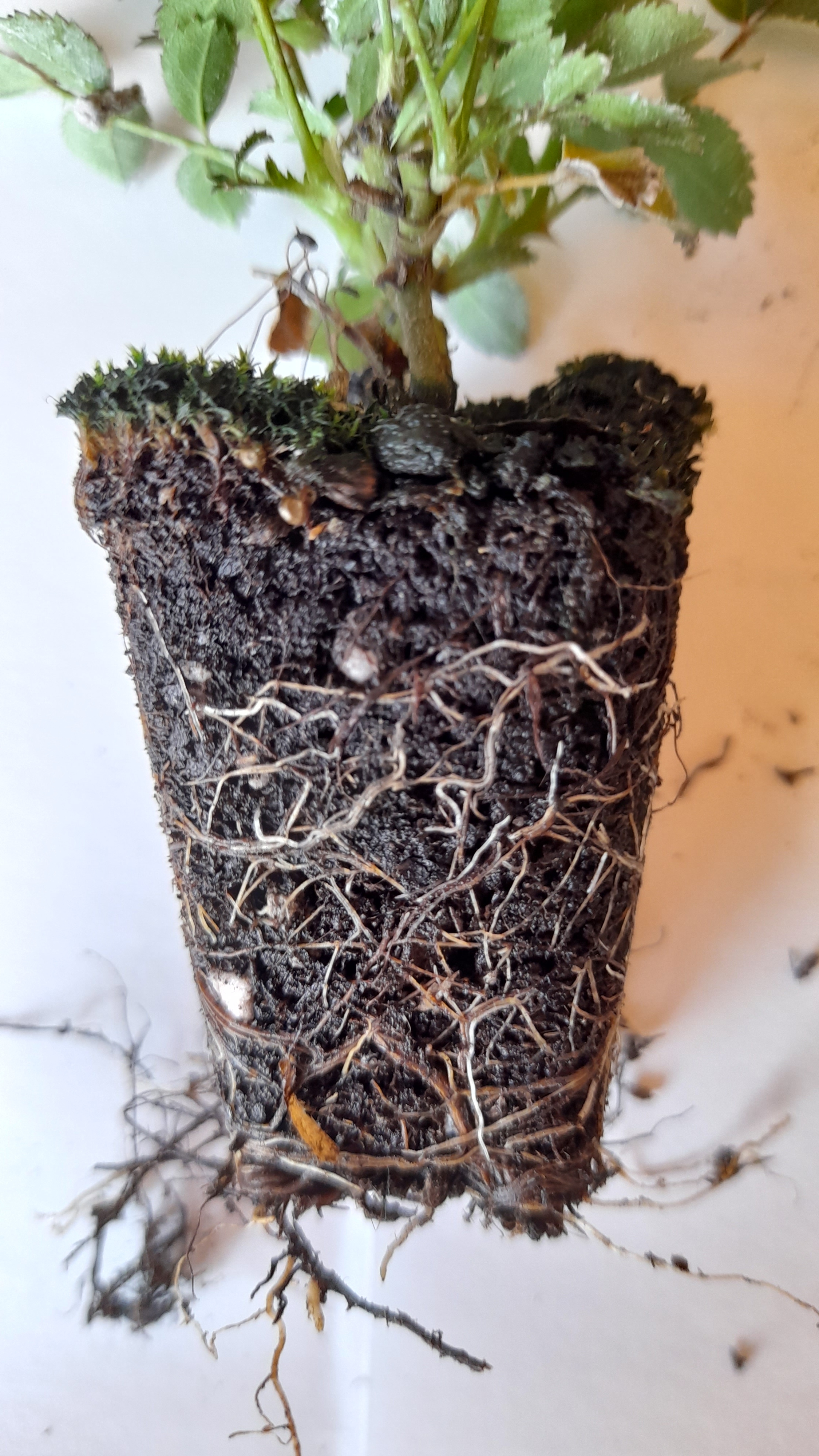
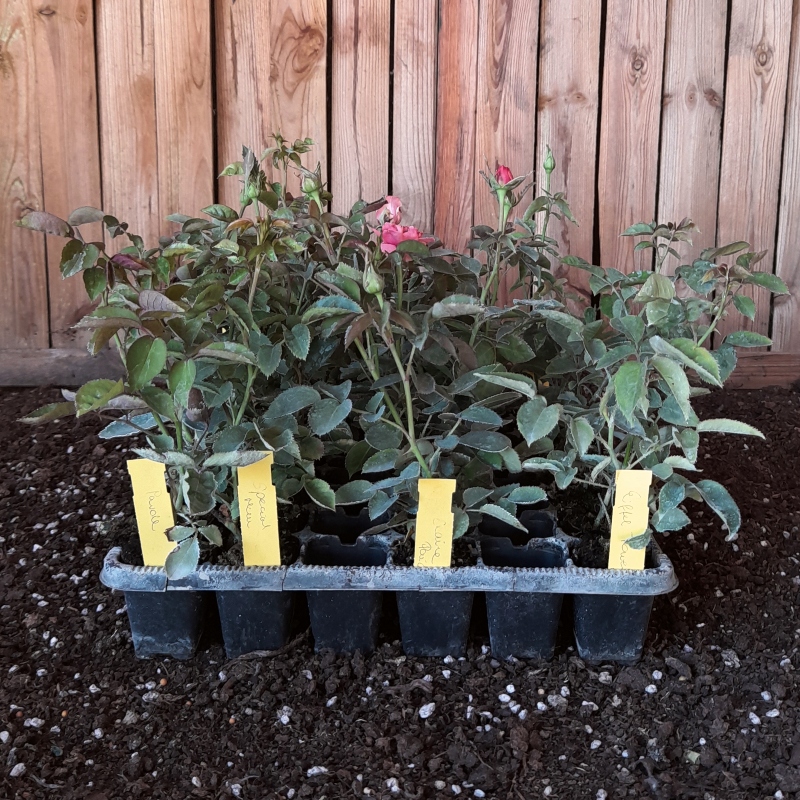
| Nursery propagation beds for own-root stock build-up |
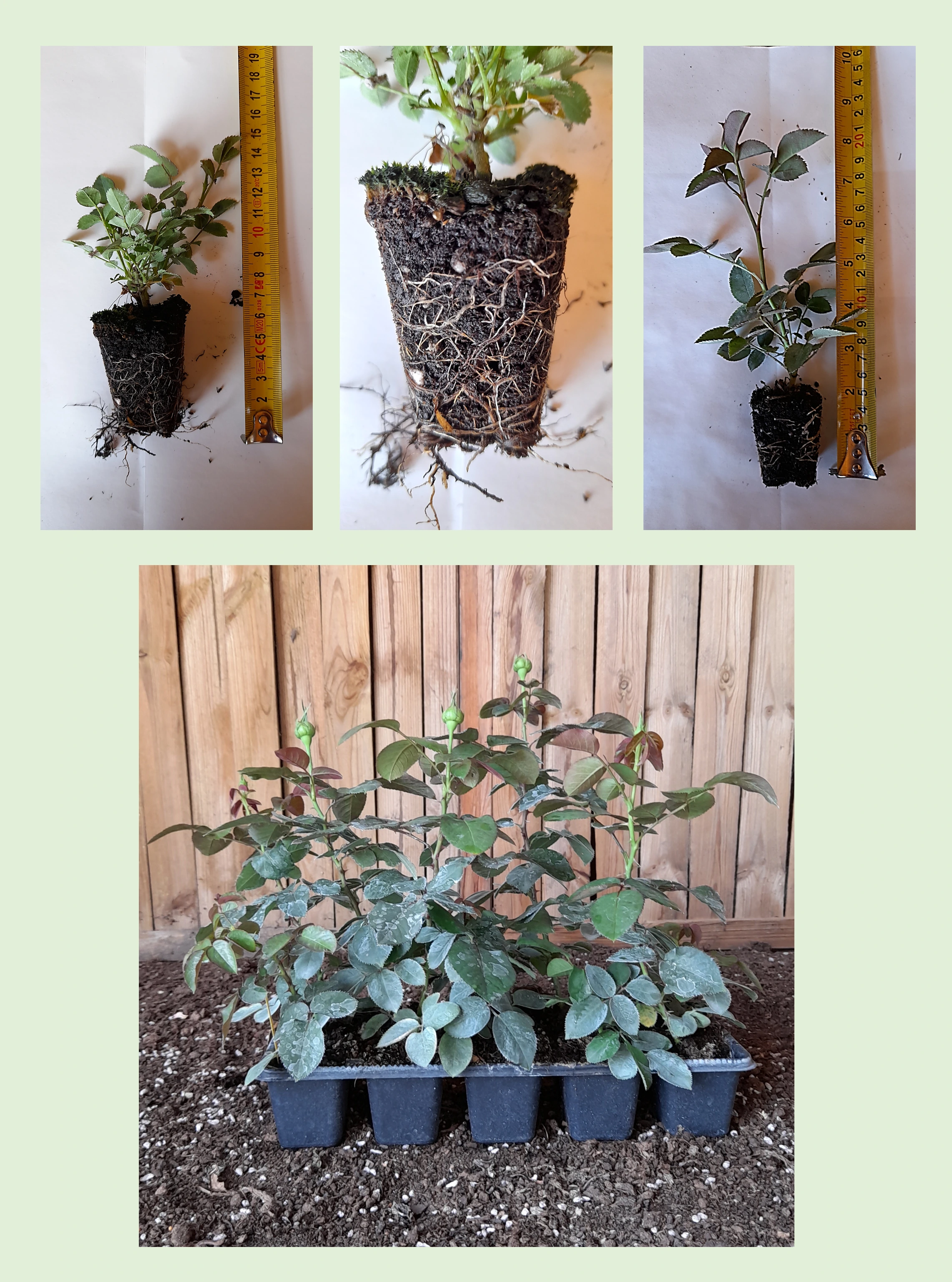
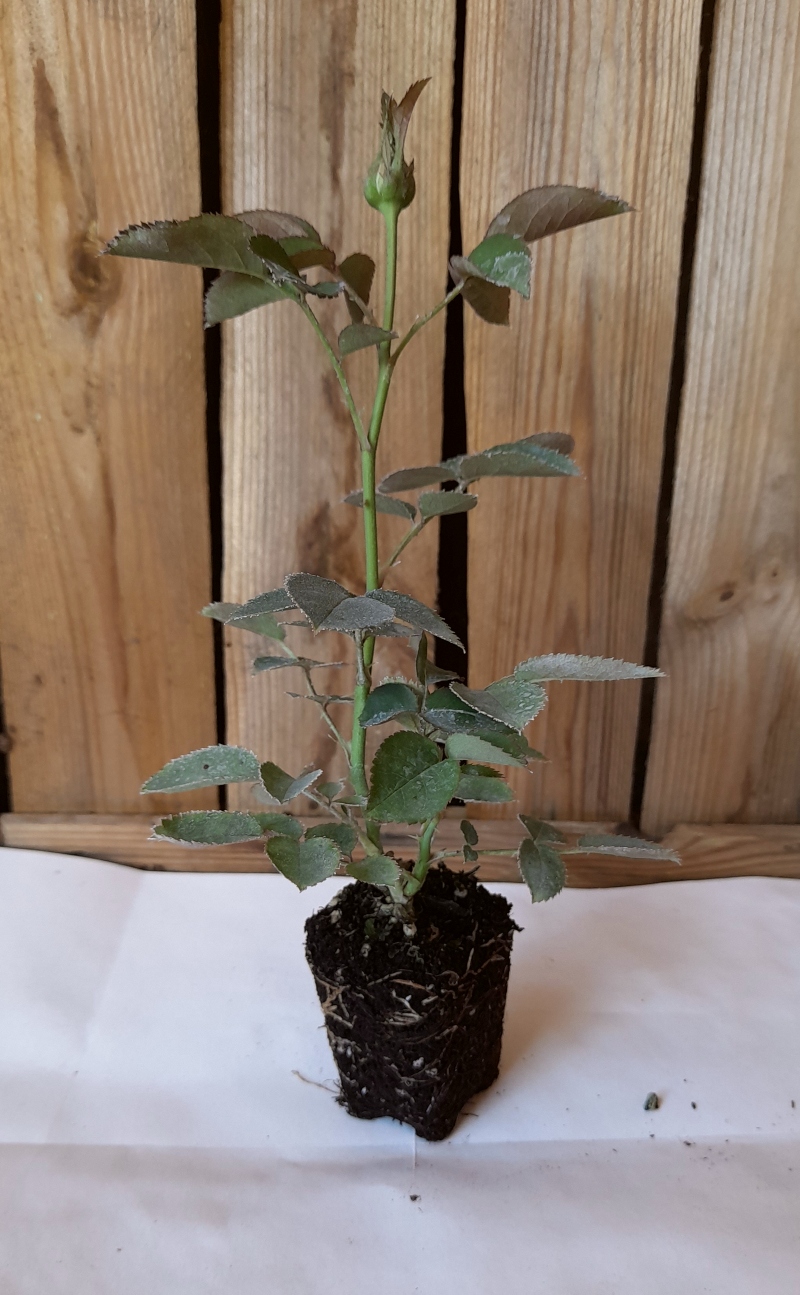
The compact, upright, bushy habit allows dense spacing in propagation beds, while own-root, tray-grown cuttings support scalable production of standard container lines. Using the recommended standard container route with 2–3 L targets enables systematic block production with reliable garden performance positioning for retail and reseller partners, using a stable own-root base suited to long-term stock maintenance for professional rose growers and nurseries serving retail/reseller. |
| Colour-focused flowerbed and edging lines |
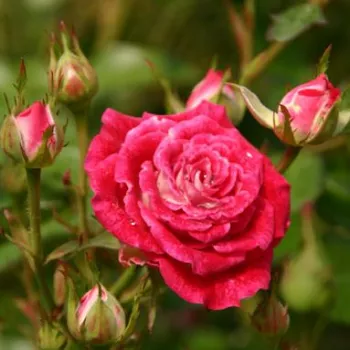
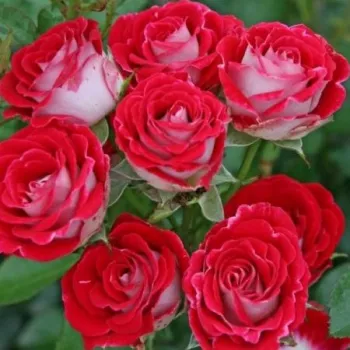
Cluster-flowered inflorescences with small, cup-shaped blooms provide a bright, even colour carpet that fits flower bed and edging concepts. Following the standard container product path into 2–3 L pots creates consistent retail units for bed and border promotions with reliable garden performance as the core promise, delivering homogeneous, easy-to-plan colour ranges across multiple batches for garden-centre chains. |
| Remontant floribunda programmes for extended sales windows |
Its clearly remontant flowering pattern, with an abundant second flush, supports programmes that require an extended, repeat-ready display period on the bench. Growing on rooted cuttings through the standard container route into 2–3 L retail sizes enables timed cropping to hit multiple dispatch windows, underlining a reliable garden performance proposition for series-based offers aimed at multiple retailers. |
| Low-grooming ranges for larger nursery blocks |
Good self-cleaning behaviour keeps shrubs visually tidy, limiting manual removal of spent blooms in larger production blocks. This characteristic, combined with medium maintenance requirements and the standard container route, supports efficient 2–3 L production where labour input must be controlled, while still offering reliable garden performance messaging for volume-focused wholesale networks. |
| Heat-tolerant assortments for southern and urban sites |
Good heat and drought tolerance allows positioning into assortments serving warmer urban and southern projects, provided irrigation is available during prolonged dry spells. Using the standard container route with 2–3 L pots and own-root propagation gives planners a dependable line for municipal or public flower beds, combining reliable garden performance with resilience useful for exposed, sun-baked plantings supplied to public-realm contractors. |
| Handling-efficient, low-prickliness logistics flows |
Minimal prickliness simplifies all handling stages, from sticking and transplanting through spacing, grading and loading, lowering the risk of injury and plant damage. When grown on as bush-trained, compact plants in standard 2–3 L containers, this trait supports smoother logistics and presentation for reliable garden performance programmes destined for distribution hubs. |
| High-ornamental foliage lines for extended shelf presence |
Dense, glossy, medium-green foliage maintains decorative impact even when the main flush is between cycles, stabilising perceived value on the sales bench. Aligned with the standard container route, 2–3 L finished product, and medium maintenance programmes, this supports dependable, foliage-led appeal that underpins reliable garden performance claims, particularly valued by independent nurseries. |
| Thematic and collection plantings for ADR-rated floribundas |
The ADR recognition offers an objective signal of tested performance, useful in thematic rose gardens and curated floribunda collections where identity and reliability are critical. Own-root, bush-trained plants moved via the standard container route into 2–3 L units allow consistent supply for projects needing a stable, long-lived base, fitting reliable garden performance messaging for Scottish and northern English schemes exposed to wind and cooler conditions, and serving project specifiers. |