Botanical rose

20-857-1
20-857-2

Rosa Banksiae lutea

Botanical rose

- – John Damper Parks

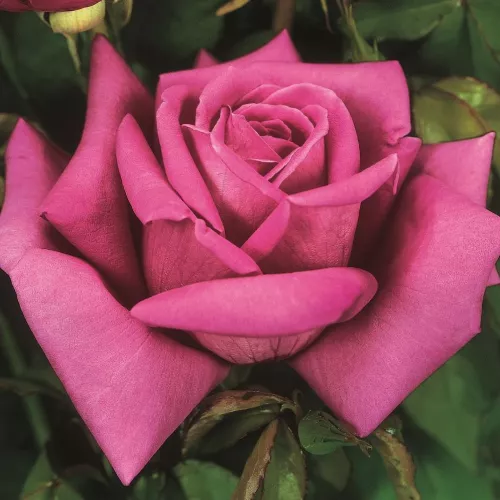
Creamy light yellow with a slightly deeper yellow shade towards the centre. - species rose - very weak, barely noticeable scented rose - classic rose character

– Clouds of small, butter-yellow pompon blooms.
– Vigorous Rambler for walls and pergolas.
– Dense, glossy green foliage gives lush cover.
– Good tolerance to heat and moderate drought.
– Historic species rose with major global awards.
– Special feature: Celebrated in the World Federation of Rose Societies Old Rose Hall of Fame.
Eco garden/landscape
Rosa Banksiae lutea
pharmaROSA® NEONATAL rooted rose cutting
30,80 £
Due to courier service regulations – and the introduction of customs clearance – delivery to Ireland is temporarily suspended.
3 (4461)
facebook   twitter

Rosa Banksiae lutea – pharmaROSA® NEONATAL rooted cutting

Historic yet fully relevant to contemporary UK projects, Rosa Banksiae lutea delivers a distinctive botanical impact route for thematic collections and public landscapes where authentic species character, eco-park value and long sightlines matter. Its vigorous climbing growth and dense, glossy foliage make it ideal for arbour, pergola and wall training, building strong vertical structures from a compact 2–3 L propagation start. As own-root pharmaROSA® NEONATAL material, it offers long-term stability for nursery networks needing predictable, renewable stock across collection plantings and landscape programmes. Year 1 focuses on secure root establishment, Year 2 on structural shoot framework, with full ornamental value by Year 3 under planned training. Once planted out, it provides a durable landscape presence that supports eco-garden positioning while fitting standard/botanical container routes and vigorous, bush-trained finished forms. Its once-flowering, cluster-forming display of creamy yellow, very double blooms delivers concentrated seasonal impact that suits show gardens, historic reconstructions and curated species ranges, particularly in regions where mild winters and good summer light allow reliable performance in exposed park and pergola situations. The good heat and moderate drought tolerance supports production and planting in warmer UK corridors where summer irrigation can be planned as needed. Across nursery and wholesale supply chains this cultivar underpins differentiated portfolio offers: premium gold authenticity rating, recognised historic background and landmark AGM / Old Rose Hall of Fame status, all on a robust own-root platform that aligns with long-lived, low-replacement project specifications and high-volume professional propagation workflows.


Usage options

Target area Reasoning
Vertical park and estate structures (arbours, pergolas, walls) The strong climbing growth and 4.2–7.8 m height range allow you to build long, continuous screens and overhead tunnels from relatively small 2–3 L starter material, finished as vigorous bush-trained units. Own-root propagation gives durable framework plants that regenerate well after pruning, supporting long-term contracts where landscape effect and eco-garden value are central. Once-flowering, cluster-flowered displays create a clear seasonal highlight that fits curated park calendars and thematic rose gardens serving landscape contractor supply.
Botanical and historic rose collections The species character, documented introduction history (1824, Parks) and botanical rose classification let you strengthen serious collections and show-garden narratives without graft-dependency. pharmaROSA® NEONATAL rooted cuttings provide cultivar-true, premium gold authenticity for curators who must maintain labelled stands over decades, with own-root renewal limiting replacement rates. The recommended standard/botanical container route and 2–3 L target pot suit collection nursery lines prepared for transfer into permanent beds aimed at thematic rose gardens.
Eco-garden and low-input park schemes Good heat and moderate drought tolerance, combined with dense, medium-green, glossy foliage, allow robust cover on arbours and walls where irrigation is available only during prolonged drought. While disease susceptibility requires monitoring in humid districts, own-root plants cope better with corrective pruning and renewal, keeping stands visually stable. Using a standard/botanical container route with vigorous, bush-trained finished plants enables efficient establishment in eco-park frameworks that prioritise landscape effect and eco-garden value for public-realm projects.
Wholesale supply for pergola / wall kits Its vigorous, climbing habit and medium self-cleaning clusters suit pre-specified pergola or wall packages, where one once-flowering flush is acceptable or desirable. Nursery production can standardise on 2–3 L units, trained into a strong basic framework, then supplied as kit components. Own-root predictability supports homogeneous batches and simplifies after-sales guidance for installer networks. This concentrated seasonal effect is easily communicated in trade catalogues targeting wholesale distributor channels.
Premium landscape contractor lines Recognised by RHS AGM and the WFRS Old Rose Hall of Fame, this cultivar carries strong reference value for specifiers and contractors. NEONATAL rooted cuttings turn into vigorous, bush-trained finished plants that meet tender requirements for traceable origin and robustness. Own-root longevity fits contracts where replacement budgets are tight but visual expectations are high, while the standard/botanical container path integrates with existing pallet and trolley logistics serving landscape maintenance firms.
Integrator systems and municipal framework agreements For integrators managing multi-site municipal programmes, the combination of reliable climbing growth, dense foliage and once-flowering clusters simplifies specification across pergolas and wall runs. Own-root stands create long-lived, uniform structures with low replanting demand, stabilising multi-year budgets. The recommended 2–3 L container format offers a consistent unit for scheduling and stock forecasts, aligning with eco-garden and park positioning for municipal procurement.
Large private estates and institutional campuses This cultivar is particularly suited to milder UK districts where winters are not severe, providing stable coverage on estate pergolas, cloister walks and institutional courtyards. NEONATAL material allows estates teams to build their own long-term stock base, using 2–3 L plants grown on to larger, 40–50 litre containers before final placement for maximum establishment security. Own-root resilience helps manage pruning cycles and occasional renovation cuts while preserving the historic and eco-landscape character attractive to estate managers.
Private-label “Botanical Parks” ranges The clearly defined botanical rose identity, yellow Banksiae parentage and award history make it a strong anchor for branded “Parks” or “Botanical Collection” ranges in nursery and wholesale portfolios. Using pharmaROSA® NEONATAL rooted cuttings ensures cultivar authenticity and repeatable performance, while the standard/botanical 2–3 L route is easy to scale. Its concentrated, once-flowering display and climbing habit give a recognisable concept for marketing into thematic rose garden and eco-park projects for reseller partners.

Finished-product ideas

  • Botanical Pergola Line – Vigorous, bush-trained climbers in 2–3 L standard/botanical containers, focused on dense foliage and once-flowering yellow clusters for pergolas and arbours – landscape contractor / municipal park supply.
  • Historic Collection Series – Curated species range built around Rosa Banksiae lutea, supplied as premium gold, own-root 2–3 L plants for direct planting into thematic and show gardens – botanical gardens / specialist nurseries.
  • Eco-Park Climber Pack – Heat- and moderate-drought-tolerant climbers for eco-garden walls and structures, delivered as uniform NEONATAL-based lines ready for grow-on into 40–50 litre estate-grade containers – public-realm and estate projects.
  • Parks Signature Range – Private-label “Parks” assortment using award-recognised Rosa Banksiae lutea as a key SKU, grown via standard/botanical container route for reliable, vigorous finished material – wholesale and integrator programmes.
  • Campus Walkway Arches – Own-root climbers pre-trained for arch and cloister structures, using 2–3 L propagation starts grown on to robust, framework-forming units with dense cover – institutional campus and business-park landscaping.

Technical cultivar profile
Name and registration Rosa Banksiae lutea is a botanical Rambler within the Banksiae-Species group, traded as a species rose under the current name Rosa Banksiae lutea Botanical rose Parks, with ARS exhibition name R. banksiae lutea.
Origin and breeding A naturally occurring double-flowered yellow Banksiae selection, associated with John Damper Parks and introduced via the Calcutta Botanic Garden and RHS in 1824, remaining an unregistered yet historically documented cultivar.
Awards and recognition Recognised with the RHS Award of Garden Merit for dependable ornamental value and honoured by the World Federation of Rose Societies Old Rose Hall of Fame in 2018, underlining its long-term landscape and collection significance.
Growth and structural characteristics A vigorous climbing rose reaching about 4.2–7.8 m in height with a 3.2–5.8 m spread, slightly thorny canes, and dense, glossy, medium-green foliage offering strong coverage for walls, pergolas and larger park structures.
Flower morphology Bears small, 0.5–1.5 inch, very double (40+ petal) globular to pompon flowers in clusters, flowering once per season, with medium self-cleaning where individual blooms fall while parts of the cluster may remain on the plant.
Colour data and phenology Flowers open pale lemon yellow with deeper inner petals, becoming uniform butter-yellow then lightening to straw and creamy yellow in strong sun; colour retention is moderate, with ARS yellow group and RHS 11C / 9B references.
Fragrance and aroma The scent profile shows a classic rose character but at a very weak intensity, making fragrance a minor consideration; heavily double flowers and concealed stamens emphasise ornamental visual use rather than sensory or pollinator value.
Hip characteristics Hip set is minimal due to the very double flowers; when formed, hips are small, about 4–8 mm across, spherical and orange, with little impact on general maintenance or visual effect in landscape and structural plantings.
Resistance and winter hardiness Classed at RHS H4 and USDA 8b, hardy to about −9 to −7 °C, it tolerates heat and moderate drought well but requires irrigation in extended dry spells and plant protection in extremely humid areas prone to black spot and rust.
Horticultural recommendations Best used as a vigorous, bush-trained climbing plant for arbours, pergolas, walls, parks or solitary specimens, with medium maintenance needs, and produced via standard/botanical container routes from 2–3 L own-root starting material.

Rosa Banksiae lutea offers vigorous climbing structure, award-recognised landscape value and long-lived, predictable own-root stands; please contact us to align capacity, delivery windows and collection-fit for your upcoming programmes.

Detailed product attributes

Product Identification Data

Product Name: BANKSIAE LUTEA – yellow species rose - Parks
Product Type: pharmaROSA® NEONATAL - rooted rose cutting
Cultivar Authenticity: Verified:07.11.2025
Cultivar Quality Rating: premium gold
Item Number: [686] 20-857 (14.02.2026) pharmarosaneonatal.co.uk

Name and Registration

Meaning of Cultivar Name: The cultivar name is of Latin origin; the word 'lutea' means yellow.
Cultivar Synonym: Yellow Banksian Rose; Yellow Lady Banks Rose; Banksian Yellow; Wong-moue-heong; Rosa banksiae f. lutea; R. banksiae luteo-plena
Original Trade Name: R. banksiae lutea
Current Trade Name: Rosa Banksiae lutea Botanical rose Parks
Rose Group: Rambler,Banksiae-Species
Commercial Type: species rose
Commercial Group: Botanical rose
Exhibition Category: species rose
Collection: Botanical rose

Origin and Breeding

Initial Distributor: Royal Horticultural Society (United Kingdom)
Registration Year: unregistered cultivar
Breeder: John Damper Parks
Breeding Company / Institution: Calcutta Botanic Garden (IND); Royal Horticultural Society (UK)
Breeding Year: United Kingdom, 1824
Parentage: Rosa banksiae naturally yellow, double-flowered form

Awards and Honours

Global and Lifetime Awards: World Federation of Rose Societies – Old Rose Hall of Fame (2018)
Horticultural Ratings and Recommendations: RHS Award of Garden Merit (AGM)
Competition and Show Awards: RHS Award of Garden Merit (AGM); World Federation of Rose Societies – Old Rose Hall of Fame (2018)

Growth and Structural Characteristics

Height: 13.8-25.6ft (420-780 cm)
Spread: 10.5-19ft (320-580 cm)
Growth Habit: climbing
Foliage: The variety’s foliage is dense. The leaves have a glossy surface and a medium‑green shade.
Prickliness: slightly thorny
Self-Cleaning Description: Spent flowers usually fall off by themselves, while clusters may partly remain on the plant.
Self-Cleaning Intensity: Self-cleaning ability: medium.

Flower Morphology

Flower Fullness: very double-flowered
Flower Shape: globular, pompon
Flower Size: S (0,5-1,5 in)
Inflorescence Type: cluster-flowered
Colour Code: ARS code: Y RHS code: 11C (outer), 9B (inner)
Repeat Flowering: Not remontant; flowers once.

Colour Data and Phenology

Colour: yellow
Flower Colour Description: Creamy light yellow with a slightly deeper yellow shade towards the centre.
Closed Bud: Pale yellow with a greenish-yellow tinge.
Newly Opened Flower: Light lemon yellow, with a more vivid yellow on the inner side.
Full Bloom: Uniform butter-yellow, slightly golden-yellow in the centre.
Before Fading: Lightening straw-yellow, the outer petals fade to an almost creamy yellow.
Colour Fading Description: In strong sunlight it lightens, fading to a creamy yellow.

Fragrance and Aroma

Fragrance Strength: very weak, barely noticeable scented rose
Fragrance Character: classic rose character
Pollinator Attraction: Strongly double, small flowers with poor access to the stamens make this variety not particularly attractive to pollinators.
Pollinator-Friendly Rating: Very double flowers conceal the stamens; primarily an ornamental variety.

Hip Characteristics

Hip Shape: spherical
Hip Colour: orange
Hip Comment: Rose-hip formation is scant or absent due to the very double flowers; if formed, 4–8 mm in diameter, globose, orange.

Resistance and Hardiness

Hardiness (°C): -9–-7 °C
Heat and Drought Tolerance Description: Tolerates heat and moderate drought well; requires irrigation during prolonged drought.
Disease Resistance: susceptible
  • powdery mildew – medium
  • black spot – susceptible
  • rust – susceptible

Horticultural Recommendations

Recommended product path: Standard/botanical container
Release form: Vigorous, bush-trained finished product
Recommended use: Maintenance requirement medium; plant protection required in extremely humid conditions.
Primary Uses: arbour, pergola, wall training, park, solitary specimen

Comments

Positioning: Eco garden/landscape
Target customer/channel: Landscape contractor, maintenance + collector
Main value proposition: Landscape effect and eco-garden value
BANKSIAE LUTEA – yellow species rose - Parks
Creamy light yellow with a slightly deeper yellow shade towards the centre. - species rose - very weak, barely noticeable scented rose - classic rose character
Online rose order - yellow - very weak, barely noticeable scented rose - Rosa Banksiae lutea - species rose - (13.8-25.6ft (420-780 cm))
Inflorescence: cluster-flowered Height: 13.8-25.6ft (420-780 cm) Flower shape: globular, pompon Winter hardiness: - yellow - Royal Horticultural Society (United Kingdom) species rose - Flower size: S (0,5-1,5 in) Flower size: S (0,5-1,5 in) - Height: 13.8-25.6ft (420-780 cm) Height: 13.8-25.6ft (420-780 cm) - Flower fullness: very double-flowered Rosa Banksiae lutea - Roses in the garden | pharmaROSA® Neonatal - premium gold John Damper Parks

We showcase the external appearance of the roses available for online purchase from our webshop.


Which product type is right for you?


PharmaRosa® NEONATAL is the cost‑effective starting point for rose product production.

As a uniform, own‑rooted propagation material, it provides a stable basis for further growing-on and can be integrated flexibly into different finished product production technologies.

Rooted in trays (rooted), 3–6‑month‑old, own‑rooted rose cutting.
Uniform developmental stage, with a root system that has thoroughly penetrated the plug.
For professional growing‑on.
Tray packaging: 10 pcs/tray.
Quality and varietal identity: production supported by a dedicated identification and traceability logic.
Can be transplanted during frost‑free periods, designed for finished product production.

PharmaRosa® NEONATAL provides a controlled, uniform starting stock for planned growing‑on that can be integrated into your own technology – especially where scheduling and varietal identity are paramount.


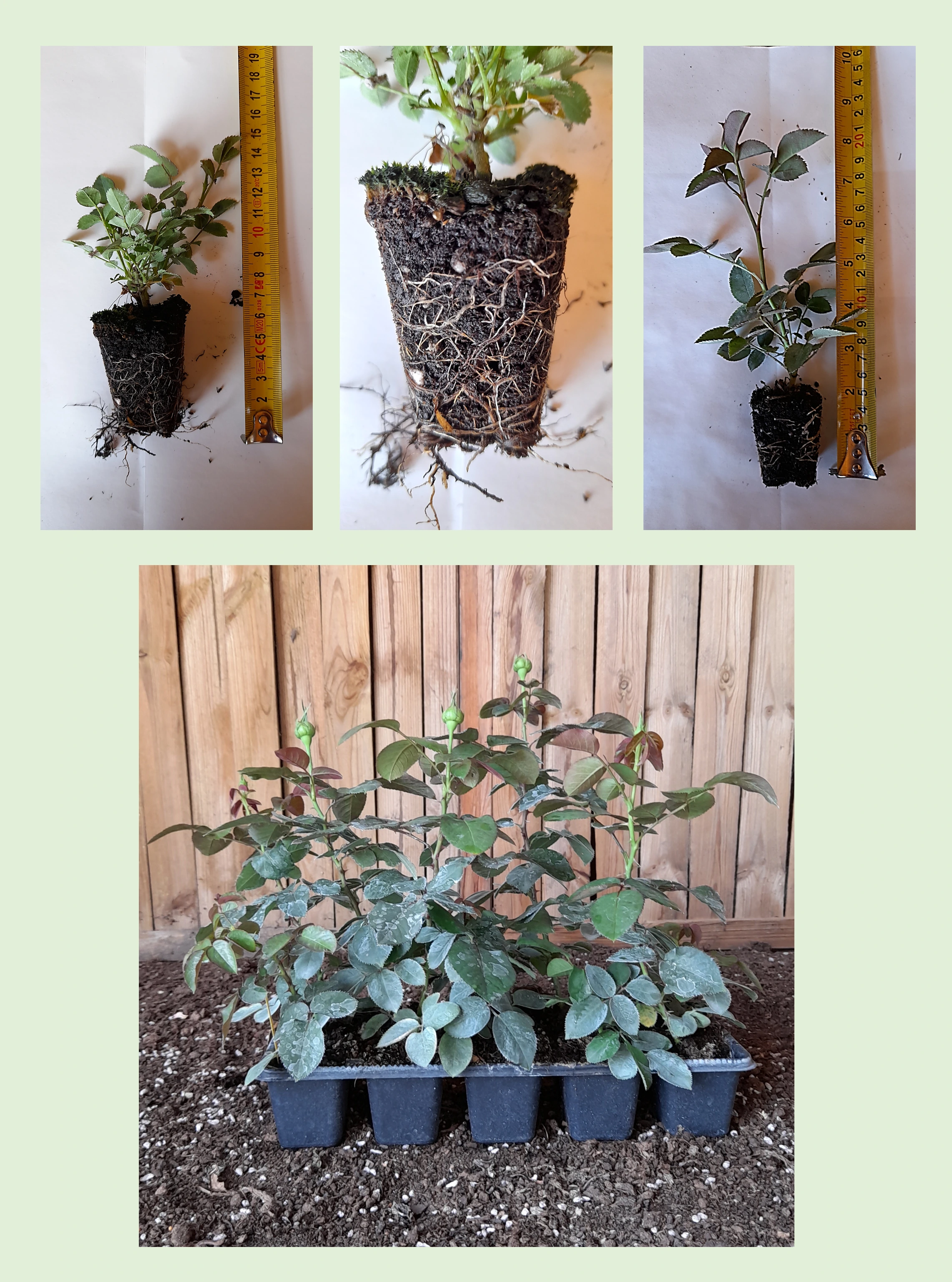
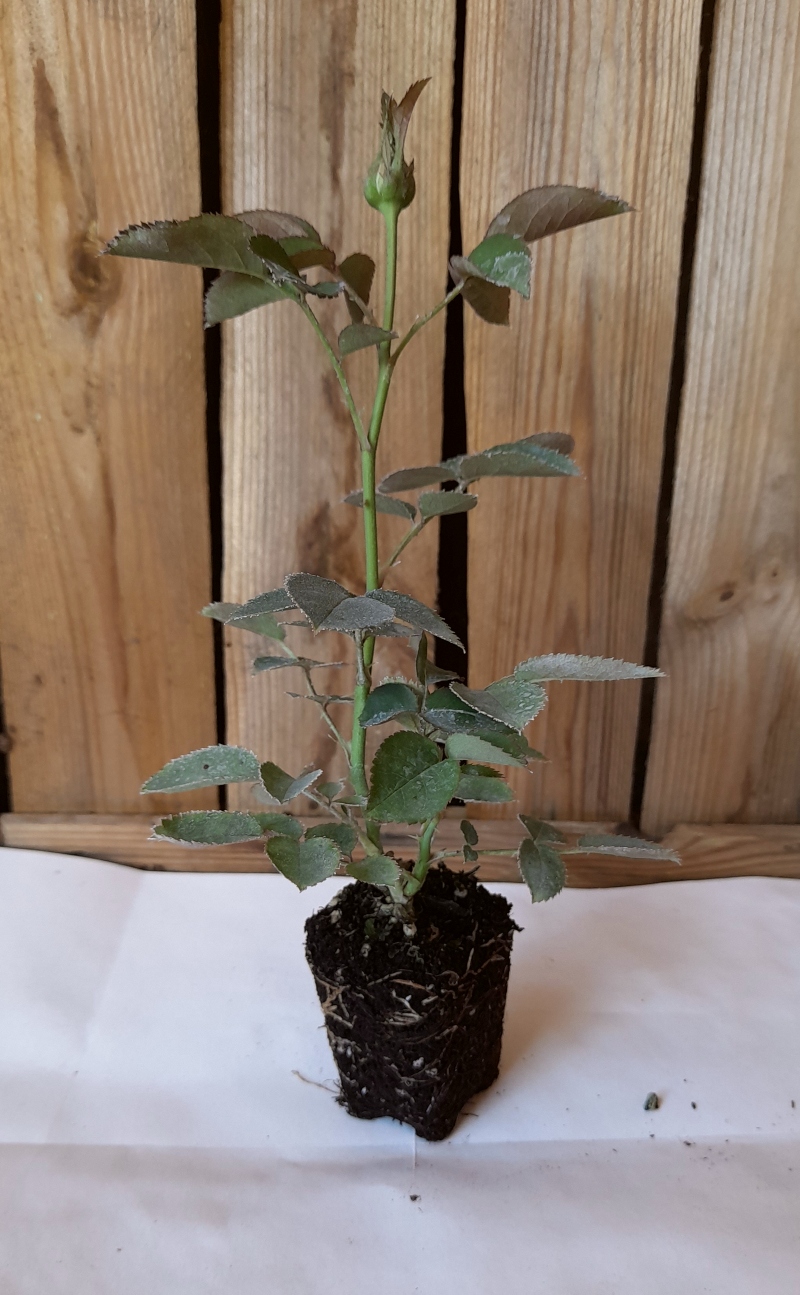
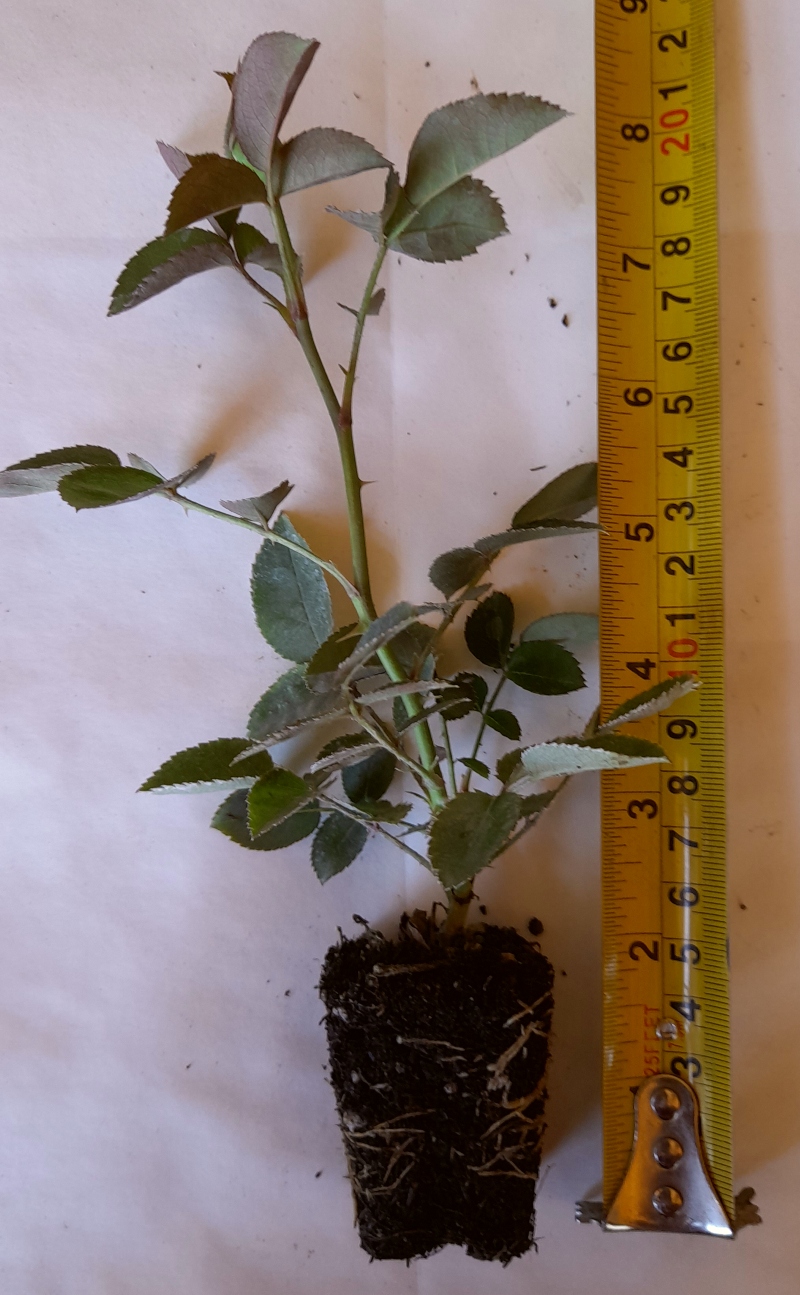
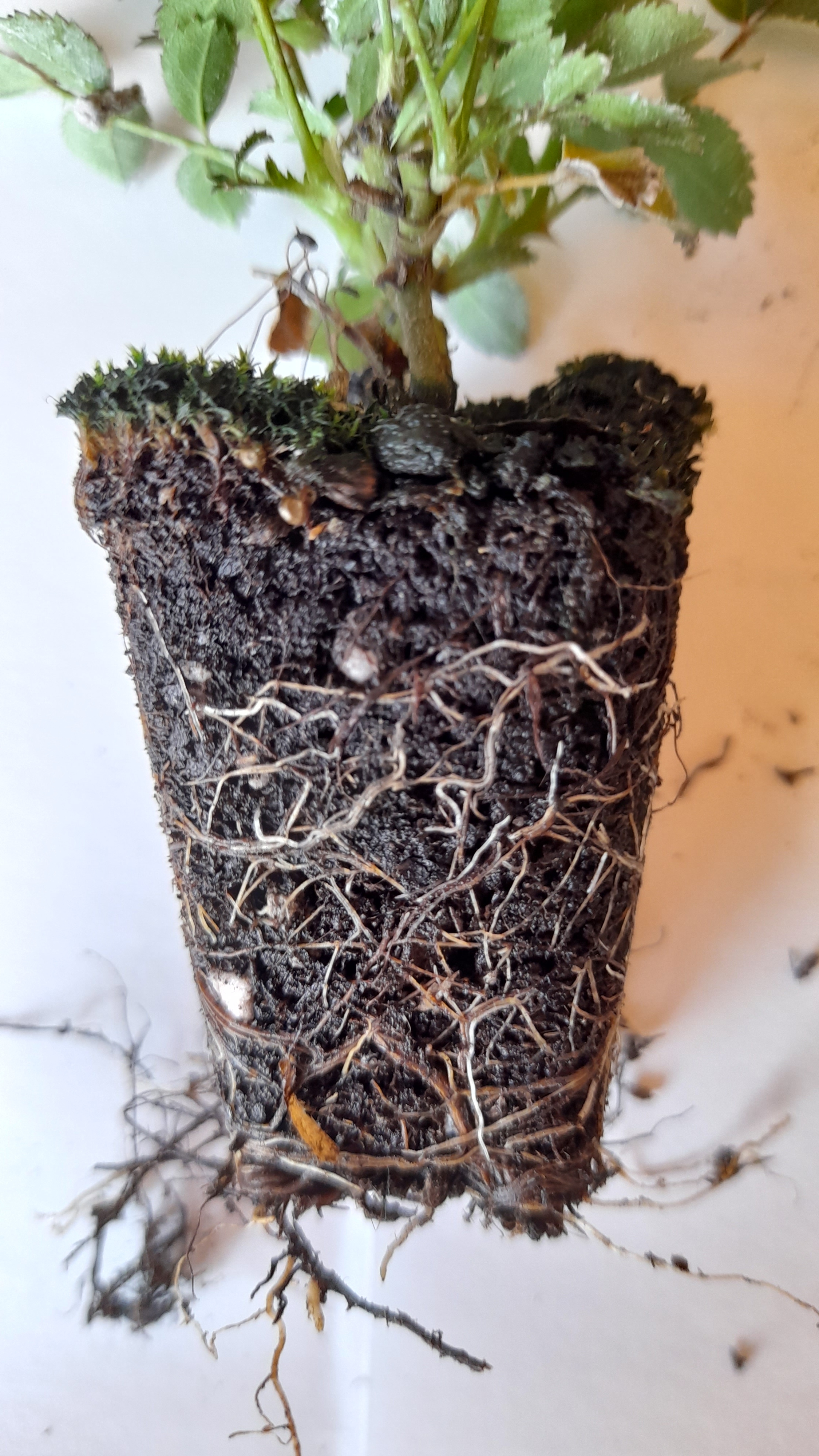
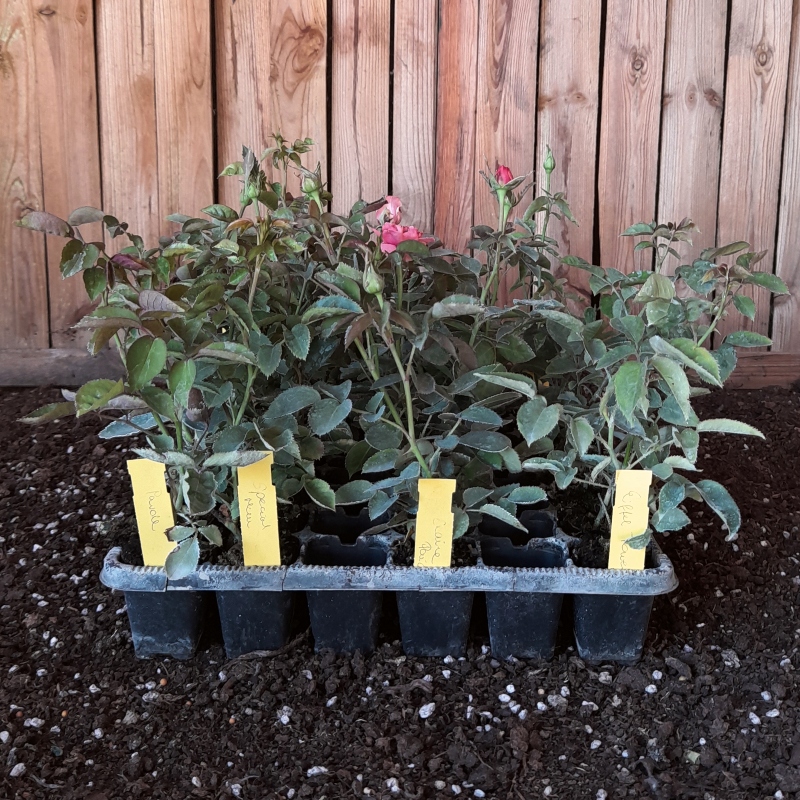
PharmaRosa® NEONATAL own-rooted rose propagation material in a plug, with a root system penetrating the plug (semi-finished product / semi-finished rose). PharmaRosa® NEONATAL rose propagation material size: 3–6‑month‑old, own-rooted cutting with a uniform developmental stage. PharmaRosa® NEONATAL rose propagation material root system: plug densely penetrated by well-developed white roots (root system detail). PharmaRosa® NEONATAL tray stock: own-rooted rose propagation material in trays, uniform developmental stage (10 pcs/tray).

Captions (from left to right): Semi-finished product (NEONATAL own-rooted rose propagation material in a plug with a fully developed root system) • Size demonstration (3–6‑month‑old, uniform cutting) • Root system detail (plug penetrated by the root system) • Tray stock (10 pcs/tray, uniform developmental stage)

pharmarosaneonatal.ropharmarosaneonatal.skpharmarosaneonatal.depharmarosaneonatal.co.ukpharmarosaneonatal.sipharmarosaneonatal.czpharmarosaneonatal.atpharmarosaneonatal.frpharmarosaneonatal.plpharmarosaneonatal.itpharmarosaneonatal.espharmarosaneonatal.nlpharmarosaneonatal.ptpharmarosaneonatal.lupharmarosaneonatal.sepharmarosaneonatal.lvpharmarosaneonatal.fipharmarosaneonatal.ltpharmarosaneonatal.eepharmarosaneonatal.hu

Which product type is right for you?

Pages for private customers
Garden roses for the family garden, with minimal care  → ORIGINAL®
Premium garden roses – instant impact, a truly showpiece garden  → EXTRA®
Pages for professionals and private customers
Roses for public spaces – large areas, sustainable maintenance  → NATURAL®
Roses for projects – hedge and row planting, fast implementation  → RAPID®
For professional partners only
Production – propagation material for garden roses, wholesale  → NEONATAL®

Company details

PharmaRosa Ltd.
Company registration number: 01-09-717479
VAT number: 13075314-2-43
Plant health registration no.: HU130721
Bank account (IBAN):
HU85117631891388688400000000
BIC (SWIFT): OTPVHUHB
Bank name: OTP Bank Nyrt.