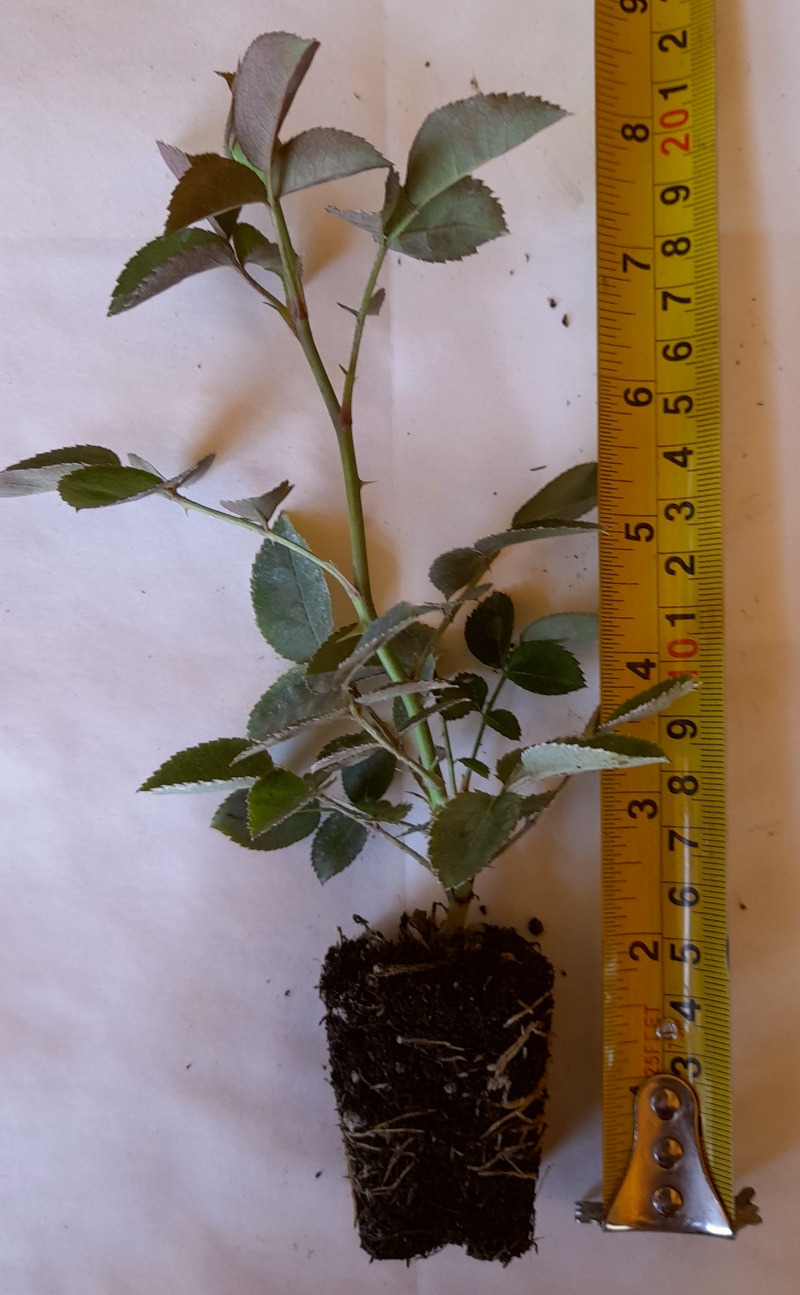
Prosperity – park shrub rose propagation material
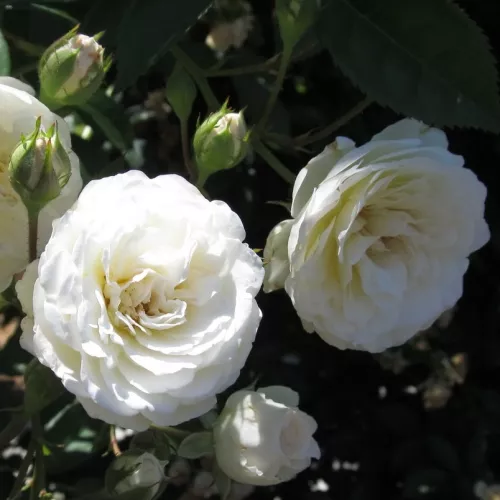
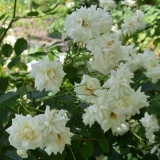
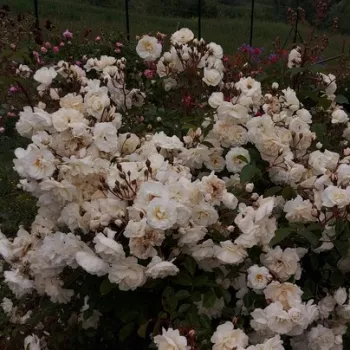
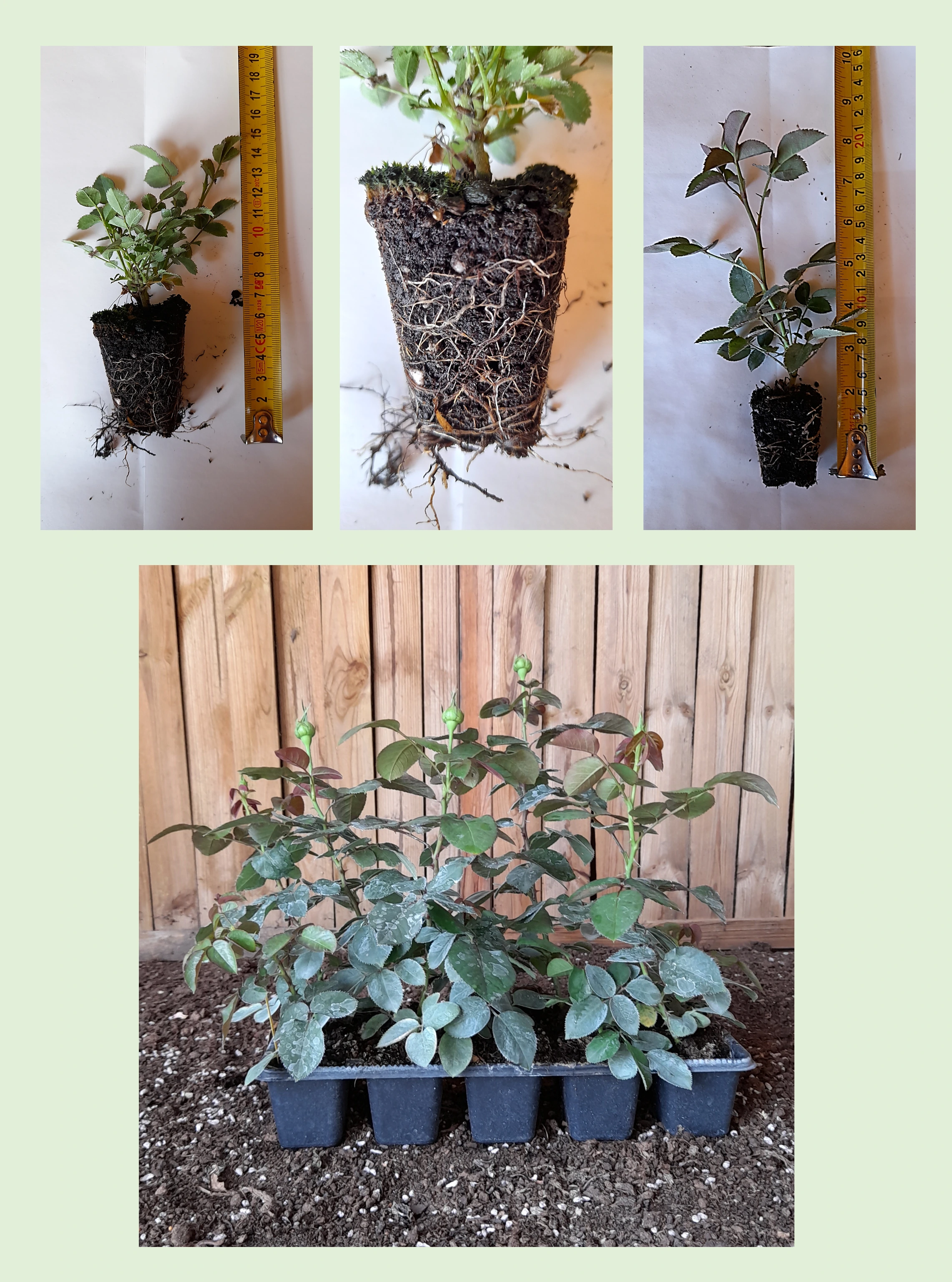
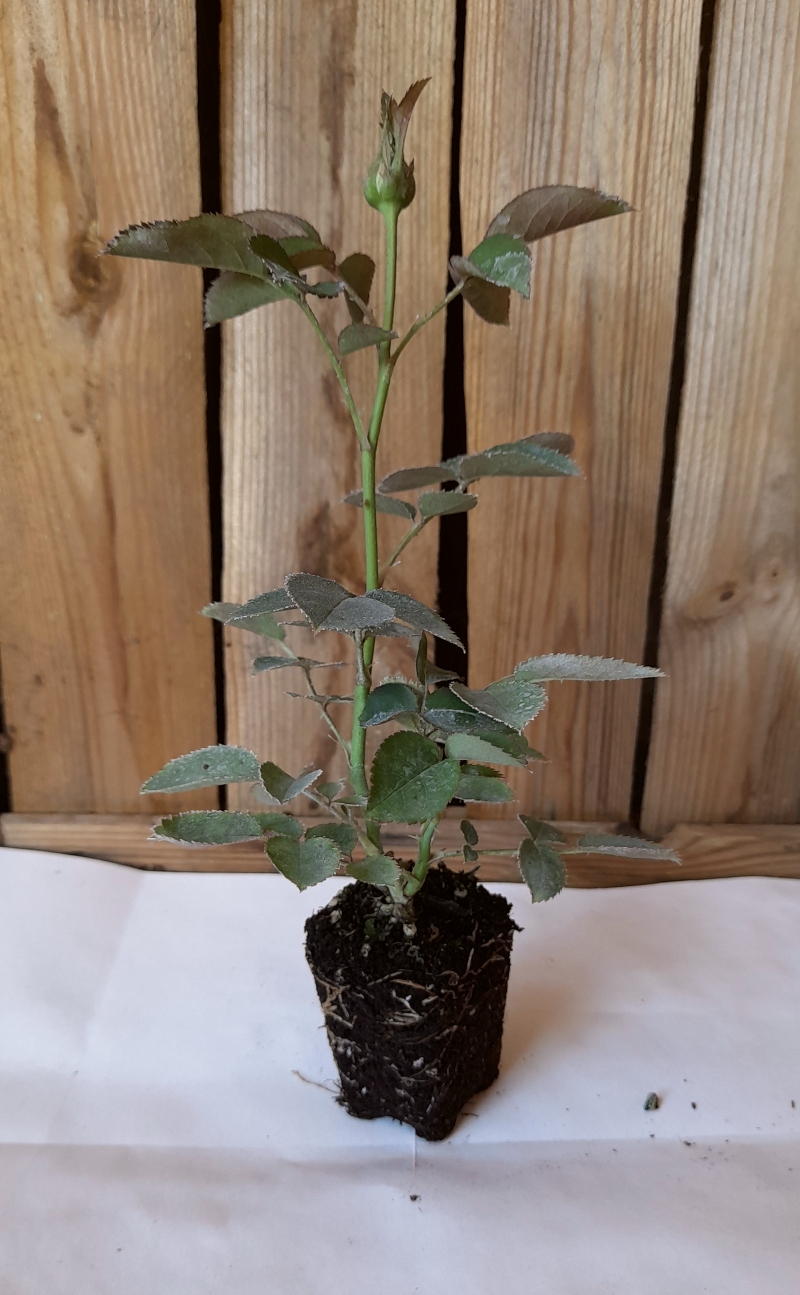
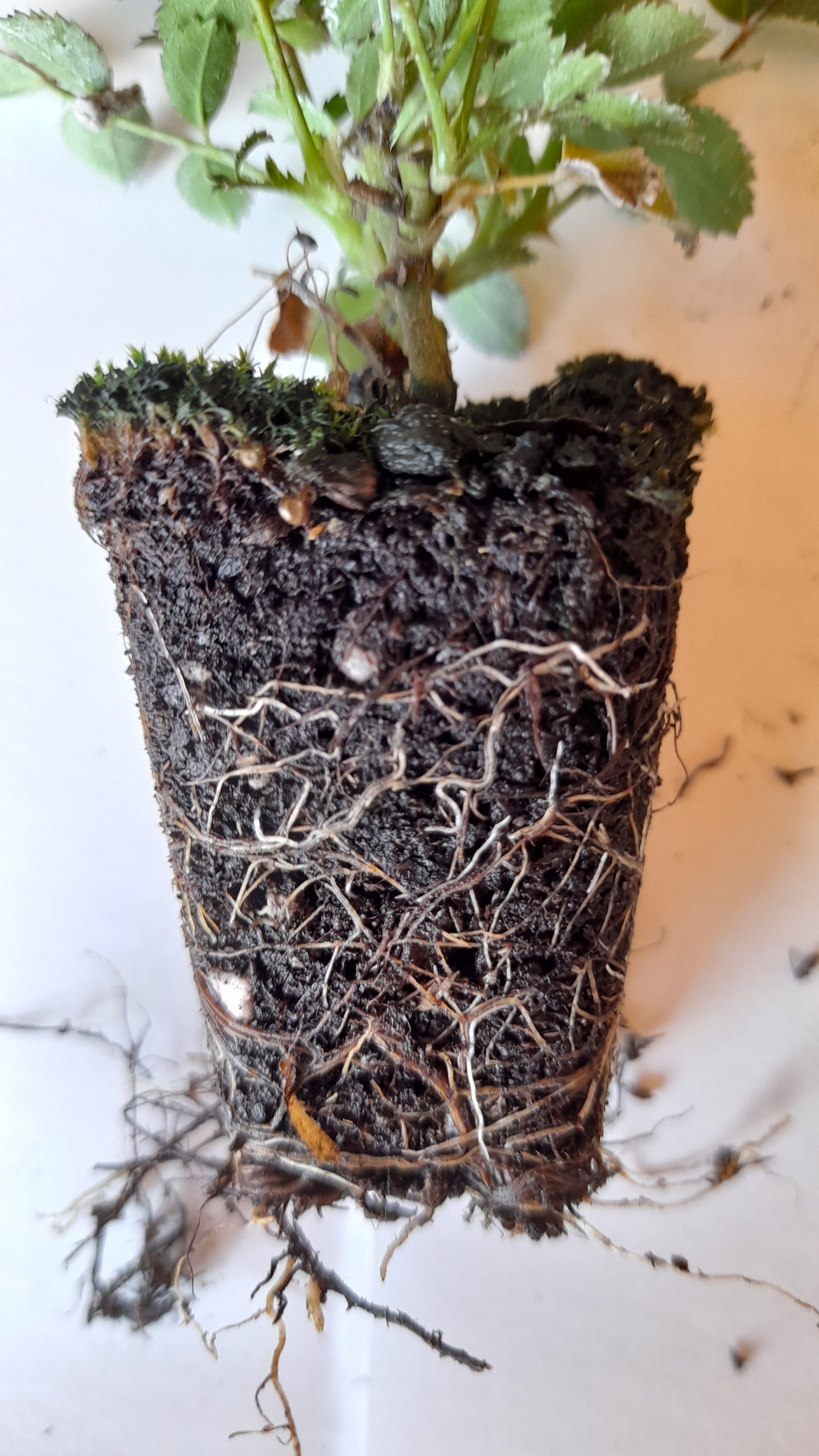
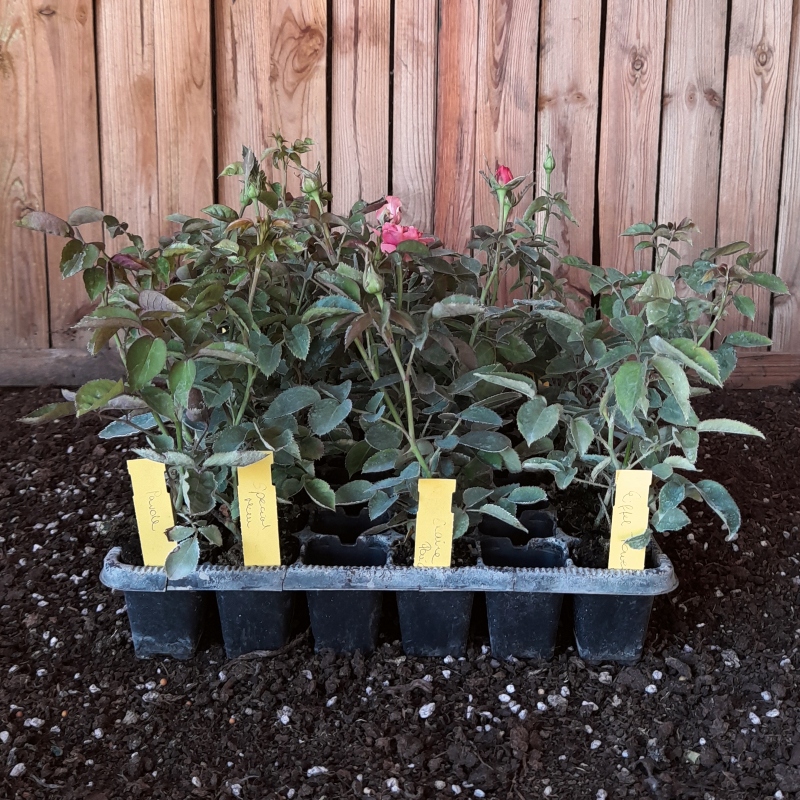
Prosperity offers bush-trained, own-root material well suited to standard-container production, supporting a reliable park-suitable shrub line for retailers seeking strong garden performance. Its dense, dark foliage and robust, bushy habit provide a stable visual structure for 2–3 L crop programmes and make it a practical choice for living hedges, specimen beds and urban green spaces. The semi-double, small, corymbose flowers repeat well, maintaining ornamental value from the main flush through the abundant second flowering with very good colour retention. Own-root production underpins long-term stand stability and predictable renewal in nursery beds and collection plantings, enabling low replacement ratios and dependable quality for thematic rose gardens and show gardens.
Usage options
Finished-product ideas
- 2–3 L AGM park shrub – Own-root, bush-trained plants in 2–3 L standard containers, promoted on historic pedigree and RHS Award of Garden Merit for reliable park and garden performance – garden-centre retail.
- Urban hedge module – Uniform 2–3 L hedge units selected for dense foliage and 130–160 cm structure, ideal for living boundaries and urban green-space projects – landscape and public-realm contractors.
- Thematic collection line – Curated historic Hybrid Musk item within a broader own-root assortment, highlighting provenance and stable identity for show and thematic rose gardens – specialist nurseries and collection-led resellers.
- Scented park rose bed mix – Prosperity combined in schemes as a strongly scented, remontant white component, supplied as standard containers for fast establishment of formal beds – municipal and institutional buyers.
- Pergola and framework pack – Slightly taller, bushier grade of 2–3 L material positioned for loose training over low pergolas and garden structures, leveraging nodding, clustered flowering – project-oriented landscape channels.
Technical cultivar profile
| Parameter |
Data |
| Name and registration |
Hybrid Musk shrub rose introduced in 1921, with the registered cultivar name Prosperity used consistently across trade, collection and exhibition, including the American Rose Society approved exhibition name. |
| Origin and breeding |
Bred in the United Kingdom in 1919 by Rev. Joseph Hardwick Pemberton from ‘Marie-Jeanne’ × ‘Perle des Jardins’, initially distributed by Hazlewood Bros. Pty. Ltd. in Australia; breeding company data otherwise not provided. |
| Awards and recognition |
Holds the RHS Award of Garden Merit, indicating proven, reliable performance under garden conditions, which supports its use as a dependable cultivar within professional production and landscape-oriented assortments. |
| Growth and structural characteristics |
Bushy shrub with upright shoots that nod slightly under flower weight, reaching about 130–200 cm in height and 100–160 cm spread, with dense, glossy dark-green foliage and a moderately thorny framework. |
| Flower morphology |
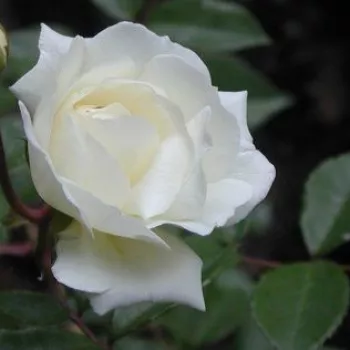
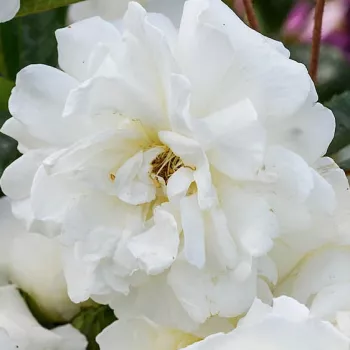
Small, semi-double, cup-shaped blooms borne in corymbose clusters, with 13–25 petals and a good remontant habit producing an abundant second flowering, supported by medium self-cleaning on large clusters. |
| Colour data and phenology |
Delicate ivory base with a subtle buttery tint, creamy-white when opening with lemon-yellow at the centre; petals age to snow-white with a slight pink edge in cooler conditions and very good overall colour retention. |
| Fragrance and aroma |
Strong, long-lasting fragrance with a clear muscat-like character, though the semi-double form limits pollinator attraction; suitable where scented shrubs are valued even if pollinator provision is not the primary aim. |
| Hip characteristics |
Forms rose hips only in small quantities, typically 0–5 mm in diameter, so fruit effect is limited and hips are unlikely to become a major visual or maintenance factor in professional planting schemes. |
| Resistance and winter hardiness |
Hardy to approximately −21 to −18 °C (RHS H7, Swedish zone 3, USDA 6b), with moderate overall disease resistance, good powdery mildew resistance and moderate susceptibility to black spot and rust. |
| Horticultural recommendations |
Suited to flower beds, specimens, living hedges, parks, pergolas, cut use and urban green spaces; medium maintenance, occasional pest control, and recommended as a bush-trained, compact plant for standard 2–3 L containers. |
Prosperity combines reliable remontant flowering, dense bushy structure and strong fragrance with the predictability and regeneration benefits of own-root production; please contact us to align capacity and scheduling for your programmes.