TANDINADI – yellow bedding floribunda rose – pharmaROSA® NEONATAL
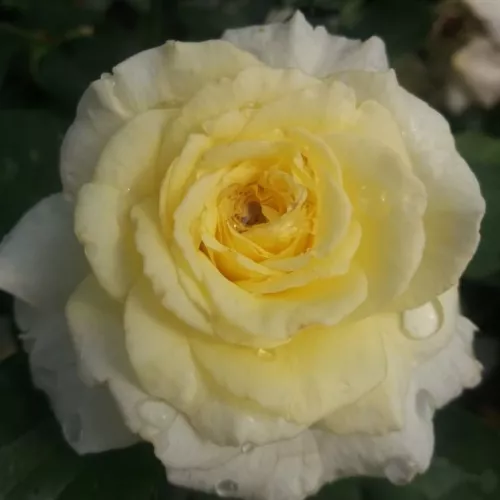
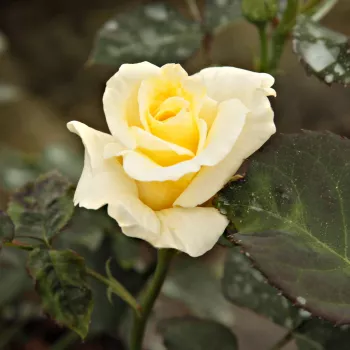
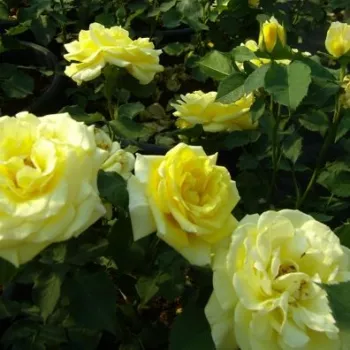
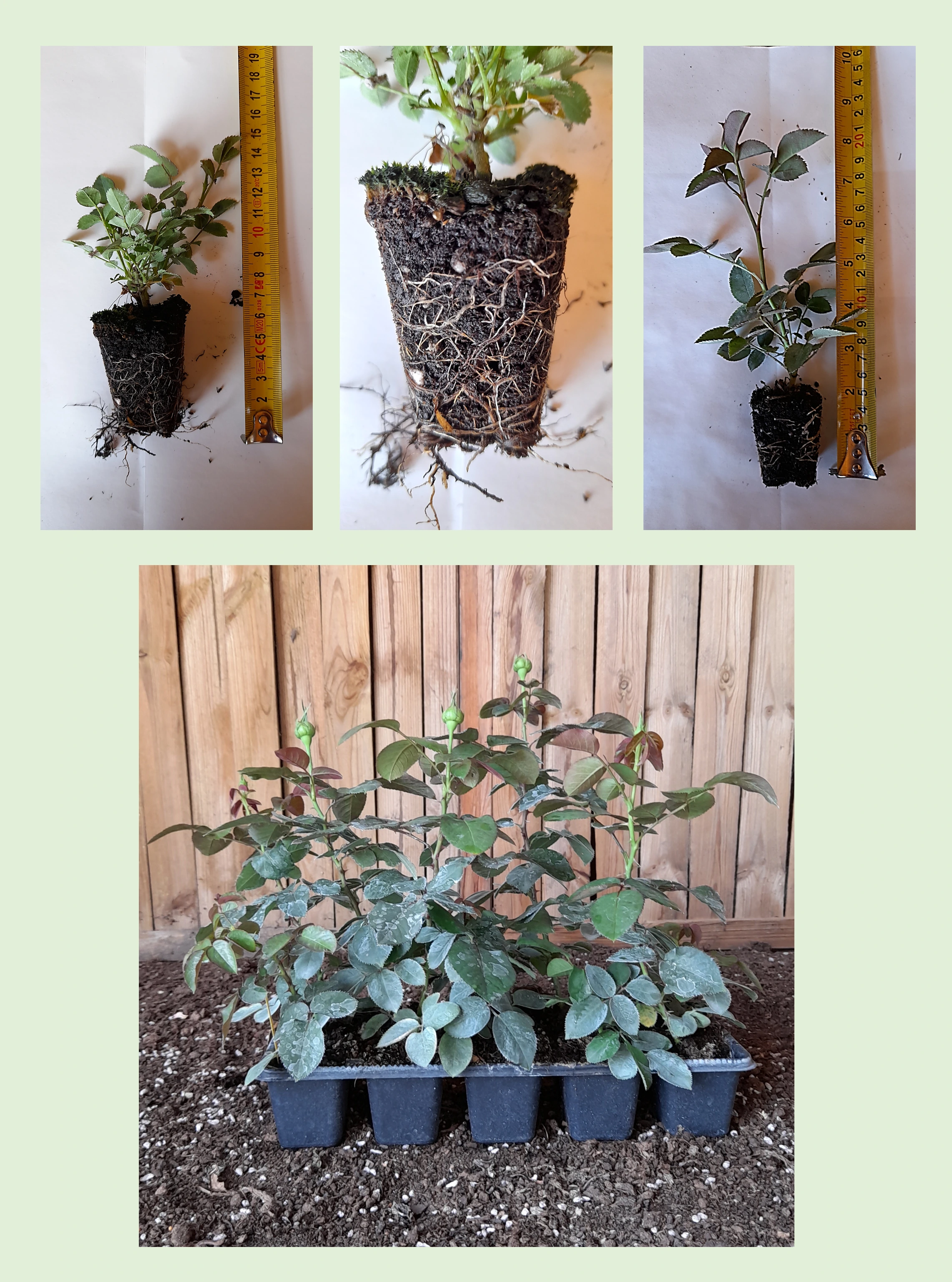
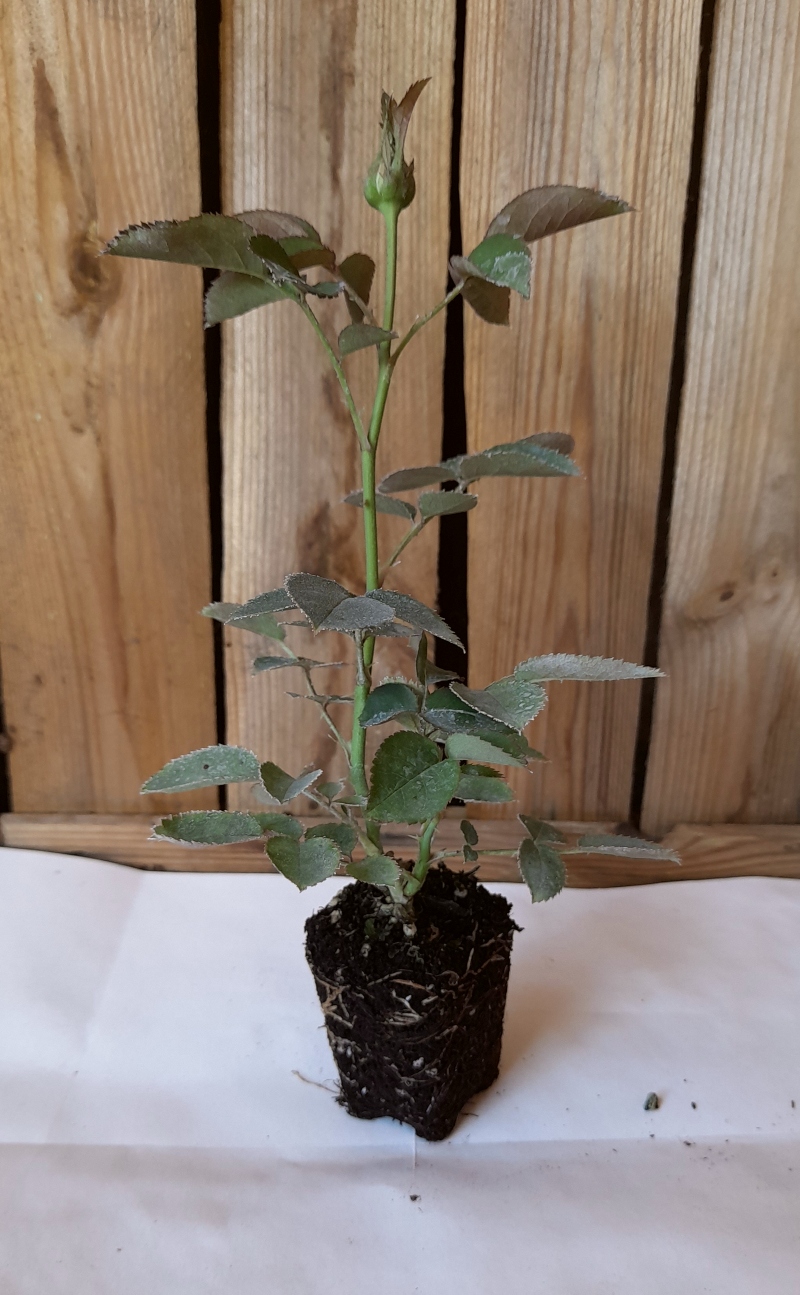
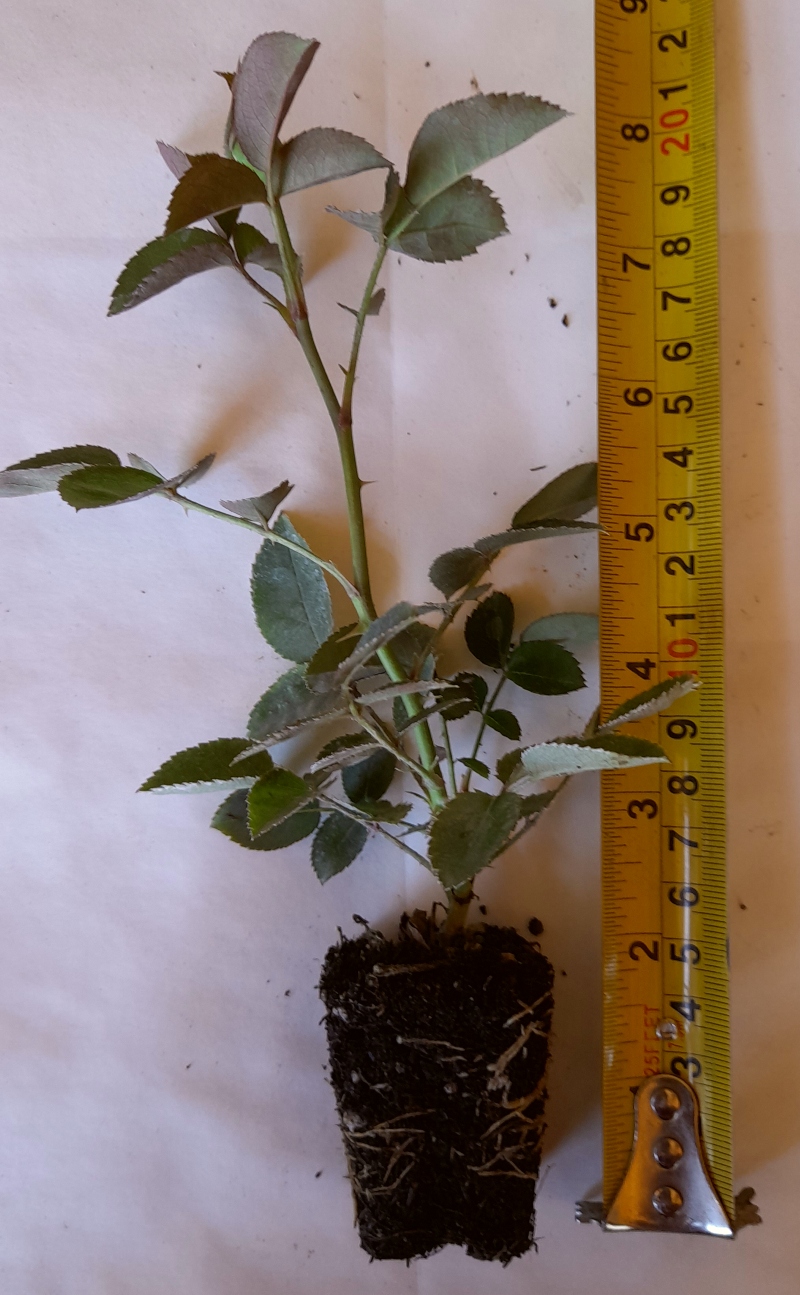
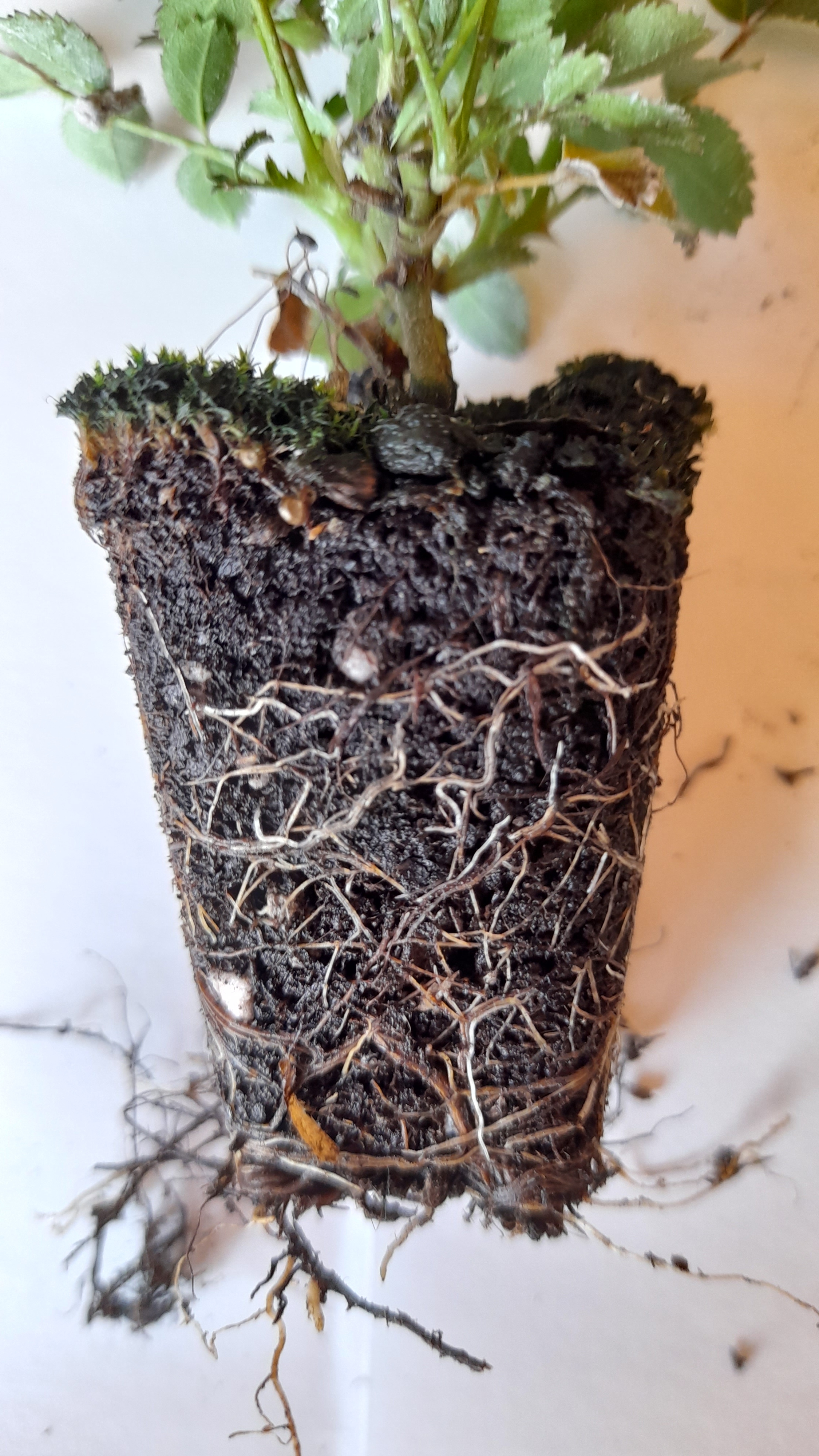
Floribunda production with TANDINADI offers a compact, upright plant ideal for bedding and park schemes where a uniform, medium-height structure is required and a remontant flowering pattern supports reliable colour cover through the main season. The semi-double, cluster-flowered heads deliver consistent mid-yellow tonality that fades cleanly to buttery cream, giving predictable visual impact in flower beds, park plantings and container ranges positioned as standard finished product for retail and reseller channels. Own-root pharmaROSA® NEONATAL material provides a stable base for nursery propagation beds and standard 2–3 L lines, supporting long-term renewable capacity with reduced replacement in collection or public schemes, and aligning well to UK institutional and municipal demand patterns where reliable garden performance and moderate maintenance needs are essential. With an H7 rating to around -21 °C, it lends itself to northern and inland sites where winter robustness is needed and supports planning for nationwide supply, including routes where consistent, hardy stock is required in cooler, more exposed regions. The upright framework, moderately dense, glossy mid-green foliage and moderate disease resistance help maintain presentable crops under professional crop-protection programmes, while the own-root form underpins predictable vigour and stand uniformity across propagation cycles, supporting a natural development from root building in year one, structural shoots in year two and full ornamental value from year three. Semi-double blooms with a mild, soft fragrance and moderate pollinator attraction give additional specification value for thematic and collection gardens, while occasional orange-red hips add discrete seasonal ornamental interest where maintenance regimes allow hips to develop.
Usage options
Finished-product ideas
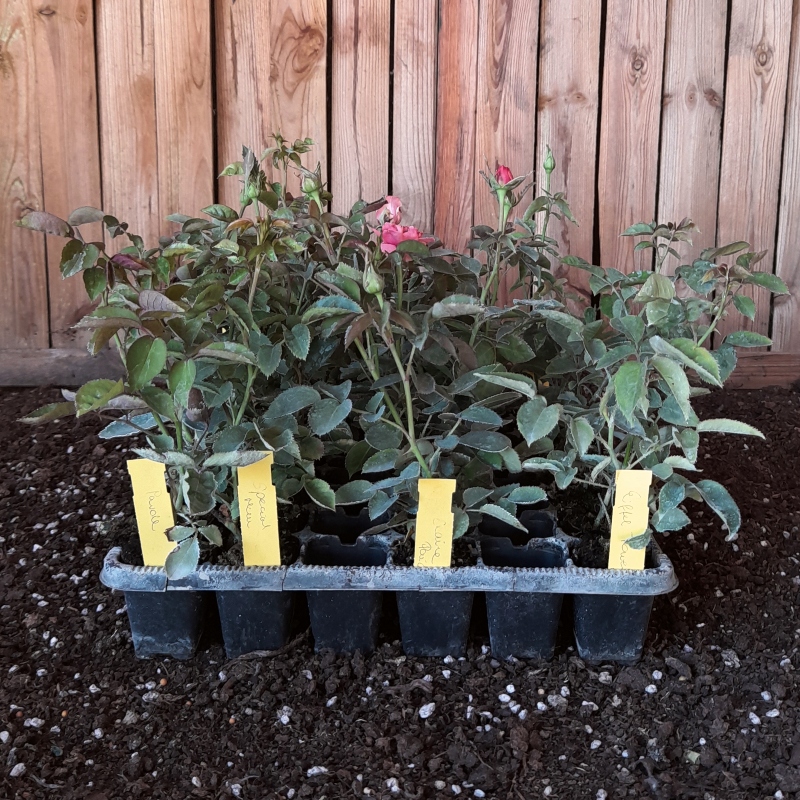
- 2–3 L yellow bedding floribunda line – Upright, compact bushes in standard 2–3 L pots focused on bedding and park use, produced from NEONATAL own-root material for uniformity and reliable remontant flowering – retail and reseller bedding programmes.
- Contract park-rose specification block – Batch-grown lots for public-realm schemes, using NEONATAL cuttings to establish predictable, hardy plants with moderate maintenance needs and reliable garden performance – municipal and institutional framework contracts.
- Thematic yellow collection series – Curated series for collection gardens and specialist nurseries, using own-root propagation for long-term stand stability and consistent sun-yellow flower colour – collection and show-garden partners.
- Pollinator-conscious urban bed mix – Integrated into mixed schemes where semi-double, moderately pollinator-attractive blooms and moderate disease resistance are valued, supplied as standard containers for easy specification – landscape architects and urban-greening suppliers.
- Renewable nursery stock-bed starter packs – NEONATAL trays allocated for creating in-house own-root stock beds, securing ongoing cutting supply and reducing replacement rates while maintaining cultivar authenticity – large-scale nurseries and integrators.
Technical cultivar profile
| Parameter |
Data |
| Name and registration |
Floribunda bedding rose from the Bed rose commercial group; registered as TANdinadi, marketed as Tandinadi Bedding rose TANdinadi and exhibition name Diana®, positioned as a standard finished product for retail channels. |
| Origin and breeding |
Bred by Mathias Tantau Jr. for Rosen Tantau, Uetersen, Germany; breeding year 1977 with parentage not provided; introduced 1978 via Rosen Tantau, with registration recorded in 1977 for European markets. |
| Awards and recognition |
not provided |
| Growth and structural characteristics |
Upright, bush-trained habit, around 70–100 cm high and 55–85 cm spread; moderately dense, glossy mid-green foliage on moderately thorny shoots; compact enough for bedding and 2–3 L container production routes. |
| Flower morphology |
Semi-double, cluster-flowered blooms of medium size (approx. 1.5–2.75 in) with 13–25 petals; flowers are ball to pompon-shaped, with a remontant habit and a notably abundant second flush under suitable cultural conditions. |
| Colour data and phenology |
Medium-intense, clean sun-yellow petals (ARS MY; RHS 12A, 9B); buds bright sunny yellow, opening lemon to mid-yellow, then fading to butter-yellow and creamy tones with moderate colour retention but a uniform appearance at mid-bloom. |
| Fragrance and aroma |
Soft-character fragrance with mild, restrained scent intensity; fragrance is present but not dominant, suiting public and high-traffic plantings; semi-double flowers provide moderate pollinator attraction through partly accessible stamens. |
| Hip characteristics |
Occasionally sets small, spherical rose hips around 10–14 mm diameter; hips are orange-red and can add discrete late-season ornamental value where maintenance regimes allow fruit retention on the plants. |
| Resistance and winter hardiness |
Moderate disease resistance overall, with powdery mildew, black spot and rust all rated moderate; winter hardiness around -21 to -18 °C, corresponding to RHS H7, Swedish Zone 3 and USDA Zone 6b, supporting colder-region plantings. |
| Horticultural recommendations |
Suitable for flower beds, parks, containers and not provided; medium maintenance with occasional plant-protection; recommended as a bush-trained compact plant for standard container routes, targeting 2–3 L pots in professional production. |
TANDINADI offers compact, remontant floribunda performance with moderate disease resilience on a predictable own-root base, giving long-lived, uniform stands for bedding and park use; please contact us to align capacity and scheduling to your programme.