| Project mass planting beds and edging |
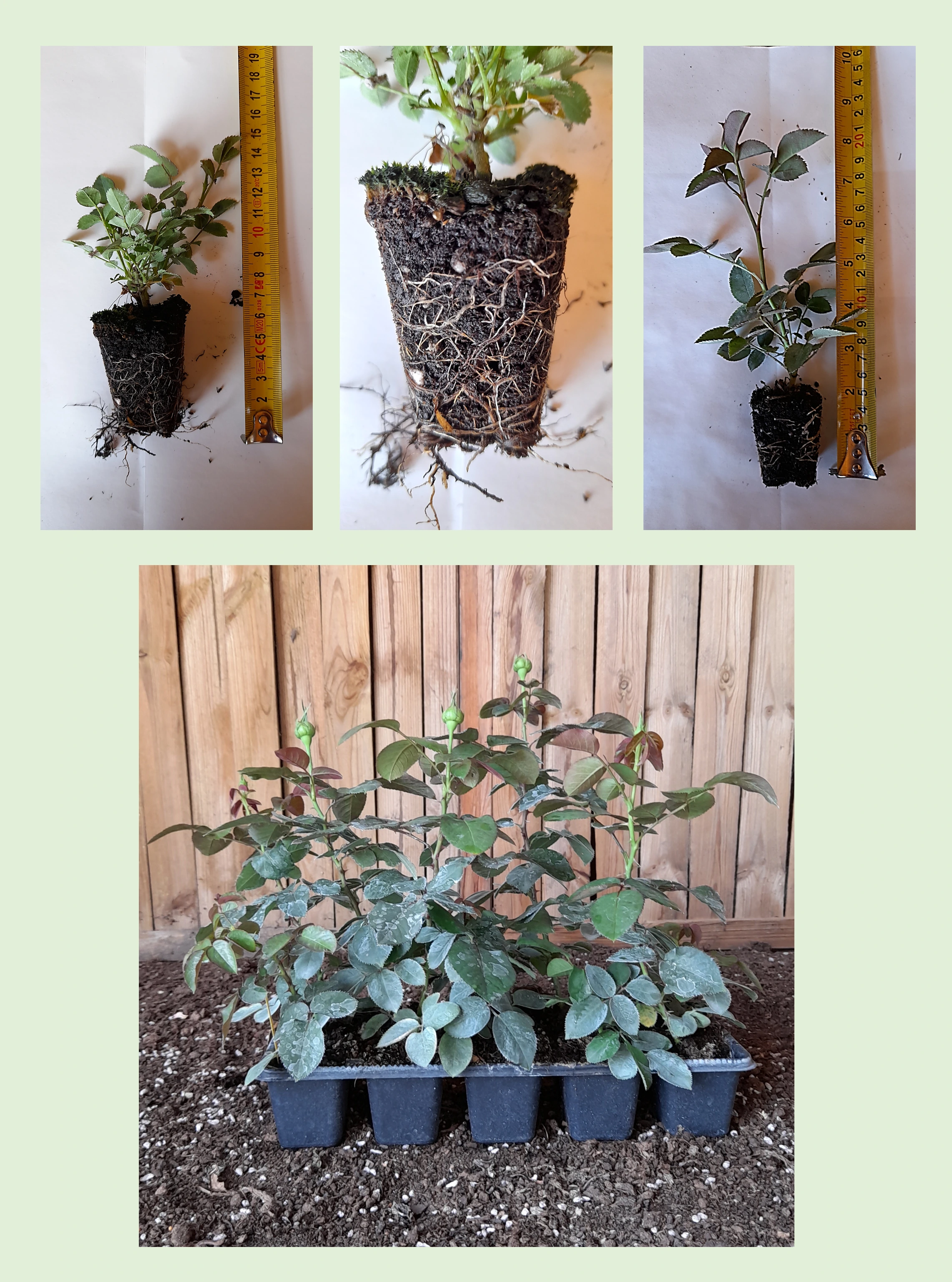
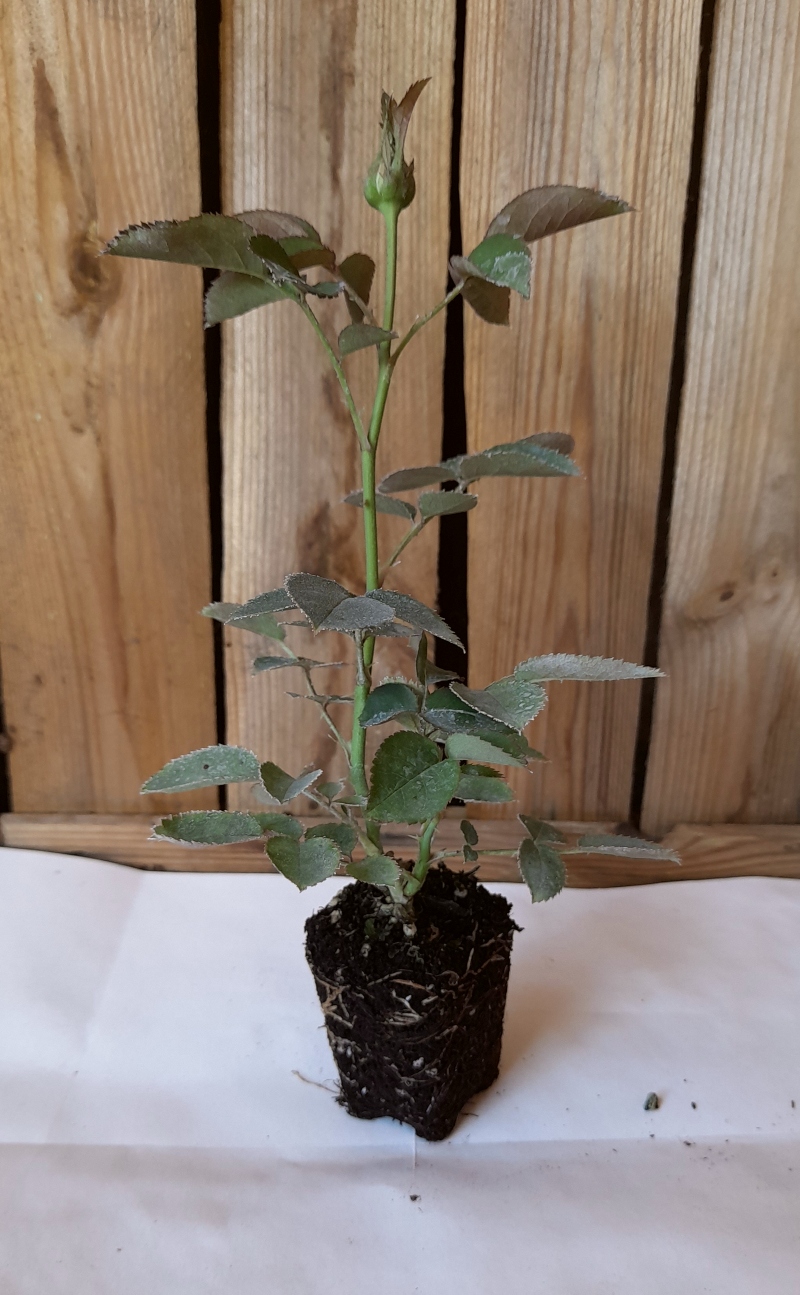
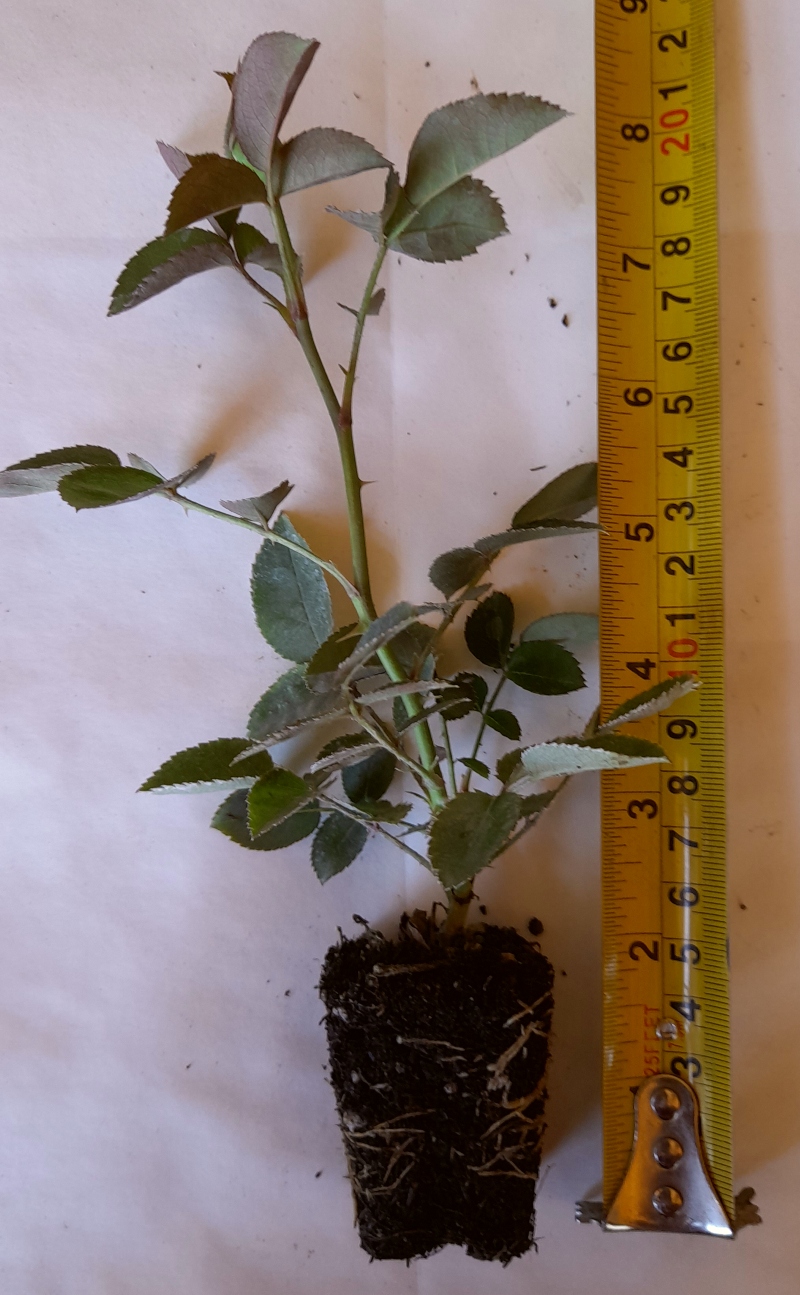
The once-flowering, very double, striped blooms provide a concentrated, high-impact display well suited to project mass planting concepts where fast visual coverage and uniformity are key. Using pharmaROSA NEONATAL as a rooted cutting base into 1.5–2 L pots supports dense, bush-trained finished plants for beds and edging, with predictable height and habit under park-style maintenance. Own-root material assists in building homogeneous, repeatable blocks for project-focused positioning and landscape contractor supply, with low replacement needs over time for the project-serving wholesaler. |
| Informal hedging and rose rows |
The bushy, upright shrub architecture and dense foliage lend themselves to informal hedging and linear rose rows where structural continuity is important. Growing on uniform, dense, bush-trained plants from NEONATAL cuttings allows nurseries to deliver consistent lines for hedging schemes, starting in 1.5–2 L pots and, where needed, stepping up into larger containers for specification-driven work. Own-root longevity and regenerative capacity stabilise hedges under trimming and partial dieback, aligning with project-mass-planting positioning and long-term public-realm maintenance expectations for the landscape contractor. |
| Short trained climber on arches or trellis |
The flexible historic shrub habit enables training as a short climber on arches and trellis, adding vertical emphasis within themed rose gardens and collection plantings. Propagating as own-root NEONATAL material supports reliable shoot renewal from the base after training and pruning cycles, while the once-flowering, large, striped blooms give strong seasonal focus in display structures. Finished-product planning can start in 1.5–2 L pots for young trained plants, with scope to shift selected stock into minimum 40–50 litre containers for feature arches in public gardens in line with project-led channel positioning for the thematic rose garden. |
| Larger container production for specimen use |
Variegata di Bologna’s visual impact as a historic, striped Bourbon shrub supports production into larger container formats for specimen or focal use. Starting from uniform NEONATAL rooted cuttings in smaller pots and stepping up into minimum 40–50 litre containers allows nurseries to offer mature, bush-trained units for high-value landscape and heritage projects. Own-root form provides long lifespan and stable structure in containers under transport and on-site handling, aligning with project-mass-planting and collection supply where dependable presentation and identity are critical for the project-based reseller. |
| Thematic and heritage rose collections |
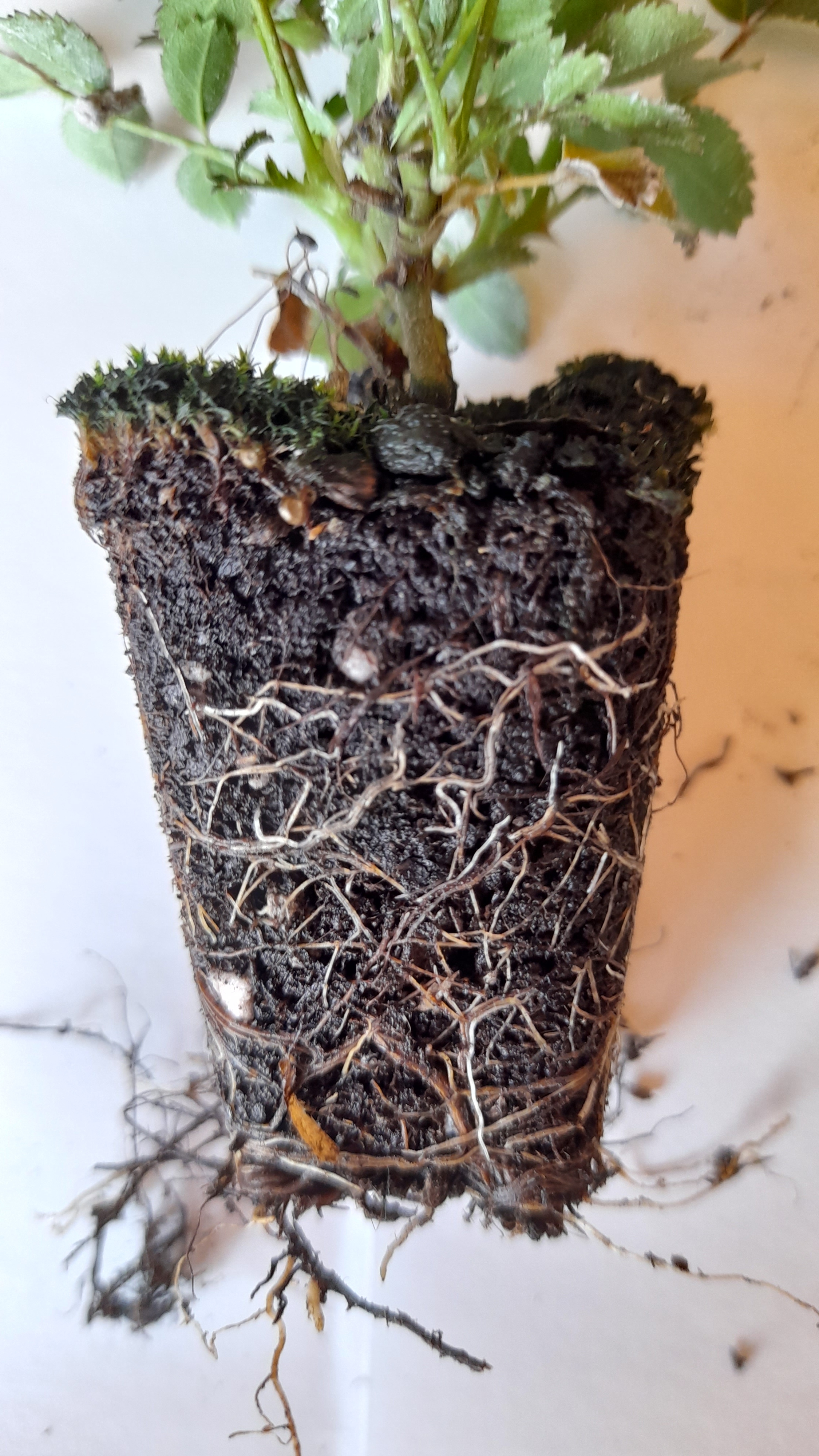
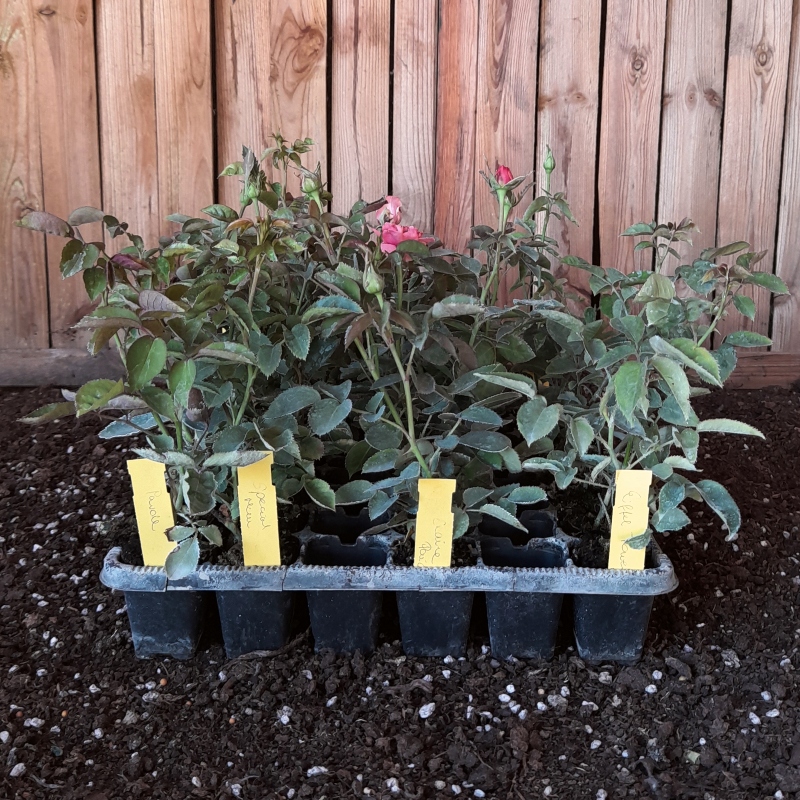
As a recognised historic Bourbon shrub with a documented introduction year and clear breeder identity, this cultivar is a strong candidate for heritage and thematic rose collections. Tray-grown own-root NEONATAL material supports cultivar maintenance, gene-bank style stands and curated garden sections, giving predictable identity and renewal without rootstock interference. Planning phased grow-on from 1.5–2 L pots enables collection curators to schedule planting over multiple seasons in line with project-based positioning, supporting specialist ranges for institutional and show-garden clients in the heritage-rose segment. |
| Public-realm park and informal landscape planting |
The combination of dense foliage, moderate heat and drought tolerance and H5 winter hardiness suits park and informal landscape schemes across much of the UK, including sites experiencing warmer, drier summers. Owning the propagation base via NEONATAL own-root cuttings lets nurseries plan large, uniform batches for park beds, edging and informal rows, starting with 1.5–2 L production focused on fast coverage and visual uniformity. This supports national project supply where resilience to variable weather and predictable stand development over years one to three are essential for the public-realm supplier. |
| Cut-flower oriented garden and project use |
The large, very double, strongly fragrant blooms with striking white–pink marbling make this cultivar suitable for niche cut-flower use within garden or project contexts. NEONATAL propagation allows growers to establish uniform shrub blocks dedicated to cutting, optimising stem length and cluster development from bush-trained plants grown from 1.5–2 L starts. Own-root resilience supports repeated cutting cycles and long-term production from the same stand, reinforcing a project-led value proposition for distinctive historic material in the specialist cut-flower channel. |
| Landscape schemes requiring clear cultivar identity |
The distinctive striped flower pattern and documented historic background make cultivar identity immediately visible, important in show gardens, collection plantings and specified landscape schemes. Using verified, premium-silver NEONATAL own-root material reduces risk of mislabelling and rootstock variation, supporting consistent visual outcomes across multiple sites and seasons. This is particularly relevant in nationwide project chains where uniform stands and low replacement are expected, including schemes exposed to Scotland and North England conditions with winter and wind resilience needs, strengthening trust for the integrator network. |