| Mass groundcover for project planting |
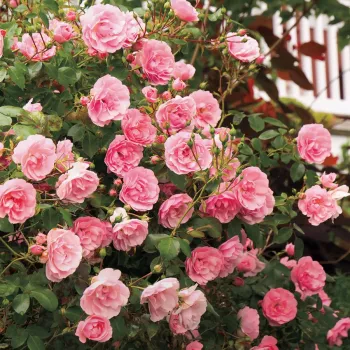
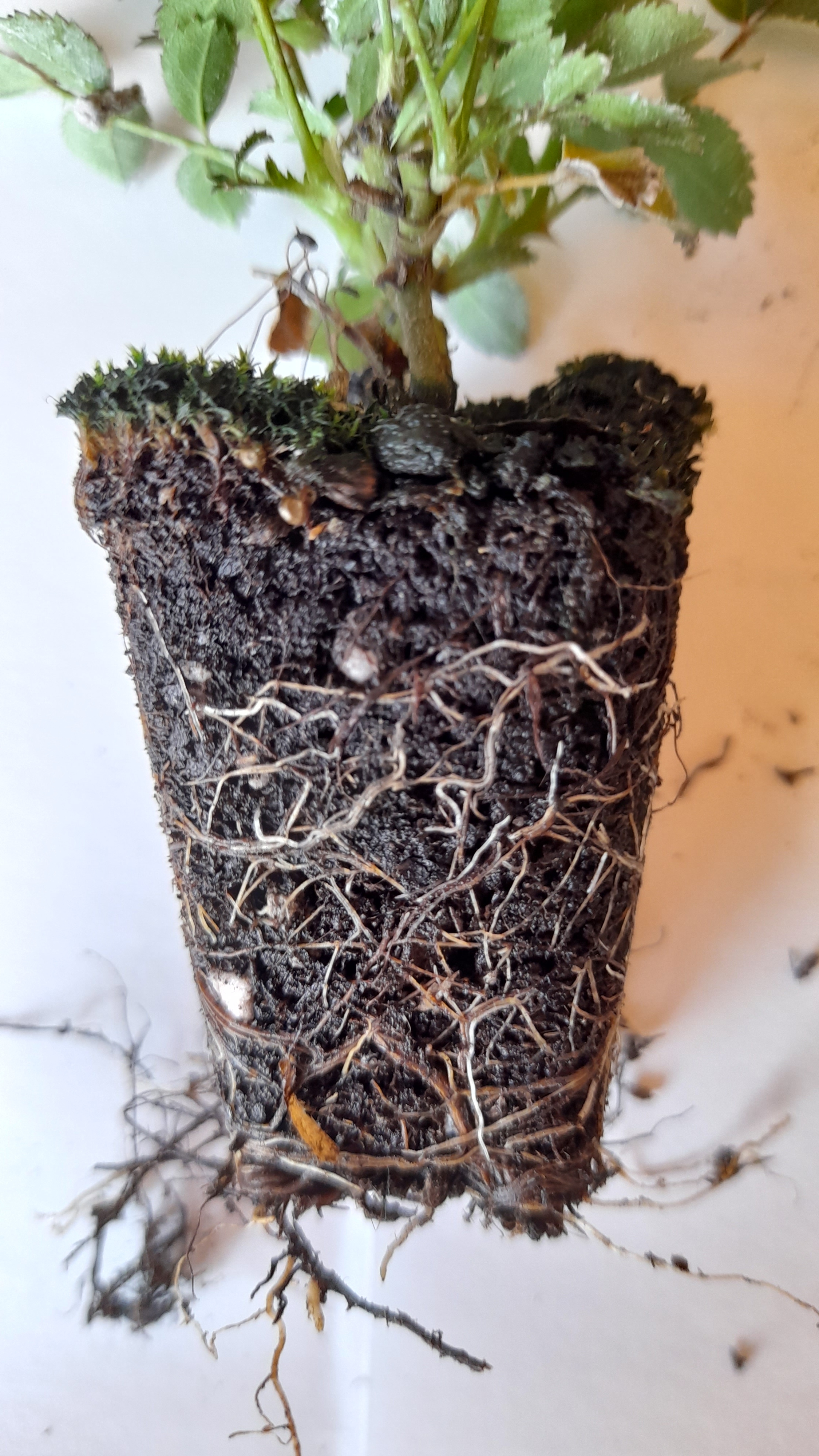
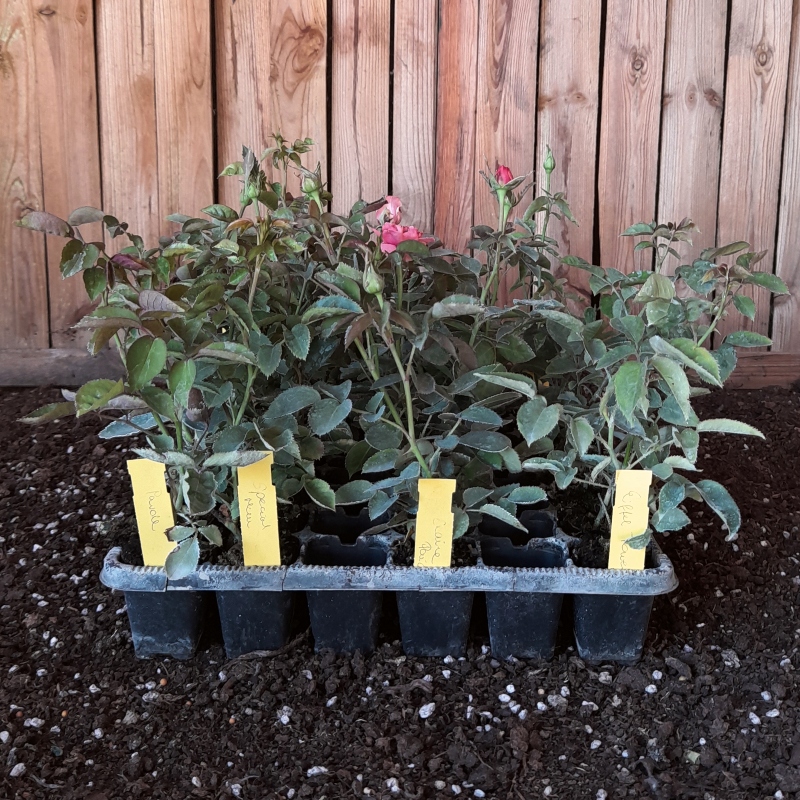
The Fairy’s vigorous groundcover habit and dense, bush-trained structure give rapid, even coverage for project mass planting, aligning well with the recommended 1.5–2 L route and uniform finished form. On own roots it builds long-lived, homogeneous carpets with low replacement risk, supporting reliable scheduling for public and commercial schemes that expect stable, fast coverage in flowerbeds and parks, particularly in drier southern UK areas where its heat and drought tolerance helps maintain presentation for landscape contractor. |
| Edging and path-side bands |
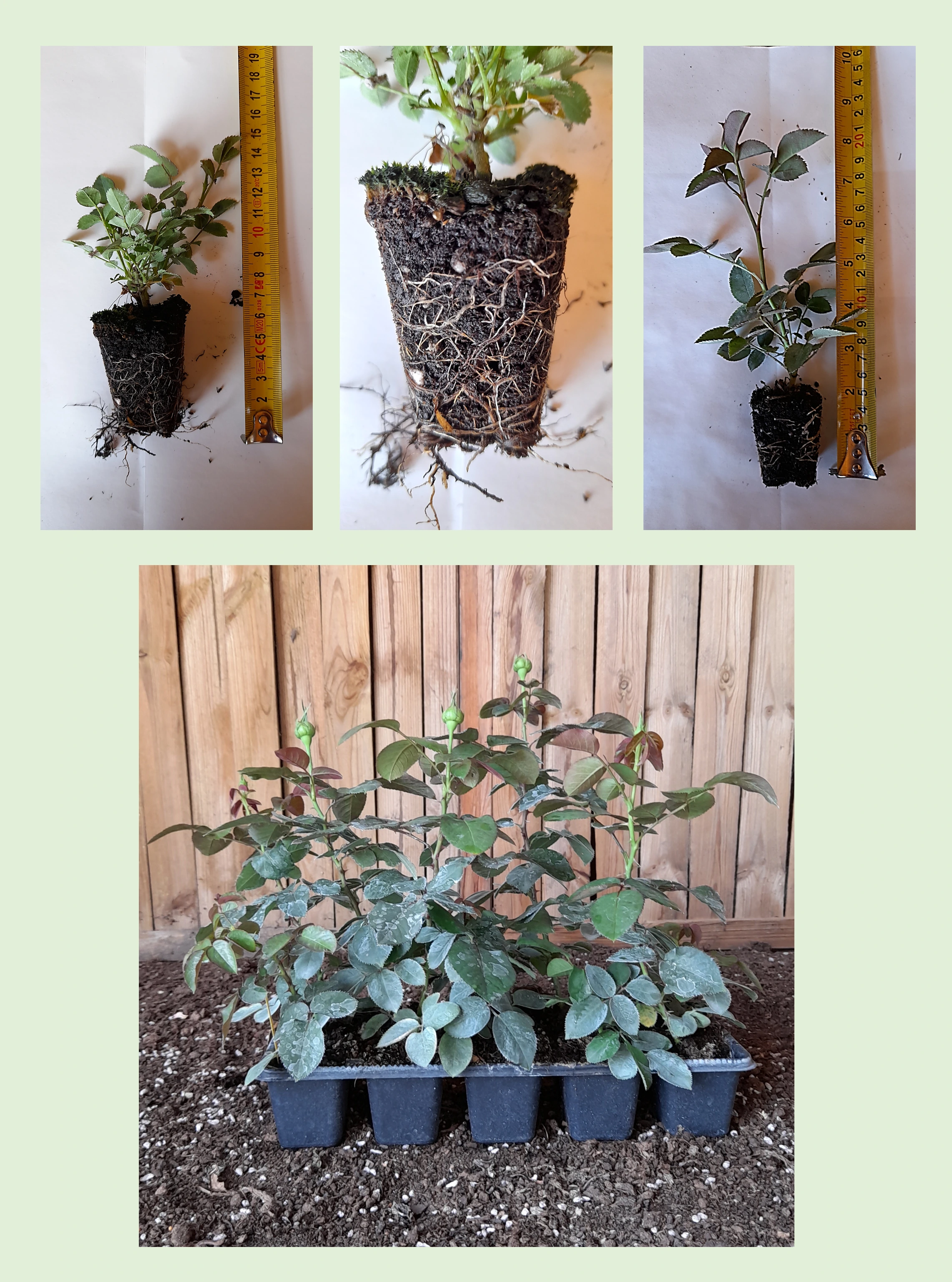
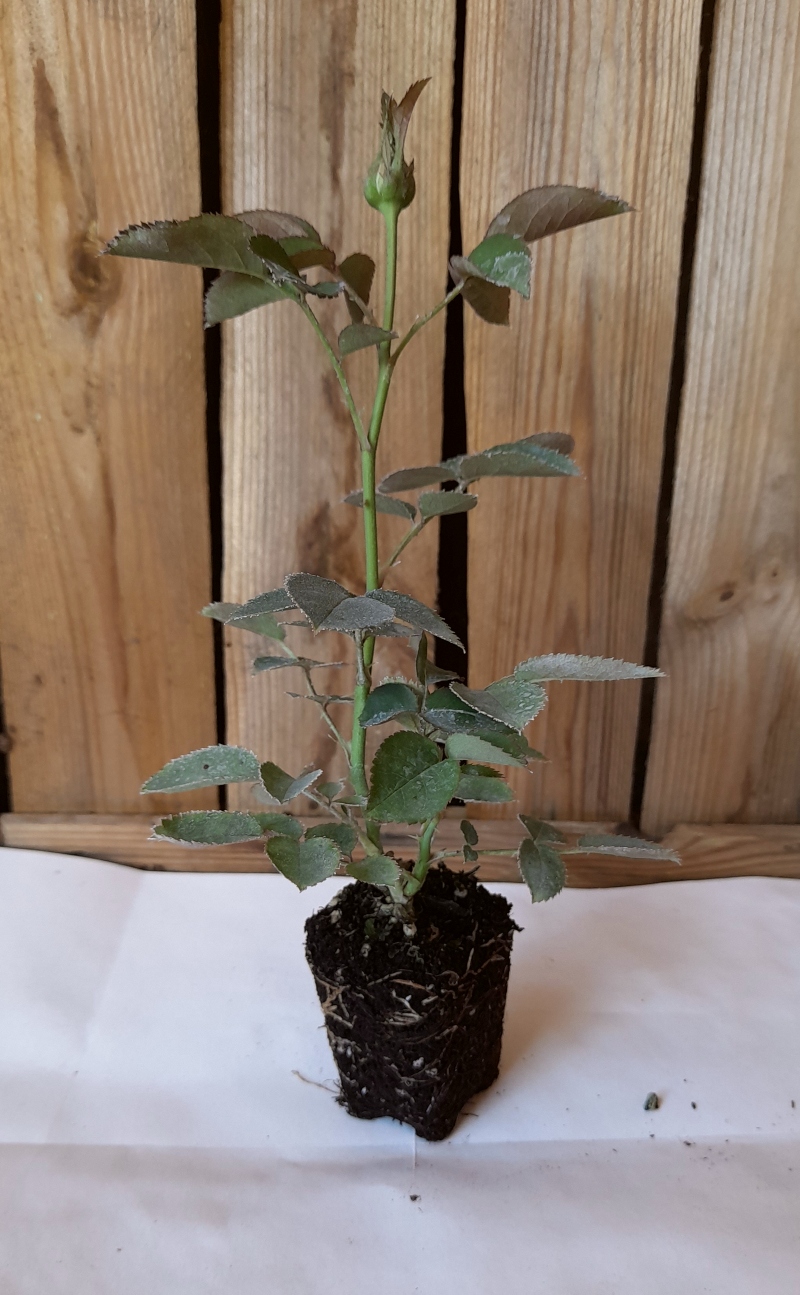
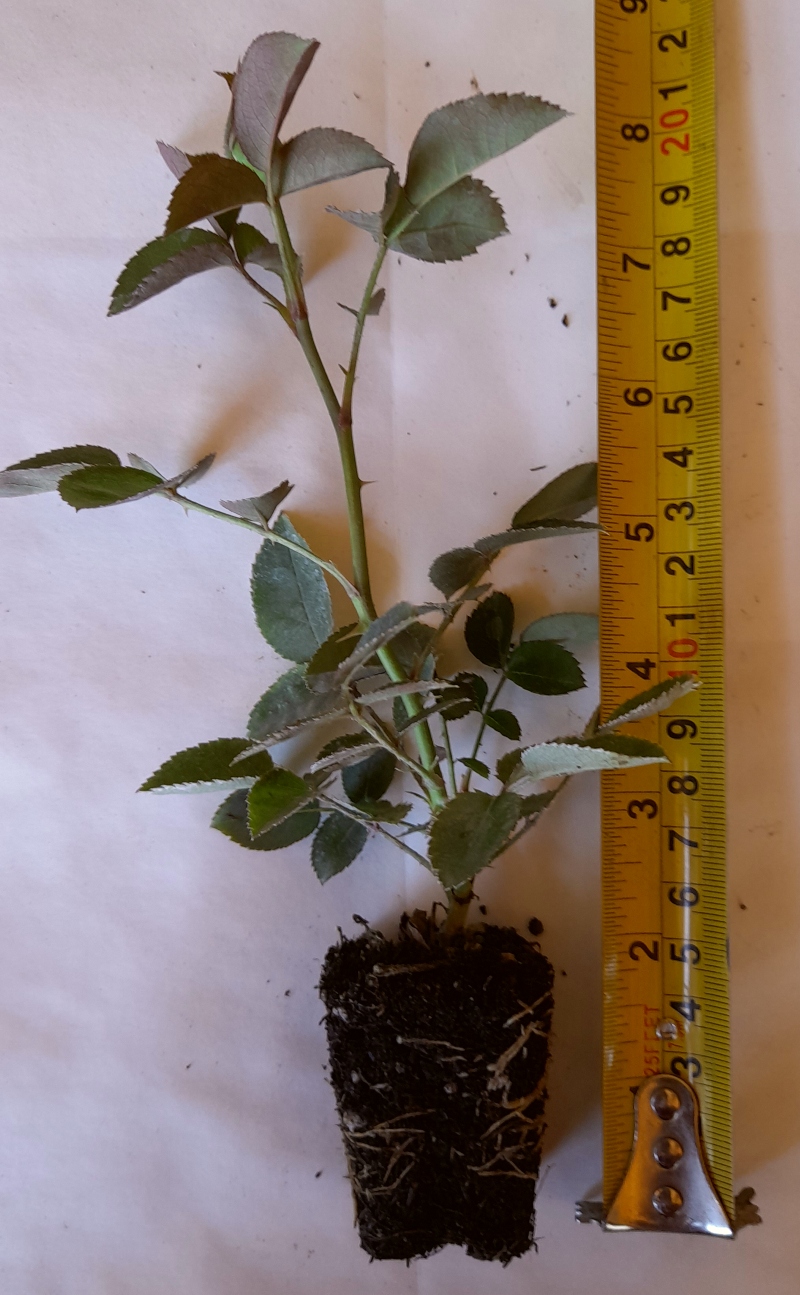
The compact 60–100 cm height and 70–130 cm spread allow controlled edging and path-side bands that retain a tidy profile in project beds. NEONATAL own-root cuttings can be batch-grown into 1.5–2 L pots for uniform, dense edging units, matching the specified bush-trained release form. Predictable structure and minimal deadheading from good self-cleaning simplify maintenance for long linear runs in municipal paths, car parks and institutional grounds where repeat specification over years is valuable to project-serving wholesaler. |
| Container-based landscape supply |
While ideal for 1.5–2 L production, The Fairy also adapts well when stepped up into larger containers, including 40–50 litre and above, for immediate-impact project planting. Own-root propagation ensures stable regrowth after inevitable handling stress and allows growers to standardise batches for call-off over multiple seasons. The recommended uniform, dense bush form helps contractors drop ready-shaped units straight into urban green space designs, supporting dependable, repeatable coverage for landscape contractor. |
| Urban green space and street schemes |
H7 hardiness to approximately –32 to –29 °C and consistent moderate disease resistance make The Fairy a robust choice for exposed urban beds, where maintenance resources are limited. NEONATAL material allows nurseries to build stock fields or pot ranges geared to project mass planting, confident of long-term stand stability on own roots. The medium maintenance requirement and good self-cleaning align with municipal expectations for reliable displays in traffic islands, central reservations and civic parks supplied via project-serving wholesaler. |
| Thematic and collection rose gardens |
As a historic Bentall Nursery cultivar (1932) with clear lineage and verified authenticity, The Fairy suits thematic rose gardens and curated collections. Own-root NEONATAL cuttings support long-term cultivar maintenance plantings, with renewable growth and reduced risk of loss compared with budded material. Recommended as uniform, dense, bush-trained plants, it can be integrated as a groundcover layer beneath feature cultivars, giving a consistent light-pink understorey for specialist gardens curated by professional rose grower. |
| Pollinator-conscious landscape projects |
Semi-double, cluster-flowered blooms offer moderate pollinator interest, balancing ornamental density with some ecological value in public schemes. For growers, this allows positioning The Fairy in ranges aimed at modern public-realm specifications, where visual impact and basic ecological contribution must both be addressed. Own-root production with NEONATAL supports large-scale, repeatable batches that can be tagged into “pollinator-considerate” assortments for parks, housing landscapes and campus projects sourced through public-realm supplier. |
| Low-input flowerbed carpets |
Good self-cleaning and medium maintenance needs reduce deadheading labour, important for extensive flowerbeds in estates and parks. By following the project mass planting route with 1.5–2 L pots and delivering uniform, dense, bush-trained plants, nurseries can offer a predictable, low-intervention groundcover solution. Own-root stability underpins long runs of identical plants that keep their structure over time, helping operators plan maintenance budgets and replacement schedules more accurately for integrator systems. |
| Climate-resilient coastal and open-site beds |
Good tolerance of heat and moderate drought allows The Fairy to maintain decorative cover in open, exposed or partially coastal sites, provided watering is available in prolonged drought. NEONATAL own-root plants adapt well to stress and regenerate canopy after weather events, useful for large public or commercial grounds. When combined with the recommended mass-planting, 1.5–2 L production route, growers can position it as a reliable, climate-flexible groundcover option towards project-serving wholesaler. |