Tiffany – hybrid tea rose propagation material for premium own‑root production
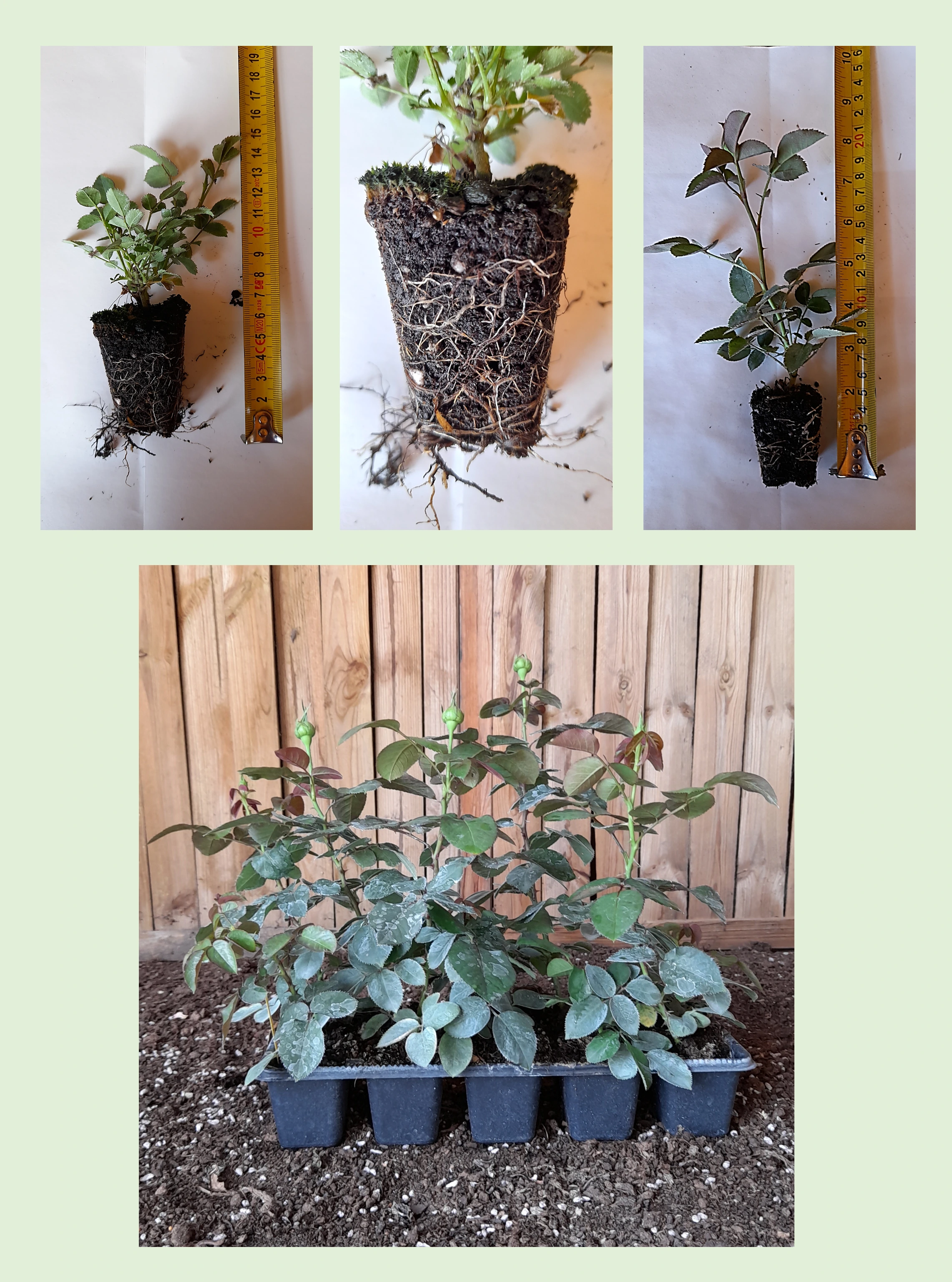
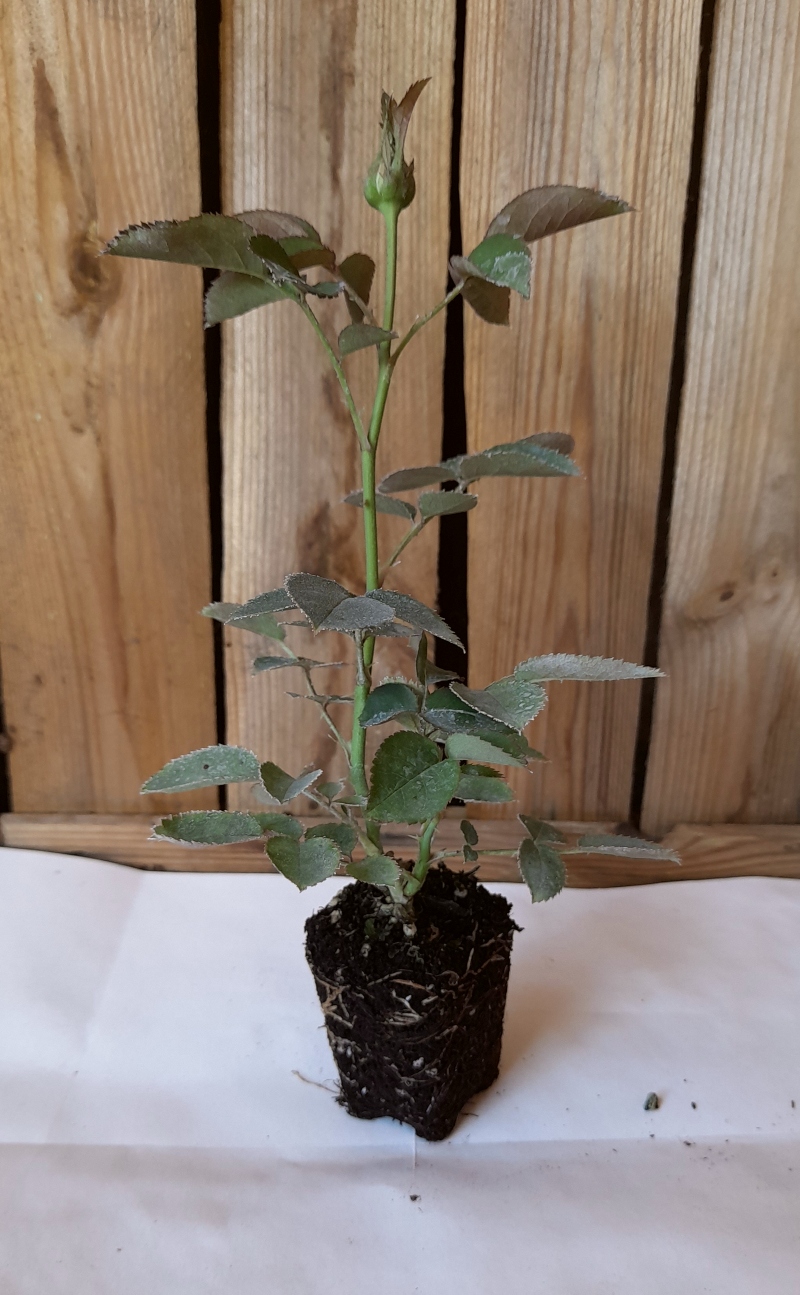
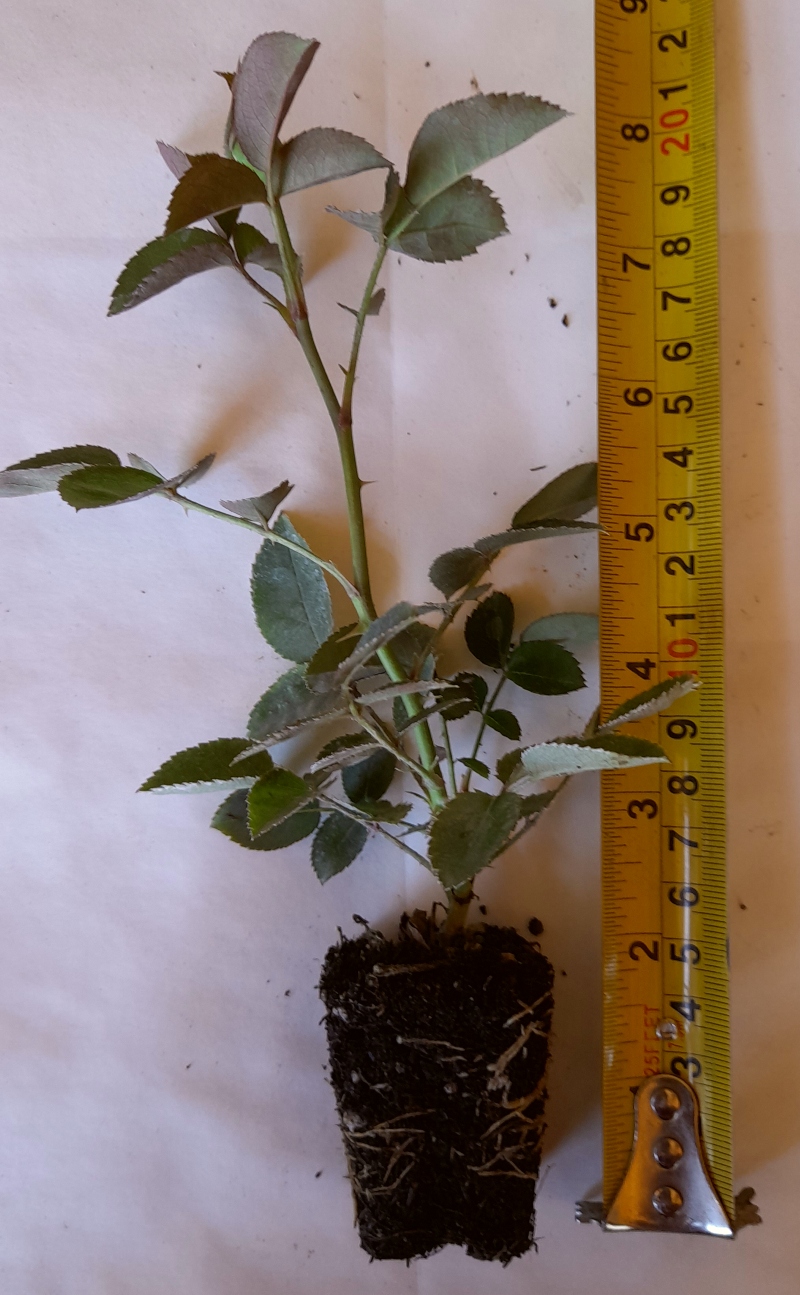
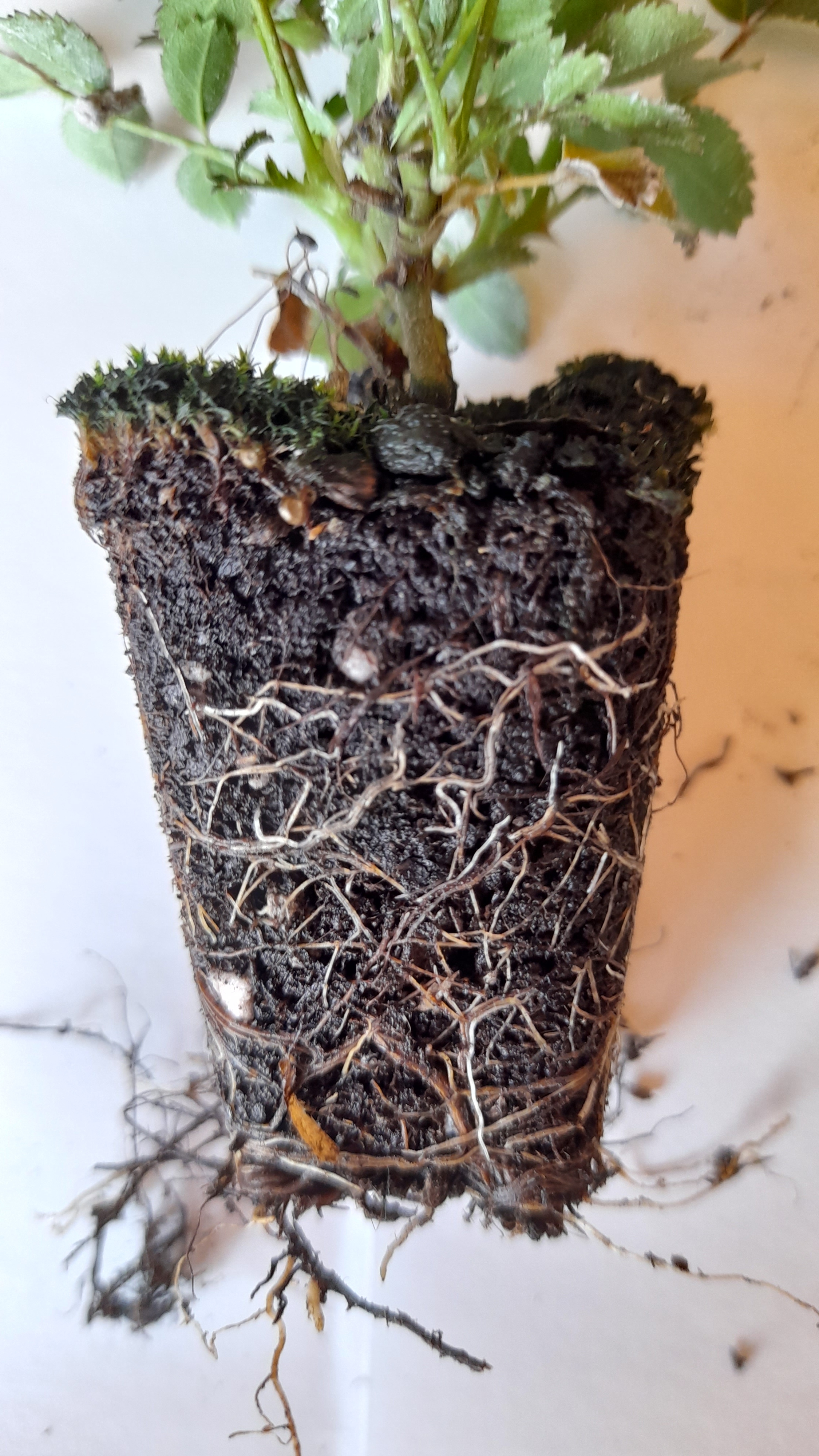
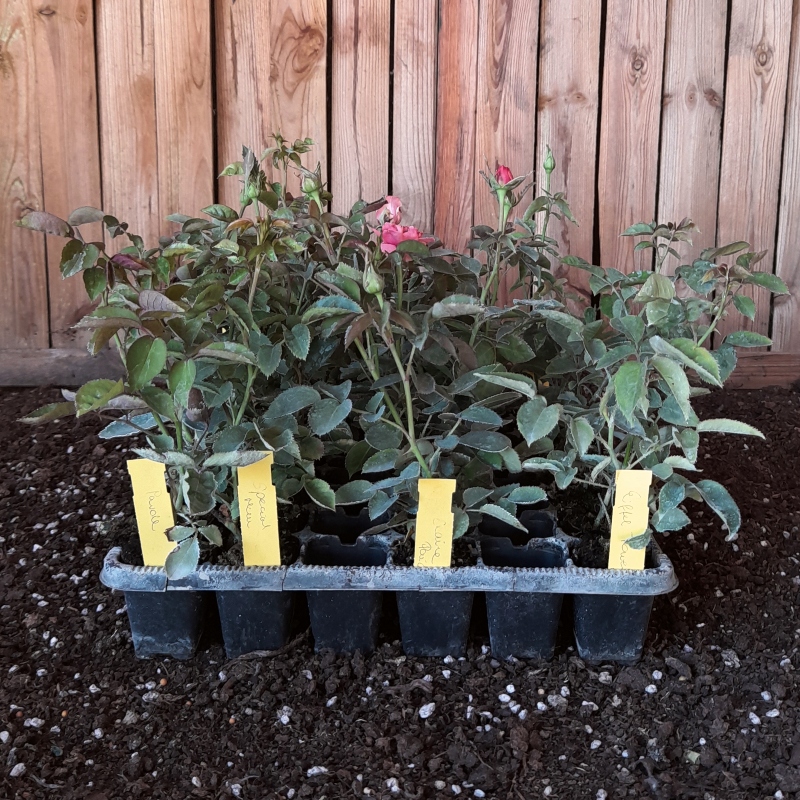
Fragrance and flower quality make Tiffany a reliable choice for premium own‑root cut rose and specimen production, while its upright habit suits bush‑trained frameworks in 5–7 litre containers for retail and reseller channels. The very strong, rich, fruity scent, exhibition‑grade bloom form and high‑centred, solitary flowers support exclusive, cut‑flower‑orientated finished products for thematic rose gardens, display beds and collection plantings. Own‑root, tray‑grown NEONATAL material offers a stable propagation base for UK nursery networks, giving predictable structure development, renewable growth and long‑term ornamental value suited to nursery propagation beds and container grow‑on; in typical cycles, roots establish firmly in the first year, shoots structure in the second, and full ornamental expression is realised from the third year. Moderate disease tolerance and H6 winter hardiness support regionally flexible scheduling, even where colder UK conditions meet periods of heat and drought, while its medium maintenance profile remains manageable within professional, high‑volume workflows. This aligns well with capacity‑planned wholesale programmes where a broad own‑root cultivar base underpins public‑realm, institutional and high‑end private collections, complemented by propagation material that is easy to integrate into nationwide logistics and capable of supporting sites where wind and winter exposure are significant factors. The small, occasional hips add only light seasonal interest, keeping the visual focus on bloom quality throughout the marketing window.
Usage options
Finished-product ideas
- Premium 5–7 L fragrant exhibition bush – Upright, bush-trained plants in 5–7 litre containers highlighting Tiffany’s rich fragrance and exhibition-quality flower form, positioned as an exclusive finished product for fragrance-conscious ranges – target audience/channel: retail resellers and garden centres.
- Collector-series hybrid tea feature – A branded cultivar-identity line using own-root Tiffany in premium containers for thematic or collector garden concepts, capitalising on its award history and strong scent – target audience/channel: specialist nurseries and public gardens.
- Cut-flower orientated garden line – Bush-trained, own-root plants optimised for home cutting beds and show benches, sold in 5–7 litre pots to ensure framework development and remontant flowering potential – target audience/channel: exhibition growers and hobbyist cut-flower customers via resellers.
- Institutional specimen and display stock – Robust, upright specimens grown from NEONATAL material into premium containers for rapid establishment in high-visibility beds, balancing medium maintenance with long-term own-root resilience – target audience/channel: landscape contractors and public-realm suppliers.
- Fragrance-showcase demonstration bed packs – Batch-coordinated, own-root bushes supplied in uniform 5–7 litre containers for use in nursery or retail demonstration beds that promote fragrance-led ranges and exclusive hybrid teas – target audience/channel: integrator networks and brand-focused retailers.
Technical cultivar profile
| Parameter |
Data |
| Name and registration |
Tiffany is a hybrid tea rose, registered and traded as Tiffany Hybrid tea rose Tiffany, with ARS exhibition name Tiffany; it sits within the hybrid tea commercial group used for premium cut and garden use. |
| Origin and breeding |
Bred by Robert V. Lindquist in the United States from ‘Charlotte Armstrong’ × ‘Girona’, introduced by Howard Rose Company in 1954; it remains an unregistered variety in formal registration terms. |
| Awards and recognition |
Tiffany has a strong award record, including Portland Gold Medal 1954, AARS Award 1955, ARS David Fuerstenberg Prize 1957 and the James Alexander Gamble Fragrance Medal in 1962, underscoring its quality. |
| Growth and structural characteristics |
Upright bushes reach about 90–130 cm in height and 60–100 cm in spread, with moderately dense, slightly glossy dark green foliage and moderate prickliness, forming a clear, bush-trained framework suitable for premium containers. |
| Flower morphology |
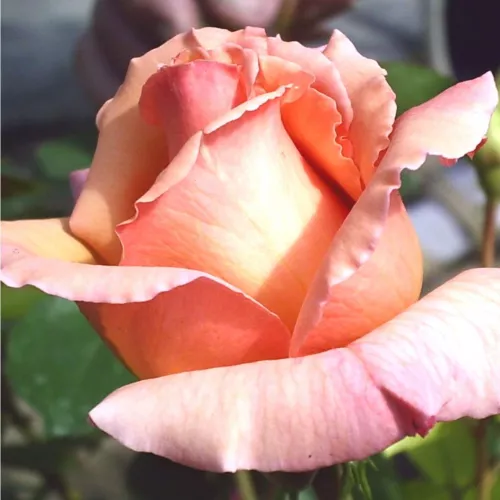
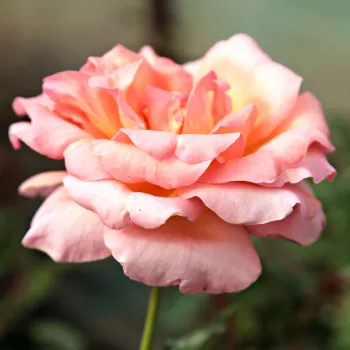
Medium-sized, double flowers with 26–39 petals, high-centred and pointed-budded, are typically borne singly, giving classic hybrid tea presentation and supporting cut-flower and exhibition uses where form and stem quality are key. |
| Colour data and phenology |
Soft salmon-pink petals with warm apricot effects shift through peach-cream to powder pink and ivory edges as flowers open and fade; colour retention is moderate, with warm conditions maintaining attractive tones despite gradual lightening. |
| Fragrance and aroma |
Tiffany is very strongly scented, with rich, fruity fragrance noticeable from distance, recognised historically by fragrance awards; its double, rounded blooms focus ornamental and olfactory impact rather than pollinator support. |
| Hip characteristics |
Small, spherical red hips of about 10–14 mm may form occasionally, adding light seasonal interest without dominating; hip set is modest, so ornamental emphasis remains on repeat flowering and bloom display across the season. |
| Resistance and winter hardiness |
Rated RHS H6, Tiffany tolerates approximately −15 to −12 °C and Swedish Zone 2, with good heat and drought tolerance if watered; disease resistance is moderate overall, with resistance to powdery mildew and moderate susceptibility to black spot and rust. |
| Horticultural recommendations |
Suited to flowerbeds, specimen roles and cut-flower use, with medium maintenance and some need for plant protection; flowers are poorly self-cleaning so benefit from deadheading, and bush-trained 3–5 cane forms suit premium 5–7 litre container production. |
Tiffany offers award-backed fragrance, exhibition flower form and upright habit on a predictable own-root base, supporting long-lived, regenerating stands for premium programmes; you may wish to discuss capacity planning and scheduling options with us.