Tom Tom™ bedding floribunda rose – pharmaROSA® NEONATAL rooted cutting
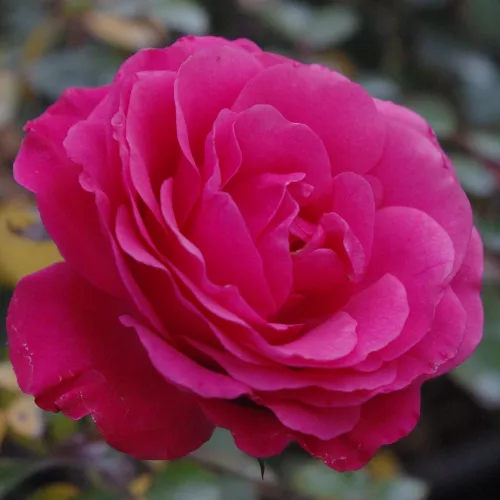
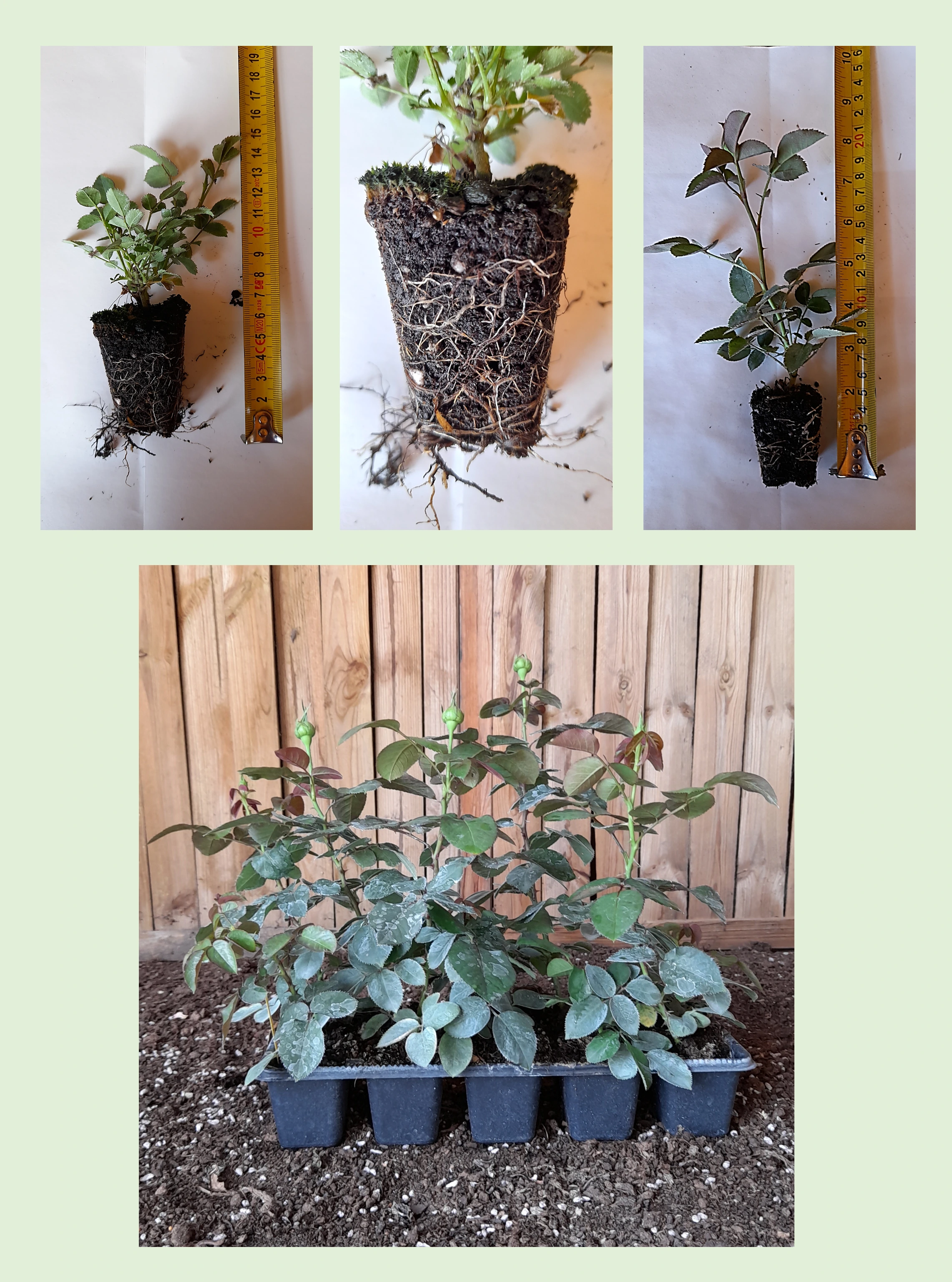
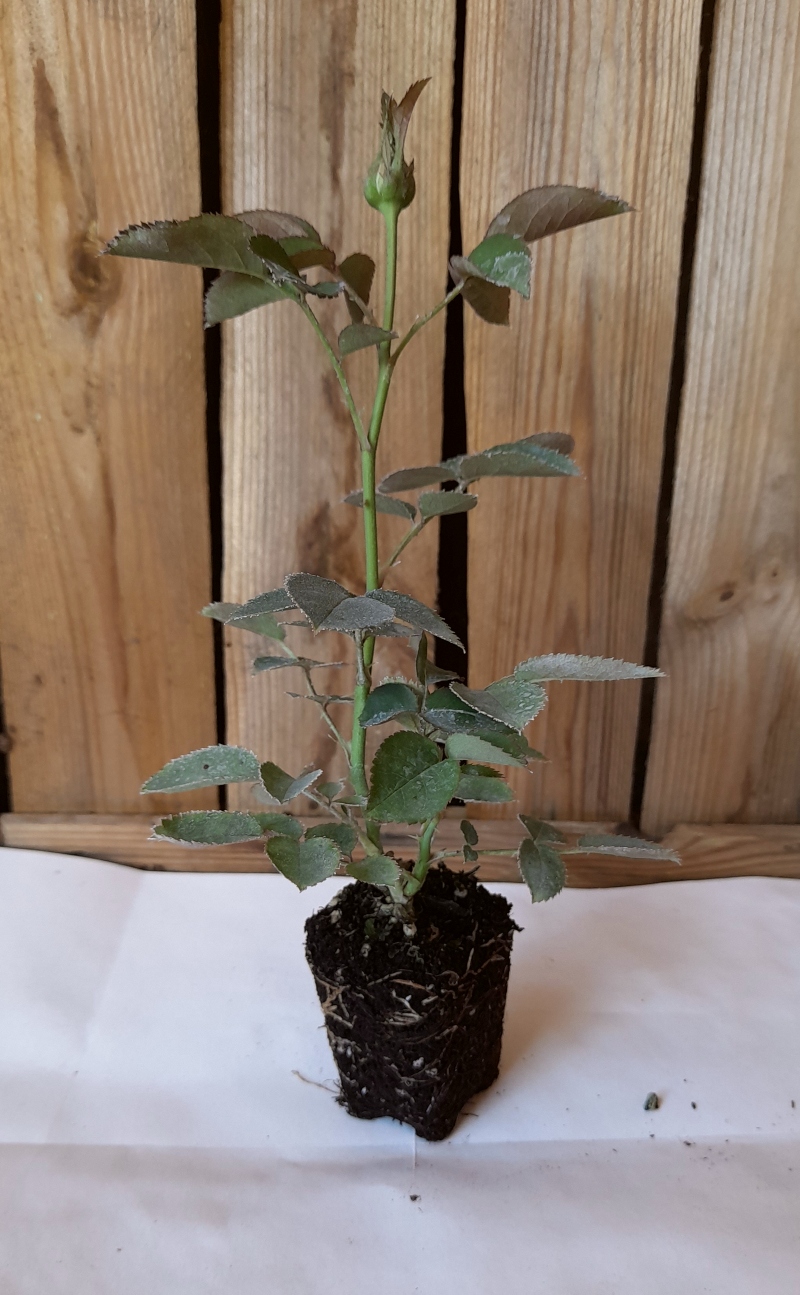
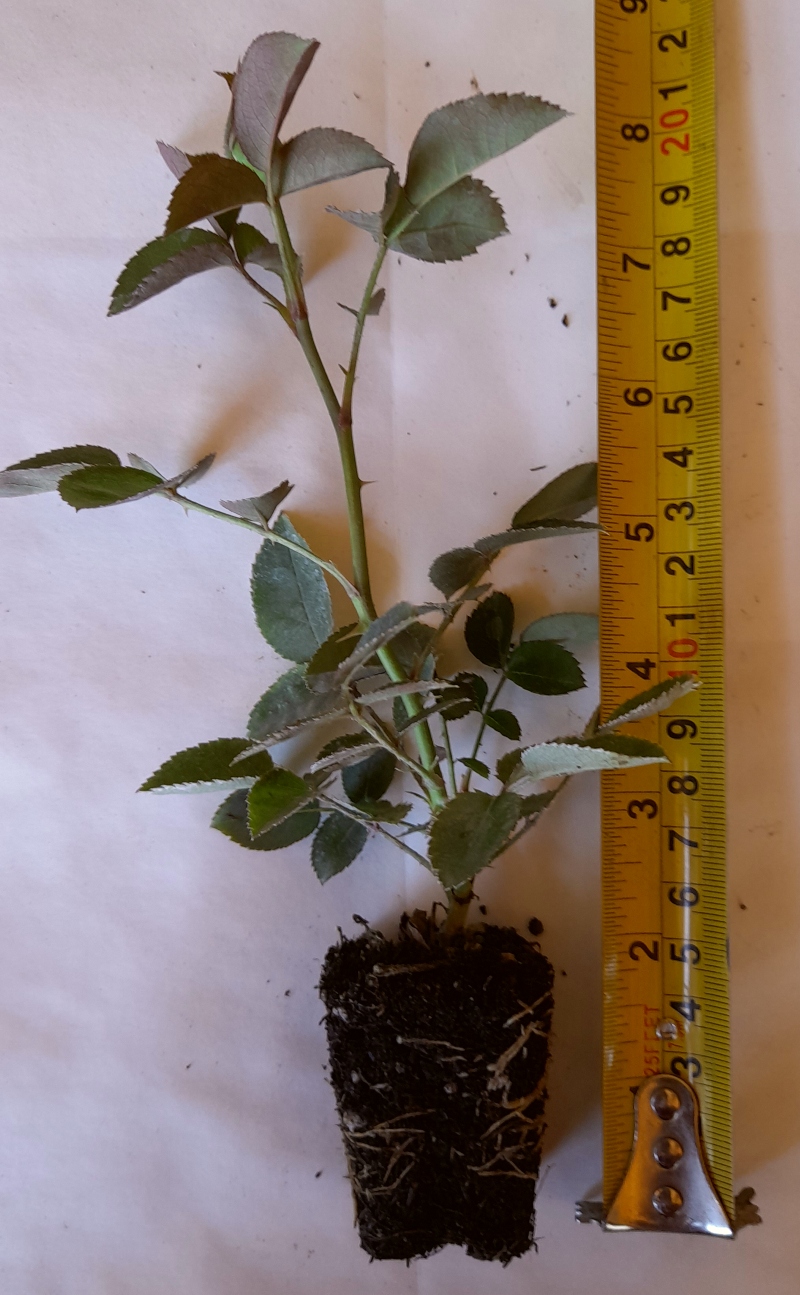
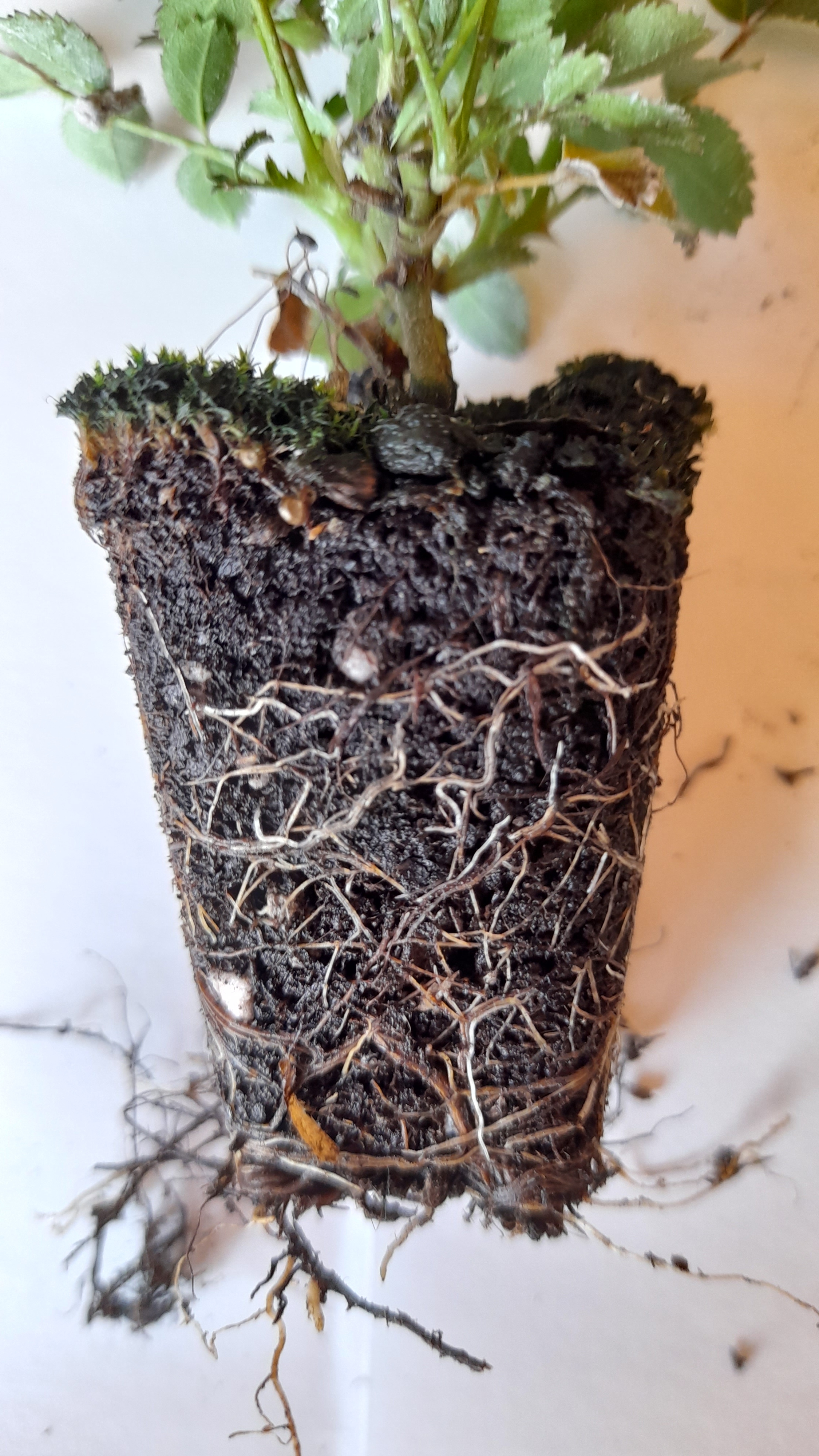
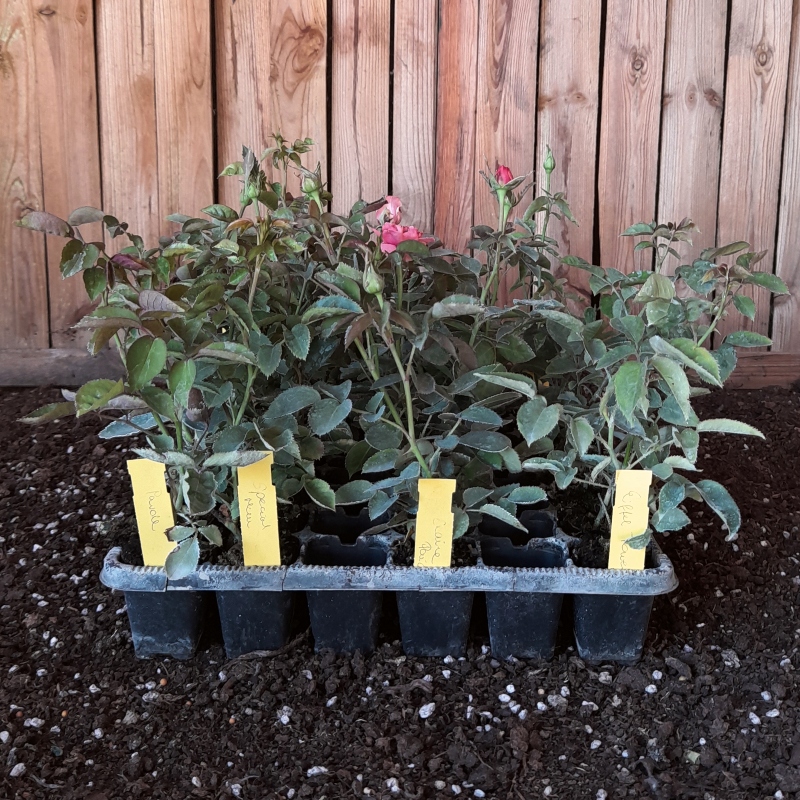
Tom Tom as a pharmaROSA® NEONATAL own-root cutting offers a compact, bushy floribunda base that fits efficiently into container production and border-focused ranges where reliable, medium-maintenance performance is valued. The cultivar’s upright, moderately dense foliage and 60–90 cm habit lend themselves to 2–3 L standard containers, while still leaving headroom for growers who wish to step up a proportion of crops into 40–50 litre display specimens for public-realm or thematic rose garden use. Deep-pink, cluster-flowering, semi-double blooms deliver consistent colour for edging, group planting and urban green space projects, aligning well with UK nursery supply into retail/reseller networks. Own-root material supports predictable, renewable cropping over the long term, with roots establishing in year one, structural shoots consolidating in year two, and full ornamental value stabilising from year three onwards. Moderate disease resistance, including resistance to black spot, helps maintain homogeneous stands and limits replacement in nursery propagation beds and wholesale stock fields. With H7 hardiness down to -21 °C, it is suitable for much of the UK, including cooler nursery sites, while its ability to flower well in hot conditions supports national distribution where winter and wind tolerance are important for exposed projects. The remontant flowering habit and discrete fragrance suit professional programmes building reliable “repeat-flowering bed rose” blocks, and the own-root platform underpins stable identity for collection plantings and rose gardens. In professional scheduling, tray-rooted, 3–6-month-old plants are easy to integrate into existing workflows, giving nurseries and integrators a flexible, scalable propagation base. Overall, Tom Tom™ offers a balanced package of structure, colour and manageability for standard finished-product positioning into retail and project-led channels.
Usage options
Finished-product ideas
- 2–3 L floribunda border line – core SKU using bush-trained, compact plants in standard containers, highlighting reliable deep-pink cluster flowering and medium maintenance – retail/reseller bedding and floribunda tables
- Urban edging rose mix – 2–3 L plants combined into colour-consistent edging assortments, leveraging uniform habit and moderate disease resistance – municipal and urban green space framework suppliers
- Large-container feature groups – selected strong plants stepped into 40–50 litre pots for instant-impact group planting, using own-root resilience for long-term regeneration – public-realm and estate project contractors
- Thematic floribunda collection units – carefully labelled 2–3 L stock emphasising verified cultivar authenticity and classic US breeding origin – specialist nurseries and rose collection curators
- Mixed rose assortment trays – integrated into broader own-root floribunda and shrub rose mixes, using predictable standard container production and remontant flowering – cash-and-carry and broker-led wholesale channels
Technical cultivar profile
| Parameter |
Data |
| Name and registration |
Floribunda bedding rose marketed as Tom Tom™ with registered cultivar name Tom Tom; exhibition floribunda / bush rose, commercial bed rose type; unregistered variety in terms of formal registration status. |
| Origin and breeding |
Bred in the United States in 1957 by E. J. Lindquist, from a cross of ‘Improved Lafayette’ × ‘Floradora’; introduced through Hemet Wholesale and initially distributed by Howard Rose Co. |
| Awards and recognition |
Not provided. |
| Growth and structural characteristics |
Bushy, upright habit reaching 60–90 cm in height with 45–65 cm spread; moderately dense, slightly glossy dark green foliage (around RHS 147A) and moderate prickliness for a balanced, manageable framework. |
| Flower morphology |
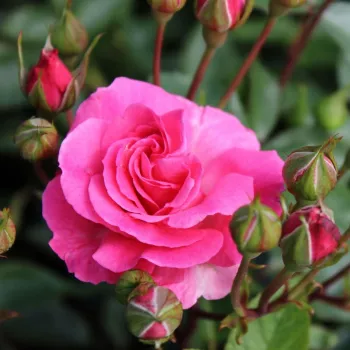
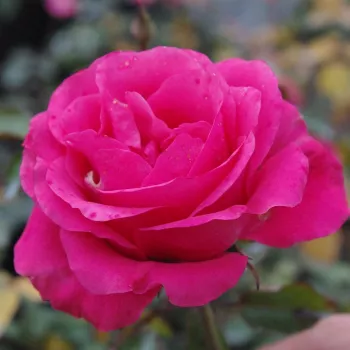
Semi-double, cup-shaped blooms with 17–25 petals carried in clusters; large flowers around 2.75–3.95 inches in diameter and a remontant habit that provides a generous second flush under suitable management. |
| Colour data and phenology |
Uniform, saturated deep-pink colour with ARS code dp and RHS 58B outer, 58C inner; newly opened blooms are vivid, brilliant deep pink, fading only slightly and more in hot weather, staying deeper in cooler conditions. |
| Fragrance and aroma |
Light, discreet fragrance with a mild, restrained scent profile; semi-double flowers offer moderate pollinator attraction, with reduced stamen accessibility limiting overall value for pollinator-focused planting schemes. |
| Hip characteristics |
Produces moderate quantities of spherical hips, around 7–11 mm in diameter, coloured red (RHS 44A); hips develop after flowering where spent blooms are not deadheaded, adding a subtle seasonal feature. |
| Resistance and winter hardiness |
Hardy to approximately -21 to -18 °C (RHS H7, comparable to USDA zone 6b, Swedish zone 3); disease resistance overall moderate, with moderate powdery mildew and rust tolerance and notable resistance to black spot. |
| Horticultural recommendations |
Suited to borders, parks, edging, containers, group plantings and urban green spaces; medium maintenance with occasional pest and disease control; recommended as bush-trained compact plants in standard 2–3 L containers. |
Tom Tom™ offers compact, uniform floribunda structure, deep-pink cluster flowering and reliable hardiness on a long-lived own-root base that supports predictable, regenerating stands; please contact us to coordinate volume, scheduling and integration into your programmes.