Historical Rose

20-589-1
20-589-2

Trompeter von Säckingen

Heritage rose

- – Rudolf Geschwind

Vivid, saturated carmine-red shade that shows a slightly purplish depth at the base of the petals. - historical - old garden rose - very faint, barely perceptible scented rose - delicate, rose-like character

– Historic Heritage rose by Rudolf Geschwind
– Abundant, very full carmine-red clusters
– Strong rambler habit for arbours and fences
– Sparse prickles for easier maintenance
– Hardy to USDA Zone 5a, RHS H7
– Special feature: Produces charming orange-red hips after flowering.
Selection / specialty
Trompeter von Säckingen
pharmaROSA® NEONATAL rooted rose cutting
28,79 £
Due to courier service regulations – and the introduction of customs clearance – delivery to Ireland is temporarily suspended.
3 (4770)
facebook   twitter

Trompeter von Säckingen – Heritage historical rambler for premium container production

Heritage material like Trompeter von Säckingen offers a distinct identity advantage for nurseries building specialist old-rose ranges, with a verifiable Geschwind origin that supports reliable labelling and long-term collection planning. As a climbing, rambler-type shrub with a strongly upright habit and 210–350 cm height, it is well suited to bush-trained production with discreet support for pergolas, arbours and fences in premium 5–7 L containers. The once-flowering, very full, clustered carmine-red blooms provide a concentrated seasonal display that fits well with themed historic rose gardens and curated collector lines. Own-root NEONATAL propagation gives a durable structural base for park and specimen use, supporting predictable regrowth and low replacement over time in demanding public and institutional settings. With a hardiness rating to H7 and USDA 5a, it aligns well with Scotland and northern England where winter tolerance and wind exposure are key, while supporting homogeneous, medium-maintenance stands for coordinated nursery and wholesale programmes.


Usage options

Target area Reasoning
Premium 5–7 L historic-rose container line The strongly upright, rambler-type habit reaching 210–350 cm gives good vertical presence quickly in 5–7 L premium containers, matching the recommended bush-trained release form with discreet support. A single, concentrated flowering suits historic-rose specialist positioning where narrative and authenticity matter more than continuous bloom, supporting a “selected historic roses” proposition for retail collectors and themed gardens. Own-root NEONATAL supply helps you maintain uniformity across batches and years for this specialty SKU, simplifying capacity planning for nursery-wholesale.
Arbour and pergola programmes The climbing growth, 150–250 cm spread and sparse prickles make Trompeter von Säckingen practical for training on arbours and pergolas from bush-trained starts, as recommended. A once-blooming, very full, carmine-red display offers strong seasonal impact suited to curated show gardens and collection plantings rather than high-rotation retail. Own-root material withstands pruning and training cycles well, giving durable park and public-realm structures with predictable canopy renewal for project-suppliers.
Fence and boundary lines for historic gardens The moderately dense, matt dark green foliage and rambler habit create effective, characterful boundary planting along fences when grown on from premium container stock. Medium maintenance and disease resistance are acceptable for institutional sites that already operate regular plant protection, while the historic narrative underpins heritage-garden storylines. Own-root propagation supports low long-term replacement and consistent line continuity, important when planning multi-year fence schemes for heritage-estates.
Specimen features in thematic rose collections The combination of historical rambler status, Geschwind breeding and vivid carmine-red flowers gives strong identity as a named specimen within thematic and collector-focused gardens. The bush-trained form in 5–7 L premium containers allows growers to present an immediately interpretable structure ready for feature planting. NEONATAL own-root stock supports a typical development arc of roots consolidating in year one, framework shoots building in year two and full ornamental value by year three for collection-specialists.
Park and municipal planting with historic character Hardiness to around -29 to -26 °C (H7, USDA 5a, Swedish zone 4) makes this cultivar suited to colder UK regions where winter and wind resilience are essential, supporting reliable park usage. Once-flowering historic roses are often chosen for specific heritage or commemorative themes in public parks, matching the “selection/specialty” positioning. Own-root plants regenerate well from damage and pruning, enabling long-lived, stable displays that reduce replanting pressure for public-realm-contractors.
Specialist historic-rose retail ranges The clear “historical rose” commercial group and 1929 introduction support accurate, story-rich labelling, valuable for retailers targeting connoisseurs and collectors. Medium disease resistance and maintenance can be communicated transparently, so customers understand the cultural value relative to care needs, fitting a premium specialty line. Tray-rooted own-root cuttings allow you to secure continuity of this niche cultivar for private-label heritage assortments aimed at independent-garden-centres.
Rose-collection maintenance and gene-bank style stands Unregistered but authenticity-verified material and unknown parentage make Trompeter von Säckingen a useful component in living collections where genetic diversity and historical representation are key goals. Own-root NEONATAL stock simplifies long-term stand maintenance, as plants can be renewed vegetatively without loss of identity. Medium disease resistance and non-remontant flowering are acceptable trade-offs within curated, documented collections managed by botanic-institutions.
Propagation beds for onward own-brand production The vigorous, climbing shrub structure responds well to controlled cutting production, supporting nursery propagation beds feeding your own premium 5–7 L historic-rose lines. Medium disease resistance and maintenance requirements fit professional systems already equipped for routine plant protection. Using uniform, tray-rooted NEONATAL material as the base secures predictable mother-plant performance and stable clone quality for integrator-networks.

Finished-product ideas

  • Premium 5–7 L heritage climber – Bush-trained, discreetly supported plants with a clear historical rambler story and concentrated once-flowering display, built from NEONATAL stock for uniformity – specialist retail/collector channels.
  • Arbour and pergola feature kit – Pre-trained Trompeter von Säckingen in 7 L containers ready for installation on small arbours or pergola sections, leveraging its vigorous climbing habit and historic character – garden designers and project suppliers.
  • Historic fence line module – Series of uniform 5 L units optimised for staggered fence planting, using own-root propagation for stable, regenerating boundaries with medium maintenance demands – municipal and estate park managers.
  • Collector’s specimen series – Individually labelled, story-led specimens in premium containers, highlighting Geschwind origin, non-remontant character and vivid carmine-red blooms – specialist nurseries serving connoisseur markets.
  • Gene-bank mother-plant block – Structurally managed propagation beds of own-root plants securing long-term availability and genetic continuity of this unregistered historical cultivar – botanic gardens and propagation-led collections.

Technical cultivar profile
Parameter Data
Name and registration Current trade name Trompeter von Säckingen, historical rose group, old garden rose type; unregistered variety with verified cultivar authenticity, positioned as a heritage rambler in specialist ranges.
Origin and breeding Bred by Rudolf Geschwind in Austria around 1890, introduced commercially in 1929; parentage is unknown and no formal breeding institution is recorded, reflecting its status as a classic historic selection.
Growth and structural characteristics Strongly upright, creeping rambler-type climber reaching about 210–350 cm high with a 150–250 cm spread, moderately dense dark green matt foliage (RHS NN137A) and relatively sparse prickling along the shoots.
Flower morphology Very full, medium-sized clustered blooms with more than 40 petals, flat flower form and non-remontant, once-per-season flowering habit, delivering a concentrated but time-limited display on appropriate supports.
Colour data and phenology Carmine-red flowers with vivid, saturated tones and a slightly purplish depth; colour gradually shifts from bright carmine and crimson to violet-purple or violet-lilac shades as the blooms age and begin to fade.
Fragrance and aroma Described as having a delicate, rose-like character with very faint, barely perceptible scent; pollinator descriptions suggest moderate attraction, as dense petal formation can limit easy access to floral rewards.
Hip characteristics Produces moderate quantities of small, spherical hips about 5–9 mm in diameter, coloured orange-red corresponding roughly to RHS 40A, adding some seasonal interest after flowering where fruit set is retained.
Resistance and winter hardiness Rated H7 with approximate cold tolerance around -29 to -26 °C, USDA zone 5a and Swedish zone 4; disease resistance is medium for powdery mildew, black spot and rust, with no specific heat or drought data.
Horticultural recommendations Suited to parks, specimens, arbours, pergolas and fences; best offered as bush-trained plants with discreet support in premium 5–7 L containers, with medium maintenance and occasional plant protection as standard.

Trompeter von Säckingen offers authentic historic identity, hardy rambler performance and a reliable own-root base for long-lived, predictable stock, making it a considered option for aligning heritage rose capacity and scheduling.

Detailed product attributes

Product Identification Data

Product Name: TROMPETER VON SÄCKINGEN – carmine-red historic old garden rose - Geschwind
Product Type: pharmaROSA® NEONATAL - rooted rose cutting
Cultivar Authenticity: Verified:11.08.2025
Cultivar Quality Rating: premium silver
Item Number: [613] 20-589 (14.02.2026) pharmarosaneonatal.co.uk

Name and Registration

Meaning of Cultivar Name: The phrase "A säckingeni trombitás" refers to the hero of Joseph Victor von Scheffel’s 1854 narrative poem and of the 1884 Nessler opera based on it.
Original Trade Name: Trompeter von Säckingen
Current Trade Name: Trompeter von Säckingen Heritage rose Geschwind
Rose Group: Old rose, Hybrid Multiflora, Shrub
Commercial Type: historical - old garden rose
Commercial Group: Historical rose
Exhibition Category: historical rambler
Collection: Heritage rose

Origin and Breeding

Registration Year: unregistered variety
Breeder: Rudolf Geschwind
Breeding Company / Institution: unknown / no data
Breeding Year: Austria, 1890
Parentage: unknown

Growth and Structural Characteristics

Height: 6.9-11.5ft (210-350 cm)
Spread: 4.9-8.2ft (150-250 cm)
Growth Habit: climbing (strongly upright, creeping–rambler type)
Foliage: The variety's foliage is moderately dense; the leaves have a matt surface and a dark green shade (RHS NN137A).
Prickliness: sparsely thorned
Self-Cleaning Description: No data on self-cleaning.

Self-Cleaning Intensity: No data available on self-cleaning strength.

Flower Morphology

Flower Fullness: very full-flowered
Flower Shape: flat
Flower Size: M (1,5-2,75 in)
Inflorescence Type: clustered
Colour Code: ARS code: dr RHS code: 53A, 60B
Repeat Flowering: Non-remontant, blooms once.

Colour Data and Phenology

Colour: carmine-red
Flower Colour Description: Vivid, saturated carmine-red shade that shows a slightly purplish depth at the base of the petals.
Closed Bud: Deep carmine red with a purplish hue at the tip.
Newly Opened Flower: Bright carmine red, with a darker tone along the edges of the outer petals.
Full Bloom: The inner surfaces of the petals are carmine red, with a delicate purplish-crimson tinge on the outer surfaces.
Before Fading: The crimson gradually fades to a violet-lilac.
Colour Fading Description: During opening, the bright carmine red gradually fades to a violet‑purple shade, with a purplish tinge on the outer petals.

Fragrance and Aroma

Fragrance Strength: very faint, barely perceptible scented rose
Fragrance Character: delicate, rose-like character
Pollinator Attraction: Semi-double flowers with 13–25 petals moderately attract pollinators, as the semi-double form and reduced stamen accessibility can limit insects’ access to nectar and pollen.
Pollinator-Friendly Rating: The descriptions do not specifically mention it as pollinator-friendly.

Hip Characteristics

Hip Shape: spherical
Hip Colour: orange-red (RHS 40A)
Hip Comment: Produced in moderate quantities, 5–9 mm in diameter, globular, orange-red (RHS 40A) rose hip.

Resistance and Hardiness

Hardiness (°C): -29–-26 °C
Heat and Drought Tolerance Description: No data are available on heat–drought tolerance.
Disease Resistance: medium
  • powdery mildew – medium
  • black spot – medium
  • rust – medium

Horticultural Recommendations

Recommended product path: Premium container, specialty
Release form: Bush-trained + discreet support
Recommended use: Maintenance requirement medium; requires occasional plant protection.
Primary Uses: park, specimen, arbour, pergola, fence

Comments

Positioning: Selection / specialty
Target customer/channel: Retail/collector
Main value proposition: Selected historic roses
TROMPETER VON SÄCKINGEN – carmine-red historic old garden rose - Geschwind
Vivid, saturated carmine-red shade that shows a slightly purplish depth at the base of the petals. - historical - old garden rose - very faint, barely perceptible scented rose - delicate, rose-like character
Rose Shopping Online - carmine-red - very faint, barely perceptible scented rose - Trompeter von Säckingen - historical - old garden rose - (6.9-11.5ft (210-350 cm))
Primary Uses: park, specimen, arbour, pergola, fence + Height: 6.9-11.5ft (210-350 cm) Colour: carmine-red + Commercial Type: historical - old garden rose Repeat Flowering: Non-remontant, blooms once. + Primary Uses: park, specimen, arbour, pergola, fence Primary Uses: park, specimen, arbour, pergola, fence + Growth Habit: climbing (strongly upright, creeping–rambler type) Flower Size: M (1,5-2,75 in) + Height: 6.9-11.5ft (210-350 cm) Flower Fullness: very full-flowered + Flower Shape: flat Colour: carmine-red + Repeat Flowering: Non-remontant, blooms once. Flower Fullness: very full-flowered + Height: 6.9-11.5ft (210-350 cm) Commercial Type: historical - old garden rose + Flower Size: M (1,5-2,75 in) Inflorescence Type: clustered + Flower Size: M (1,5-2,75 in) Growth Habit: climbing (strongly upright, creeping–rambler type) + Height: 6.9-11.5ft (210-350 cm) Primary Uses: park, specimen, arbour, pergola, fence + Height: 6.9-11.5ft (210-350 cm) Colour: carmine-red + Flower Fullness: very full-flowered Breeder: Rudolf Geschwind + Colour: carmine-red

We showcase the external appearance of the roses available for online purchase from our webshop.


Which product type is right for you?


PharmaRosa® NEONATAL is the cost‑effective starting point for rose product production.

As a uniform, own‑rooted propagation material, it provides a stable basis for further growing-on and can be integrated flexibly into different finished product production technologies.
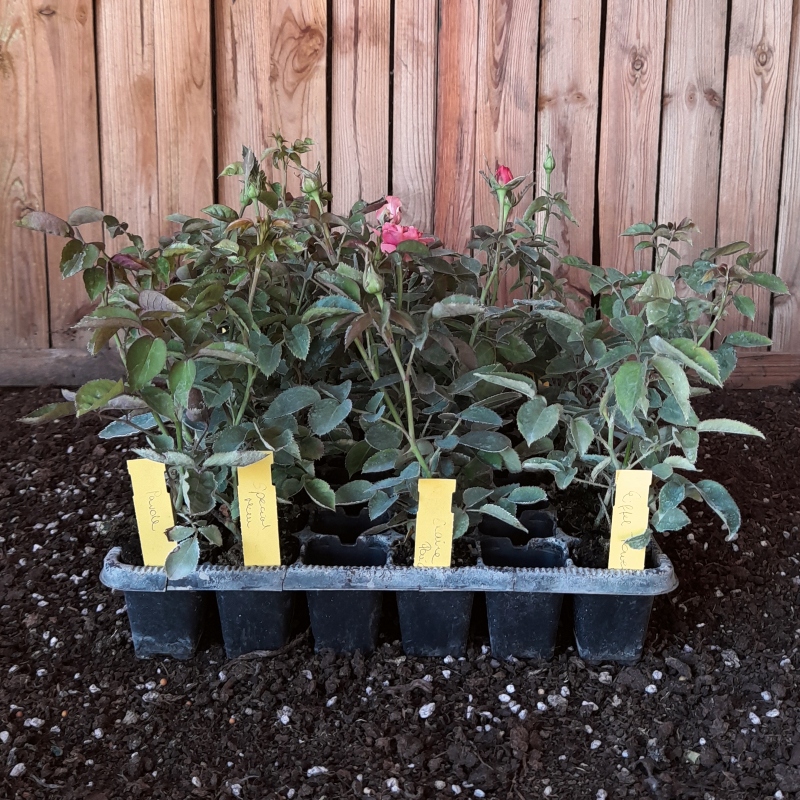
Rooted in trays (rooted), 3–6‑month‑old, own‑rooted rose cutting.

Uniform developmental stage, with a root system that has thoroughly penetrated the plug.
For professional growing‑on.
Tray packaging: 10 pcs/tray.
Quality and varietal identity: production supported by a dedicated identification and traceability logic.
Can be transplanted during frost‑free periods, designed for finished product production.

PharmaRosa® NEONATAL provides a controlled, uniform starting stock for planned growing‑on that can be integrated into your own technology – especially where scheduling and varietal identity are paramount.


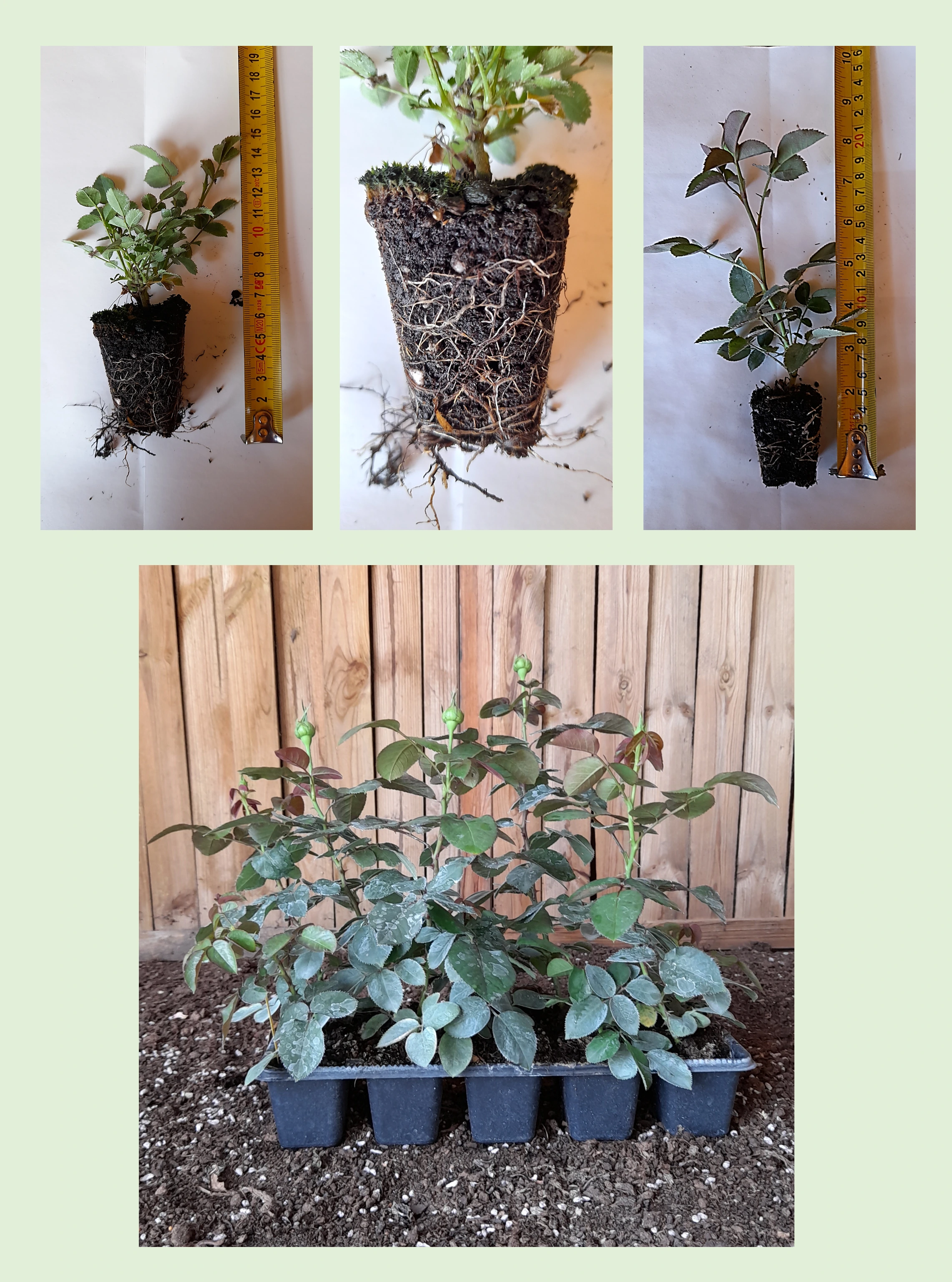
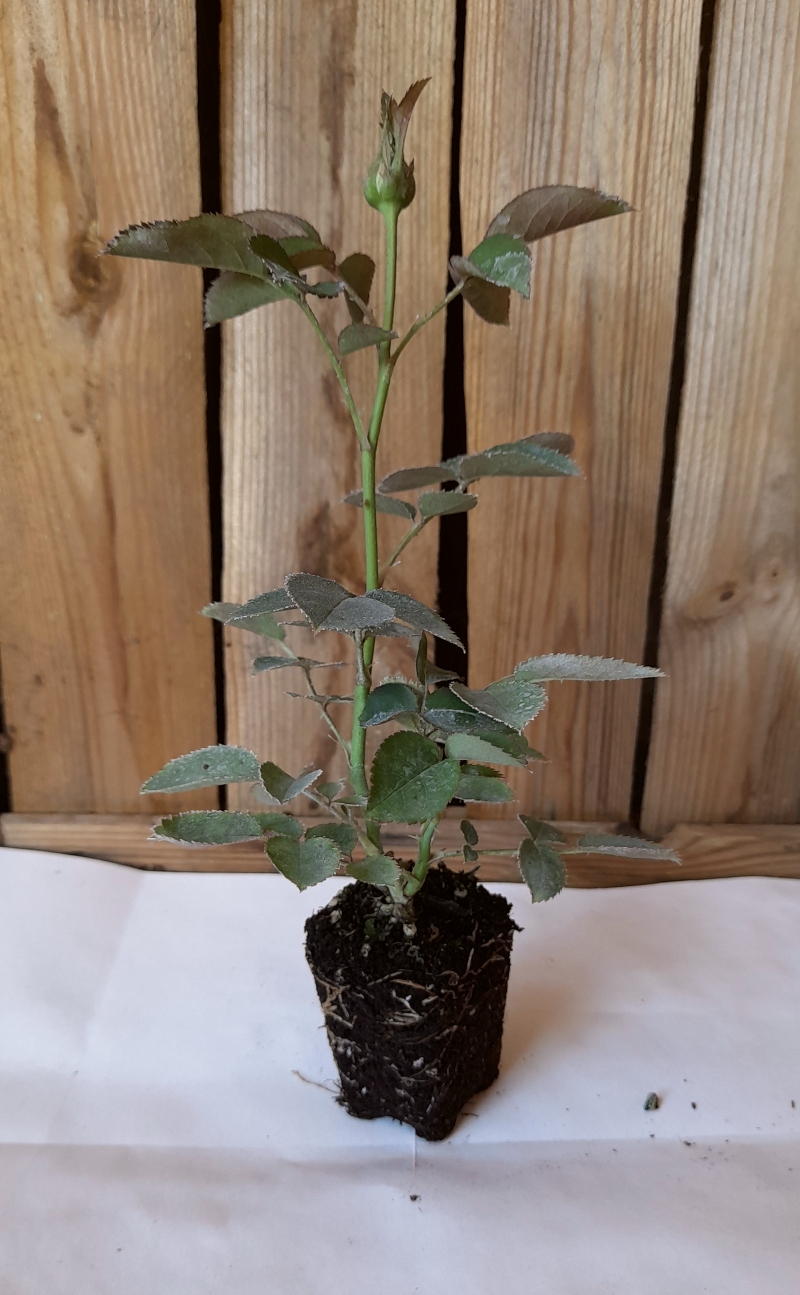
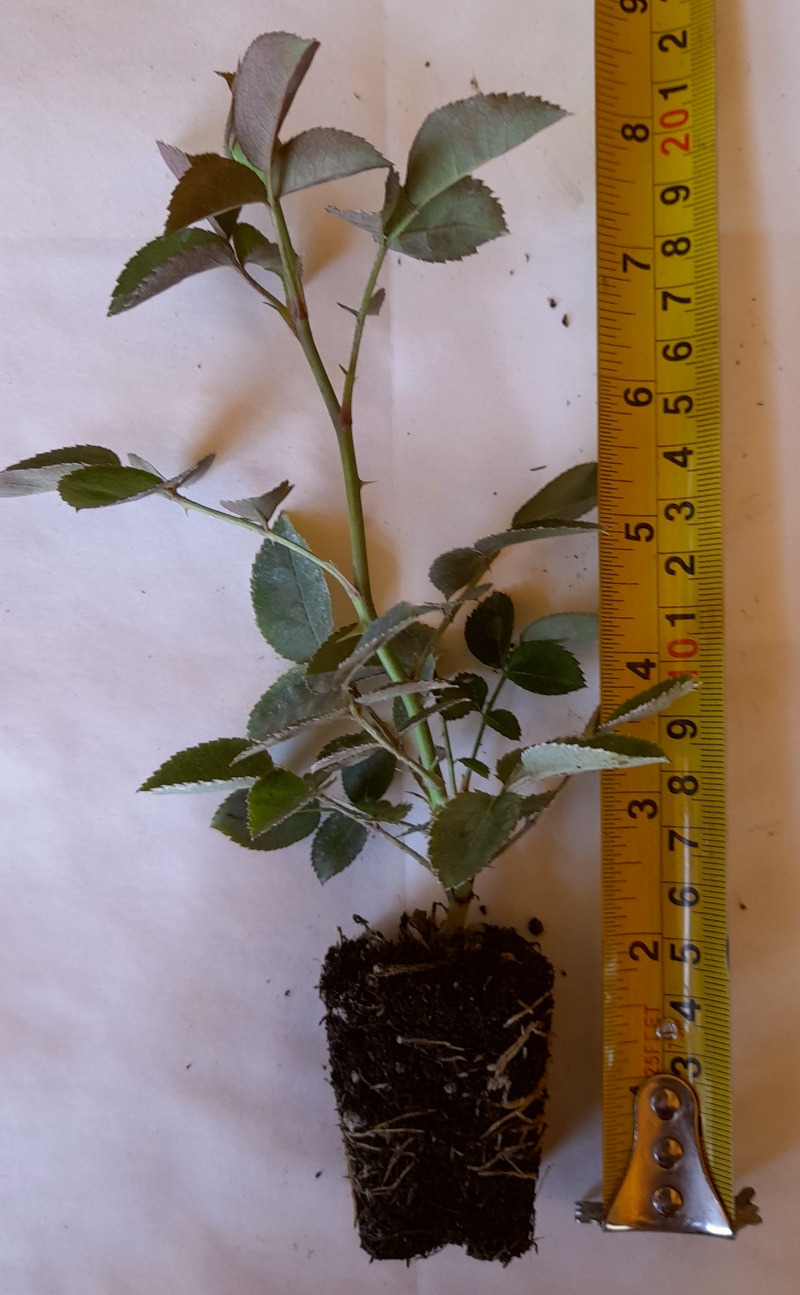
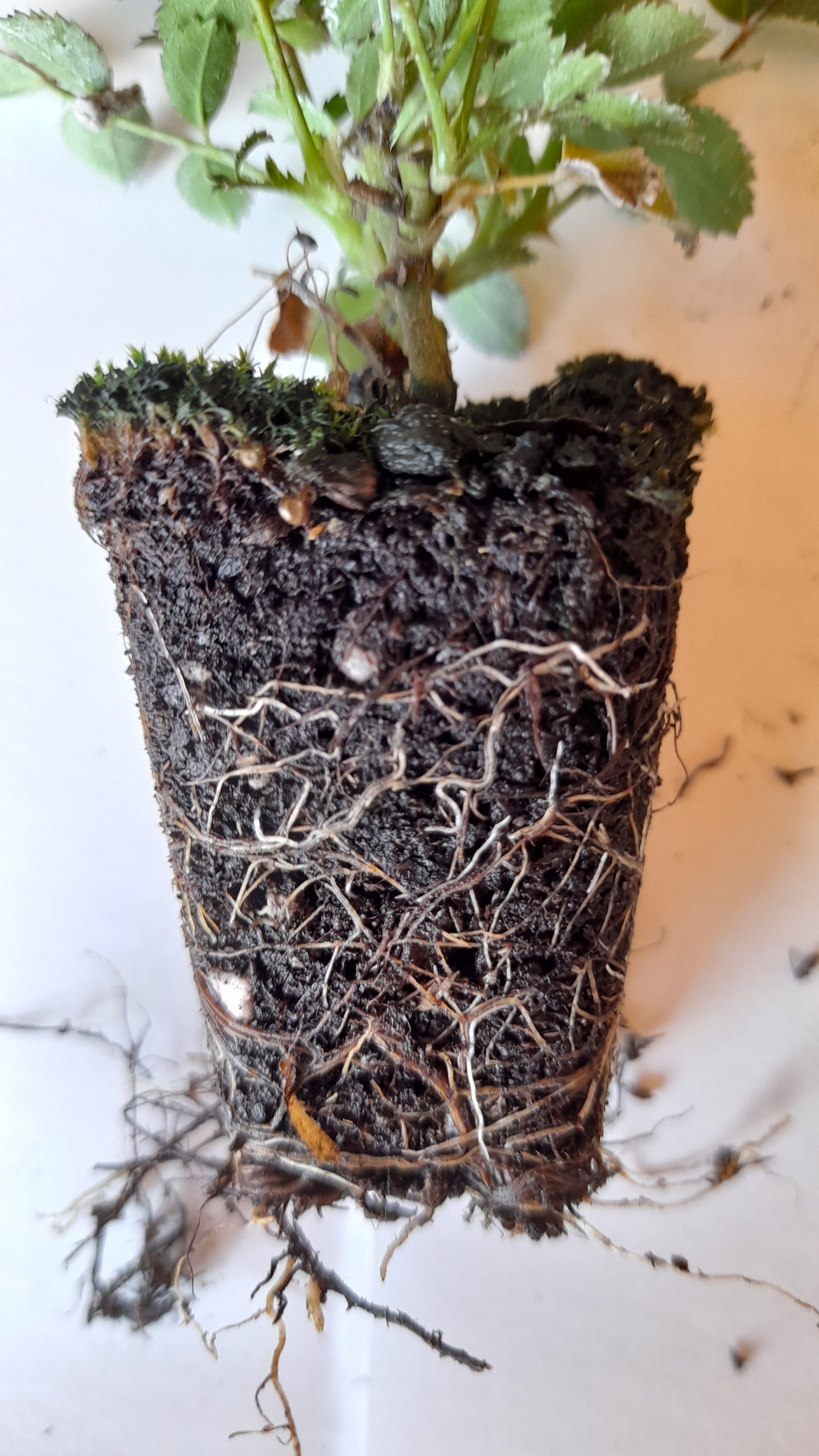
PharmaRosa® NEONATAL own-rooted rose propagation material in a plug, with a root system penetrating the plug (semi-finished product / semi-finished rose). PharmaRosa® NEONATAL rose propagation material size: 3–6‑month‑old, own-rooted cutting with a uniform developmental stage. PharmaRosa® NEONATAL rose propagation material root system: plug densely penetrated by well-developed white roots (root system detail). PharmaRosa® NEONATAL tray stock: own-rooted rose propagation material in trays, uniform developmental stage (10 pcs/tray).

Captions (from left to right): Semi-finished product (NEONATAL own-rooted rose propagation material in a plug with a fully developed root system) • Size demonstration (3–6‑month‑old, uniform cutting) • Root system detail (plug penetrated by the root system) • Tray stock (10 pcs/tray, uniform developmental stage)

pharmarosaneonatal.hupharmarosaneonatal.atpharmarosaneonatal.co.ukpharmarosaneonatal.czpharmarosaneonatal.depharmarosaneonatal.ropharmarosaneonatal.sipharmarosaneonatal.skpharmarosaneonatal.itpharmarosaneonatal.frpharmarosaneonatal.nlpharmarosaneonatal.plpharmarosaneonatal.lupharmarosaneonatal.ptpharmarosaneonatal.espharmarosaneonatal.ltpharmarosaneonatal.sepharmarosaneonatal.lvpharmarosaneonatal.eepharmarosaneonatal.fi

Which product type is right for you?

Pages for private customers
Garden roses for the family garden, with minimal care  → ORIGINAL®
Premium garden roses – instant impact, a truly showpiece garden  → EXTRA®
Pages for professionals and private customers
Roses for public spaces – large areas, sustainable maintenance  → NATURAL®
Roses for projects – hedge and row planting, fast implementation  → RAPID®
For professional partners only
Production – propagation material for garden roses, wholesale  → NEONATAL®

Company details

PharmaRosa Ltd.
Company registration number: 01-09-717479
VAT number: 13075314-2-43
Plant health registration no.: HU130721
Bank account (IBAN):
HU85117631891388688400000000
BIC (SWIFT): OTPVHUHB
Bank name: OTP Bank Nyrt.