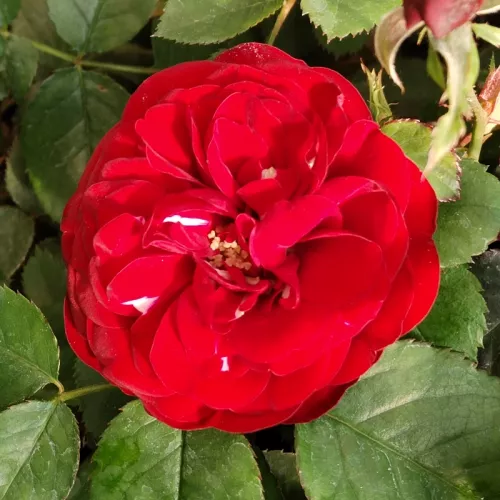
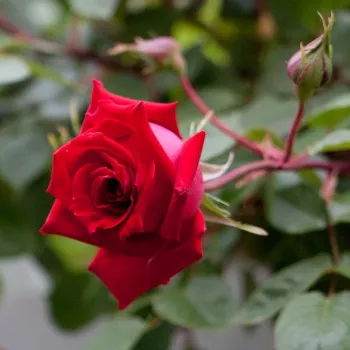
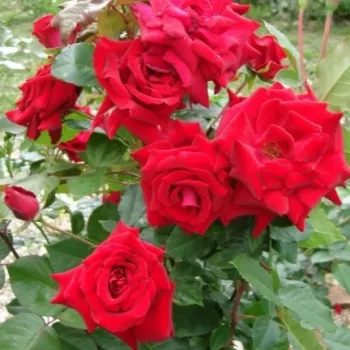
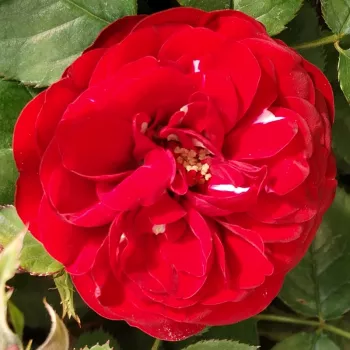
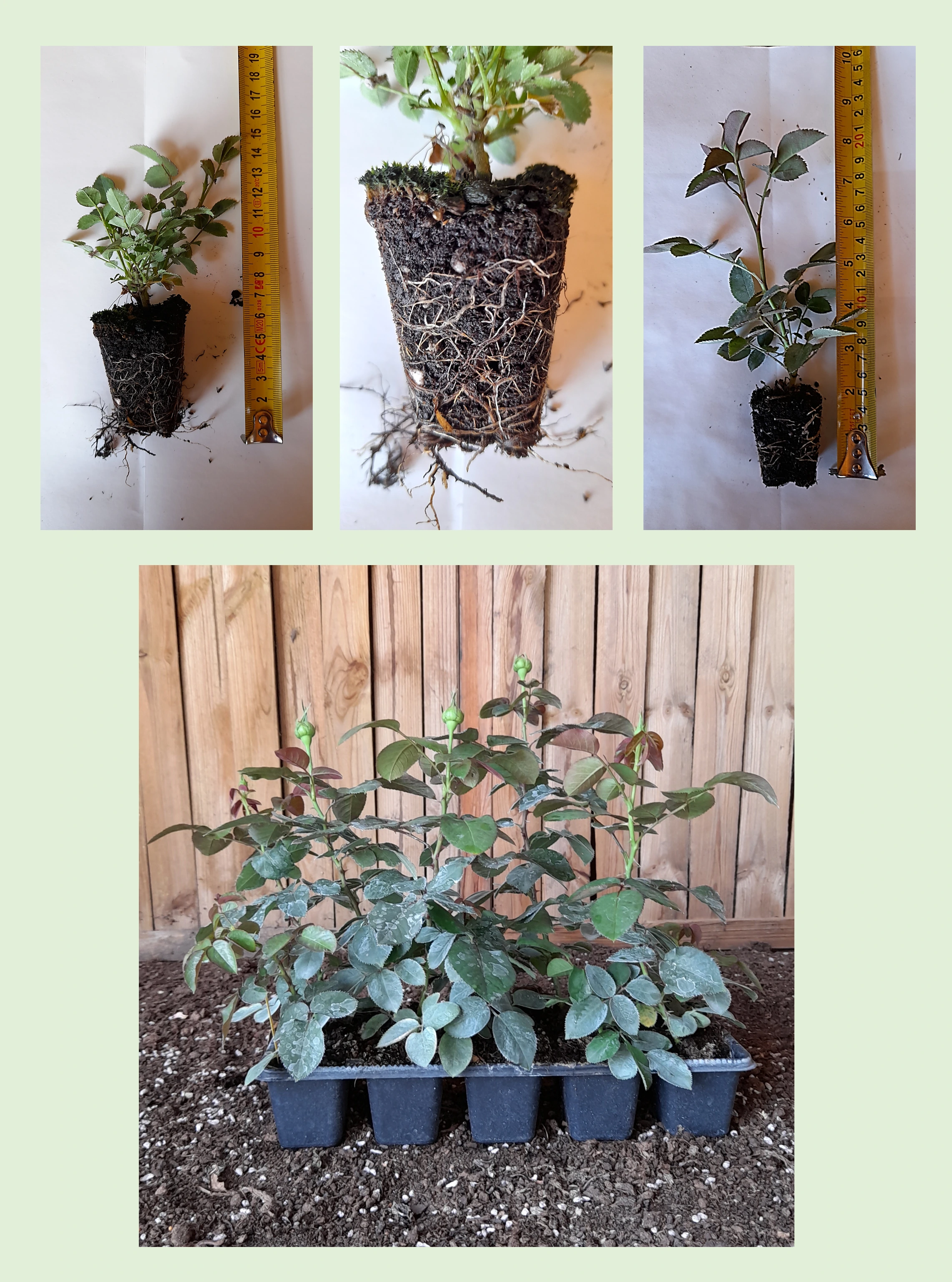
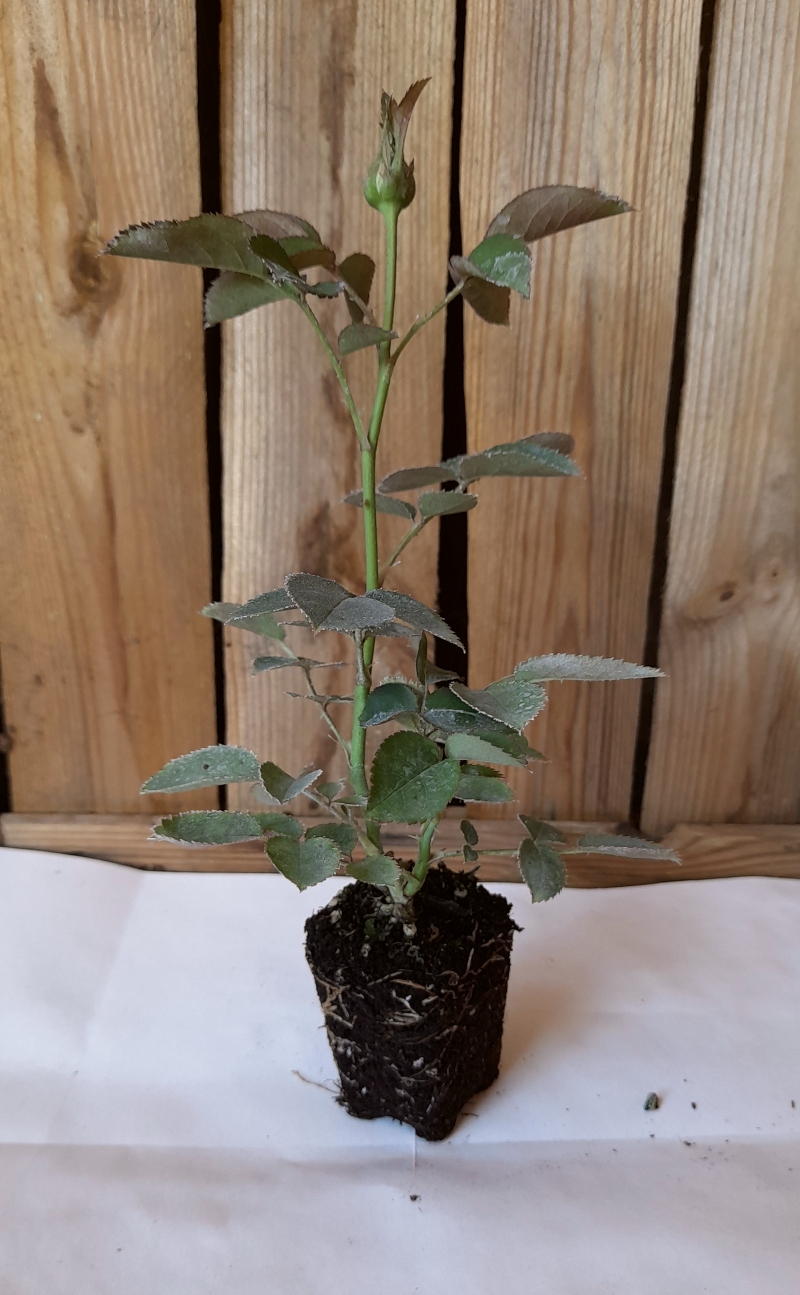
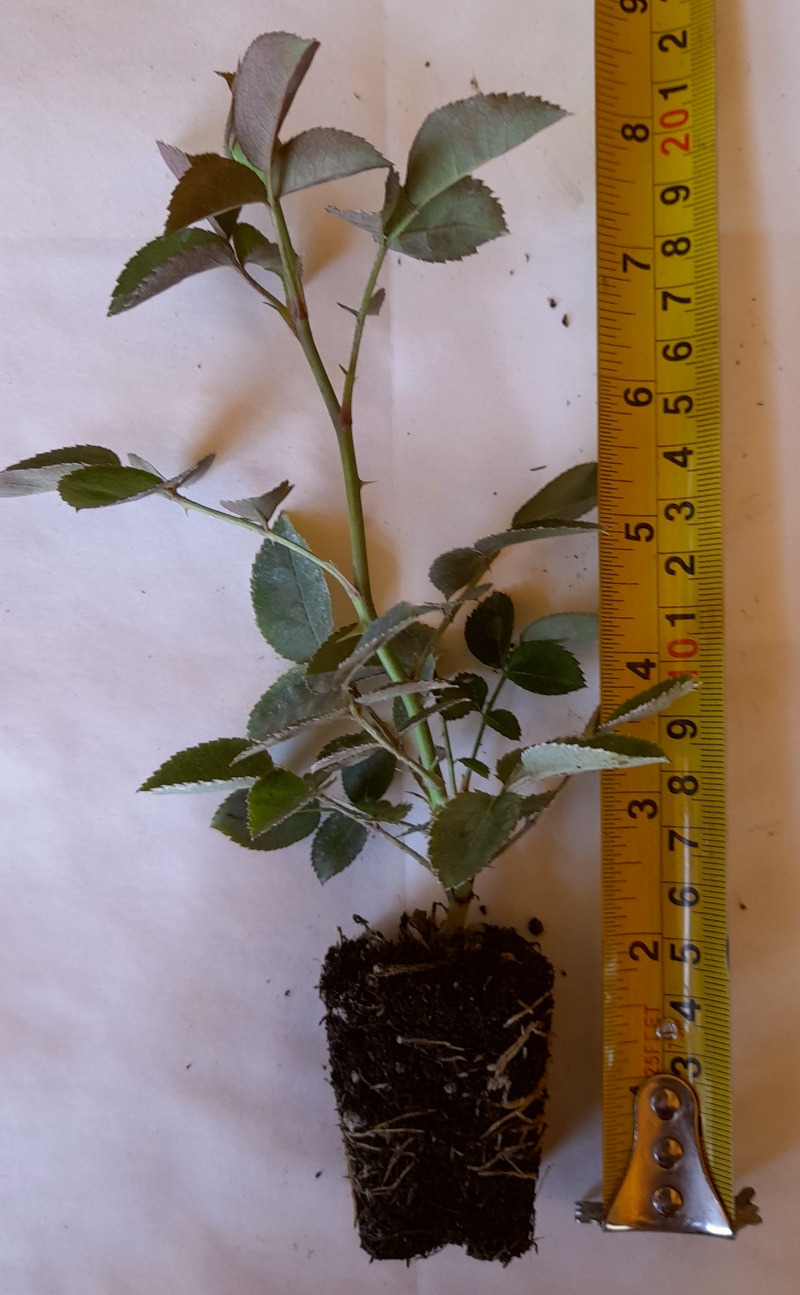
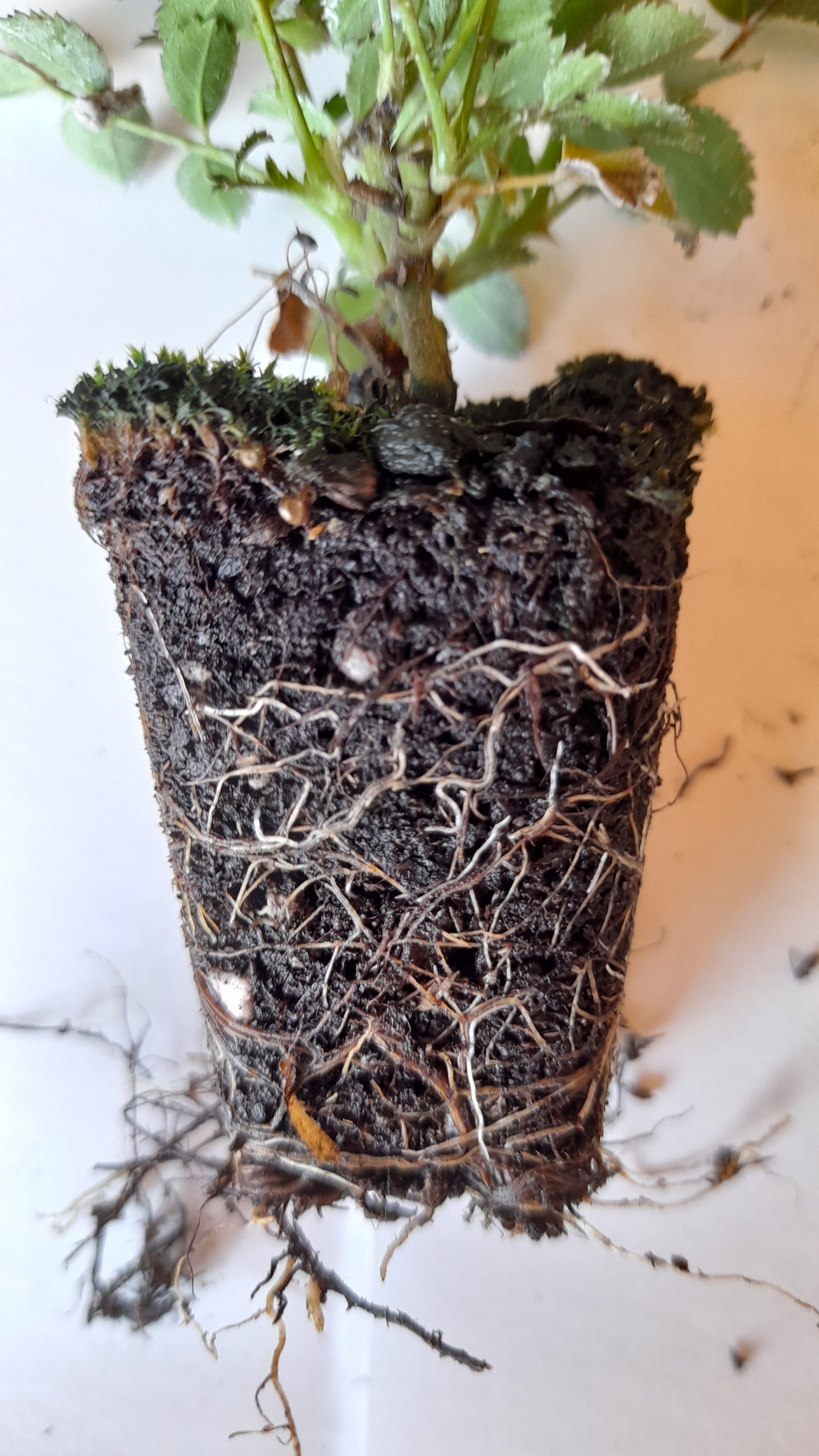
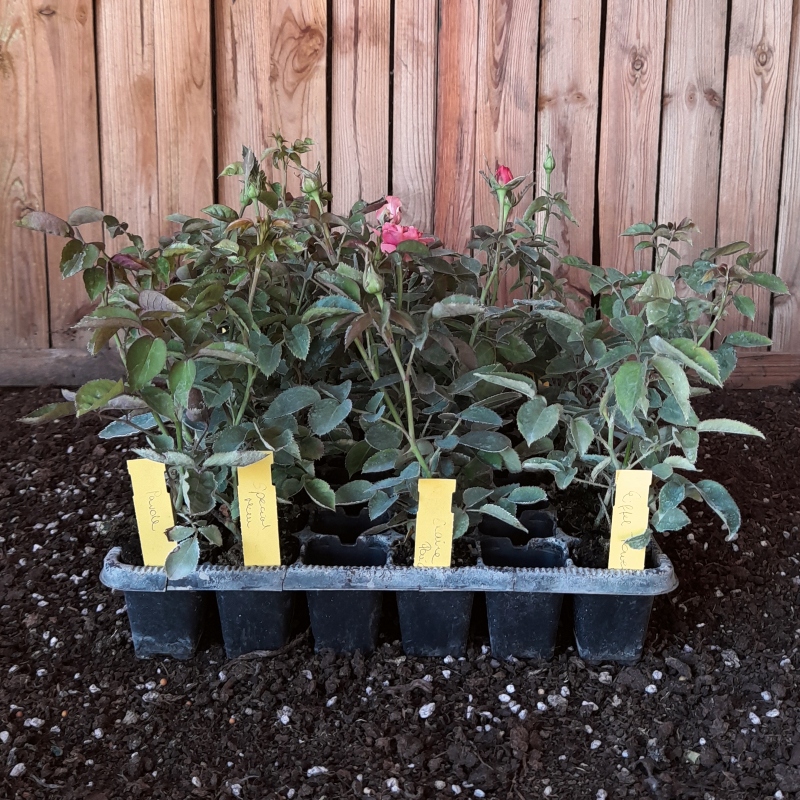
Uncle Walter – scarlet-red park rose rooted cutting
Vigorous growth, upright structure and dense, glossy foliage make Uncle Walter a dependable shrub for nursery beds and container production where a compact, bush-trained release form is required in 2–3 L standard containers, with scope for later training as a low climber for larger landscape formats. Its remontant flowering with abundant second flush supports reliable colour cover for retail and project timing, while the clustered inflorescences and high-centred scarlet blooms give a clear specimen character that translates well into a standard finished product line for reseller channels. As an own-root park rose, the material offers long-term regeneration and stand stability, reducing replacement in collection and public-realm style plantings, especially in sites that face cool, windy UK conditions and require steady performance over time. Strong resistance to powdery mildew and black spot with only moderate rust sensitivity keeps maintenance low at grow-on and in the landscape, while moderate self-cleaning is easily managed within routine pruning cycles. The velvety scarlet colour, moderate hip set and tall framework enable growers to build visually coherent lines for thematic rose gardens and specimen shrub ranges. Own-root propagation allows a clear development arc from roots in year one through structural shoot build-up in year two to full ornamental value from year three, supporting predictable scheduling and capacity planning for wholesale partners and nursery networks.
Usage options
Finished-product ideas
- 2–3 L Awarded Park Shrub Line – Bush-trained own-root plants in standard 2–3 L containers, highlighting awards and remontant flowering for reliable garden performance – retail and garden centre reseller channels.
- Tall Scarlet Specimen Shrub – Vigorous, upright shrubs grown on into 40–50 L pots for specimen use in thematic rose gardens and show displays, using own-root stability to support long-term planting schemes – public-realm and institutional buyers.
- Urban Low-Maintenance Park Range – Disease-resistant, dense-foliaged shrubs supplied in standard containers for urban green spaces and housing schemes where low intervention and predictable stands are essential – municipal and contractor frameworks.
- Dual-Purpose Shrub-Cut Assortment – High-centred, cluster-flowered shrubs positioned as garden and occasional cut-flower sources, using remontant flowering and tall structure to add value within premium bronze quality ranges – specialist nurseries and quality-led resellers.
- Collection and Propagation Stock Blocks – Own-root, authenticity-verified plants established as long-term mother blocks for ongoing cutting supply and gene-bank style cultivar collections – integrated nursery networks and wholesale propagation partners.
Technical cultivar profile
| Parameter |
Data |
| Name and registration |
Uncle Walter, park-shrub rose group, registered and introduced in 1962 with American Rose Society approved exhibition name Uncle Walter; commercial use within Park - shrub rose segment. |
| Origin and breeding |
Hybrid of ‘Detroiter’ × ‘Heidelberg’, bred by Samuel Darragh McGredy IV, Samuel McGredy & Son Nurserymen, Portadown, New Zealand, breeding year 1959, initially distributed from Northern Ireland. |
| Awards and recognition |
Holds Nord-Rose Award in Scandinavia and Gold Medal distinction from Copenhagen trials, supporting its positioning as a proven, reliable shrub rose for demanding climatic and quality expectations. |
| Growth and structural characteristics |
Upright, vigorous shrub reaching 240–340 cm height with 90–160 cm spread, moderately thorny, with dense, glossy, dark green foliage showing a bronze tinge; can be trained as a low climber when required. |
| Flower morphology |
Large L-sized, double, 26–39 petal flowers, high-centred cut-rose type with pointed buds, produced in clusters; remontant habit with abundant second flowering, supporting repeated decorative impact. |
| Colour data and phenology |
Deep, clear scarlet-red blooms, ARS MR, RHS 53A outer and 53B inner, velvety texture; colour darkens slightly towards crimson before fading moderately in strong sun, remaining rich and stable in cooler conditions. |
| Fragrance and aroma |
Fragrance is very weak and neutral in character, making the cultivar primarily an ornamental choice for colour and structure rather than scent-led plantings; double flowers offer only moderate pollinator attraction. |
| Hip characteristics |
Moderate production of bright red, ovoid hips, approximately 9–15 mm in diameter, offering seasonal interest after flowering where hips are not removed for maintenance or aesthetic reasons. |
| Resistance and winter hardiness |
Resistant to powdery mildew and black spot, moderate rust sensitivity, generally low maintenance; hardy to about -15 to -12 °C, RHS H6, Swedish Zone 2, USDA 7b, performing reliably in cool temperate climates. |
| Horticultural recommendations |
Suited to flower beds, cut-flower capable shrub plantings, specimen use and urban green spaces; best in standard containers, bush-trained compact form, with occasional rust protection and manual deadheading where needed. |
Uncle Walter offers vigorous upright structure, remontant scarlet display and disease-resilient, own-root longevity for predictable, low-replacement stands; we invite you to discuss volumes, timings and integration into your park-shrub production plans.