Historical Rose

20-746-1
20-746-2

Léda

Historic rose

- – -

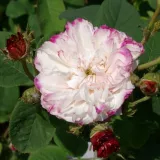
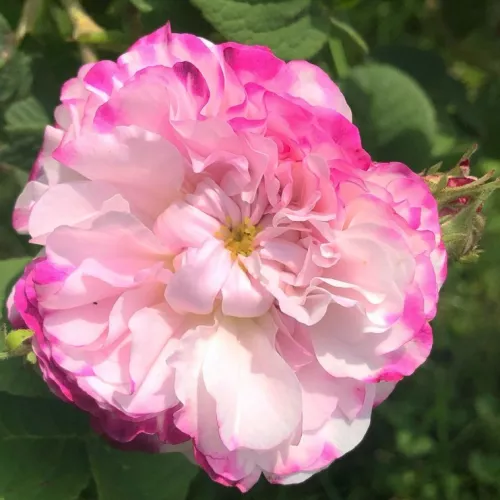
Its snow-white petals are edged with a raspberry-red border. - historical, damask rose - very strong, noticeable from afar scented rose - classic, rose-like character

– Strong, classic rose fragrance, very intense
– Distinctive white blooms edged raspberry red
– Reliable repeat flowering, richly remontant
– Healthy, hardy shrub tolerating cold and drought
– Attractive red hips with added autumn interest
– Special feature: Historic Damask rose from 1827, ideal for scent-filled heritage gardens.
Selection / specialty
Léda
pharmaROSA® NEONATAL rooted rose cutting
30,17 £
Due to courier service regulations – and the introduction of customs clearance – delivery to Ireland is temporarily suspended.
3 (4119)
facebook   twitter

LÉDA – white historic Damask rose – pharmaROSA® NEONATAL rooted cutting

Historic Damask fragrance remontant container premium collectors pollinators LÉDA offers a verified, own‑root propagation base for nurseries seeking stable production of a distinctive historic Damask shrub with very strong, classic rose scent and eye‑catching white flowers edged raspberry‑red. Its remontant, clustered, medium‑sized rosette blooms support repeatable flowering performance for premium, 5–7 L bush‑trained production with discreet support. Own‑root material underpins long‑term, renewable stock stands with predictable behaviour for thematic and collection plantings that must remain uniform over time. Well suited to premium container and specimen routes, it aligns with UK collector and fragrance‑garden expectations, including sites that reflect the North and Scotland’s need for robust winter and wind tolerance, while fitting into nursery and wholesale supply chains serving retail and specialist historic rose assortments; the typical development arc is roots in year one, structural framework in year two, and full ornamental expression from year three.


Usage options

Target area Reasoning
Premium 5–7 L historic shrub for fragrance-led ranges The very strong, classic rose fragrance allows you to position LÉDA as a premium, story-rich historic Damask in 5–7 L containers, matching the recommended premium container, specialty route. Own-root NEONATAL material supports reliable batch uniformity and medium-maintenance management for fragrance gardens and traditional-ambience retail collectors, ideal for nursery-wholesale assortments.
Historic collection blocks and thematic rose gardens As a Damask, LÉDA fits perfectly into historic, period or cultivar-collection plantings where authenticity and long-term stand stability are key. Bush-trained plants with discreet support in bed or field systems can be maintained with moderate plant protection, giving curators a dependable own-root base for show gardens centred on fragrance and heritage, targeting thematic-collection projects.
Fragrance-focused specimen and feature shrubs The upright, bushy 90–150 cm framework and dense grey-green foliage create a visually solid specimen that complements its intense scent. In 5–7 L premium containers, year-two and year-three plants develop into reliable feature shrubs that retail well as individual focal points for fragrance gardens, supporting a specialty, selection-driven channel for retail-collector clients.
Cut-flower stems from historic shrub production Clustered, medium-sized semi-double rosette blooms with striking white-and-raspberry bicolour lend themselves to occasional cut-flower use from container or bed-grown mother stock. Professional growers can integrate this into premium or niche heritage cut offers, while maintaining primary output as 5–7 L shrubs aligned with fragrance-focused, traditional-ambience positioning for specialist retailers.
Pollinator-accommodating historic rose plantings Semi-double flowers with exposed stamens make pollen and nectar accessible, increasing appeal in projects that must combine ornamental heritage value with pollinator support. This suits public or private fragrance gardens where ecological messaging matters, using premium container production as the main route and supporting public-realm and estate schemes.
Heat- and drought-tolerant container lines LÉDA’s good heat and drought tolerance is advantageous for UK South and drier sites, reducing stress losses in 5–7 L premium shrubs and during retail holding. Own-root resilience supports regeneration after temporary neglect, helping nurseries maintain predictable capacity in fragrance and historic-focused ranges for garden-centre distribution.
Cold-resilient stock for northern and exposed locations With hardiness down to about −32 to −29 °C (RHS H7, Swedish Zon 5, USDA 4b), LÉDA is technically suitable for colder, more exposed UK regions. This robustness underpins long-lived stock beds and container production that can serve northern outlets where reliable winter survival is expected, complementing historic and fragrance-led positioning for Scotland-North networks.
Decorative-hip seasonal extension in collections Ovoid red hips, 15–25 mm and moderately produced, offer an additional autumn-winter ornamental value for collection beds or larger containers, particularly where historic narratives and full-season interest are appreciated. This can support limited larger-pot (40–50 L) specimen production alongside the core 5–7 L line, aimed at show-garden and curator buyers.

Finished-product ideas

  • 5–7 L Premium Historic Damask Bush – Bush-trained with discreet support for a compact, upright, fragrant historic shrub; positioned as a premium container, specialty SKU for fragrance gardens and traditional ambience – target audience/channel: nurseries supplying specialist retail collectors.
  • Collection-Series Historic Damask Line – Use own-root LÉDA as a core cultivar in a labelled historic Damask series, grown in 5–7 L and focused on authenticity and strong scent – target audience/channel: thematic and show-garden curators and heritage-focused garden centres.
  • Fragrance-Garden Feature Specimen – Select the strongest, most uniform plants for 40–50 L tubs as high-impact entry or terrace features, emphasising very strong fragrance and bicolour character – target audience/channel: estates, boutique projects, and upmarket independent retailers.
  • Pollinator-Conscious Historic Shrub Offer – Market LÉDA within a semi-double, pollinator-accommodating historic shrub set, using uniform own-root 5–7 L plants and medium-maintenance guidance – target audience/channel: public-realm suppliers and environmentally profiled retail programmes.
  • Dual-Purpose Garden and Cutting Bush – Position 5–7 L LÉDA as a fragrant historic shrub that also yields occasional speciality stems, supporting value-add communication without changing the primary shrub route – target audience/channel: nurseries serving hobby florists and specialist rose collectors.

Technical cultivar profile
Parameter Data
Name and registration Damask historic shrub rose; current trade name LÉDA – white historic Damask rose; American Rose Society exhibition name Leda; collection: Historic rose; commercial group: Historical rose; registration data not provided.
Origin and breeding Historic United Kingdom Damask rose, bred around 1818 and in commerce before 1827; breeder, parentage and initial distributor are unknown or not provided; represents traditional Damask heritage with collected-origin status.
Awards and recognition Not provided.
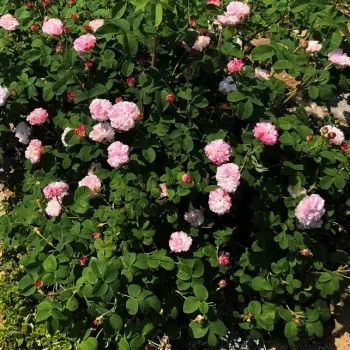
Growth and structural characteristics Upright, bushy shrub, approximately 90–150 cm high with 70–110 cm spread; dense, slightly glossy grey-green foliage and moderate prickliness; suited to bush training with discreet support for bed, container or specimen use.
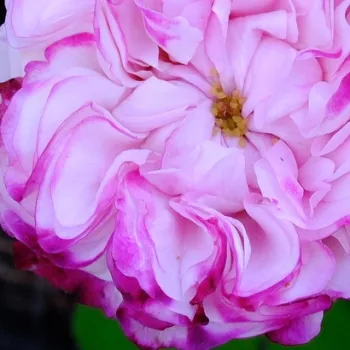
Flower morphology Semi-double rosette flowers in clusters, medium-sized (about 1.5–2.75 inches); 13–25 petals; remontant with abundant second flush; form and structure align with historic Damask aesthetic and fragrance-focused garden use.
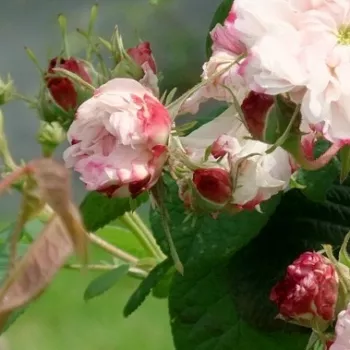
Colour data and phenology Snow-white petals edged raspberry-red; ARS white, RHS 155C and 57A; buds deep crimson with off-white tips, opening to pure white with vivid crimson edge, fading to milky off-white with a finer pinkish margin; very good colour retention.
Fragrance and aroma Very strong, classic rose fragrance, clearly noticeable from a distance; fragrance character aligned with traditional Damask scent, making the cultivar highly suitable for fragrance gardens and for adding olfactory impact to collections.
Hip characteristics Produces moderate quantities of decorative, ovoid red hips, approximately 15–25 mm in diameter; hips add autumn-winter interest for collection or specimen plantings and can be used to extend the visual season in display areas.
Resistance and winter hardiness Moderate resistance to powdery mildew, black spot and rust; good tolerance of heat and drought; winter hardiness around −32 to −29 °C, corresponding to RHS H7, Swedish Zone 5 and USDA Zone 4b; medium maintenance with occasional protection.
Horticultural recommendations Recommended as flowerbed, container, specimen and cut-flower shrub; suited to bush-trained production with discreet support, primarily in premium 5–7 L containers; maintenance requirement medium, with occasional plant protection advised.

LÉDA offers a strongly fragrant, visually distinctive historic Damask shrub on a predictable, regenerative own-root base, supporting durable, uniform stock and premium historic ranges; please feel free to discuss scheduling and capacity options with us.
Detailed product attributes

Product Identification Data

Product Name: LÉDA – white historic Damask rose
Product Type: pharmaROSA® NEONATAL - rooted rose cutting
Cultivar Authenticity: Verified:18.10.2025
Cultivar Quality Rating: premium gold
Item Number: [1054] 20-746 (14.02.2026) pharmarosaneonatal.co.uk

Name and Registration

Meaning of Cultivar Name: The name is a female given name.
Cultivar Synonym: Painted Damask; Painted Belgic
Current Trade Name: Léda Historic rose
Rose Group: Damask
Commercial Type: historical, damask rose
Commercial Group: Historical rose
Exhibition Category: historic shrub rose
Collection: Historic rose

Origin and Breeding

Introduction Year: 1827 (before 1827)
Registration Year: Data not available
Breeder: -
Breeding Company / Institution: unknown / no data
Breeding Year: United Kingdom, 1818
Parentage: unknown

Growth and Structural Characteristics

Height: 3-4.9ft (90-150 cm)
Spread: 2.3-3.6ft (70-110 cm)
Growth Habit: upright, bushy
Foliage: The variety has dense foliage. Its leaves have a slightly glossy surface and a grey-green hue.
Prickliness: moderately thorny
Self-Cleaning Description: No information available on self-cleaning.
Self-Cleaning Intensity: No data on self-cleaning strength.

Flower Morphology

Petal Count: 13-25
Flower Fullness: semi-double
Flower Shape: rosette
Flower Size: M (1,5-2,75 in)
Inflorescence Type: clustered
Colour Code: ARS code: W RHS code: 155C, 57A
Repeat Flowering: It is remontant; its second flowering is also abundant.

Colour Data and Phenology

Colour: white
Flower Colour Description: Its snow-white petals are edged with a raspberry-red border.
Closed Bud: Deep crimson buds with a delicate off‑white tint at their tips.
Newly Opened Flower: The inner surface is pure white, with a vivid crimson-red outline appearing along the edges.
Full Bloom: The white surface fades to milky white, while the carmine-red edge softens into a thin stripe.
Before Fading: The red edging fades to pink and the centres of the petals take on an off‑white shade.
Colour Fading Description: As the flower opens, the white surface fades to milky white and then to a slightly off‑white, while the red margin thins and fades to a pinkish colour.

Fragrance and Aroma

Fragrance Strength: very strong, noticeable from afar scented rose
Fragrance Character: classic, rose-like character
Pollinator Attraction: Roses with easily accessible stamens — typically single or semi‑double flower forms rather than fully double blooms — strongly attract pollinators because exposed stamens provide direct access to pollen and nectar.
Pollinator-Friendly Rating: Despite its semi-double flowers, the stamens are easily accessible, so it attracts pollinators well; overall a partly pollinator-friendly variety.

Hip Characteristics

Hip Shape: egg-shaped
Hip Colour: red
Hip Comment: Ovoid red rose hips formed in moderate quantities, 15–25 mm in diameter; decorative value.

Resistance and Hardiness

Hardiness (°C): -32–-29 °C
Heat and Drought Tolerance Description: Tolerates heat well and has good drought tolerance.
Disease Resistance: moderate
  • powdery mildew – moderate
  • black spot – moderate
  • rust – moderate

Horticultural Recommendations

Recommended product path: Premium container, specialty
Release form: Bush-trained + discreet support
Recommended use: Maintenance requirement medium; occasionally requires plant protection.
Primary Uses: flowerbed, container, specimen, cut flower

Comments

Positioning: Selection / specialty
Target customer/channel: Retail/collector
Main value proposition: Fragrance garden and traditional ambiance
LÉDA – white historic Damask rose
Its snow-white petals are edged with a raspberry-red border. - historical, damask rose - very strong, noticeable from afar scented rose - classic, rose-like character
Rose Shopping Online - white - very strong, noticeable from afar scented rose - Léda - historical, damask rose - (3-4.9ft (90-150 cm))
Inflorescence: clustered Height: 3-4.9ft (90-150 cm) Flower shape: rosette Winter hardiness: 7b white - - historical, damask rose - Flower size: M (1,5-2,75 in) Flower size: M (1,5-2,75 in) - Height: 3-4.9ft (90-150 cm) Height: 3-4.9ft (90-150 cm) - Flower fullness: semi-double Léda - Roses in the garden | pharmaROSA® Neonatal - premium gold -

We showcase the external appearance of the roses available for online purchase from our webshop.


Which product type is right for you?


PharmaRosa® NEONATAL is the cost‑effective starting point for rose product production.

As a uniform, own‑rooted propagation material, it provides a stable basis for further growing-on and can be integrated flexibly into different finished product production technologies.
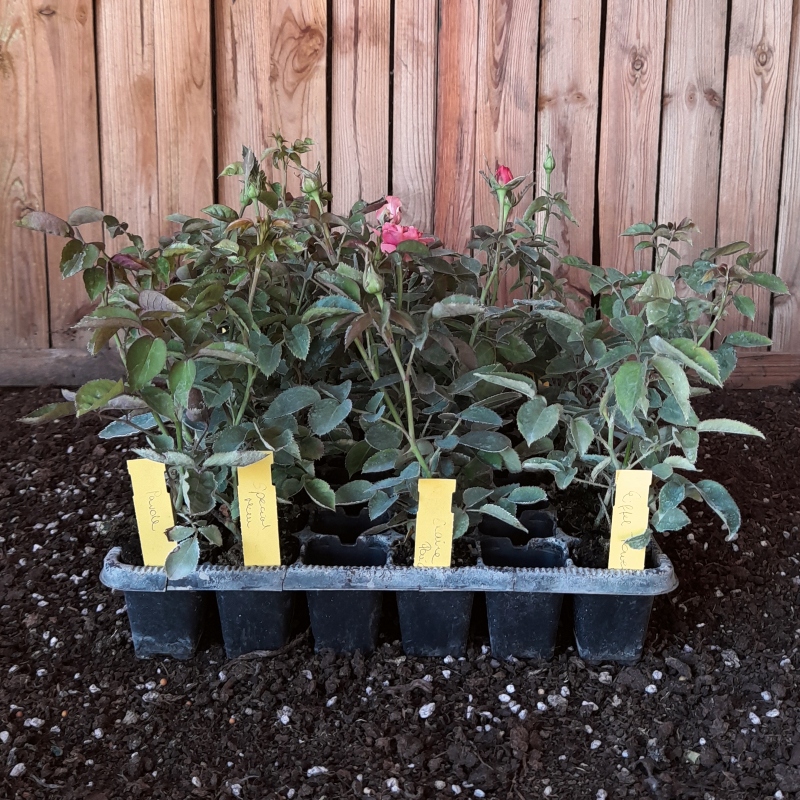
Rooted in trays (rooted), 3–6‑month‑old, own‑rooted rose cutting.
Uniform developmental stage, with a root system that has thoroughly penetrated the plug.
For professional growing‑on.
Tray packaging: 10 pcs/tray.
Quality and varietal identity: production supported by a dedicated identification and traceability logic.
Can be transplanted during frost‑free periods, designed for finished product production.

PharmaRosa® NEONATAL provides a controlled, uniform starting stock for planned growing‑on that can be integrated into your own technology – especially where scheduling and varietal identity are paramount.


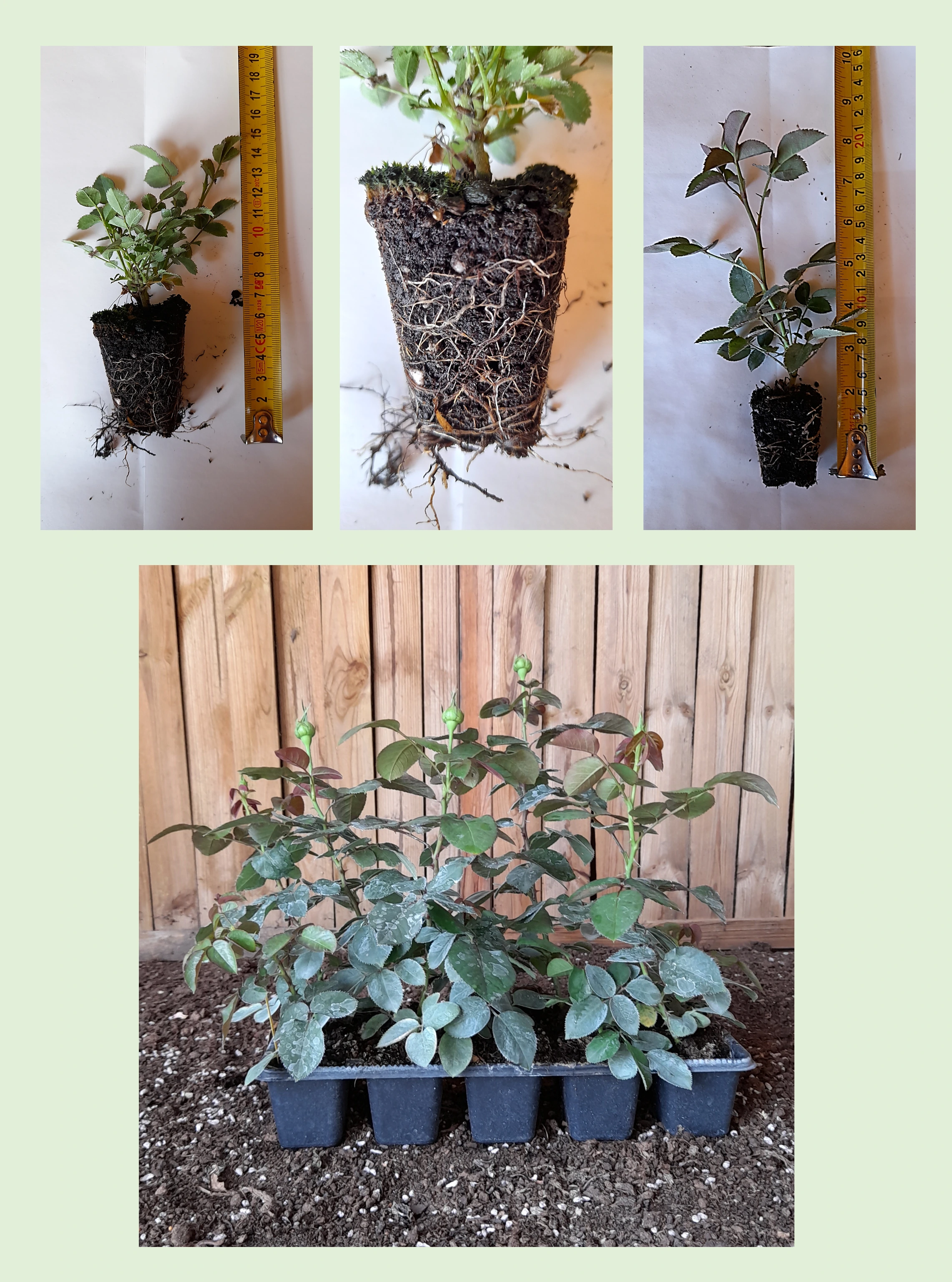
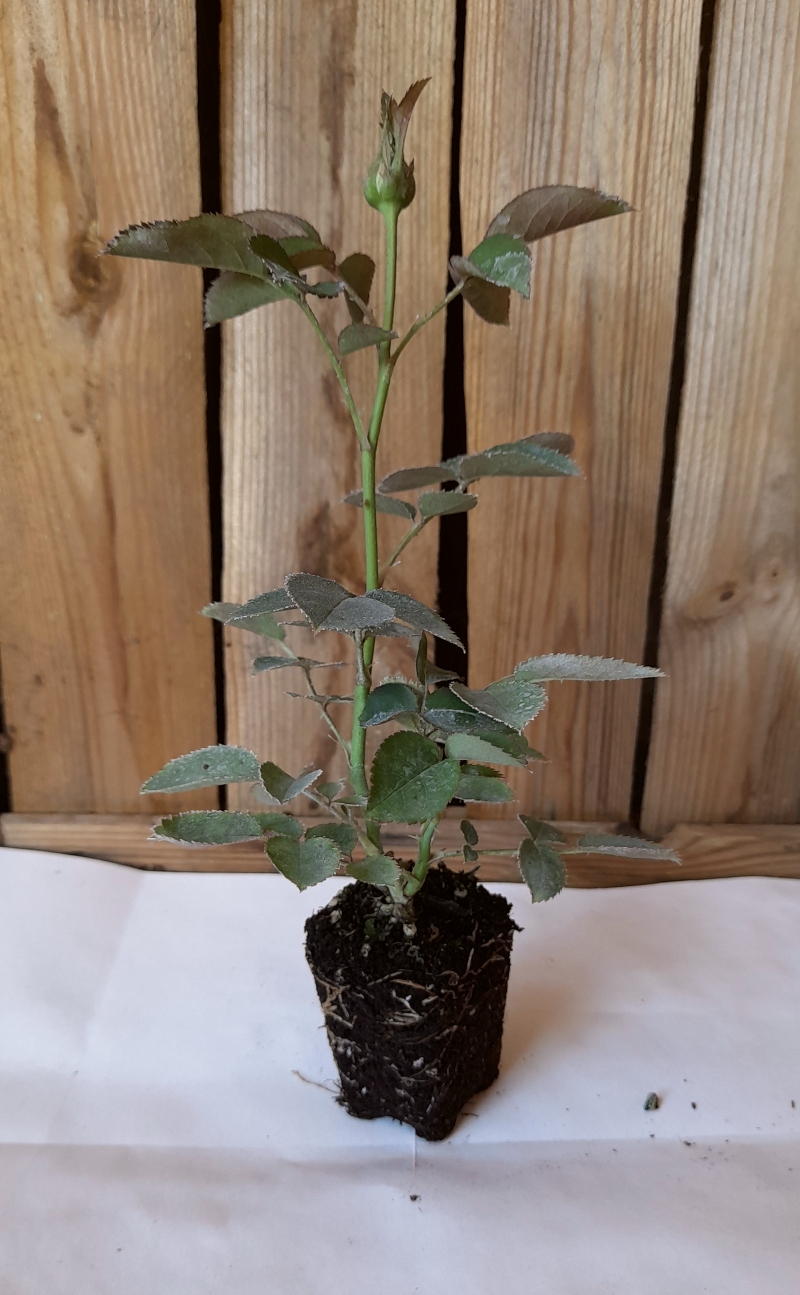
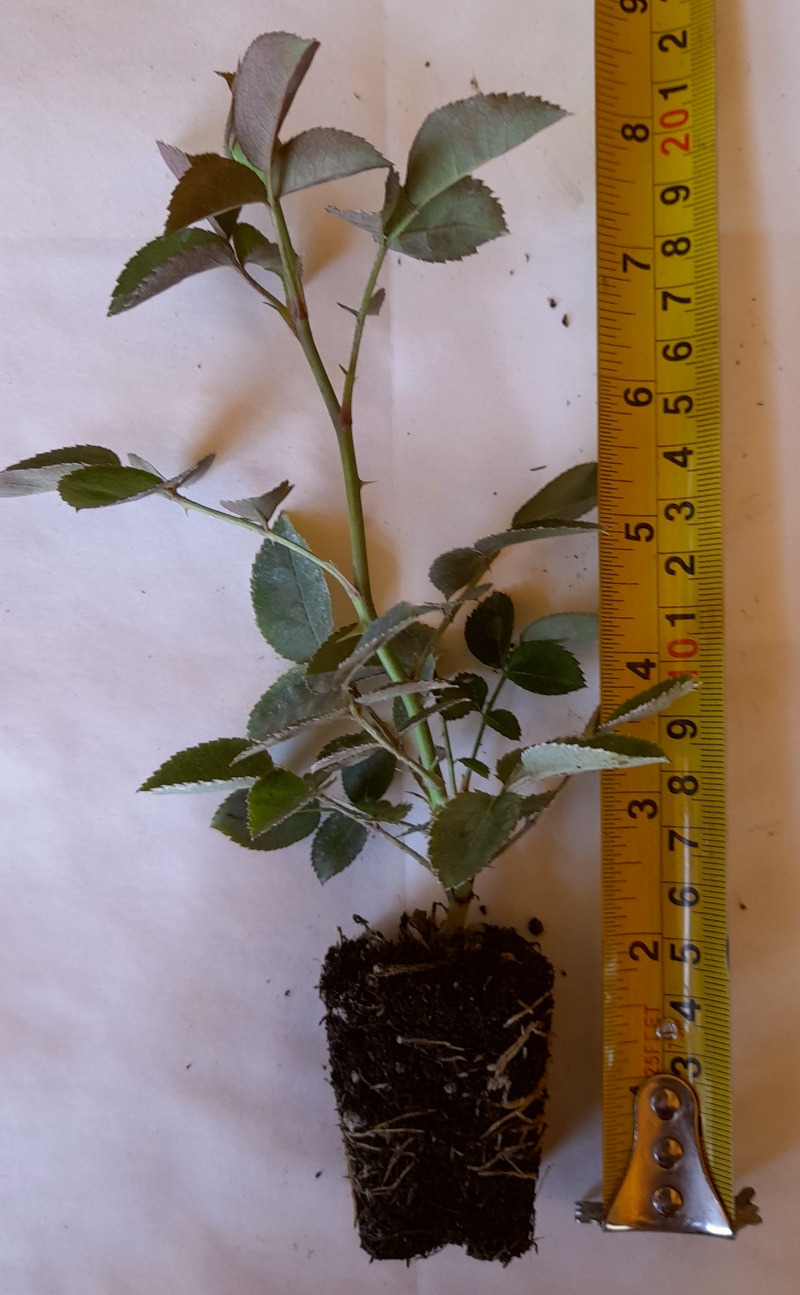
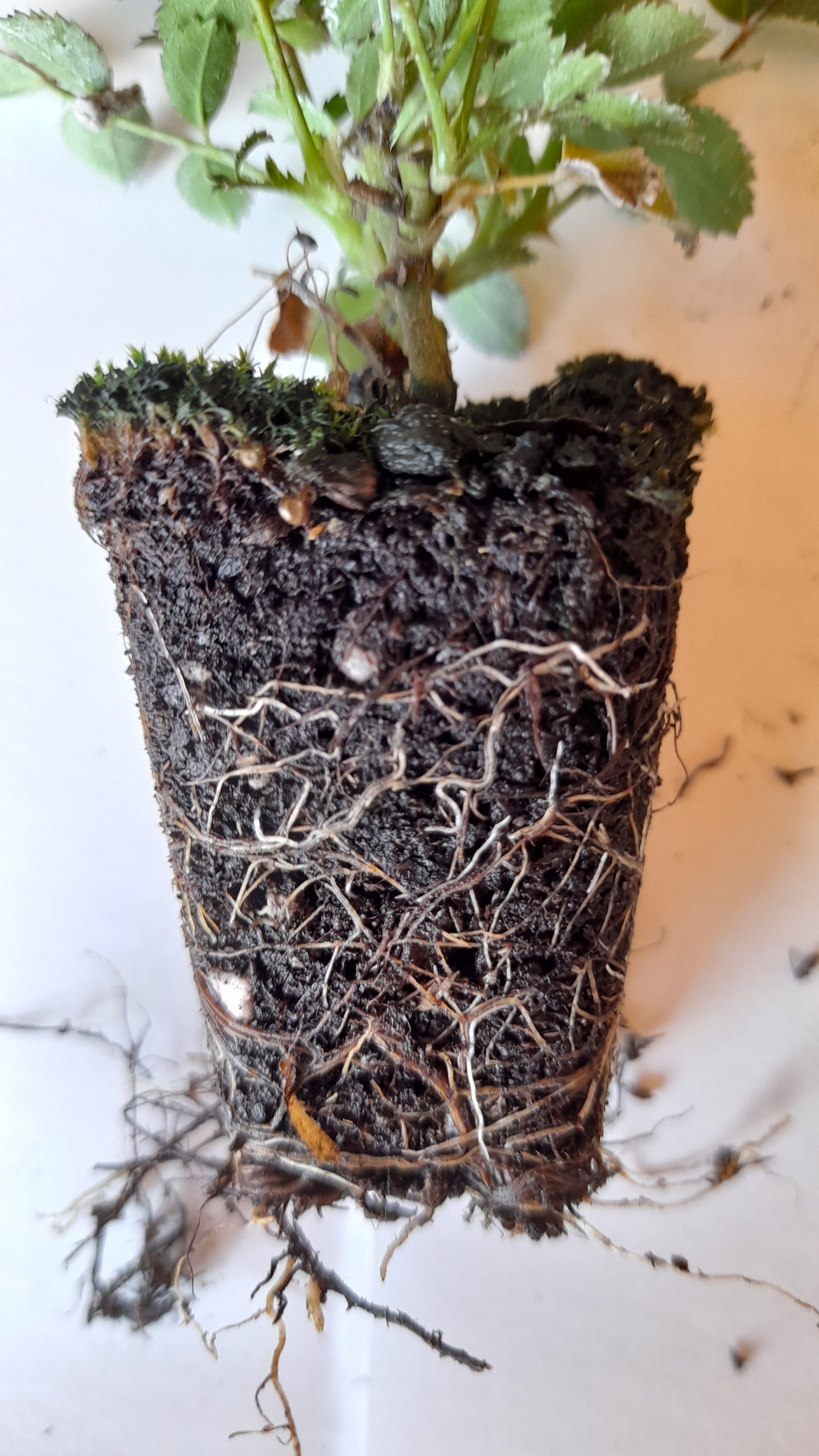
PharmaRosa® NEONATAL own-rooted rose propagation material in a plug, with a root system penetrating the plug (semi-finished product / semi-finished rose). PharmaRosa® NEONATAL rose propagation material size: 3–6‑month‑old, own-rooted cutting with a uniform developmental stage. PharmaRosa® NEONATAL rose propagation material root system: plug densely penetrated by well-developed white roots (root system detail). PharmaRosa® NEONATAL tray stock: own-rooted rose propagation material in trays, uniform developmental stage (10 pcs/tray).

Captions (from left to right): Semi-finished product (NEONATAL own-rooted rose propagation material in a plug with a fully developed root system) • Size demonstration (3–6‑month‑old, uniform cutting) • Root system detail (plug penetrated by the root system) • Tray stock (10 pcs/tray, uniform developmental stage)

pharmarosaneonatal.hupharmarosaneonatal.atpharmarosaneonatal.co.ukpharmarosaneonatal.czpharmarosaneonatal.depharmarosaneonatal.ropharmarosaneonatal.sipharmarosaneonatal.skpharmarosaneonatal.itpharmarosaneonatal.frpharmarosaneonatal.nlpharmarosaneonatal.plpharmarosaneonatal.lupharmarosaneonatal.ptpharmarosaneonatal.espharmarosaneonatal.ltpharmarosaneonatal.sepharmarosaneonatal.lvpharmarosaneonatal.eepharmarosaneonatal.fi

Which product type is right for you?

Pages for private customers
Garden roses for the family garden, with minimal care  → ORIGINAL®
Premium garden roses – instant impact, a truly showpiece garden  → EXTRA®
Pages for professionals and private customers
Roses for public spaces – large areas, sustainable maintenance  → NATURAL®
Roses for projects – hedge and row planting, fast implementation  → RAPID®
For professional partners only
Production – propagation material for garden roses, wholesale  → NEONATAL®

Company details

PharmaRosa Ltd.
Company registration number: 01-09-717479
VAT number: 13075314-2-43
Plant health registration no.: HU130721
Bank account (IBAN):
HU85117631891388688400000000
BIC (SWIFT): OTPVHUHB
Bank name: OTP Bank Nyrt.