Bedding rose

21-597-1
21-597-2

Violet Valeda

Valeda®

RUIrj0110A – De Ruiter Innovations B.V.

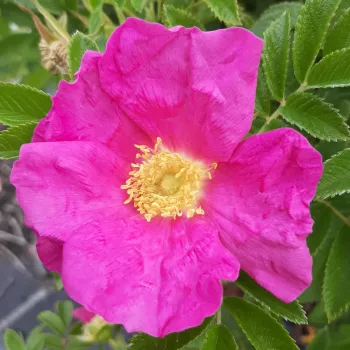
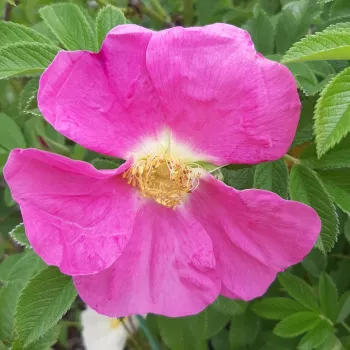
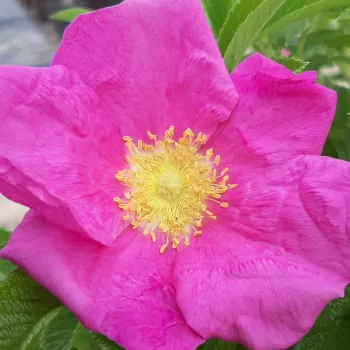
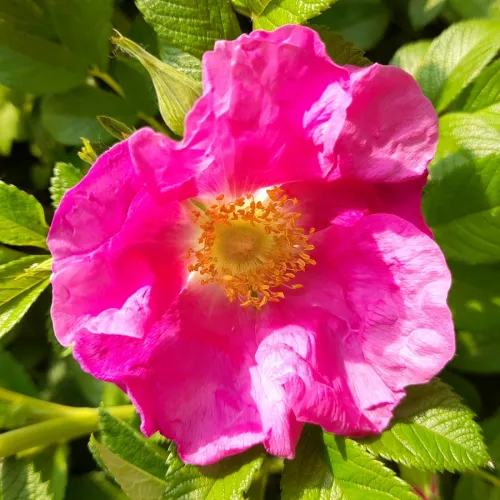
The petals shine in a saturated, cool-toned purple-lilac colour with a slight bluish tint. - landscape shrub rose - moderately strong, pleasantly noticeable scented rose - classic, rose-like character

– Vivid violet-purple blooms with silvery sheen.
– Compact, dense shrub for beds and hedges.
– Excellent disease and winter hardiness.
– Strongly attracts bees and other pollinators.
– Abundant rose hips rich in vitamin C.
– Special feature: Ideal for low‑maintenance mass plantings, thriving even in heat, wind and moderate drought.
Project (landscape architecture / mass use)
Violet Valeda
pharmaROSA® NEONATAL rooted rose cutting
28,30 £
Due to courier service regulations – and the introduction of customs clearance – delivery to Ireland is temporarily suspended.
4.5 (6649)
facebook   twitter

Violet Valeda Valeda® RUIrj0110A – pharmaROSA® NEONATAL rooted cutting

Uniformity in Violet Valeda makes it a reliable choice for tray-rooted own-root production aimed at mass landscape and project planting, where fast, even coverage in 1.5–2 L lines is expected. Its compact, bushy habit, dense dark foliage and mid-height structure give nurseries a predictable, repeatable form that finishes cleanly as a dense, bush-trained hedge or border element. With strong disease resistance, low maintenance needs and tolerance of urban heat, moderate drought and salty, windy sites, it suits UK nursery networks supplying exposed municipal and coastal schemes where winters and winds can be severe. The remontant, clustered, violet-purple flowers and attractive orange-red hips, produced in quantity, add multi-season interest and pollinator value, while the own-root NEONATAL format supports long-lived, renewable stands that mature from root establishment to full ornamental performance over three growing seasons.


Usage options

Target area Reasoning
Project mass planting for fast ground coverage The compact, bushy habit with dense foliage supports quick, even canopy closure in project mass planting beds, aligning with the recommended 1.5–2 L route and uniform, bush-trained release form to deliver fast coverage and uniformity in thematic rose gardens or dedicated project collections for landscape contractors
Low-input urban and municipal schemes Excellent resistance to powdery mildew, black spot and rust, combined with low maintenance needs and minimal pruning and feeding, reduces service visits in urban green spaces; own-root material underpins long-lived, stable beds, ideal for public-realm and institutional schemes supplied via project-focused wholesale for municipal buyers
Coastal and exposed landscape projects Good tolerance of heat, moderate drought and salty, windy conditions helps maintain ornamental value in exposed, coastal or roadside sites; when grown on from NEONATAL cuttings into dense, bush-trained plants, this supports dependable performance in UK schemes where winters and winds can be severe, attractive for public-realm specifiers
Pollinator-supporting rose and shrub collections The single, 5–12-petalled open flowers with freely accessible stamens make this cultivar strongly pollinator-attractive, enhancing the functional value of rose collections; using 1.5–2 L bush-finished plants within thematic rose gardens or show plantings links biodiversity aims with reliable uniformity for environmental project leads
Season-extended park and estate plantings Remontant flowering with an abundant second flush, followed by heavy hip production, extends visual interest beyond peak bloom; growers can schedule batches of uniform, bush-trained stock to give parks, estates and institutional landscapes an extended display window, supporting curated rose collections for estate managers
Edible and utility planting with hip harvest Large, spherical, orange-red hips with high vitamin C content and defined September–October harvest potential open options for projects combining ornament and light utility cropping; producing consistent, 1.5–2 L finished plants simplifies specification for rose-based utility beds in public or private institutional schemes for horticultural planners
Container production for structured shrub blocks The compact spread and 60–85 cm height suit systematic container production, including larger 40–50 L blocks for structural planting in parks and commercial sites; own-root, low-input behaviour supports stable, long-term stock beds that move from root establishment through shoot build-up to full display value over three seasons for wholesale nurseries
Colour-themed violet planting concepts The saturated violet-purple to smoky mauve-lilac colour range, with a subtle silvery sheen at fade, suits colour-themed borders and bed schemes; producing uniform, bush-trained plants in 1.5–2 L containers allows wholesalers to offer predictable violet landscape lines as part of curated rose assortments for project specifiers

Finished-product ideas

  • Violet Valeda Mass Bed Line – 1.5–2 L, uniform bush-trained shrubs for project mass planting, leveraging compact habit and disease resistance – landscape contractor and project wholesaler ranges
  • Urban Pollinator Rose Block – 1.5–2 L trays of own-root plants positioned for low-input, pollinator-friendly urban beds, built on open flowers and low maintenance – municipal and public-realm supply
  • Coastal Violet Shrub Module – container-grown blocks using 2 L and selected 40–50 L units for exposed or coastal schemes, based on tolerance of heat, drought and salty, windy sites – coastal project specifiers
  • Hip Harvest Hedge Unit – 2 L hedge or strip-planting modules emphasising heavy, vitamin C-rich hip production and compact structure for edible-utility rose projects – estate and institutional buyers
  • Thematic Violet Collection Slot – 1.5–2 L finished shrubs as part of curated violet-purple rose assortments, using remontant flowering and strong foliage for display continuity – show garden and thematic collection programmes

Technical cultivar profile
Parameter Data
Name and registration Collection Valeda; shrub, Hybrid Rugosa, landscape shrub rose in the bed rose group; registered as RUIrj0110A, marketed as Violet Valeda Valeda® RUIrj0110A for professional use.
Origin and breeding Bred and introduced by De Ruiter Innovations B.V. in the Netherlands; parentage unpublished but linked to ‘Snow Pavement’, ‘Louise Bugnet’ and ‘Short Track’, indicating robust landscape shrub breeding.
Awards and recognition not provided
Growth and structural characteristics Compact, bushy shrub 60–85 cm high and 50–75 cm wide, with dense, glossy dark green foliage and moderate prickliness; moderately self-cleaning, with spent blooms persisting until hips develop.
Flower morphology Single, flat flowers with 5–12 petals produced in clusters, medium-sized at approximately 1.5–2.75 inches, delivering a simple, open presentation well suited to landscape and pollinator roles.
Colour data and phenology Crimson-lilac, cool violet to purple-lilac tones, RHS 75A outer and 75B inner; colour fades through mid-purple to smoky mauve-lilac with a slight silvery sheen as blooms age, with generally poor colour retention.
Fragrance and aroma Moderately strong, pleasantly noticeable scent with a classic rose-like character; simple flowers with exposed stamens provide accessible pollen and nectar, increasing their functional presence in plantings.
Hip characteristics Produces numerous spherical orange-red hips 20–30 mm in diameter; hips have high vitamin C content and are suitable for further use, with an expected harvest period from September to October in suitable conditions.
Resistance and winter hardiness Highly cold hardy to approximately –37 to –34 °C, with RHS H7 and Swedish Zone 6; resistant to powdery mildew, black spot and rust, and tolerant of heat, moderate drought, salty and windy exposure.
Horticultural recommendations Designed for flower beds, borders, hedges, shrub groups, parks, urban green and cut flower use; low maintenance with minimal pruning and feeding, best finished as uniform, dense, bush-trained plants for project mass planting.

Violet Valeda Valeda® RUIrj0110A combines compact, uniform structure, strong disease resistance and high-hip, pollinator-friendly value on a durable own-root base that supports predictable long-term stands; we would be pleased to discuss volumes and scheduling with you.
Detailed product attributes

Product Identification Data

Product Name: VIOLET VALEDA – violet-purple landscape shrub rose - De Ruiter
Product Type: pharmaROSA® NEONATAL - rooted rose cutting
Cultivar Authenticity: Verified:07.11.2025
Cultivar Quality Rating: premium bronze
Item Number: [1587] 21-597 (14.02.2026) pharmarosaneonatal.co.uk

Name and Registration

Meaning of Cultivar Name: "Valeda" is the series' trade name, while "Violet" refers to the flower's violet-purple colour.
Original Trade Name: Violet Valeda®
Current Trade Name: Violet Valeda Valeda® RUIrj0110A
Rose Group: Shrub, Hybrid Rugosa
Commercial Type: landscape shrub rose
Commercial Group: Bed rose
Exhibition Category: shrub rose
Collection: Valeda®

Origin and Breeding

Initial Distributor: De Ruiter Innovations B.V. (Netherlands)
Introduction Year: 2019 (according to reports the cultivar was already commercially available by then)
Registration Year: Information not available
Breeder: De Ruiter Innovations B.V.
Breeding Company / Institution: De Ruiter Innovations B.V. (Amstelveen, the Netherlands)
Parentage: unpublished; ‘Snow Pavement’ × ‘Short Track’; ‘Louise Bugnet’ × ‘Short Track’; presumably ‘Short Track’

Growth and Structural Characteristics

Height: 2-2.8ft (60-85 cm)
Spread: 1.6-2.5ft (50-75 cm)
Growth Habit: compact, bushy
Foliage: The variety has dense foliage, with leaves that are glossy and dark green in colour.
Prickliness: moderately thorny
Self-Cleaning Description: After the spent flowers, large red-orange rose hips develop; the flower heads do not fall off immediately.
Self-Cleaning Intensity: Self-cleaning: moderate.

Flower Morphology

Petal Count: 5–12
Flower Fullness: single-flowered
Flower Shape: flat
Flower Size: M (1,5-2,75 in)
Inflorescence Type: clustered
Colour Code: ARS code: M RHS code: 75A (outer), 75B (inner)
Repeat Flowering: Remontant, producing an abundant second flowering.

Colour Data and Phenology

Colour: crimson-lilac
Flower Colour Description: The petals shine in a saturated, cool-toned purple-lilac colour with a slight bluish tint.
Closed Bud: Deep, dark purplish-violet surface, with a bluish sheen at the tip.
Newly Opened Flower: Vivid, cool violet colour with slightly lighter reflections in the centre of the inner petals.
Full Bloom: Uniform, mid-toned purple, slightly paler around the stamens.
Before Fading: Fades to a smoky mauve-lilac shade with a delicate silvery sheen.
Colour Fading Description: As the bloom opens it fades from dark crimson‑lilac, through bright violet to a mid‑toned purple‑lilac, then just before senescence to a smoky mauve‑lilac with a subtle silvery sheen.

Fragrance and Aroma

Fragrance Strength: moderately strong, pleasantly noticeable scented rose
Fragrance Character: classic, rose-like character
Pollinator Attraction: The single (simple) flowers with 5–12 petals strongly attract pollinators, as their open bloom form and freely accessible stamens make nectar and pollen easy to reach.
Pollinator-Friendly Rating: Simple, 5–12-petalled open flowers make it particularly pollinator friendly; it strongly attracts pollinators.

Hip Characteristics

Hip Shape: spherical
Hip Colour: orange-red
Hip Comment: Its rose hips, produced in large quantities, have a high vitamin C content and are suitable for further use. The expected harvest time for the rose hips is September–October.

Resistance and Hardiness

Hardiness (°C): -37–-34 °C
Heat and Drought Tolerance Description: It tolerates heat and moderate drought well and is also tolerant of salty, windy conditions.
Disease Resistance: resistant
  • powdery mildew – resistant
  • black spot –resistant
  • rust – resistant

Horticultural Recommendations

Recommended product path: Project mass planting
Release form: Uniform, dense, bush-trained finished product
Recommended use: Maintenance requirement low; requires minimal pruning and feeding.
Primary Uses: flower bed, border, hedge, shrub group, park, urban green space, cut flower

Comments

Positioning: Project (landscape architecture / mass use)
Target customer/channel: Landscape contractor, project-serving wholesaler / maintenance
Main value proposition: Fast coverage – uniformity
VIOLET VALEDA – violet-purple landscape shrub rose - De Ruiter
The petals shine in a saturated, cool-toned purple-lilac colour with a slight bluish tint. - landscape shrub rose - moderately strong, pleasantly noticeable scented rose - classic, rose-like character
Rose Shopping Online - crimson-lilac - moderately strong, pleasantly noticeable scented rose - Violet Valeda - landscape shrub rose - (2-2.8ft (60-85 cm))
Inflorescence: clustered Height: 2-2.8ft (60-85 cm) Flower shape: flat Winter hardiness: 5b crimson-lilac - De Ruiter Innovations B.V. (Netherlands) landscape shrub rose - Flower size: M (1,5-2,75 in) Flower size: M (1,5-2,75 in) - Height: 2-2.8ft (60-85 cm) Height: 2-2.8ft (60-85 cm) - Flower fullness: single-flowered Violet Valeda - Roses in the garden | pharmaROSA® Neonatal - premium bronze De Ruiter Innovations B.V.

We showcase the external appearance of the roses available for online purchase from our webshop.


Which product type is right for you?


PharmaRosa® NEONATAL is the cost‑effective starting point for rose product production.

As a uniform, own‑rooted propagation material, it provides a stable basis for further growing-on and can be integrated flexibly into different finished product production technologies.
Rooted in trays (rooted), 3–6‑month‑old, own‑rooted rose cutting.
Uniform developmental stage, with a root system that has thoroughly penetrated the plug.
For professional growing‑on.
Tray packaging: 10 pcs/tray.
Quality and varietal identity: production supported by a dedicated identification and traceability logic.
Can be transplanted during frost‑free periods, designed for finished product production.

PharmaRosa® NEONATAL provides a controlled, uniform starting stock for planned growing‑on that can be integrated into your own technology – especially where scheduling and varietal identity are paramount.


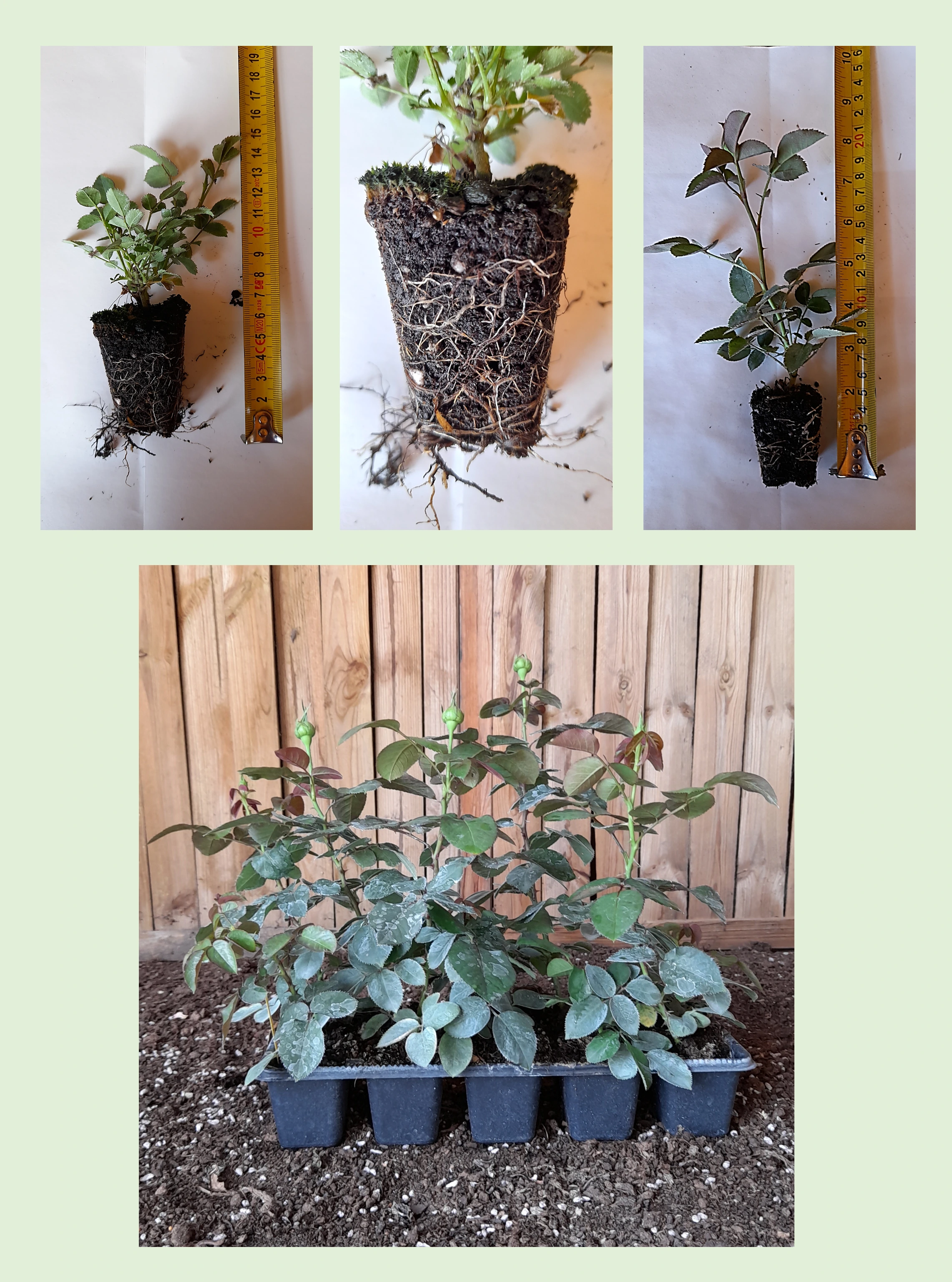
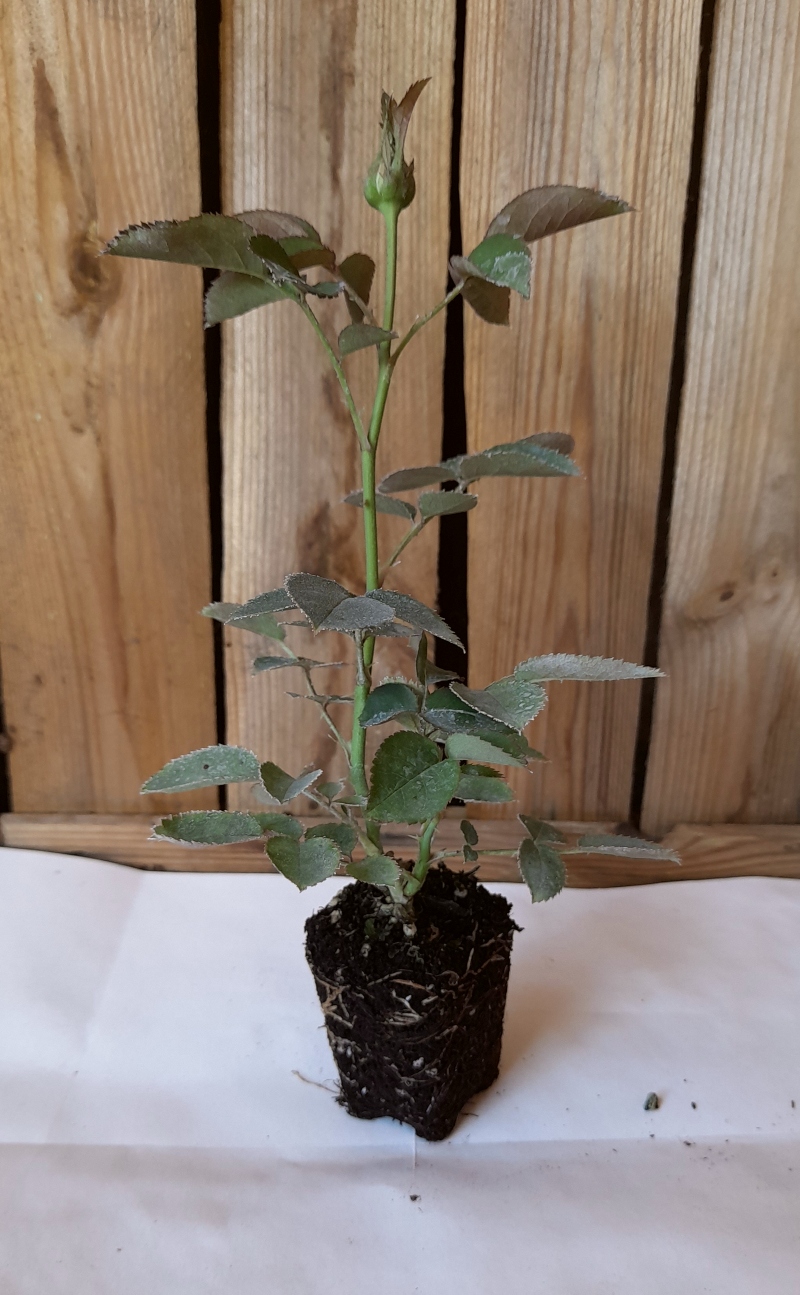
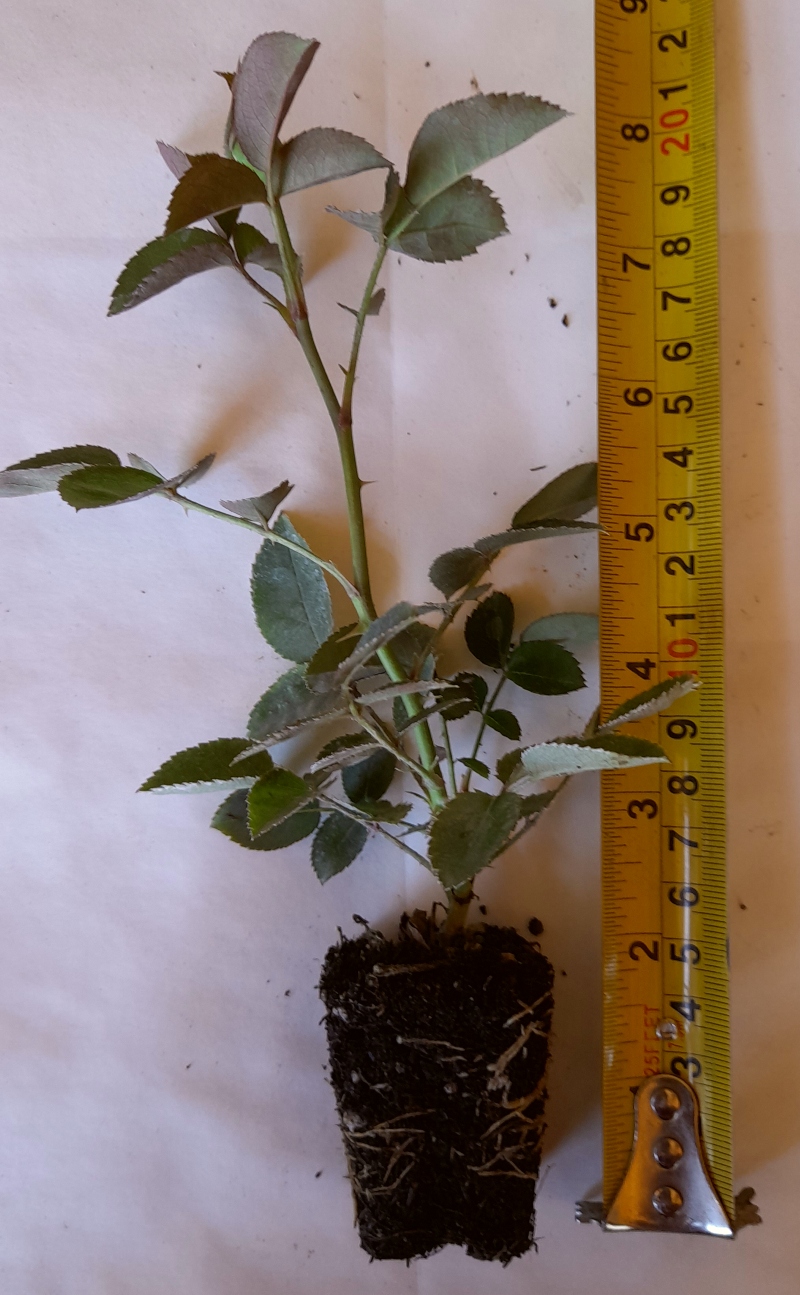
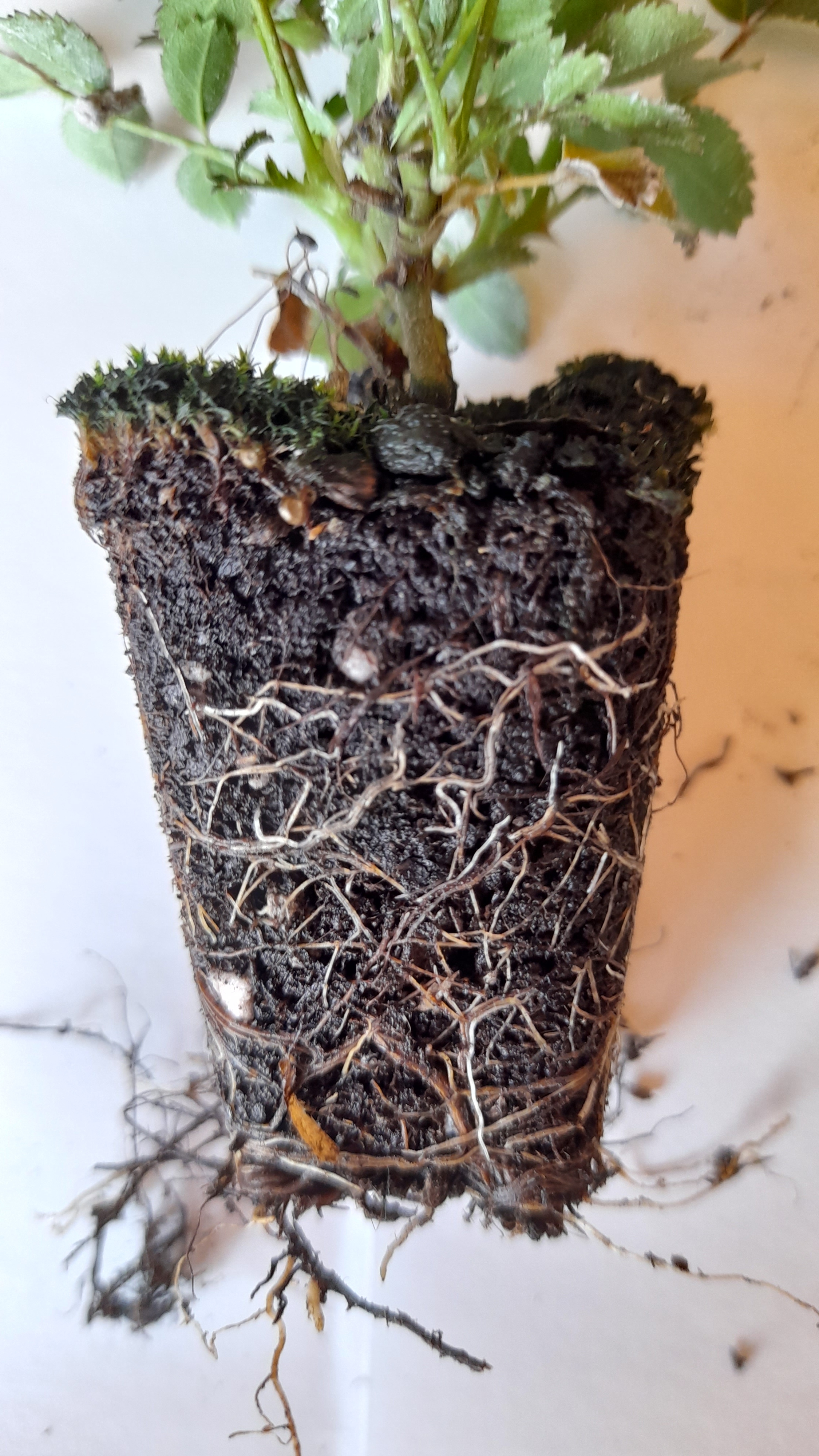
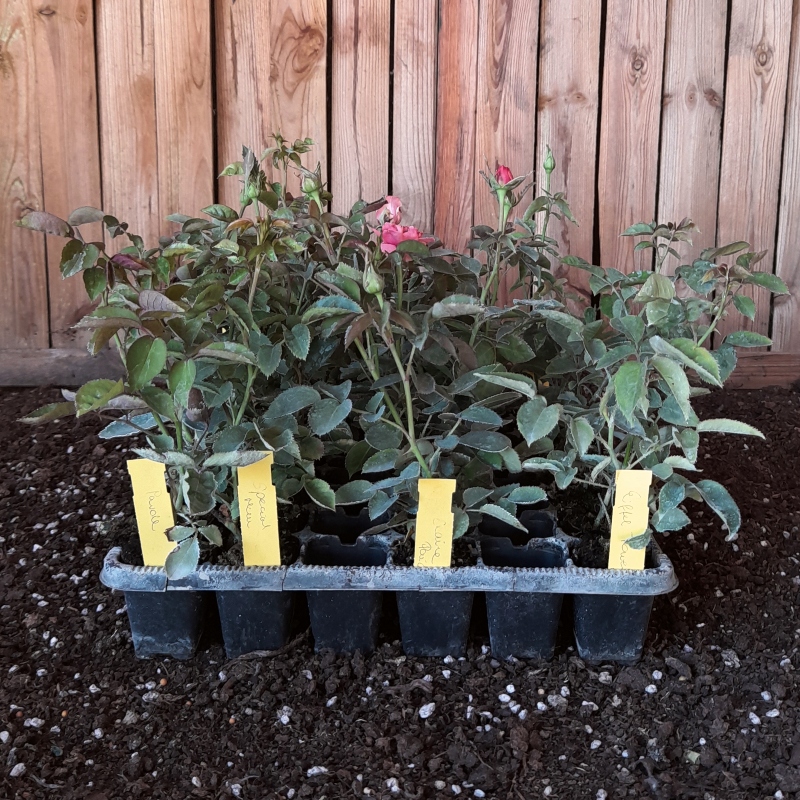
PharmaRosa® NEONATAL own-rooted rose propagation material in a plug, with a root system penetrating the plug (semi-finished product / semi-finished rose). PharmaRosa® NEONATAL rose propagation material size: 3–6‑month‑old, own-rooted cutting with a uniform developmental stage. PharmaRosa® NEONATAL rose propagation material root system: plug densely penetrated by well-developed white roots (root system detail). PharmaRosa® NEONATAL tray stock: own-rooted rose propagation material in trays, uniform developmental stage (10 pcs/tray).

Captions (from left to right): Semi-finished product (NEONATAL own-rooted rose propagation material in a plug with a fully developed root system) • Size demonstration (3–6‑month‑old, uniform cutting) • Root system detail (plug penetrated by the root system) • Tray stock (10 pcs/tray, uniform developmental stage)

pharmarosaneonatal.atpharmarosaneonatal.co.ukpharmarosaneonatal.hupharmarosaneonatal.czpharmarosaneonatal.depharmarosaneonatal.ropharmarosaneonatal.sipharmarosaneonatal.skpharmarosaneonatal.itpharmarosaneonatal.frpharmarosaneonatal.nlpharmarosaneonatal.plpharmarosaneonatal.lupharmarosaneonatal.ptpharmarosaneonatal.espharmarosaneonatal.ltpharmarosaneonatal.sepharmarosaneonatal.lvpharmarosaneonatal.eepharmarosaneonatal.fi

Which product type is right for you?

Pages for private customers
Garden roses for the family garden, with minimal care  → ORIGINAL®
Premium garden roses – instant impact, a truly showpiece garden  → EXTRA®
Pages for professionals and private customers
Roses for public spaces – large areas, sustainable maintenance  → NATURAL®
Roses for projects – hedge and row planting, fast implementation  → RAPID®
For professional partners only
Production – propagation material for garden roses, wholesale  → NEONATAL®

Company details

PharmaRosa Ltd.
Company registration number: 01-09-717479
VAT number: 13075314-2-43
Plant health registration no.: HU130721
Bank account (IBAN):
HU85117631891388688400000000
BIC (SWIFT): OTPVHUHB
Bank name: OTP Bank Nyrt.